

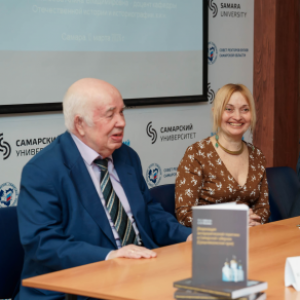
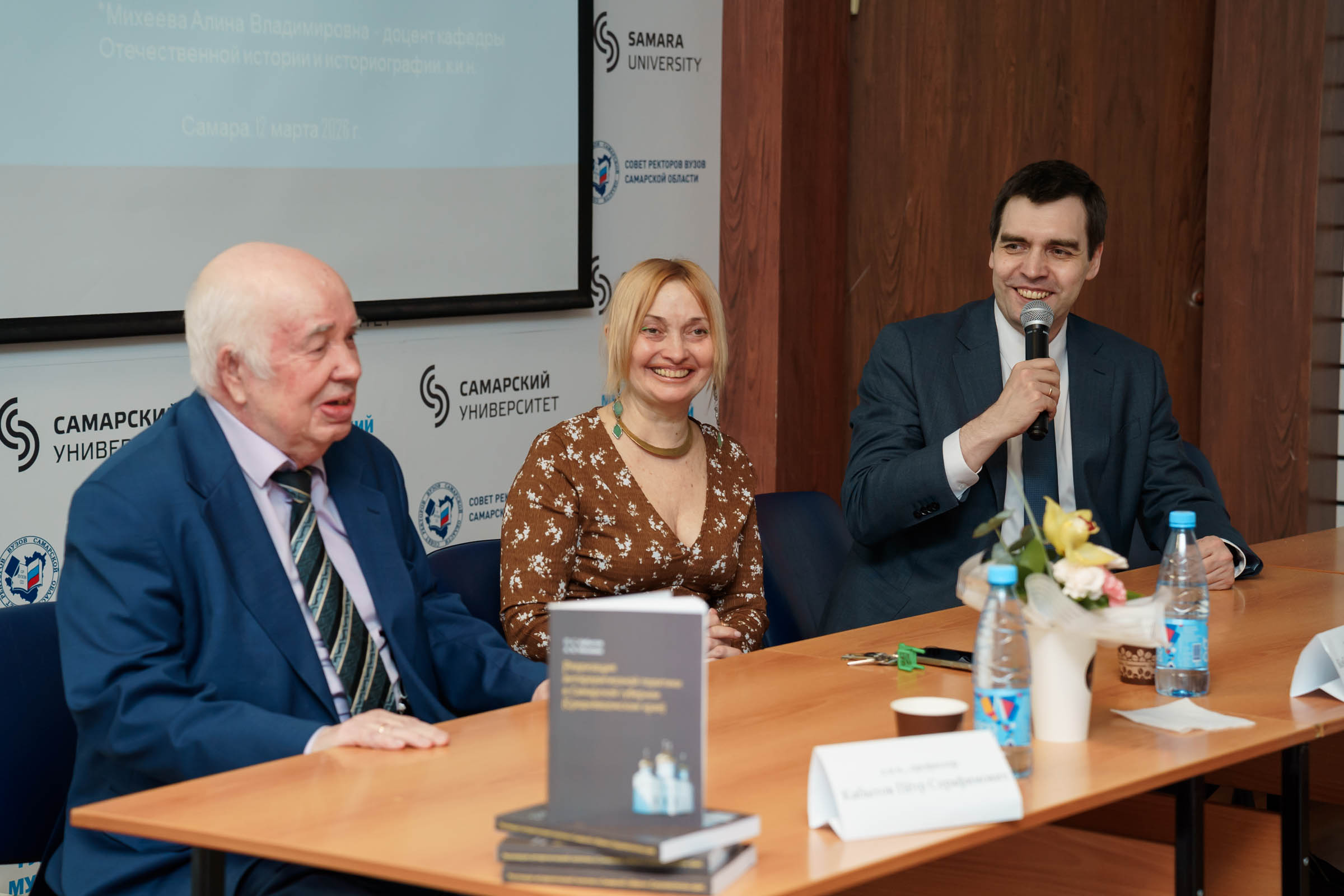
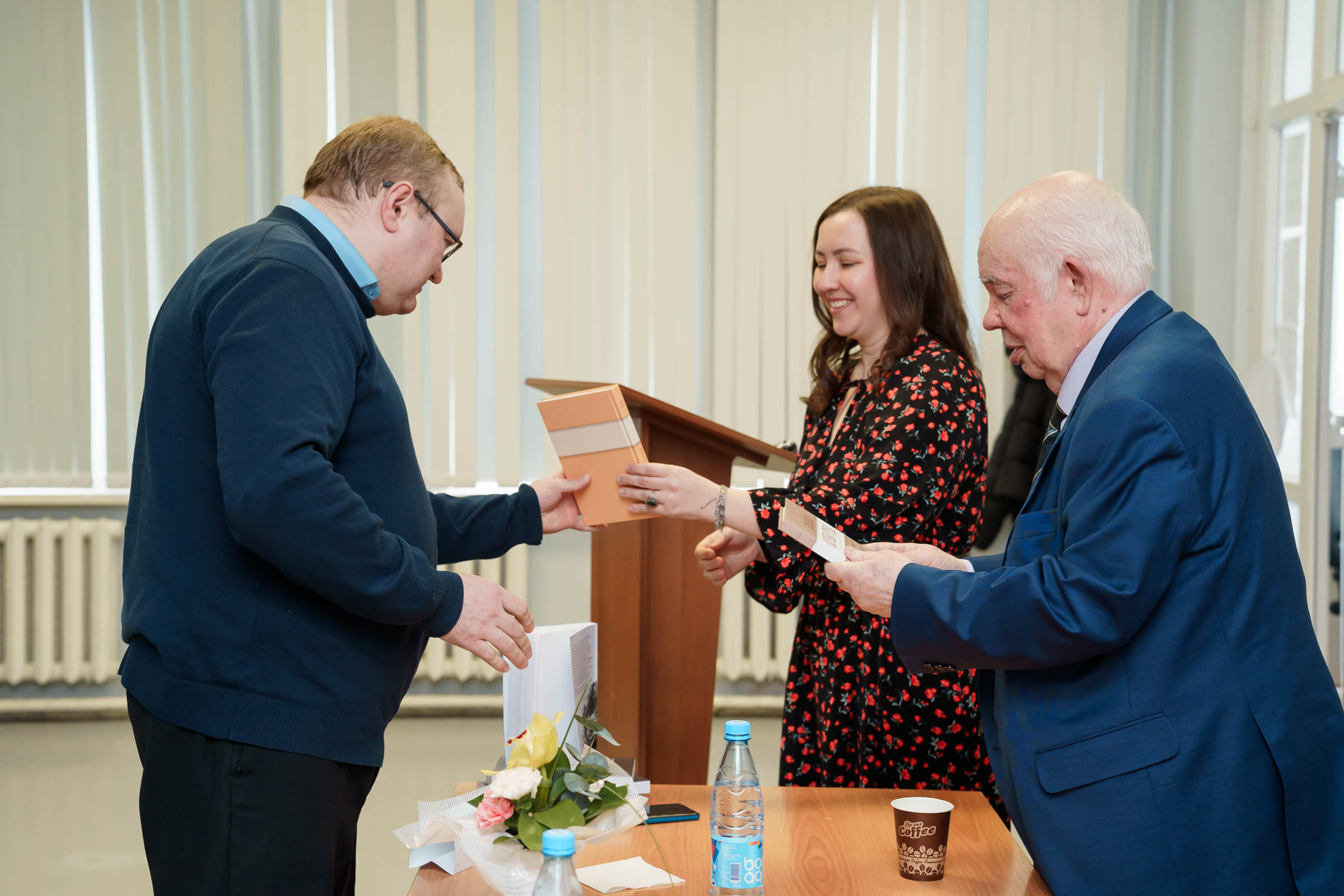
Two scholarly monographs by faculty members of the History Department were recently presented at Samara University. Both works originated as PhD dissertations and were completed under the supervision of Professor Pyotr Kabytov, Doctor of Historical Sciences and Head of the Department of Russian History.

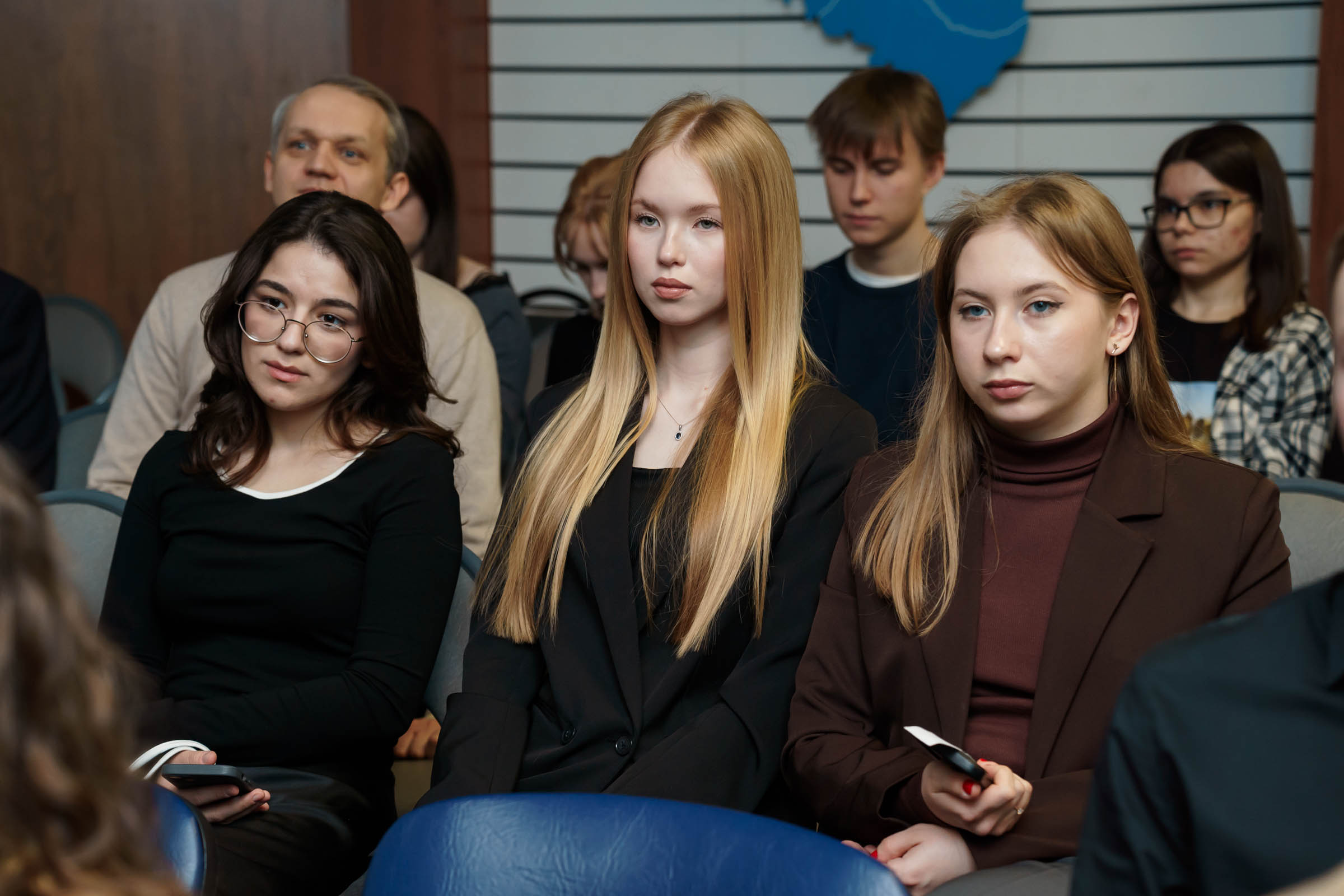


“The Government’s Imagination in the Fight Against Religion Was Virtually Boundless”
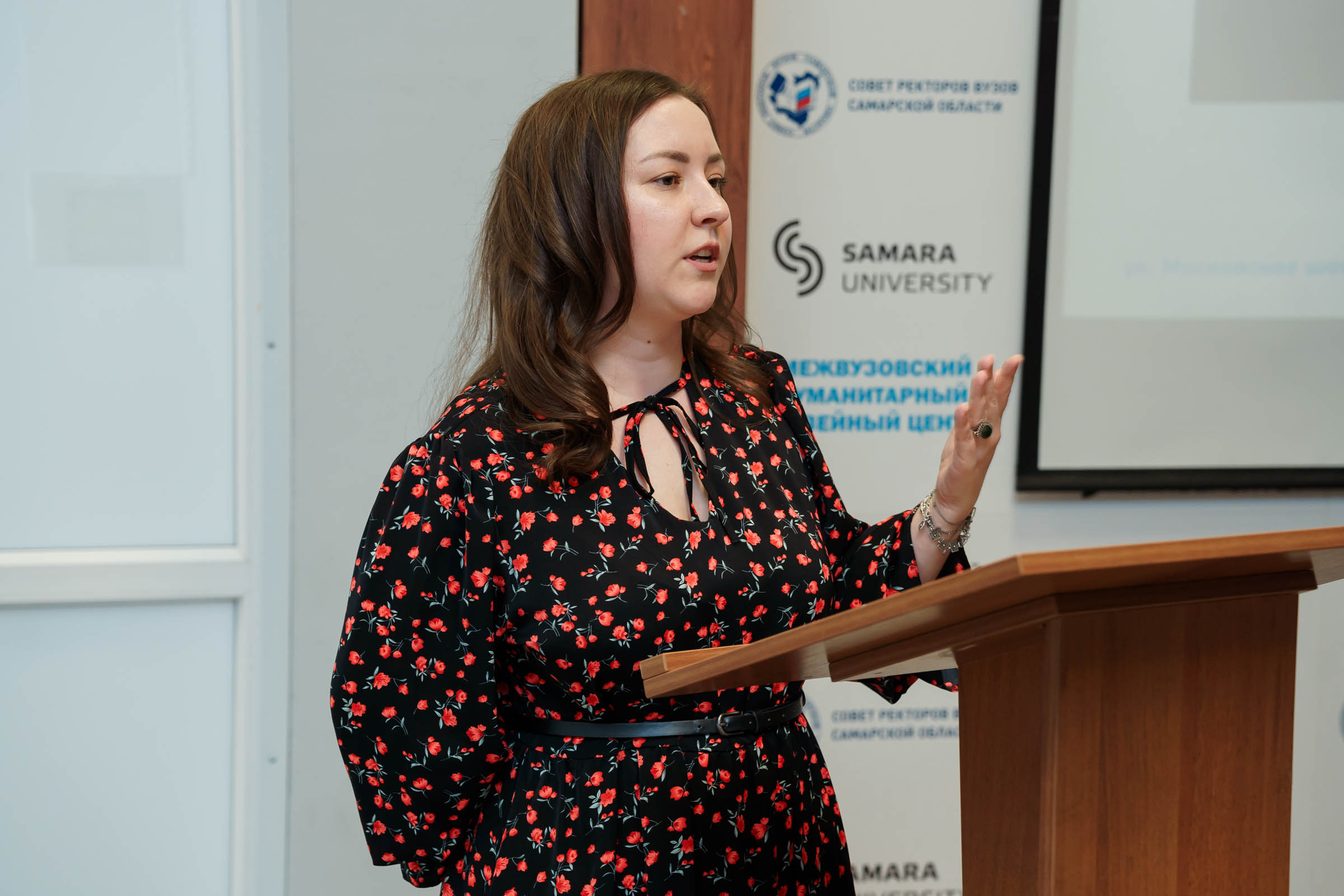
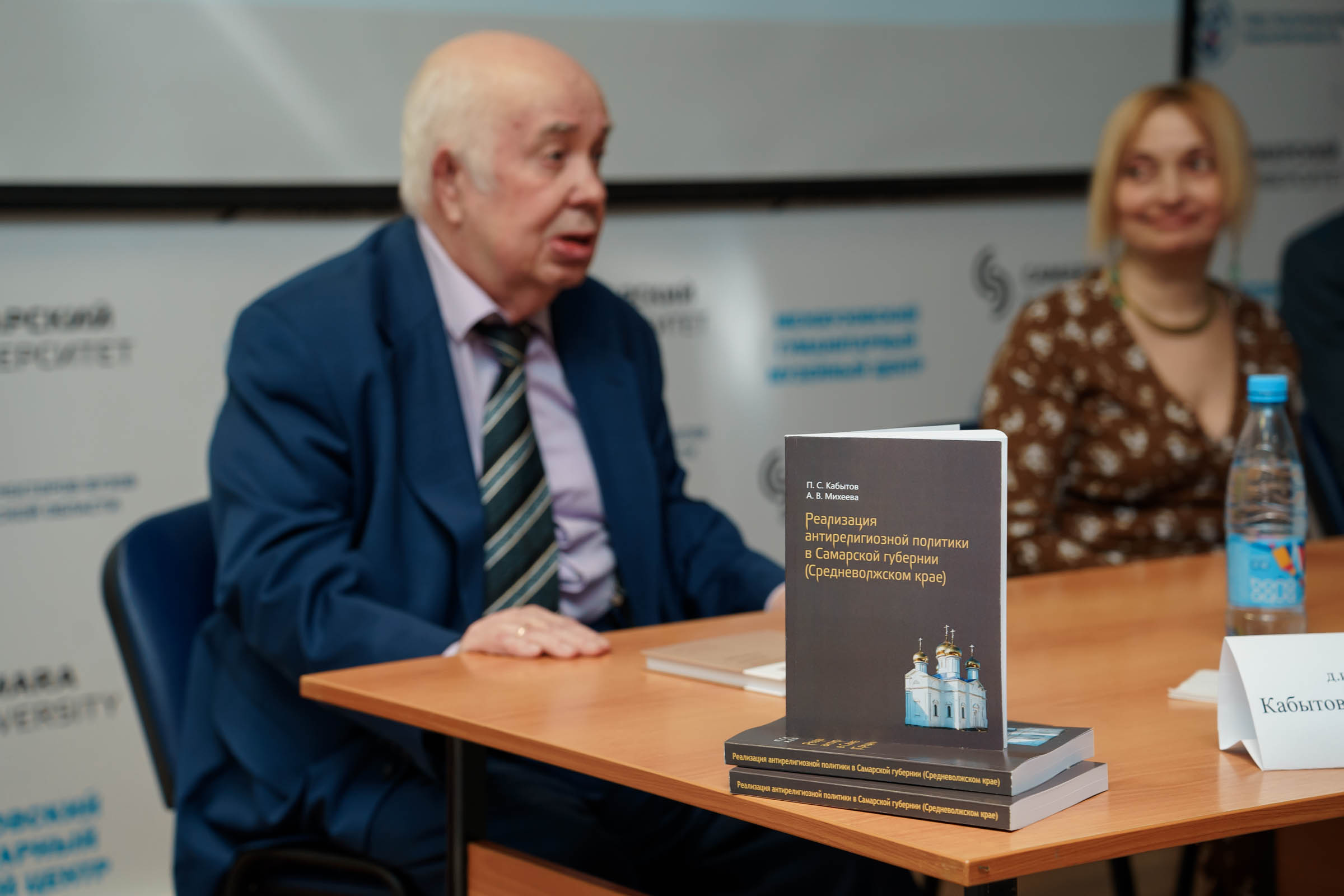
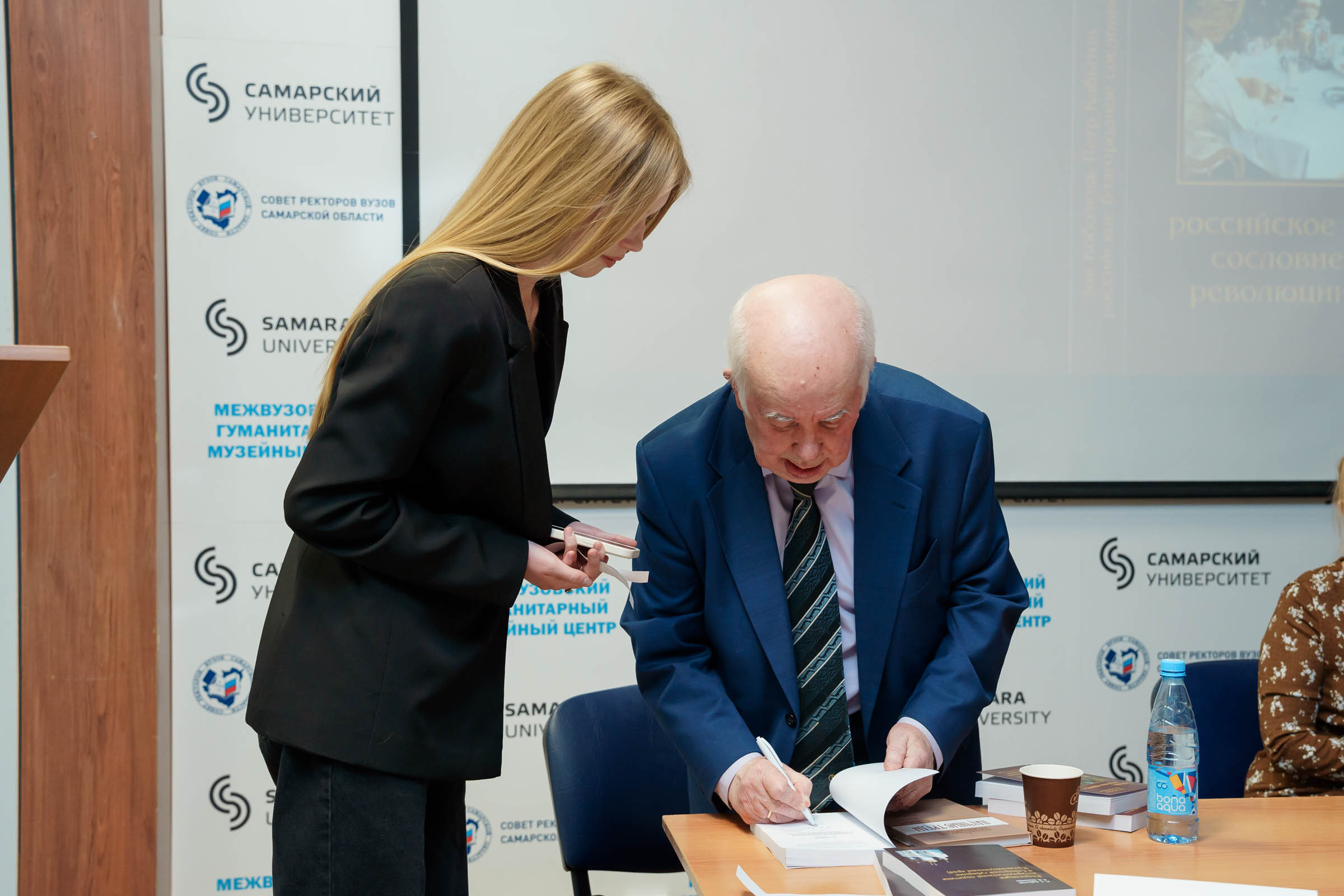
Dr. Alina Mikheyeva, Associate Professor at the Department of National History and Historiography, introduced her regional study titled “Implementation of Anti-Religious Policy in the Samara Governorate (Middle Volga Region).”
The book focuses on church–state relations during the early Soviet period and the enforcement of militant atheism. Drawing on a comprehensive analysis of archival documents, published sources, and academic literature, historians reconstruct key events from the first decades of Soviet rule. The authors conclude that by the late 1930s, state-promoted atheism had profoundly reshaped the religious landscape of the Samara region, disrupting the operations of all faith communities.
The monograph is of interest to historians, local scholars, educators, tourists, and residents of the Samara Oblast alike.
“After the revolution, the goal was to build a new society—and the Soviet government saw the Church as a major threat,” explained Professor Kabytov. “Thus, it devised an extensive array of measures.”
He cited striking examples: churches were physically destroyed well into the 1980s; priests faced public trials; an alternative “Renovationist Church” was established to rival the canonical Orthodox Church; traditional holidays like Christmas and New Year were either abolished or replaced with Soviet equivalents—such as “Komsomol Easter” and “Komsomol baptisms.” Civil authorities took control of rites tied to marriage and birth: wedding ceremonies gave way to registry office (ZAGS) entries, and newborns were officially recorded there instead of in parish books.
Yet this campaign met persistent resistance—from open protests against church demolitions to covert acts of faith: secret baptisms, children taken across regions for religious rites, and even double baptisms, where only one family member knew of the ceremony while parents remained unaware.
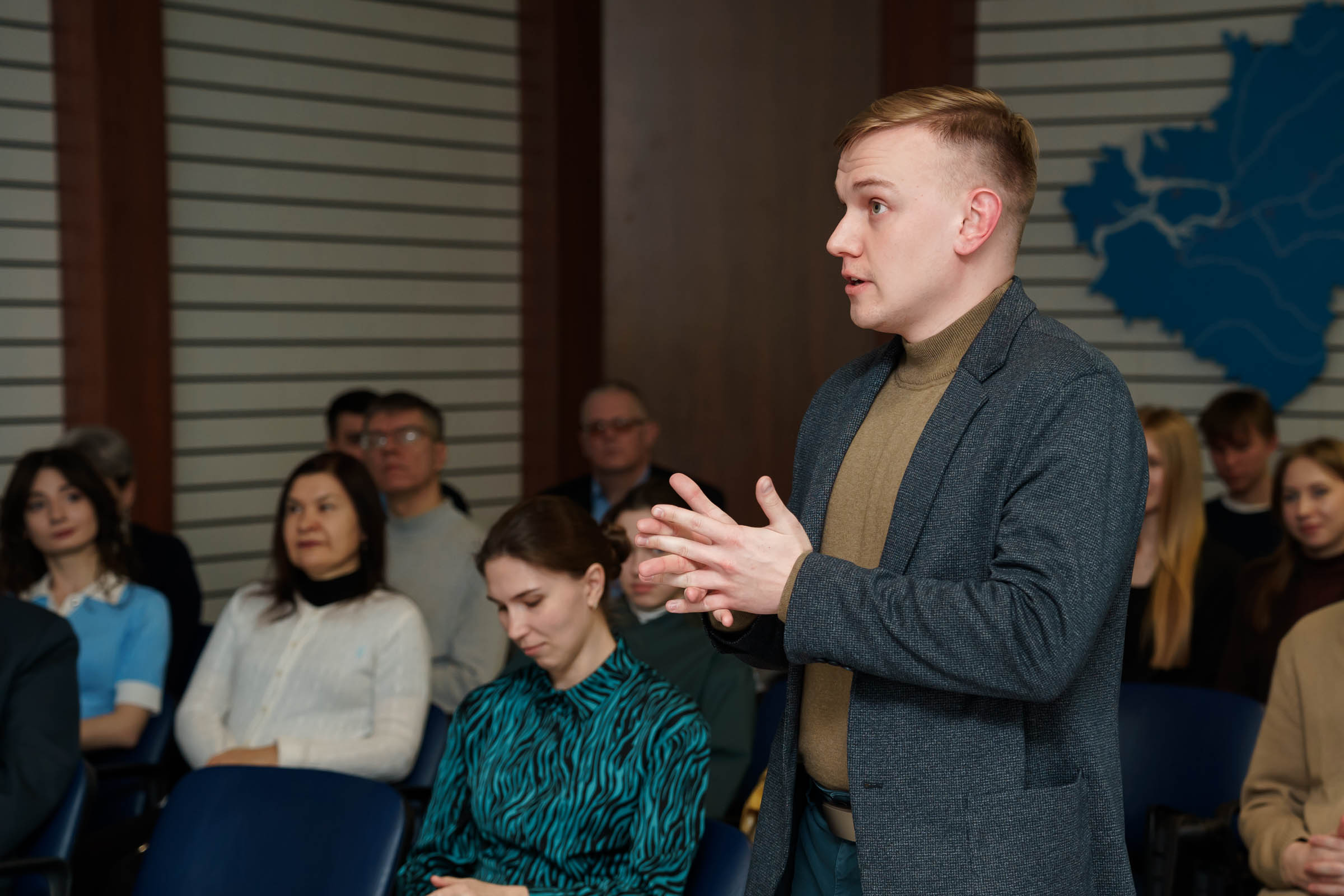
“This topic remains deeply relevant,” emphasized Dr. Mikheyeva. “We see how people in our region preserved their traditions despite the large-scale—and often violent—onslaught by the young Soviet state.”
The presentation made clear that, although this era may seem distant, nearly every Russian family today retains memories of it: ancestors repressed, “dekulakized,” exiled to Siberia—or quietly baptized in the 1980s under conditions of secrecy.
“Gentlemen, Where Are We Heading?!”
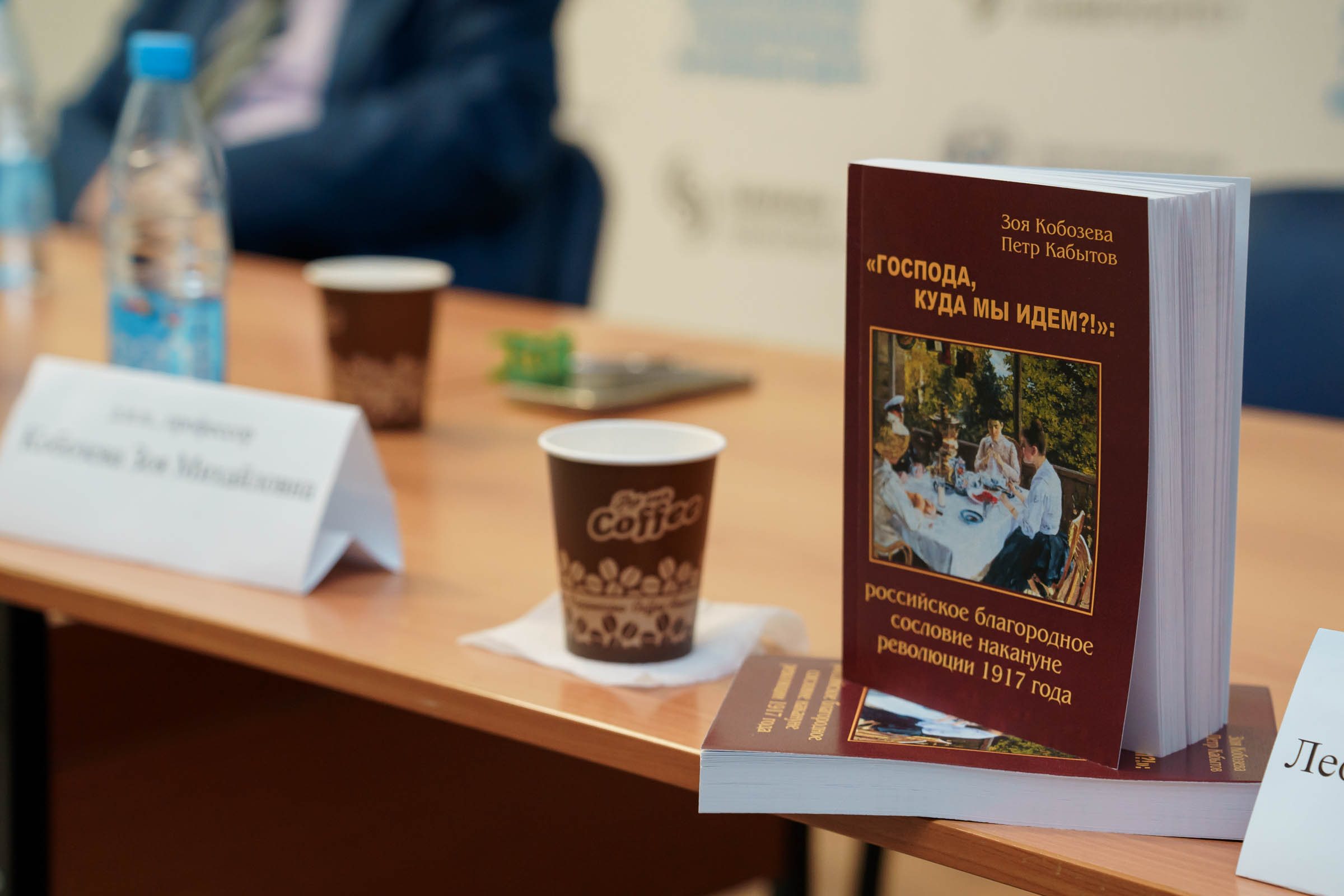
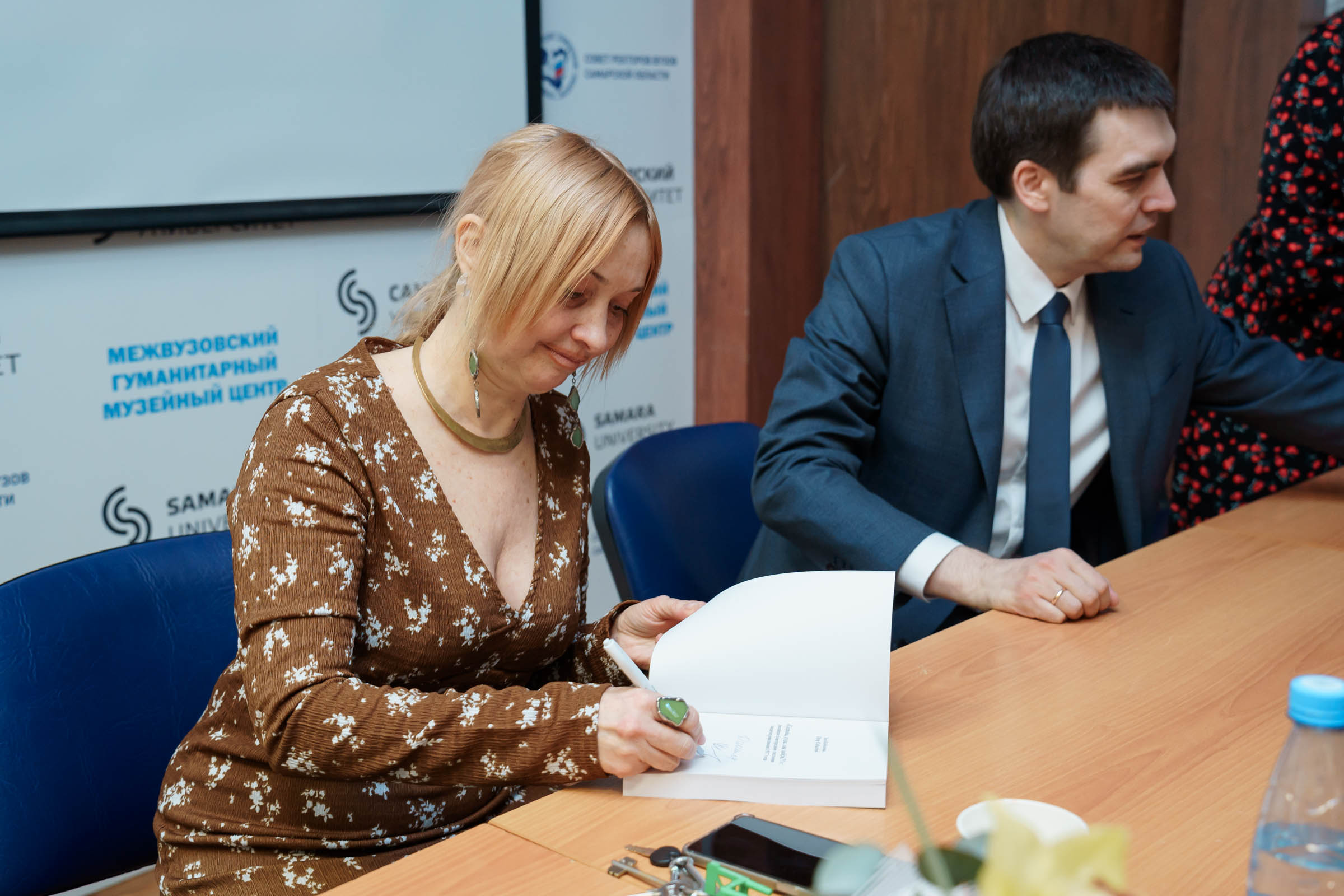
The second monograph, “Gentlemen, Where Are We Heading?! The Russian Nobility on the Eve of the 1917 Revolution,” authored by Dr. Zoya Kobozeyeva, Professor at the Department of Russian History, examines the socio-economic and political status of the Russian nobility in the Central Industrial Region just before the 1917 upheaval. The study addresses a critical question: could the nobility function as a self-organizing social system amid political crisis?
Samara historians found that it could not. The estate lacked unity; its refined cultural introspection proved unable to withstand the pressures of new socio-political realities—and collapsed into revolutionary chaos alongside its symbolic “linden alleys” and “cherry orchards.”
As revealed at the event, this monograph stems from a PhD dissertation defended in 1995—a time when Russian historians had only just begun revisiting the nobility, clergy, merchant class, and intelligentsia after decades of Marxist orthodoxy. One of the pioneers in this field was Professor Pyotr Kabytov, who, though originally a specialist in peasant studies, encouraged students and postgraduates to explore these newly accessible topics.
In 1989, Zoya Kobozeyeva—a third-year student at Kuibyshev State University—began researching the Russian nobility from the abolition of serfdom to the 1917 Revolution under Kabytov’s guidance, focusing on the Central Industrial Region. Her dissertation was successfully defended in 1995.
“But my work didn’t stop there,” recalled Dr. Kobozeyeva. “In 1997, Professor Kabytov initiated a collaborative project between our university and the University of Maryland (USA). I traveled there with a colleague to develop a special course on Russian noble history, using American scholarship and materials from the renowned Bakhmeteff Archive of Russian and East European Culture—intended for our own students.”
These archival findings enriched her original research and became integral to the monograph.
The authors believe the result is, in effect, a historiographical monument—capturing how historical inquiry evolved at a pivotal moment when Marxist frameworks, with their rigid economic determinism, were still influential, yet a more human-centered approach was beginning to emerge, focusing on individuals and their worldviews amid war and revolution.
“On the eve of the revolution, the nobility was preoccupied with one question: ‘Is parliamentarism possible in Russia?’ Some joined the State Duma; others remained staunchly conservative. Ultimately, our study of their psychology and worldview suggests that Anton Chekhov’s brilliant artistic portrayal in The Cherry Orchard—of a noble class economically adrift after emancipation—closely mirrored reality. The Russian elite failed to formulate a coherent political response to an era demanding transformation,” concluded Dr. Kobozeyeva.
And yes—this year marks the 110th anniversary of the phrase “Gentlemen, where are we heading?!” It was uttered in 1916 by Fyodor Fyodorovich Bukhmeier, Actual State Councillor and Marshal of the Nobility of Zubtsov District in Tver Governorate, during a meeting of the Tver nobility. He received no answer then.
Photo by Olesya Orina
