

The Third International Scientific and Practical Conference “Inclusion for All” took place at Samara National Research University, bringing together more than 500 participants from 33 regions of Russia—including newly integrated territories—and 10 countries across the near and far abroad: Belarus, Kazakhstan, Uzbekistan, Armenia, Germany, the United States, Bangladesh, India, Ethiopia, and Namibia.
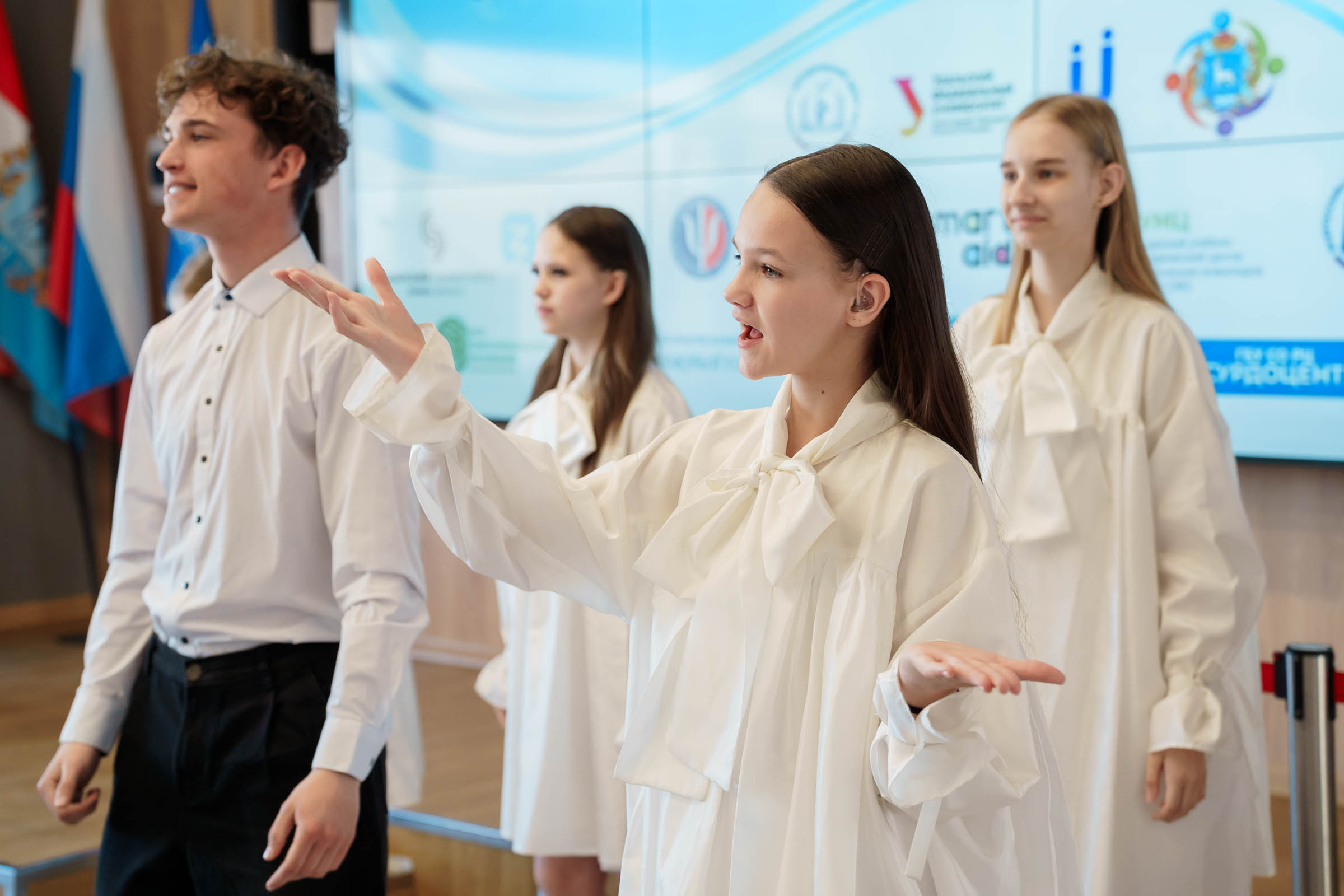
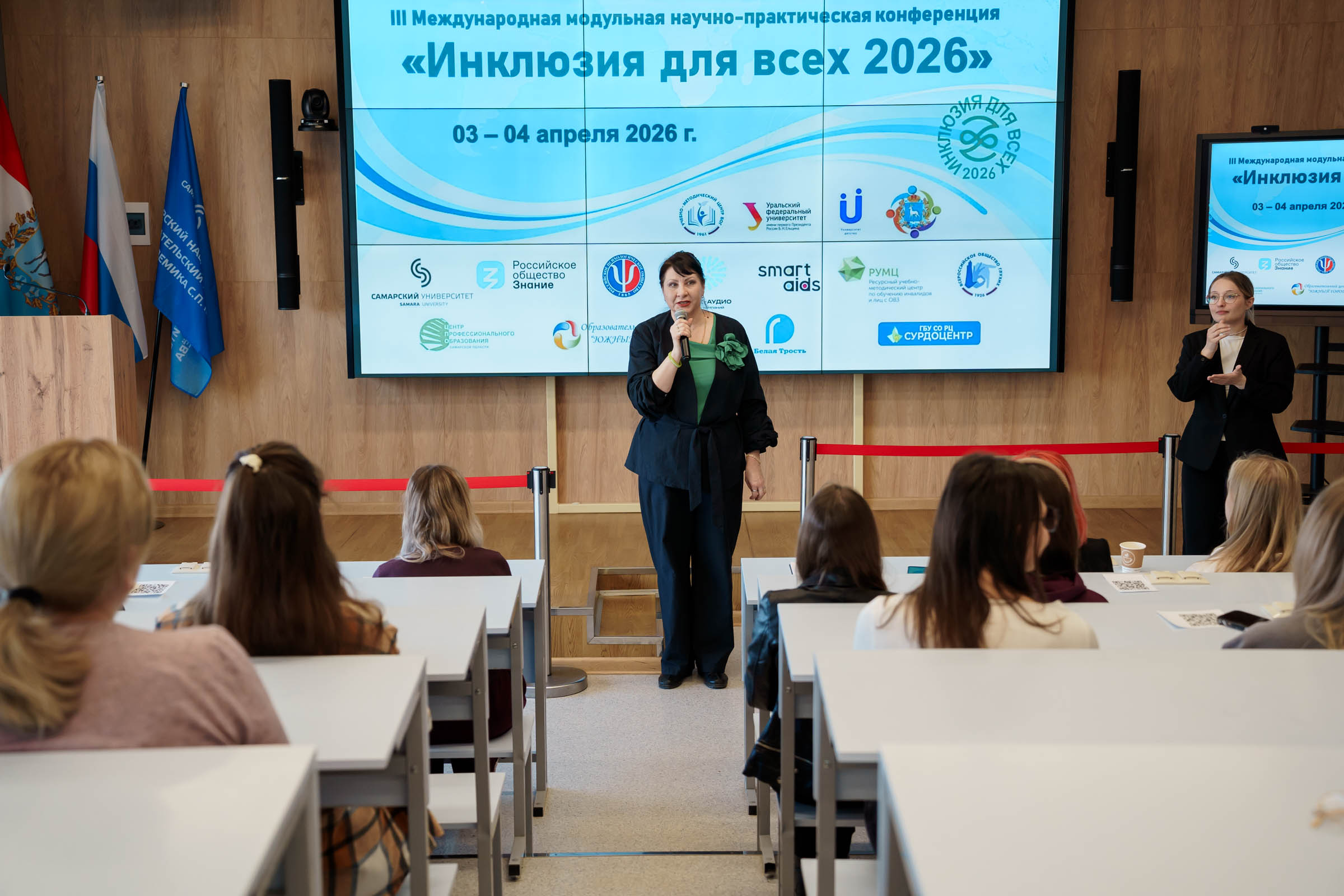
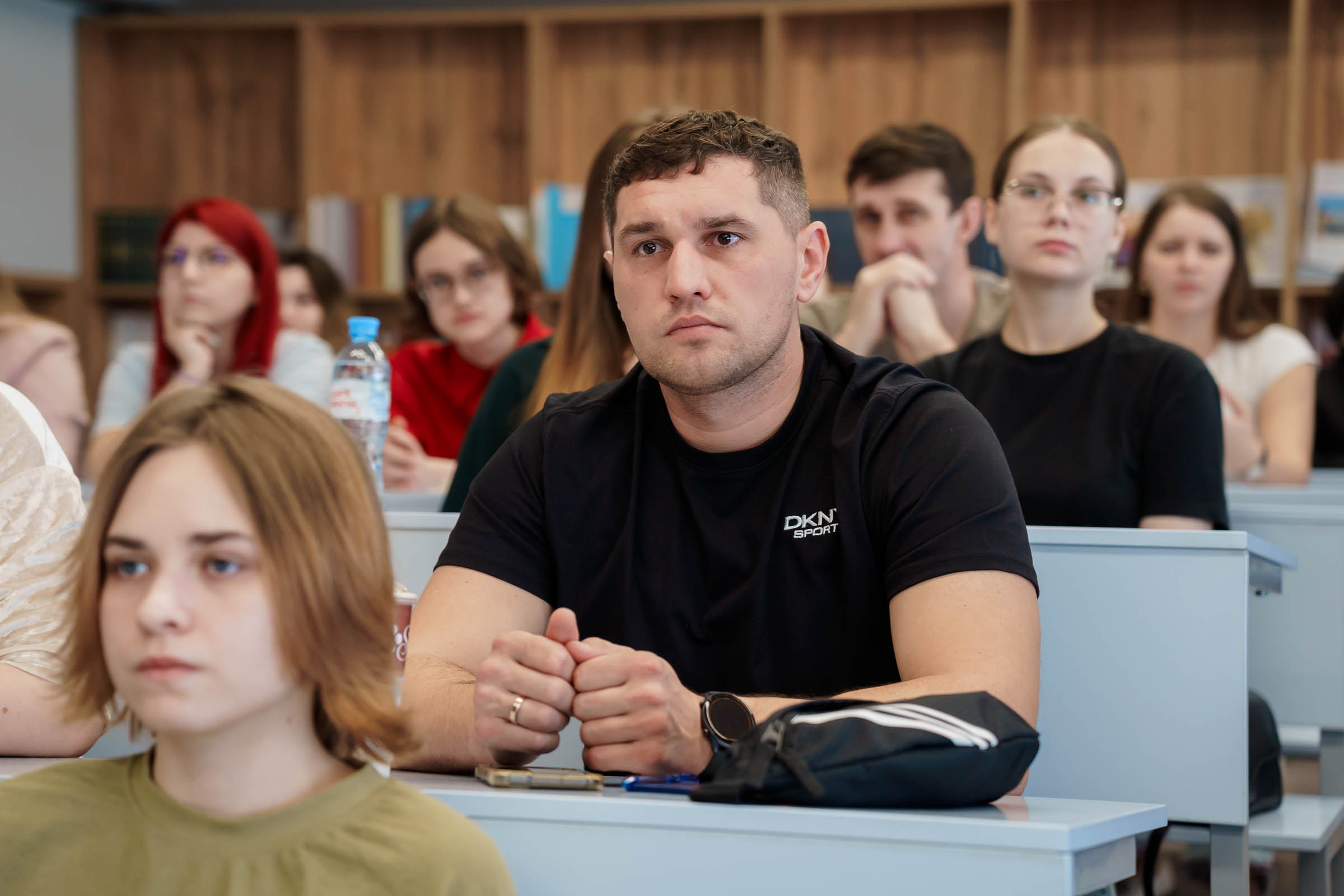
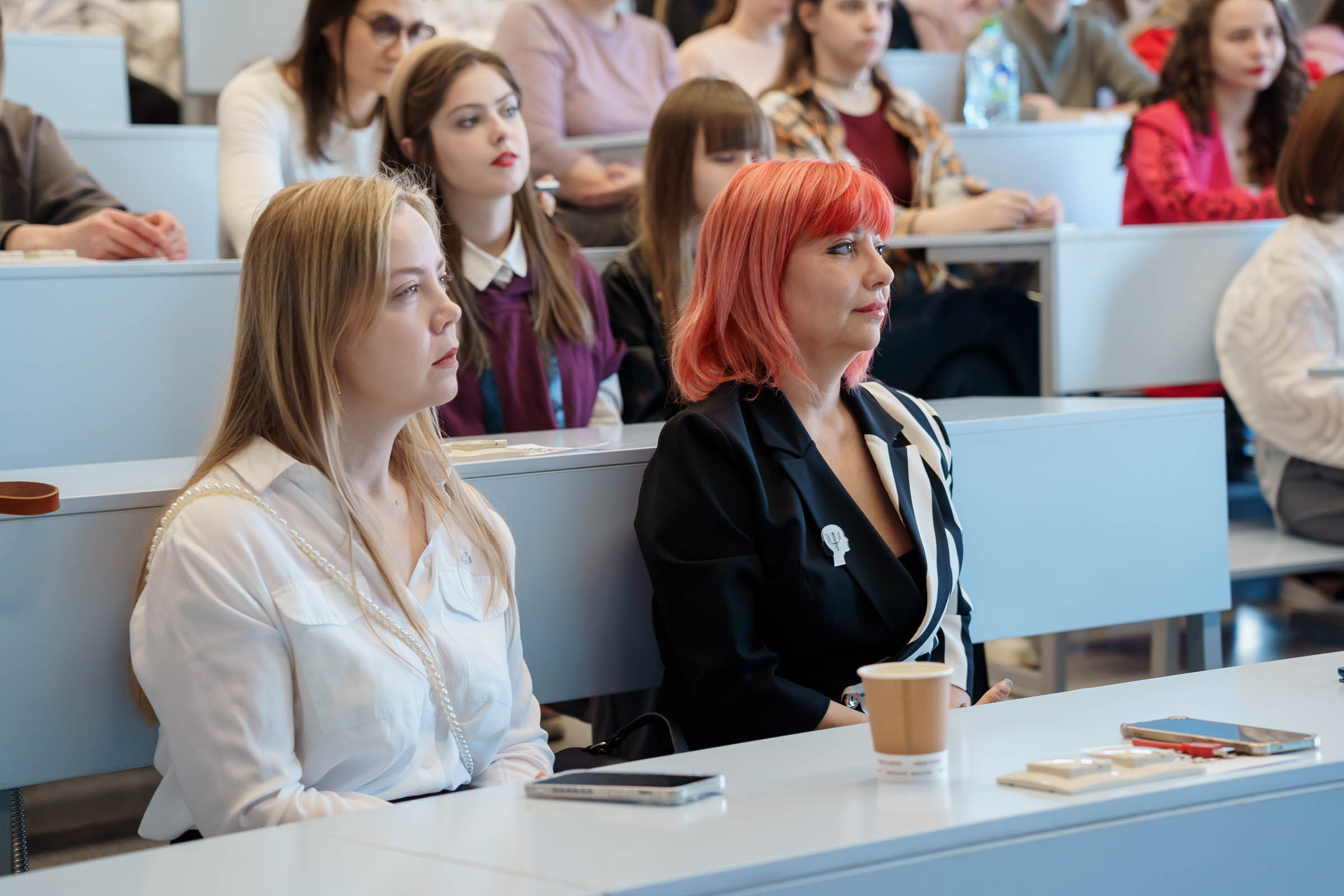

Over 150 speakers presented reports addressing inclusion as a social phenomenon within professional and educational environments.
This major forum united researchers, practitioners, educators, and students to discuss pressing issues in building an accessible and equitable society. The conference approached inclusion not only as support for people with disabilities but also as a vital mechanism for assisting orphans, students facing difficult life circumstances, migrants, and international learners.
In his welcoming address, Vladimir Bogatyrev, Rector of Samara University, emphasized the institution’s commitment to equity:
“Russian universities—including ours—are striving to create equal learning conditions for all student groups: those with disabilities, orphans, young people in challenging situations, and international students. Everyone must feel confident and supported within a unified academic space. But our mission goes further: we aim to advance inclusion beyond education—into all spheres of life.”
Opening the event, Mikhail Leonov, Vice Rector for Student Affairs and Youth Policy, highlighted the conference’s role as a key platform for dialogue:
“‘Inclusion for All’ has become a crucial space for collaboration among scientists, practitioners, faculty, and students. A truly accessible environment cannot be built without coordinated efforts across institutions and disciplines.”
Following the official opening, participants moved on to plenary sessions.
“At our conference, inclusion is examined broadly and from multiple perspectives,” noted Natalia Klementyeva, Tutor at the Center for Inclusive Education.
“First and foremost, inclusion means integrating everyone who faces barriers—whether due to disability, migration status, or social vulnerability—into a shared community. Over 150 speakers presented on inclusion as a social phenomenon in professional settings. Students had the opportunity to engage with leading experts and share their own experiences. Our university carries out extensive work to improve quality of life for these individuals—for instance, we’ve launched a program in conversational sign language. The Center for Inclusive Education was established precisely to promote and implement these inclusive principles.”
During the weekend, the conference featured a series of hands-on masterclasses and workshops showcasing cutting-edge inclusive practices:
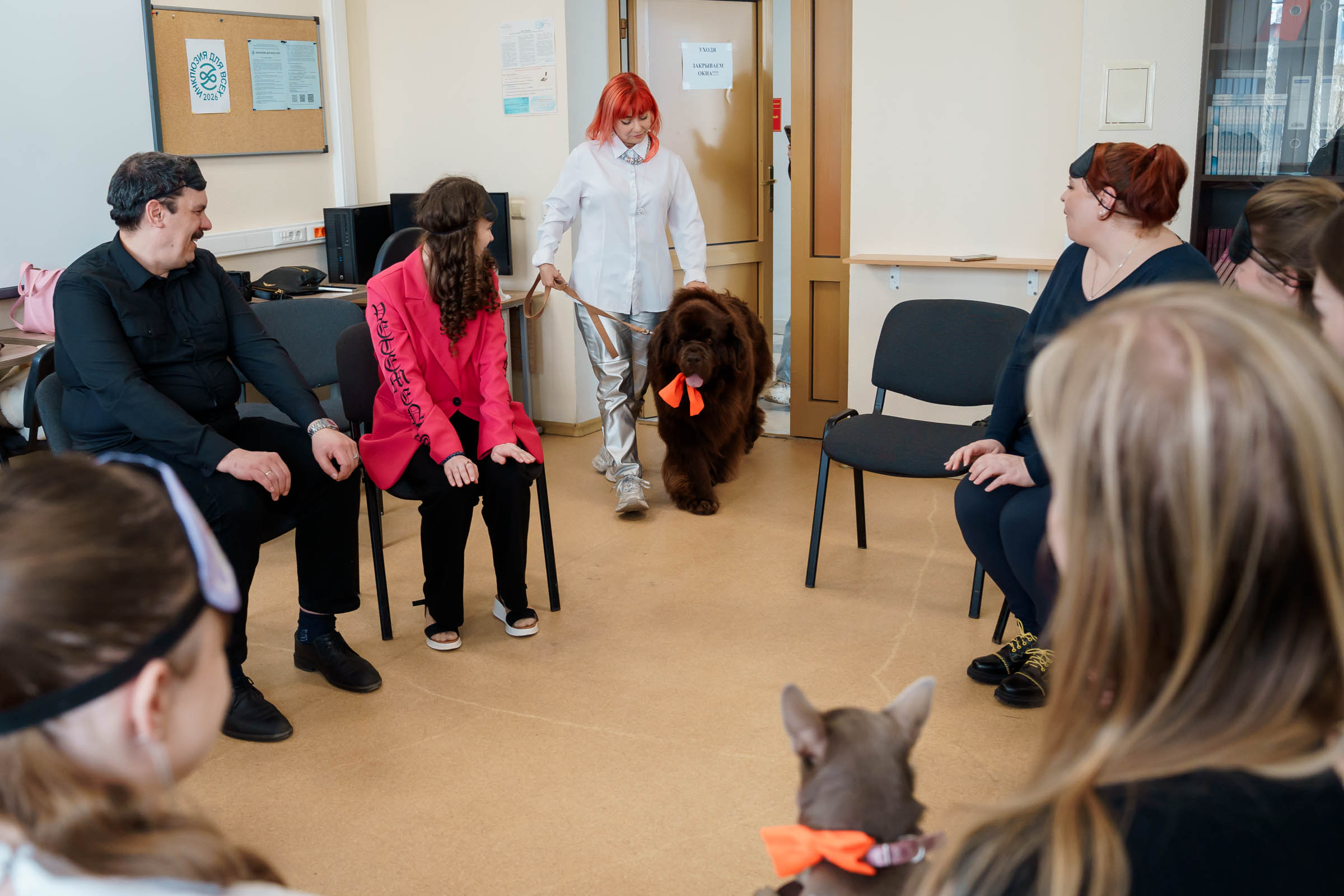
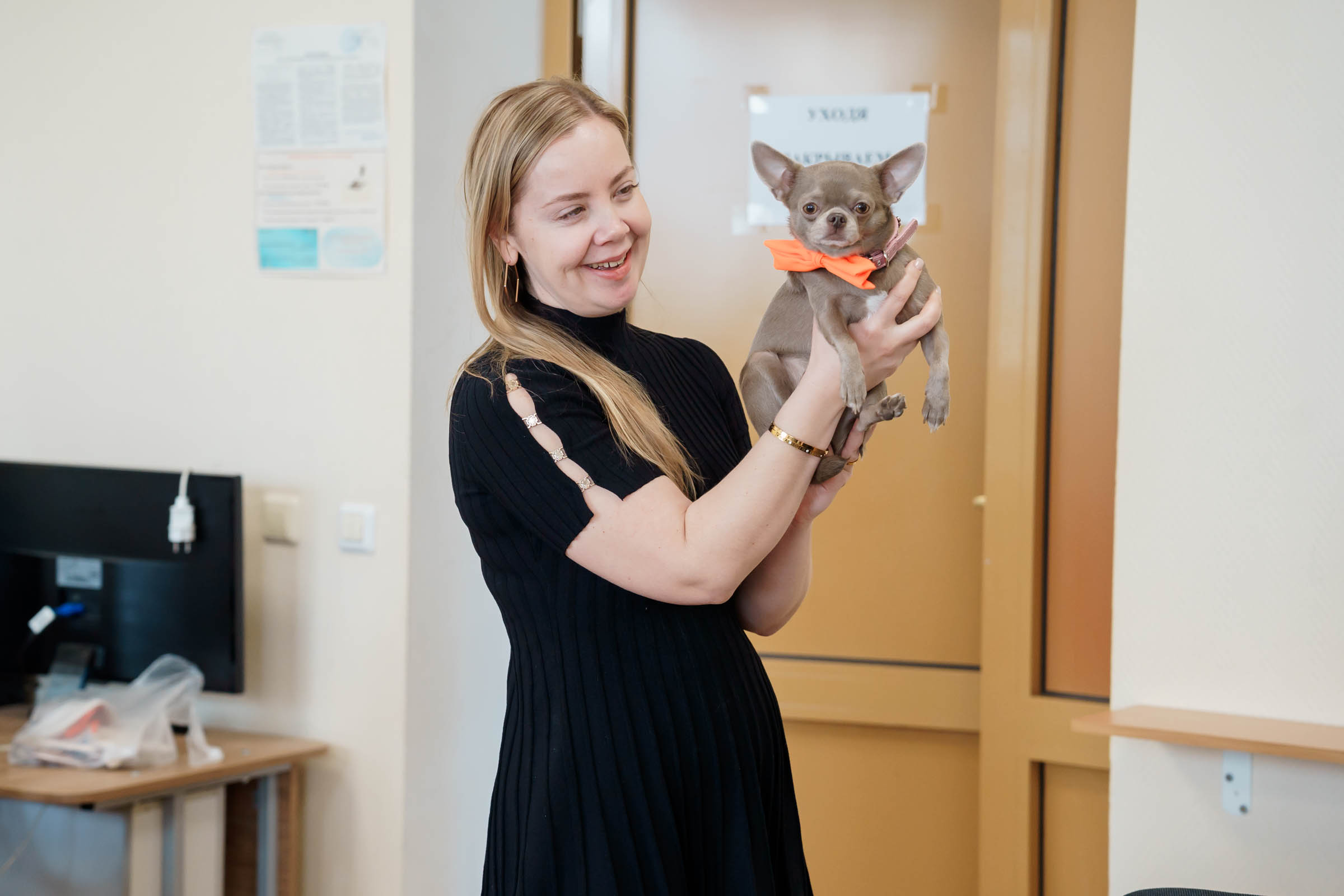
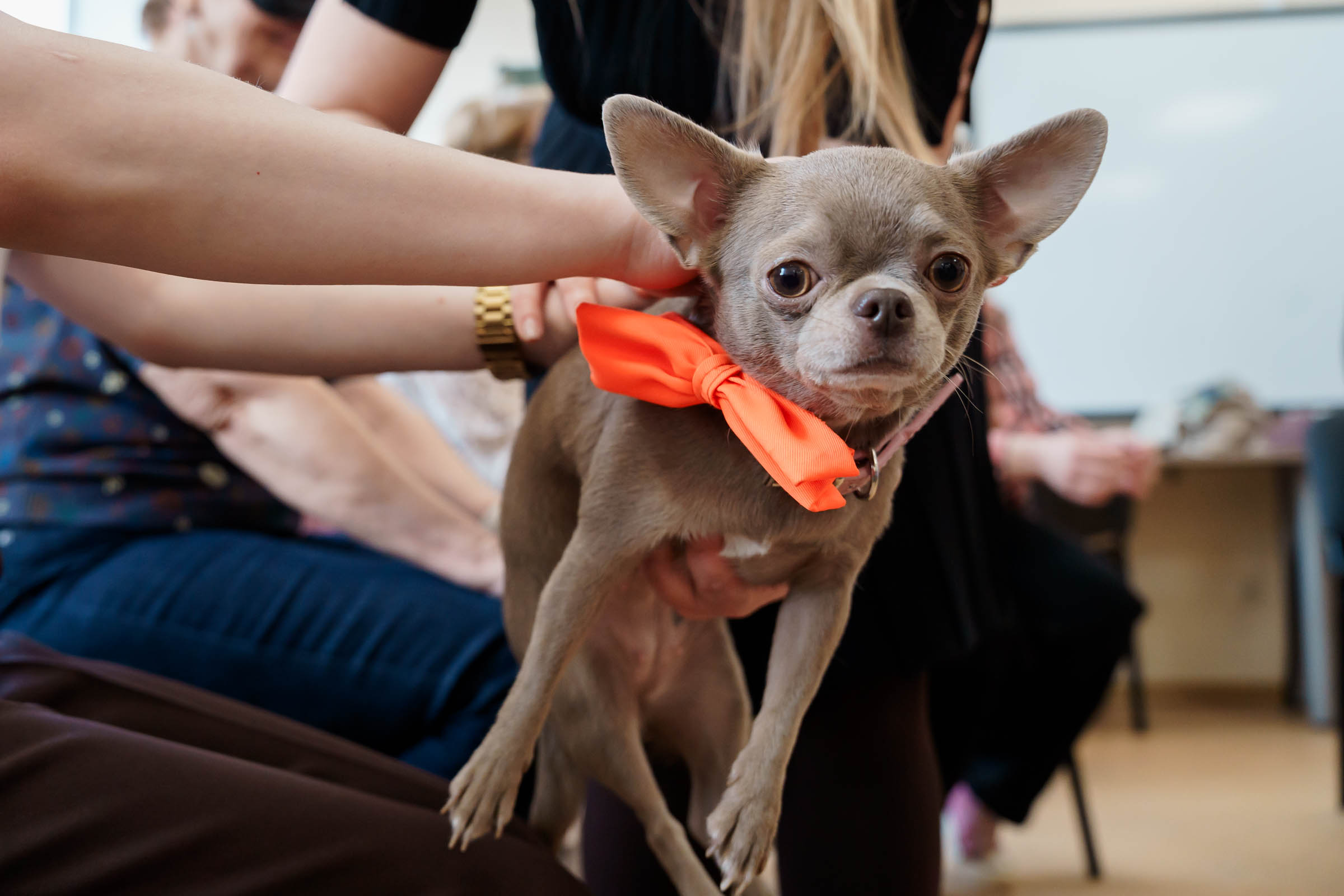
Participants explored canine-assisted therapy (kinesitherapy with dogs), a method using specially trained dogs to reduce stress, enhance motor skills, and foster communication—widely applied in working with children with cerebral palsy and autism. The session was led by Natalia Naumova, Chair of the Samara Regional Branch of the Russian Psychological Society.
Attendees took part in the “Revival” performance workshop, designed to develop emotional intelligence through art-based methods, facilitated by Konstantin Barannikov, Deputy Director of the Center for Inclusive Education at Ural Federal University.
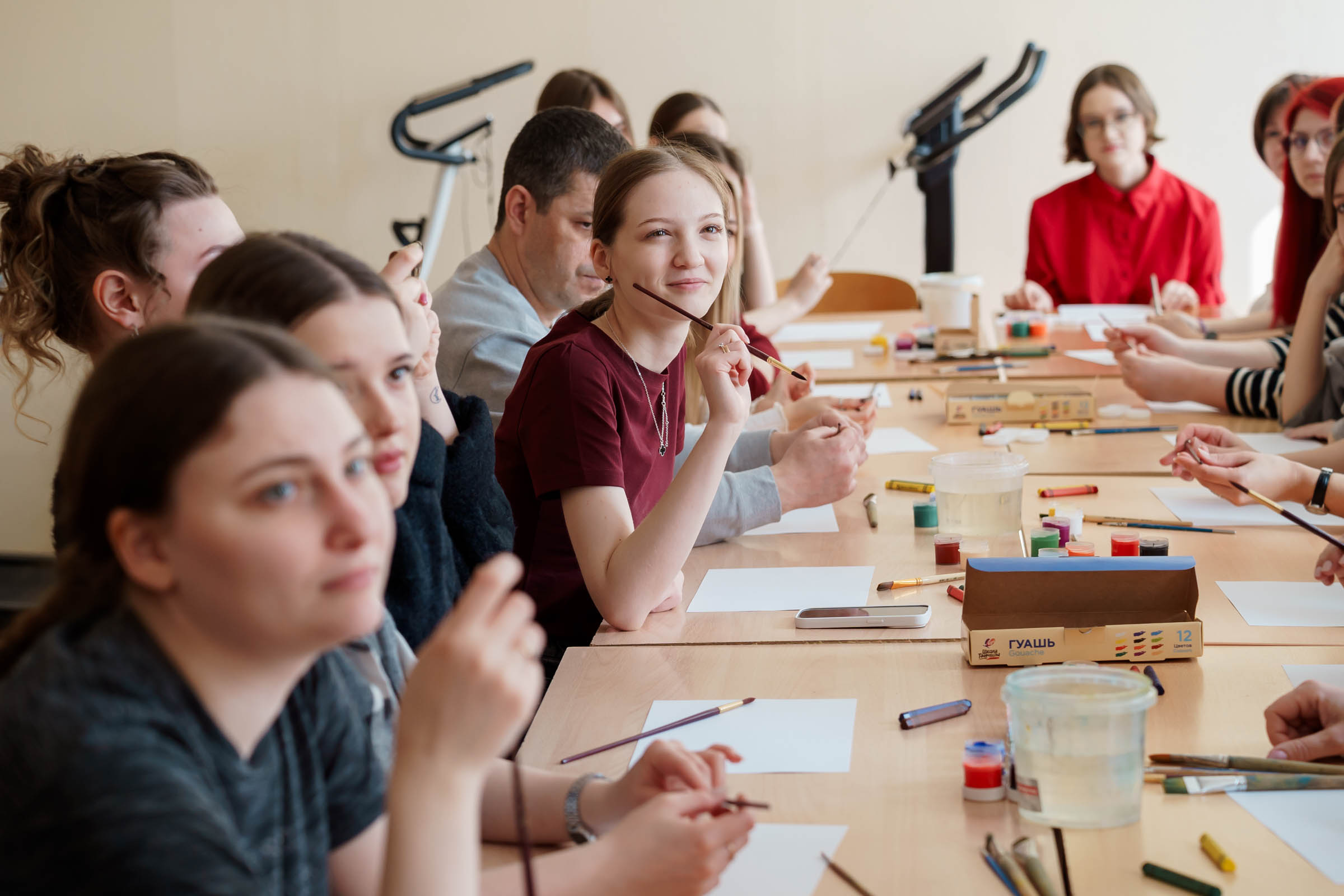
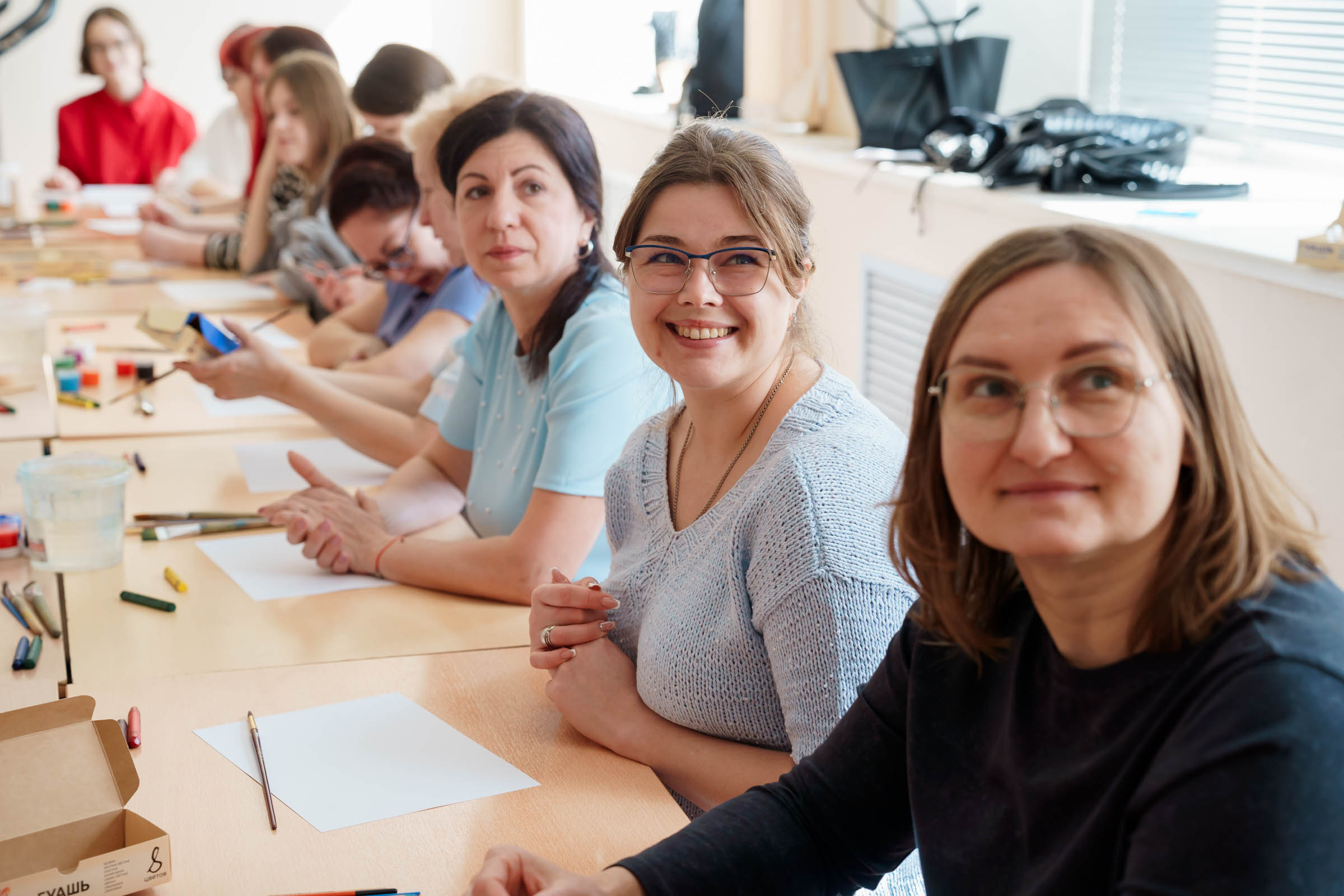
A therapeutic session titled “Immersion” guided participants through stress relief, self-discovery, and emotional expression using visual arts techniques, led by Natalia Klementyeva and Anastasia Orlova from Samara University’s Center for Inclusive Education.
For Reference:
Samara University has developed a fully accessible and supportive environment for students with disabilities and diverse psychophysiological needs. The Center for Inclusive Education coordinates a comprehensive system of psychological and pedagogical support that spans all academic programs. Beyond the specialized track in Psychology and Social Pedagogy, students with diverse needs successfully pursue studies across technical, humanitarian, and fundamental science disciplines.
Photo by Olesya Orina
