

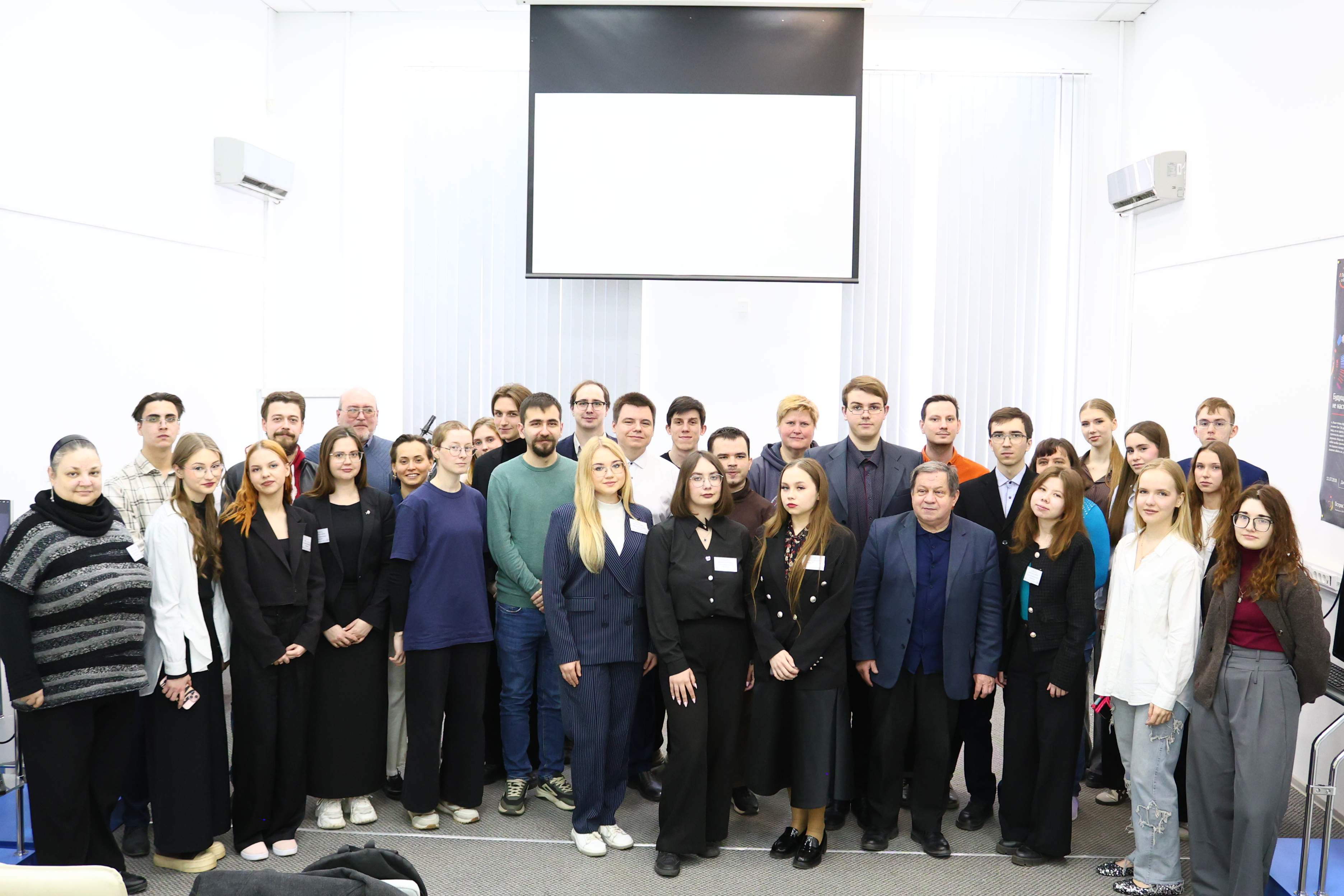
From April 23 to 26, 2026, Saratov State University hosted the XXI All-Russian Scientific Conference for Students, Postgraduates, and Early-Career Researchers “Antiqvitas Ivventae”, dedicated to the memory of E. V. Smykov. Organized by the Department of Ancient History in collaboration with the Institute of Archaeology and Cultural Heritage at SSU, the event has, for over two decades, served as a vital forum for scholarly exchange in the field of Classical Studies.
Held in a traditional hybrid (in-person and remote) format, the conference united researchers from 12 leading academic centers across Russia—including Arkhangelsk, Voronezh, Yekaterinburg, Kazan, Moscow, Rostov-on-Don, Samara, St. Petersburg, and Saratov. Over four days, nearly 70 presentations were delivered by undergraduate and graduate students, PhD candidates, and emerging scholars, reflecting the vibrant future of antiquity studies in Russia.
The breadth of topics was remarkable: from critical analysis of ancient narratives and epigraphic monuments to archaeological source studies, numismatics, the reception of antiquity in modern culture, and the application of digital humanities and AI-driven methods in historical research. Participants explored political and social structures of Ancient Greece and Rome, religious cults, daily life practices, challenges in interpreting archaeological finds, and even the ethical and methodological implications of using artificial intelligence to study the ancient world.
A defining feature of the conference was the high quality of academic dialogue: each presentation sparked lively, constructive discussions, with young researchers receiving valuable feedback from experienced mentors and peers—an essential step in developing professional scholarly competencies.
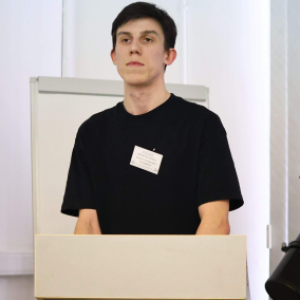
Representing Samara University, Leonid Fedorishchev, a fourth-year bachelor’s student at the Social and Humanities Institute, presented his paper titled “Lex Tullia of 63 BCE”, prepared under the supervision of Associate Professor A. Yu. Markelov from the Department of World History, International Relations, and Records Management.
The abstract of his presentation will be published in the conference proceedings.
Note and photos courtesy of Leonid Fedorishchev’s personal archive.
