

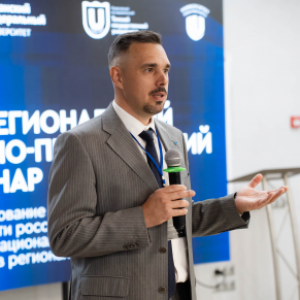
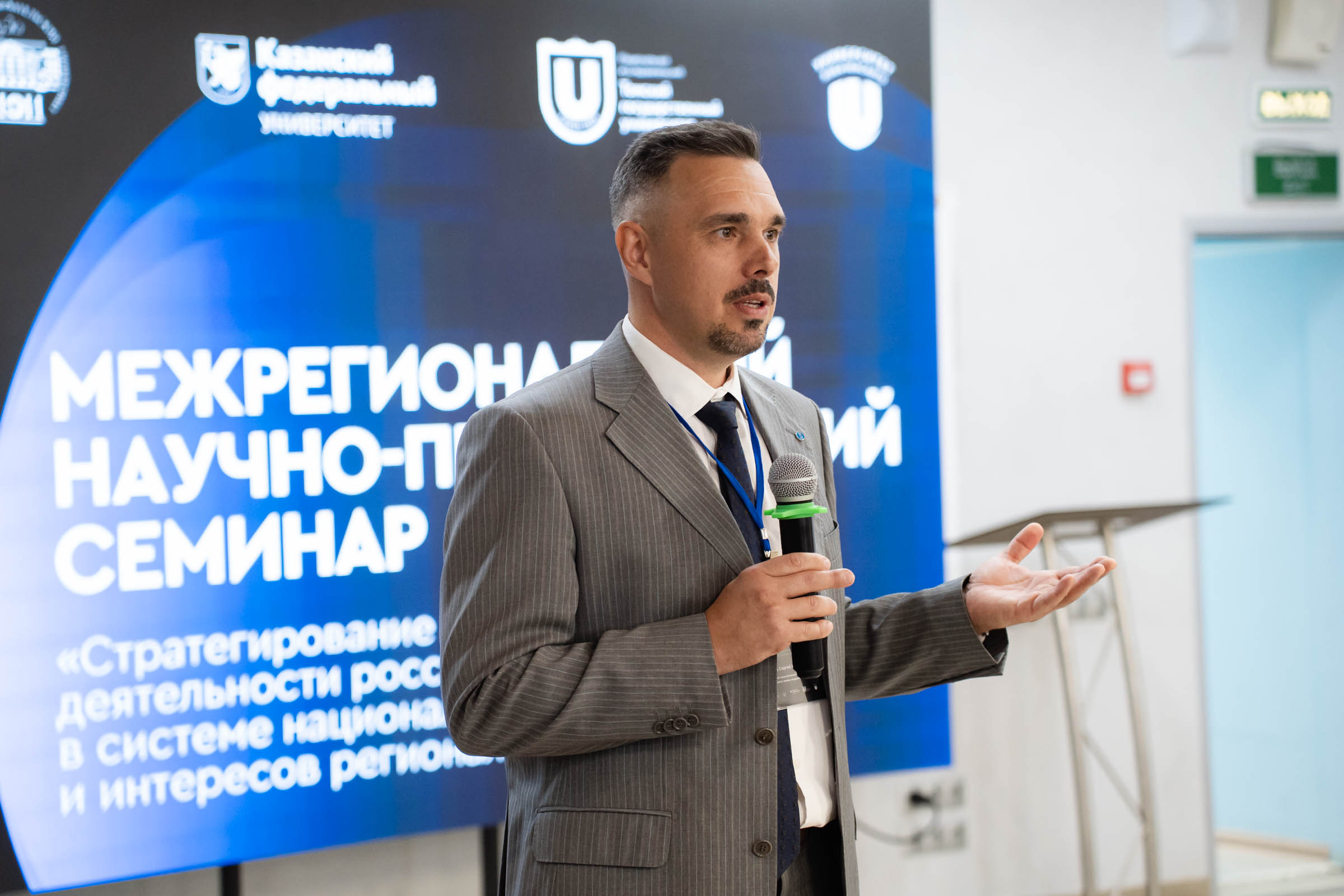
From September 4 to 6, the III Interregional Scientific and Practical Seminar "Strategizing the International Activities of Russian Universities within the System of National Priorities and Regional Development Interests" took place at Samara National Research University. The central theme of the event was finding the optimal balance between openness and security in the international activities of higher education institutions.

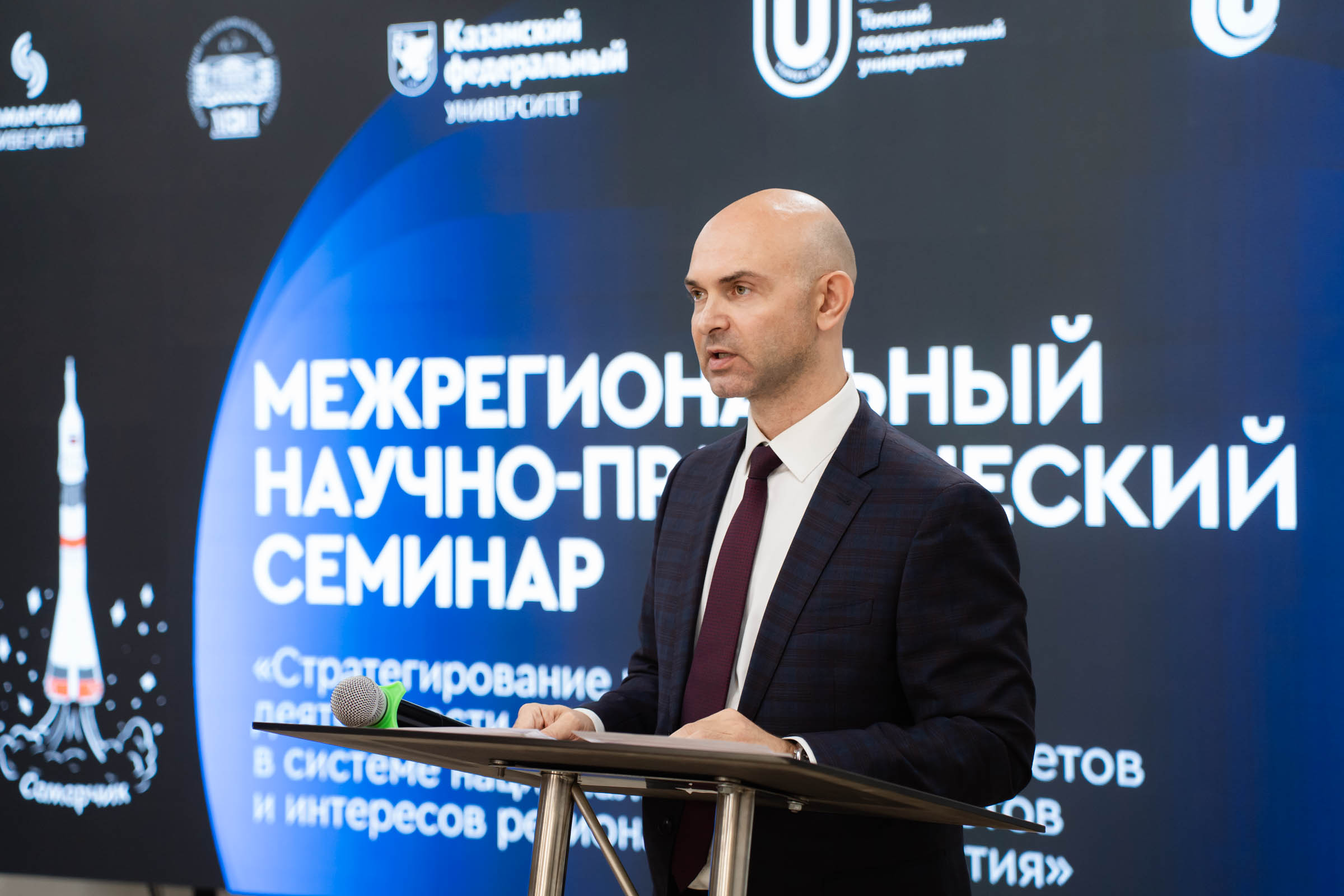
"I am convinced that this topic will allow us to address the critically important aspects of transforming the international activities of universities, as well as to develop practical solutions that align with national interests and new global challenges," noted Vladimir Bogatyrev, Rector of Samara University, in his welcoming address.
The Rector expressed special gratitude to Olga Molovtseva, Deputy Director of the Department of International Cooperation of the Russian Ministry of Science and Higher Education, and to Denis Safarov, Head of the Migration Department of the Main Directorate of the Ministry of Internal Affairs of Russia for the Samara Region. Their expertise and professional perspectives were deemed crucial for a comprehensive discussion of the complex issues raised at the seminar.
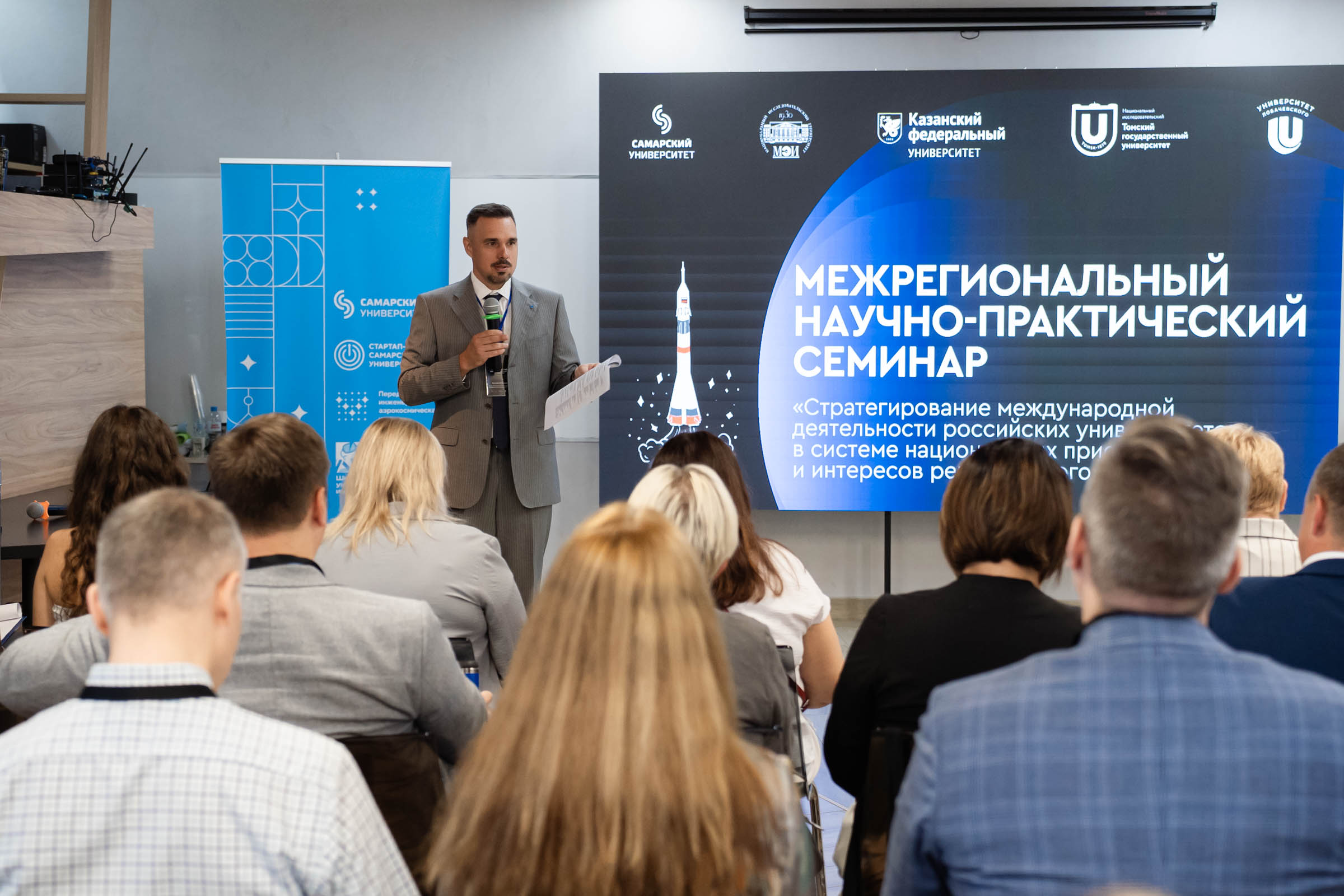
"In the 2000s, we thought more about openness and discussed how to integrate Russian universities into the international scientific and educational space. Today, we are increasingly faced with security issues. This includes both the personal security of our staff on business trips abroad and state security at the highest level, because our universities often work with critical technologies that are vital for the development of our country," emphasized Sergey Tits, Head of the International Activities Department at Samara University, as he opened the seminar.
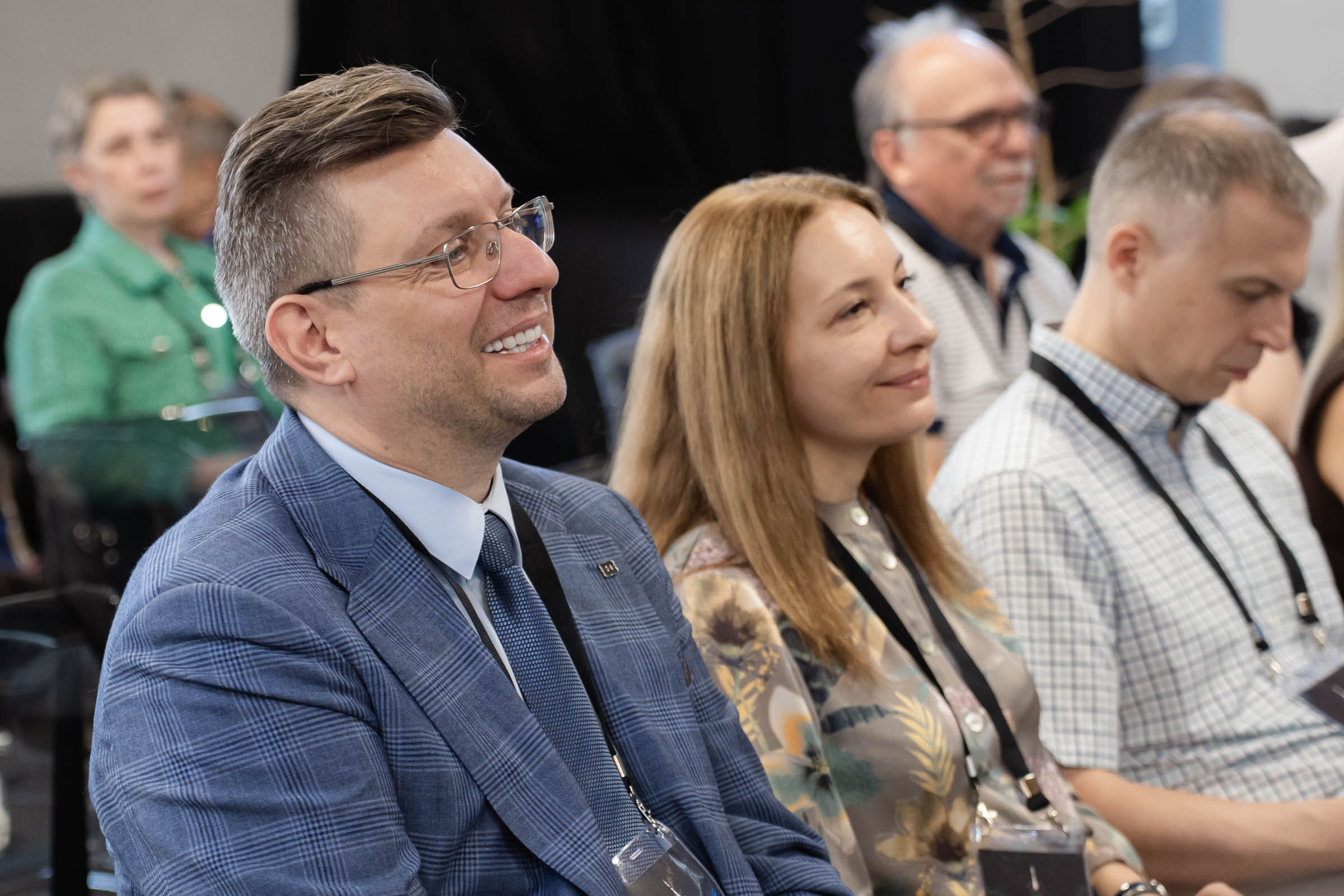
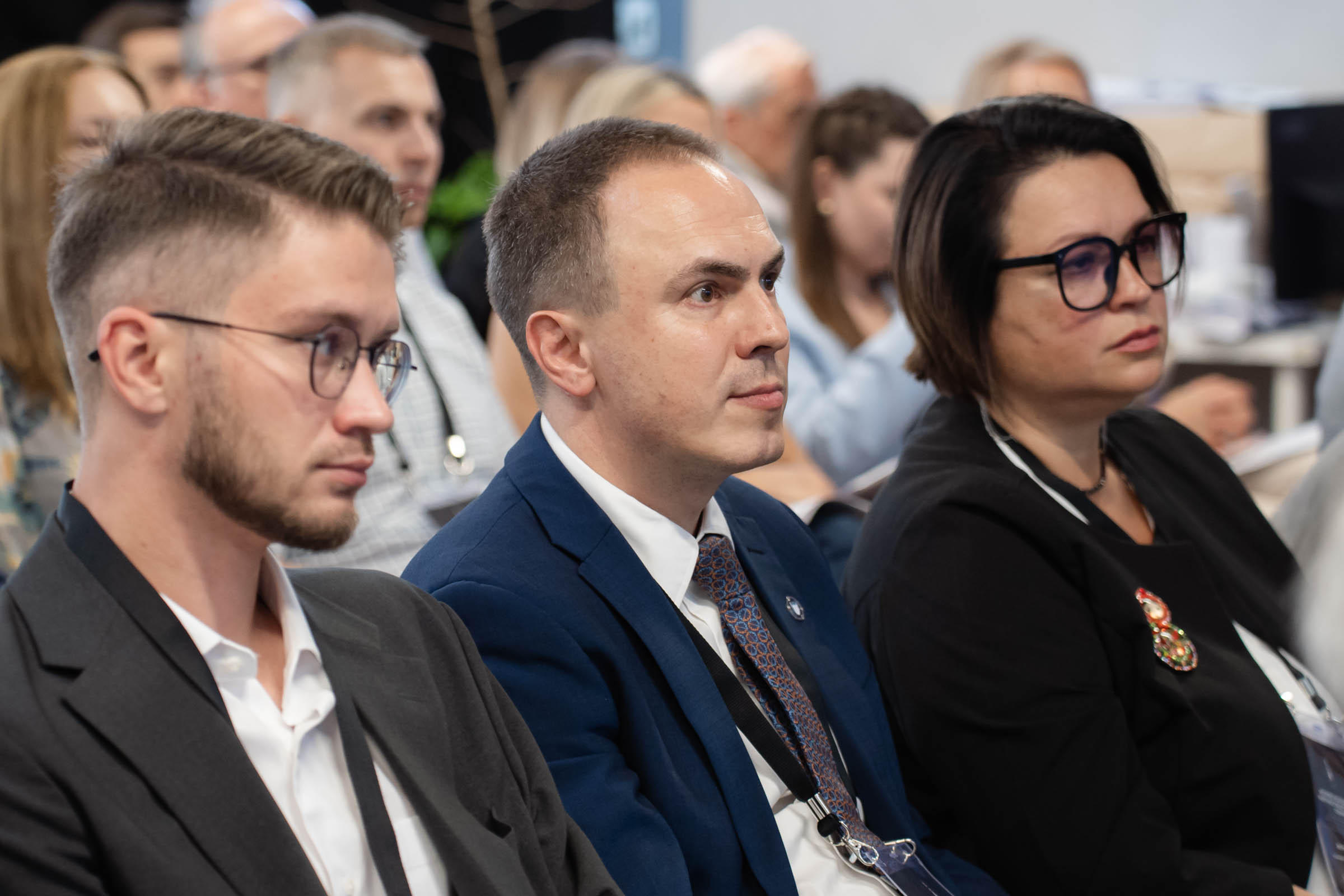
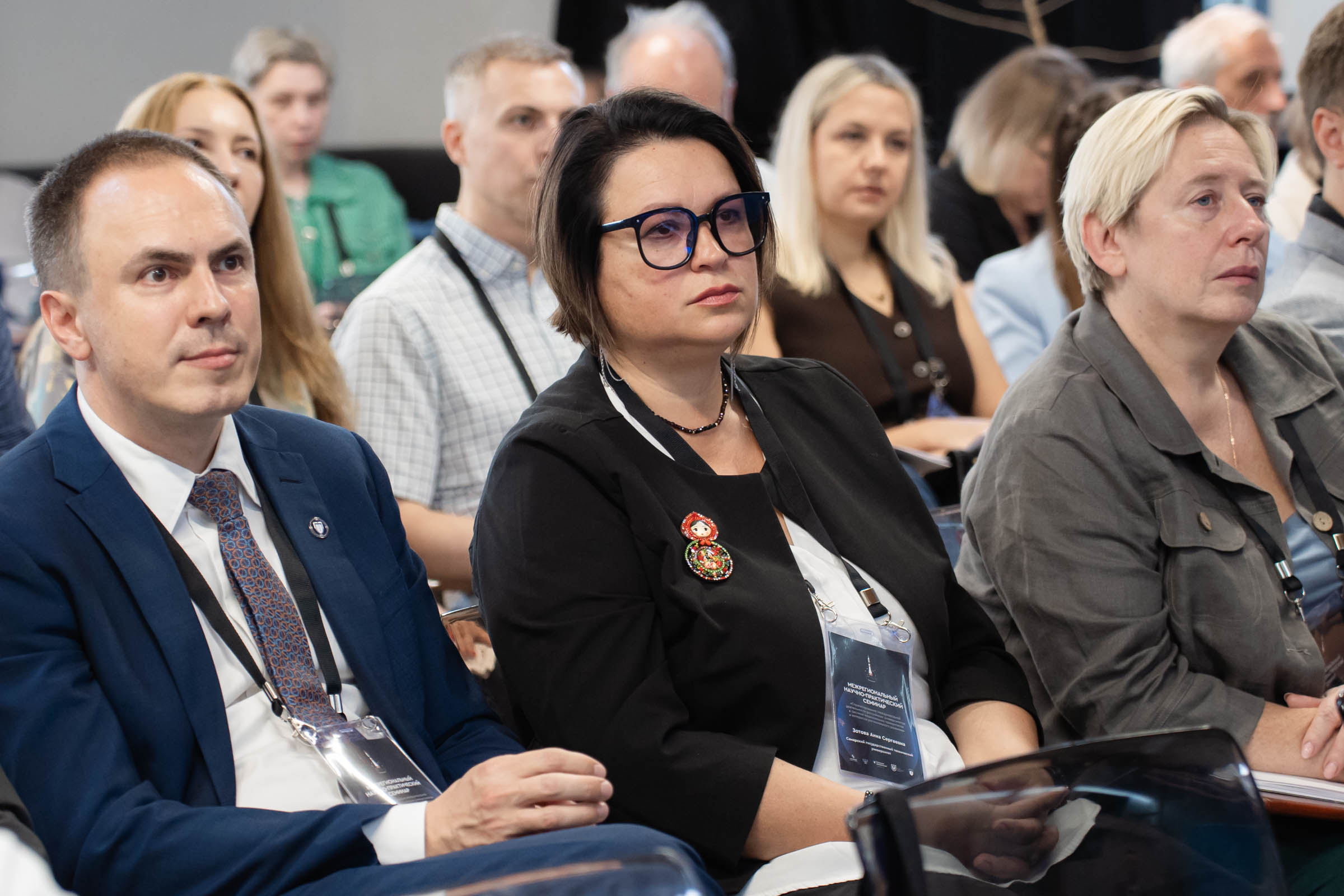
This year, the circle of seminar participants has significantly expanded. Over 50 representatives from leading universities in Moscow, Irkutsk, Kazan, Lipetsk, Nizhny Novgorod, Orenburg, Rostov-on-Don, St. Petersburg, Tomsk, Tyumen, and other cities took part. The attendees also included 15 invited experts from the Russian Ministry of Science and Higher Education, regional authorities, universities, and scientific organizations.
As Sergey Tits noted, both the analysis of the current situation and the practical recommendations developed at the seminar draw upon the 30-year experience of the expert community in the field of international university activities, including the experts who traveled to Samara for this event. For the first time this year, the seminar's platform served as the base for an expert session organized by the Departments of State Policy in Higher Education and International Cooperation of the Russian Ministry of Science and Higher Education.
Samara University traditionally organizes this seminar with the support and direct participation of the National Research University "MPEI", Kazan Federal University, Lobachevsky State University of Nizhny Novgorod, and Tomsk State University.
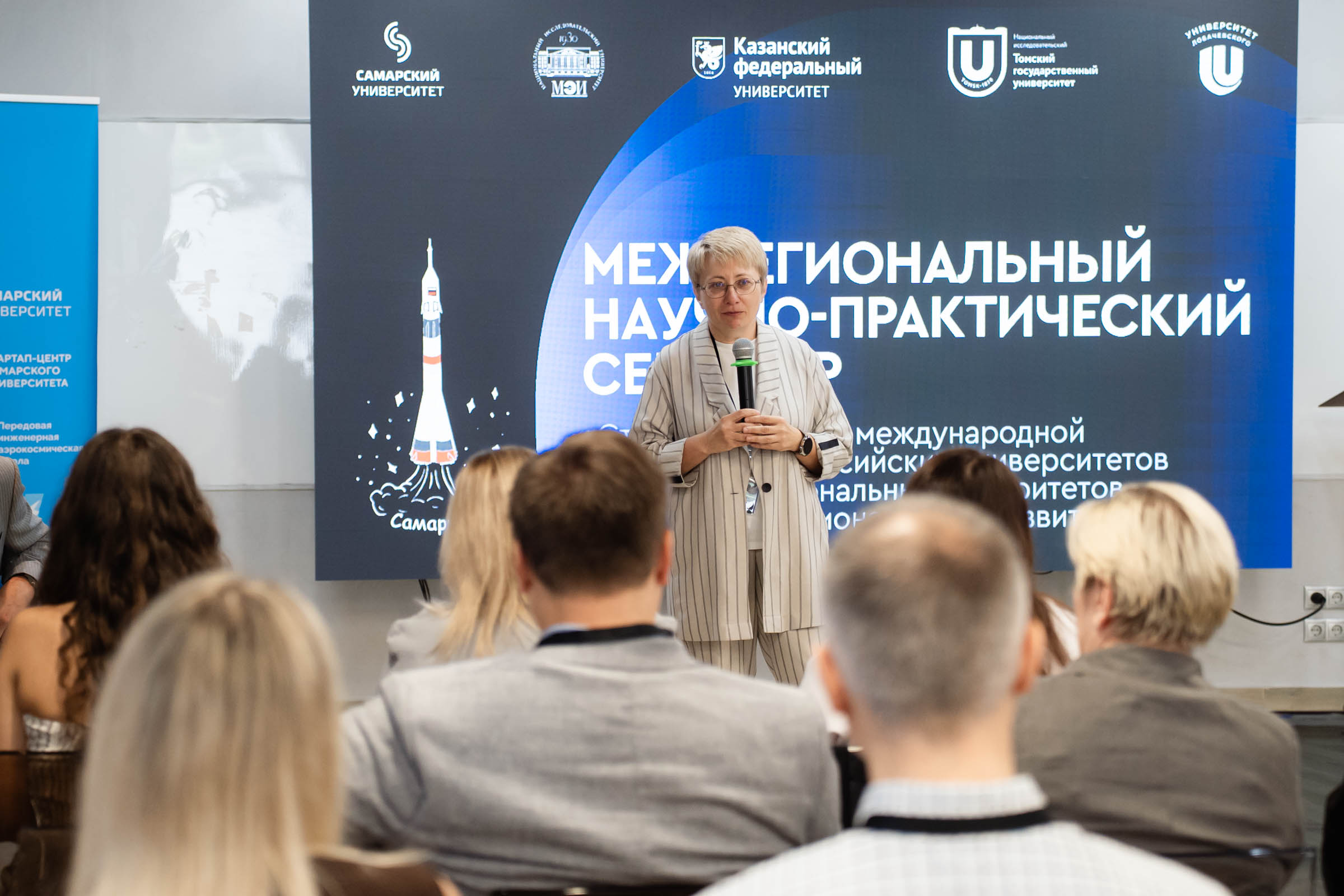
Opening the discussion, Victoria Bolgova, Vice-Rector of Samara University, expressed gratitude to the partner universities that traditionally participate directly in organizing the seminar, and drew attention to the new challenges facing universities in their international activities.
"We are finding non-standard answers to very complex questions, we are ready to share our experience, and we invite everyone to an open dialogue for our mutual benefit. We sincerely hope that as a result of this seminar, participants will acquire concrete tools both for solving everyday tasks and for building long-term strategies for the development of international activities," noted Victoria Bolgova.
She also announced that Samara University is preparing a draft of a new international activities strategy and proposed a joint discussion of these developments, as well as the role of the international dimension within the overall university strategies.
One of the core principles of the seminar is its practical focus. For over an hour, participants discussed the most pressing issues of daily operations with Police Colonel Denis Safarov. Recent changes in migration legislation were analyzed, along with a number of non-standard situations that arise in the practice of university departments managing international activities.
The monitoring and legal support of international students' stay in Russia, the role of network effects in attracting foreign citizens to Russian universities and the specifics of their admission for the 2027/28 academic year, the development of joint educational programs, and the training of faculty for international educational programs—these were just some of the practical topics discussed at the seminar.
The scientific aspects of international activities were also given close attention. In particular, a joint presentation by Stepan Bykov, Vice-Rector for International Activities at Irkutsk National Research Technical University, and Klimentiy Batoroev, Senior Lecturer at the Baikal BRICS Institute of Irkutsk Polytechnic, sparked a lively discussion. The experts analyzed international experience in the implementation of migration policies by universities and how this experience could be applied within the Russian context.
The three-day seminar program included traditional presentation discussions, open-mic debates, and informal exchanges of practical experience. Concrete proposals were formulated to improve the regulatory and legal framework governing the international activities of educational institutions.
As Sergey Tits announced, following the seminar, a collection of the presented papers and other scientific and practical materials will be published.
