


Engineers at Samara University have developed and built a state-of-the-art test complex designed to evaluate small-scale gas turbine engines (SGTEs) under extreme climatic and high-altitude conditions. The installation can simulate dramatic shifts in temperature and atmospheric pressure, as well as replicate real-world hazards such as rain, snow, ice fragments—and even full-sized icicles—entering the engine during flight.
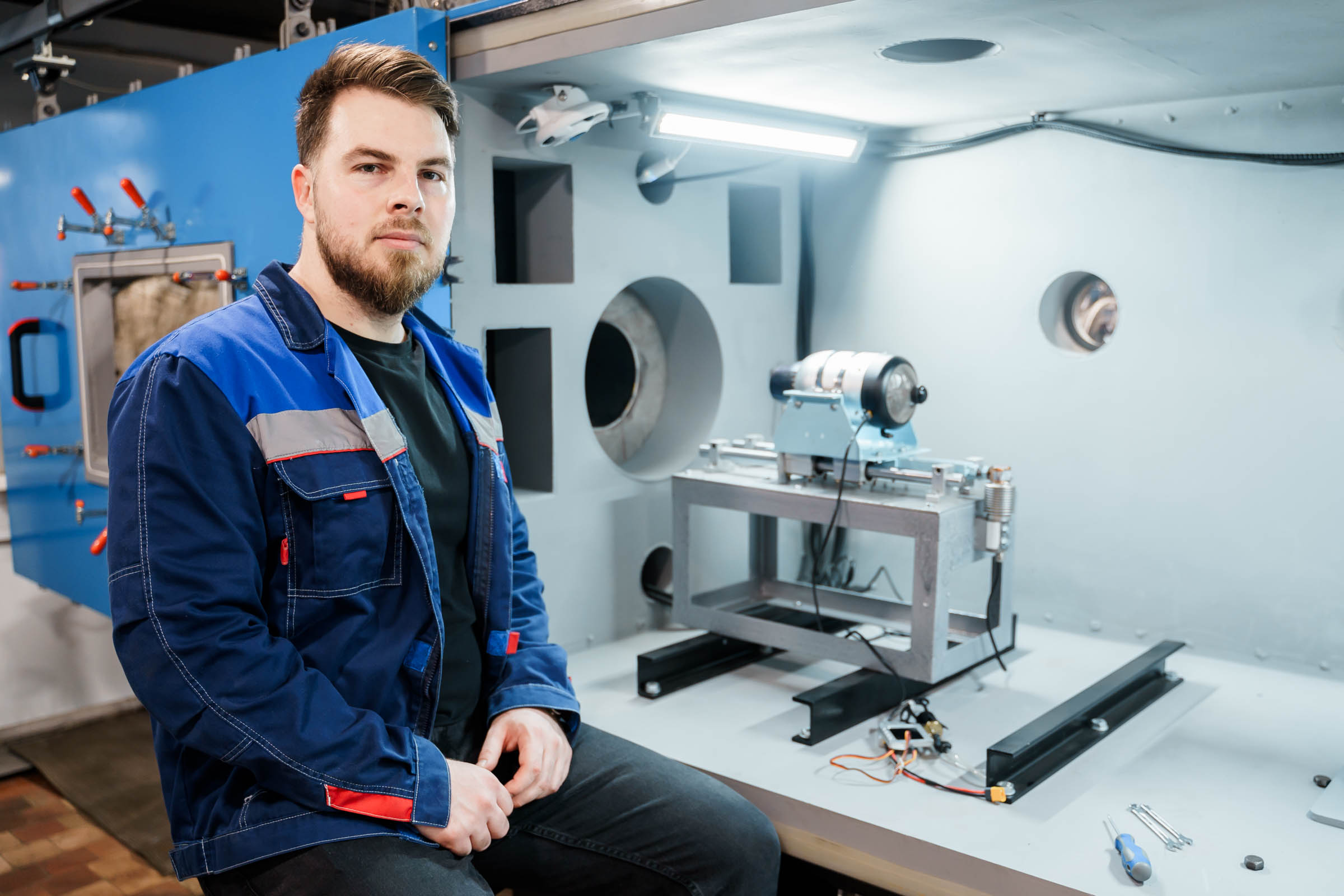
Developed at the university’s Youth Research Laboratory “Power Plants,” the project was funded through the Advanced Aerospace Engineering School and the federal “Priority 2030” Strategic Academic Leadership Program. Industrial partners have already placed their first orders to test their products on this new facility.
“This test rig simulates the most challenging flight environments for engines,” explains Yevgeny Filinov, Senior Researcher at the “Power Plants” Laboratory. “It can recreate ambient temperatures ranging from –50°C to +50°C, and simulate the thin atmosphere encountered at altitudes up to 10 kilometers. While similar installations exist at major Russian aerospace research centers and engine manufacturing plants, they are typically designed for full-size, large-scale engines. What makes our complex unique is that it’s specifically engineered for small gas turbine engines used in light aircraft, unmanned aerial vehicles (UAVs), and compact power systems. Testing SGTEs involves distinct technical nuances that differ significantly from those of larger engines.”
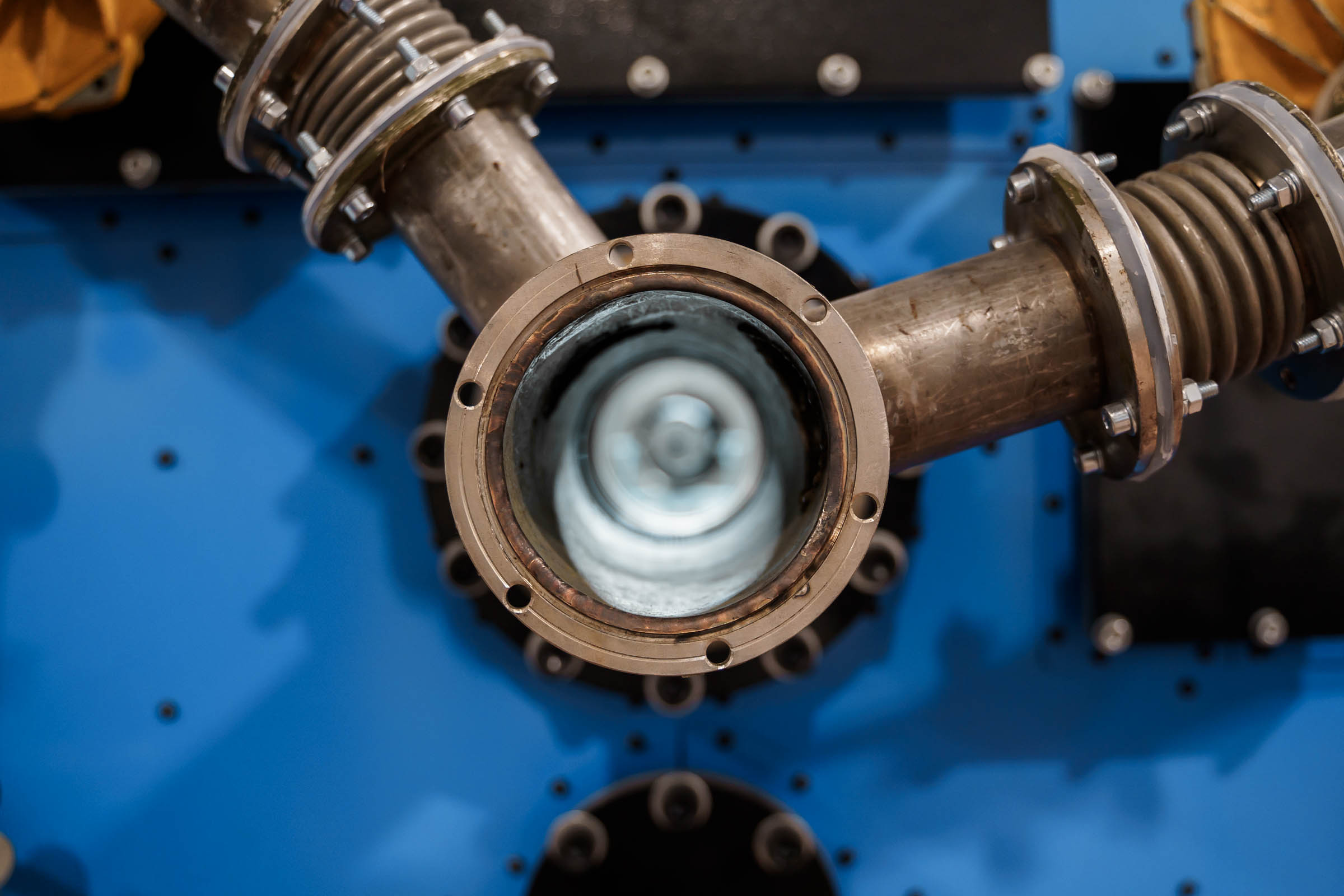
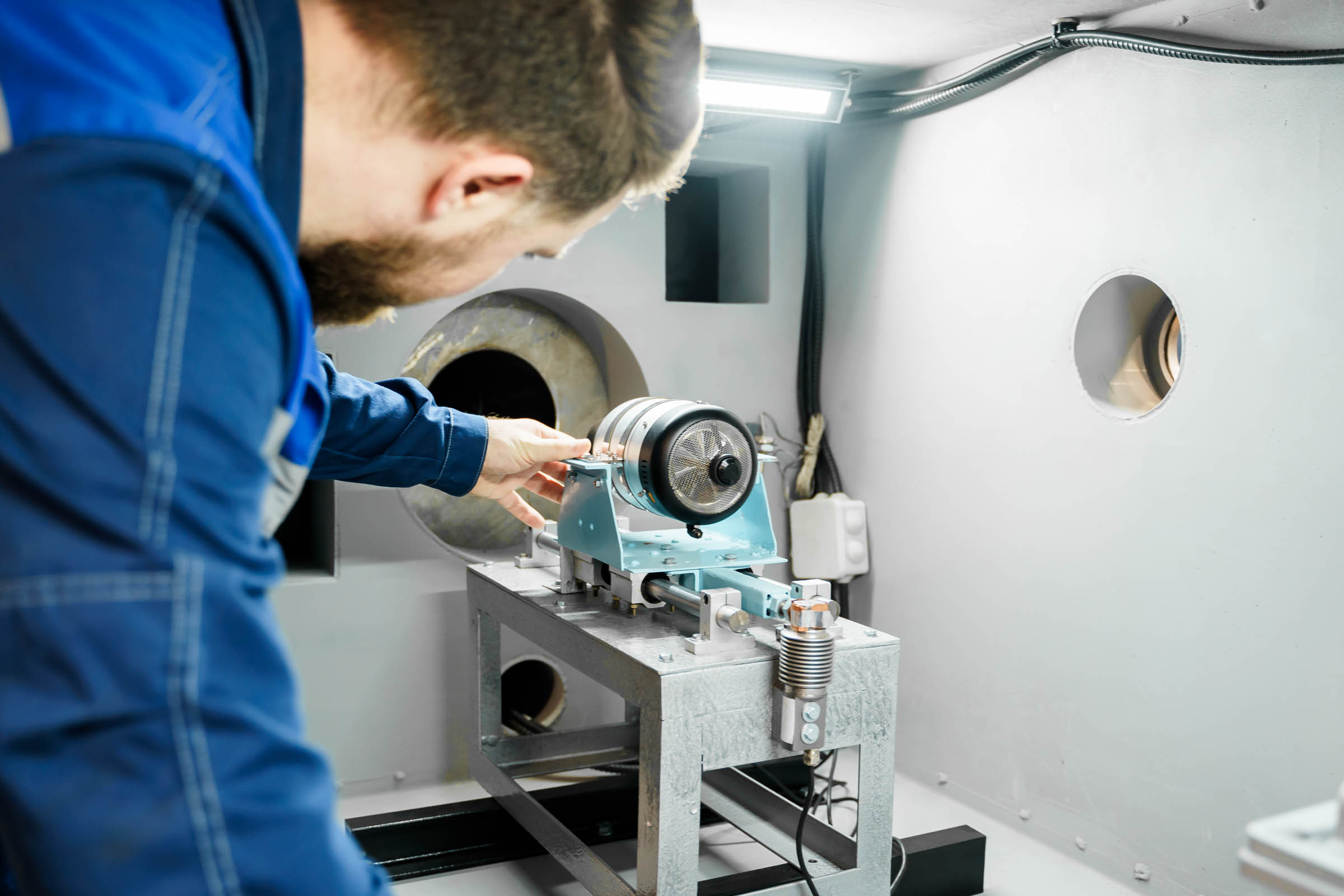
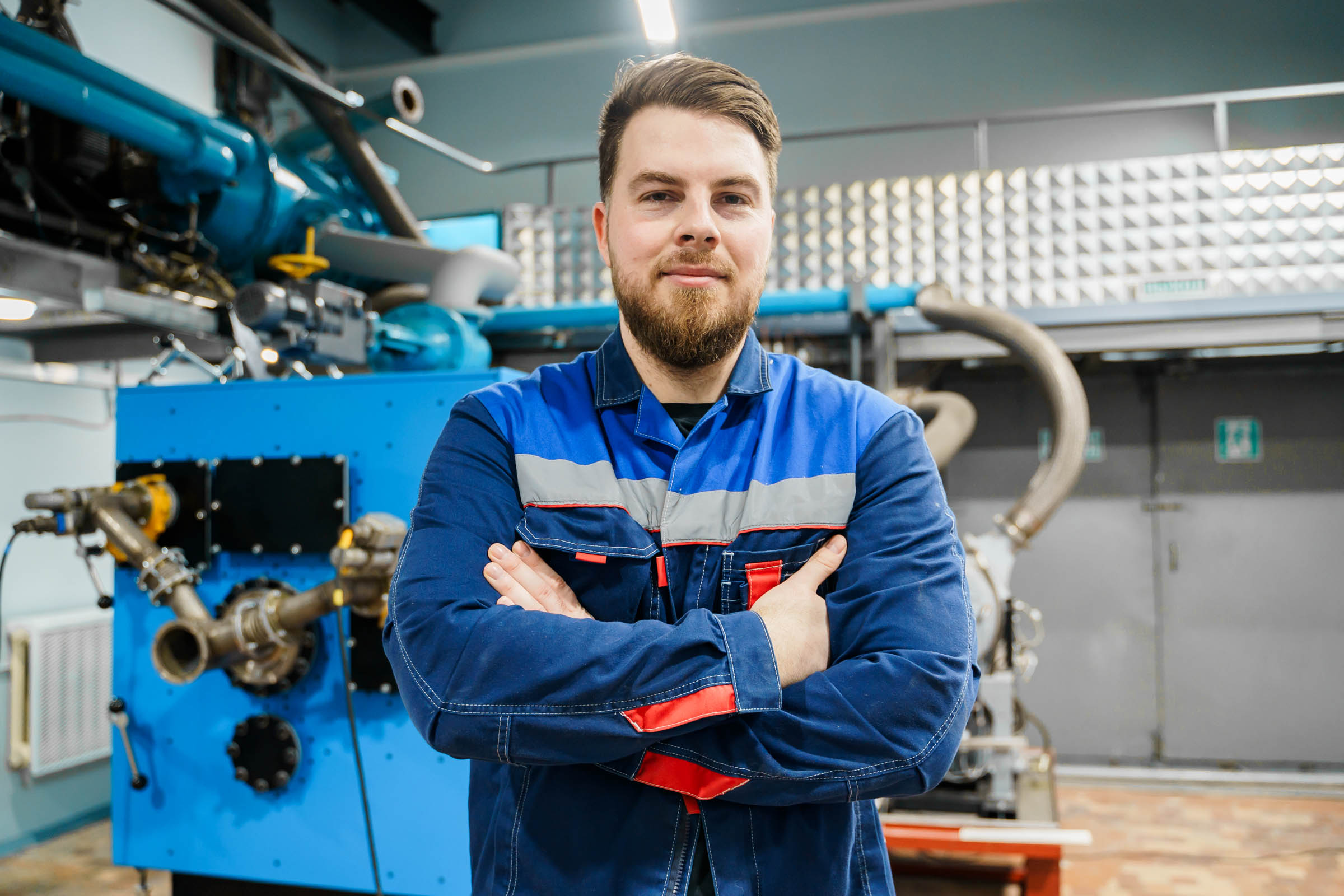
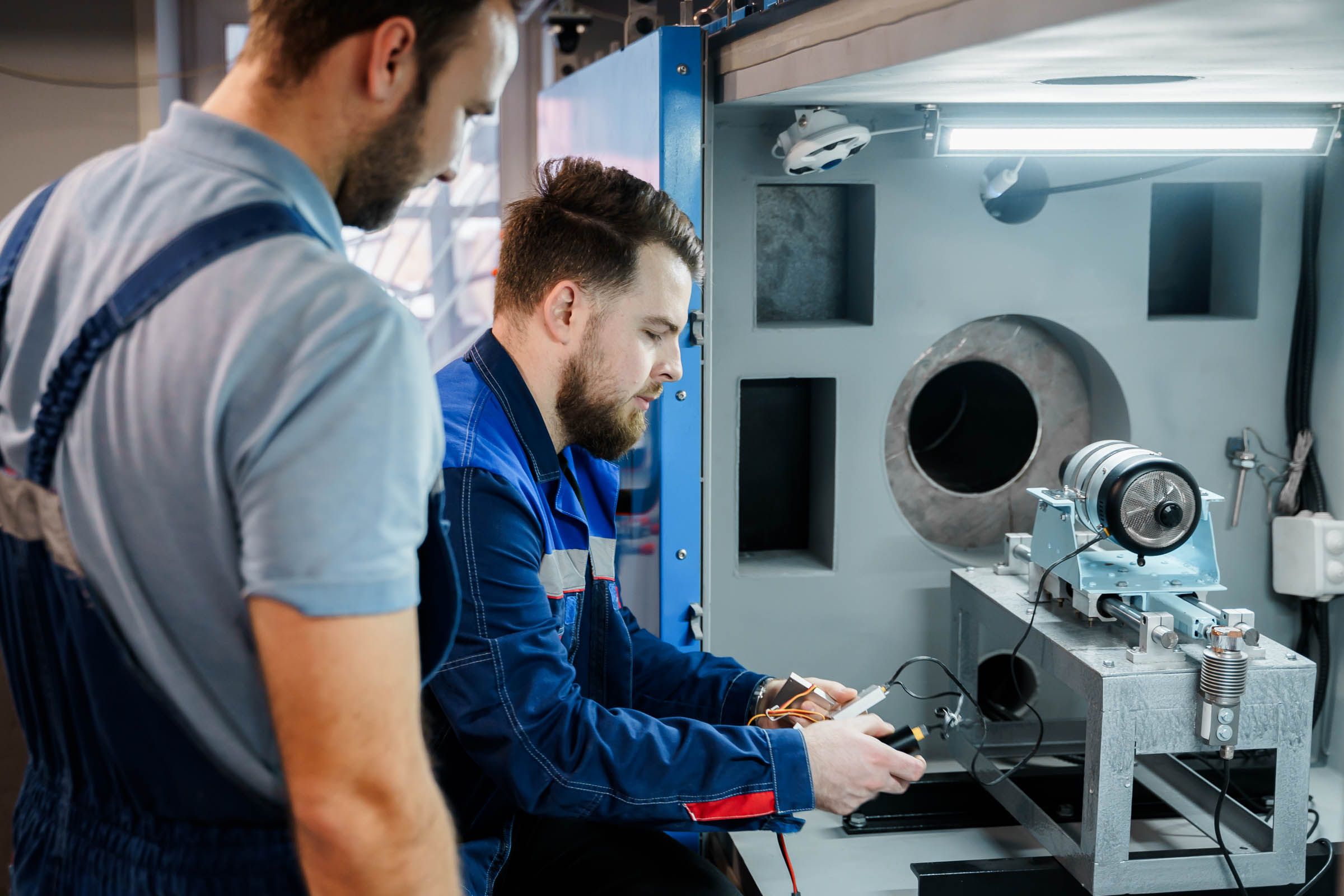
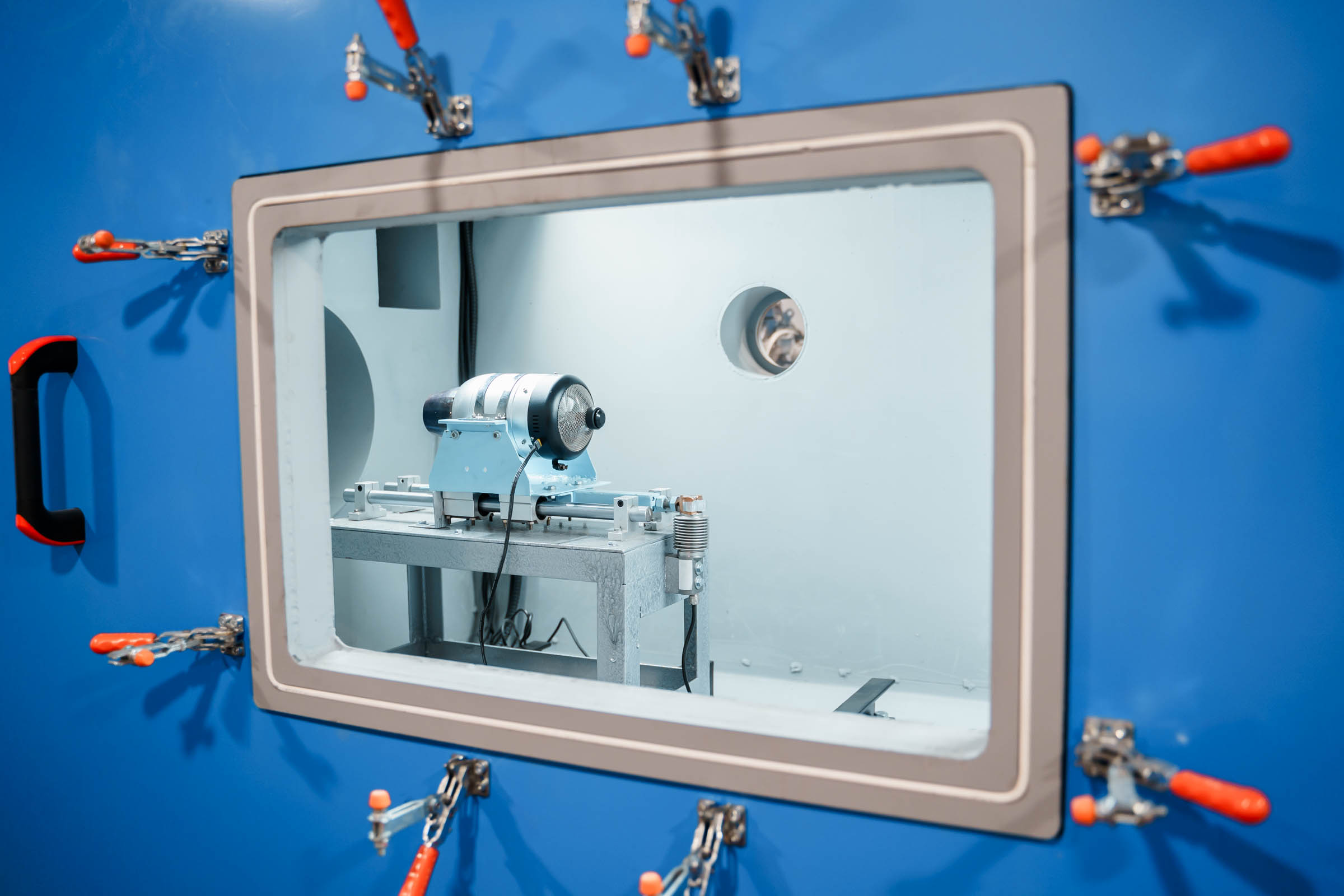
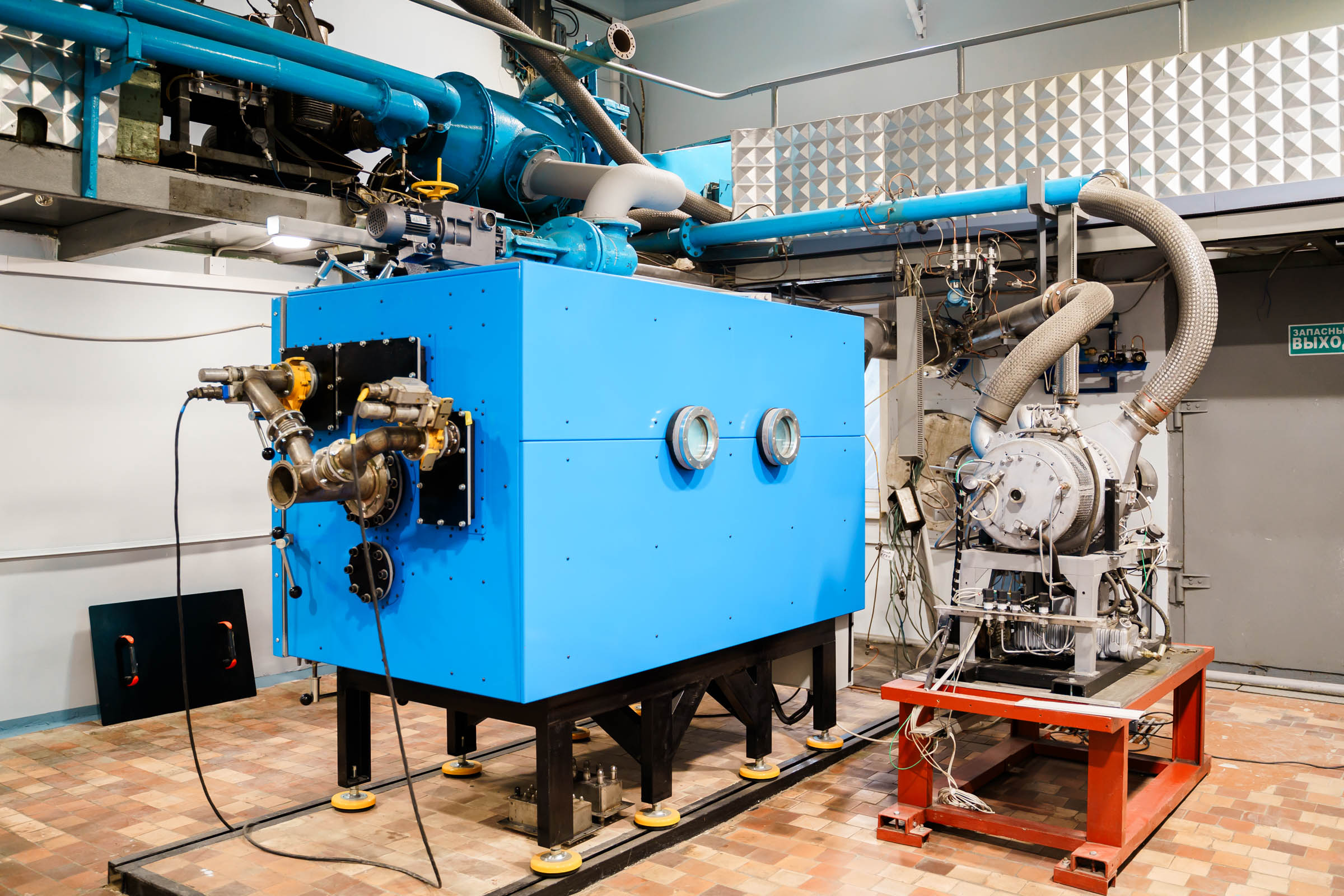
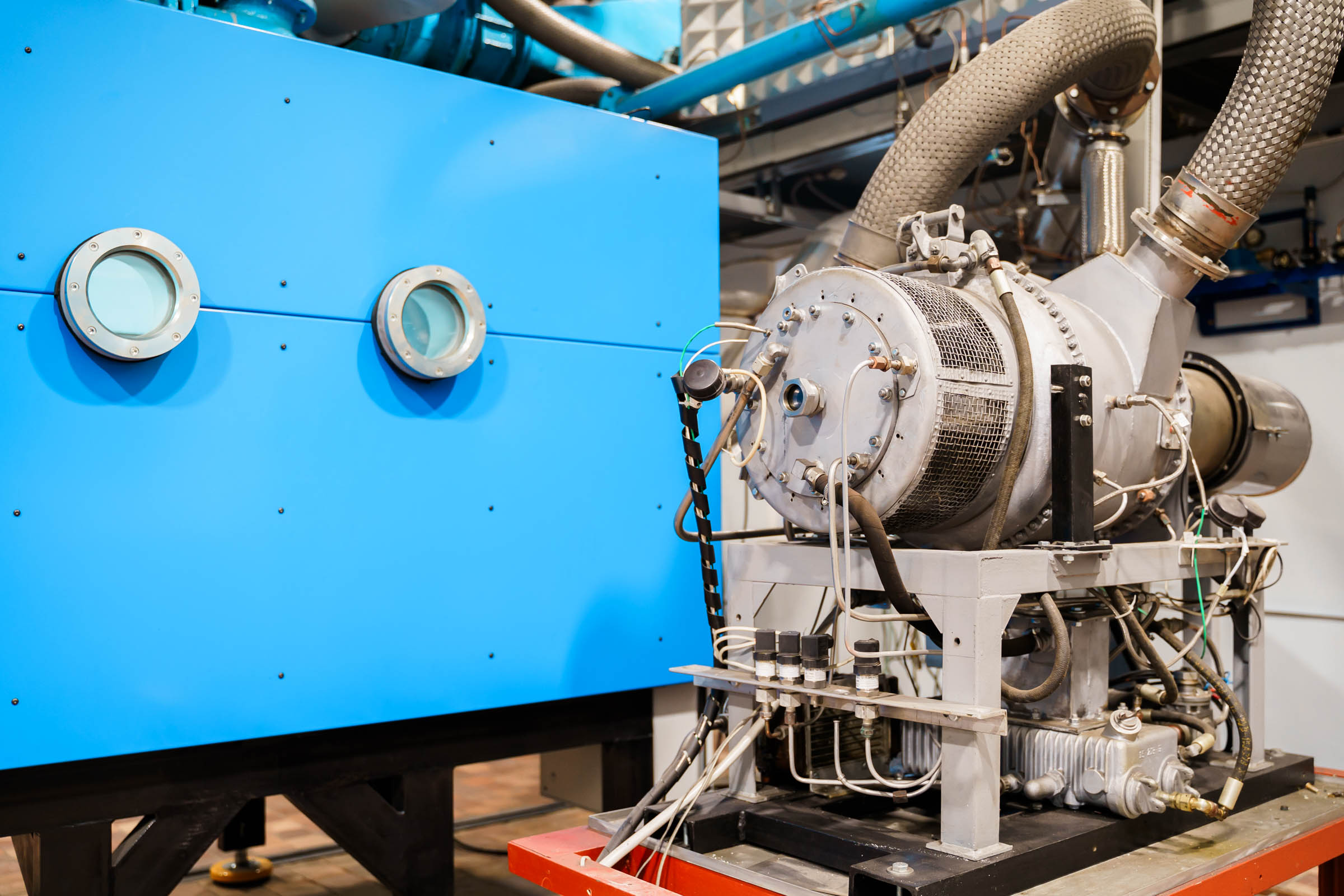
The rig is capable of testing engines with thrust up to 1,500 newtons. The internal thermo-barochamber—where the engine is mounted—measures 185 × 115 × 170 cm. Externally, the complex resembles a massive steel parallelepiped on legs, fitted with side viewports—almost like a bathyscaphe, albeit with sharp angles.
Crucially, the system allows engineers to test not only complete assembled engines but also individual components, offering greater flexibility during development and optimization. For instance, when testing just a combustion chamber—rather than an entire engine—the facility can simulate atmospheric conditions equivalent to 16 kilometers altitude, exceeding typical operational ceilings for UAVs.
“We can conduct a wide range of tests that mimic atmospheric conditions at various flight altitudes,” Filinov continues. “In theory, the rig isn’t limited to gas turbines—it can also accommodate piston engines, thanks to its flow-through design. We can assess how engine control systems withstand extreme cold, study fuel behavior at altitude—whether it ignites properly or freezes solid at –50°C—and determine if auxiliary fuel-heating systems are needed. We can also simulate precipitation: a specialized inlet device freezes water and then releases controlled amounts of snow, ice chips, or even icicles during ‘flight,’ allowing us to observe how the engine responds and measure any drop in performance caused by ice ingestion.”
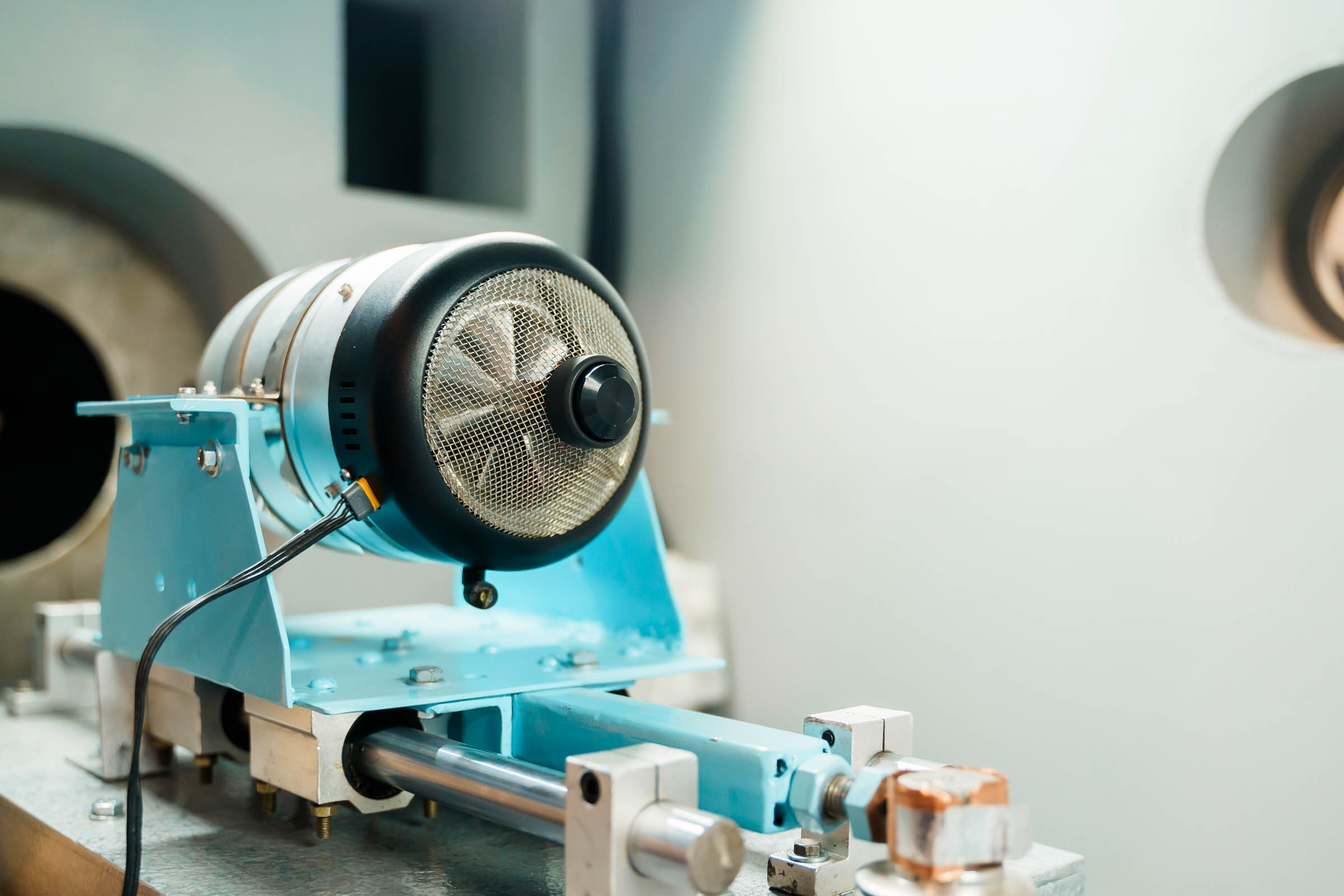
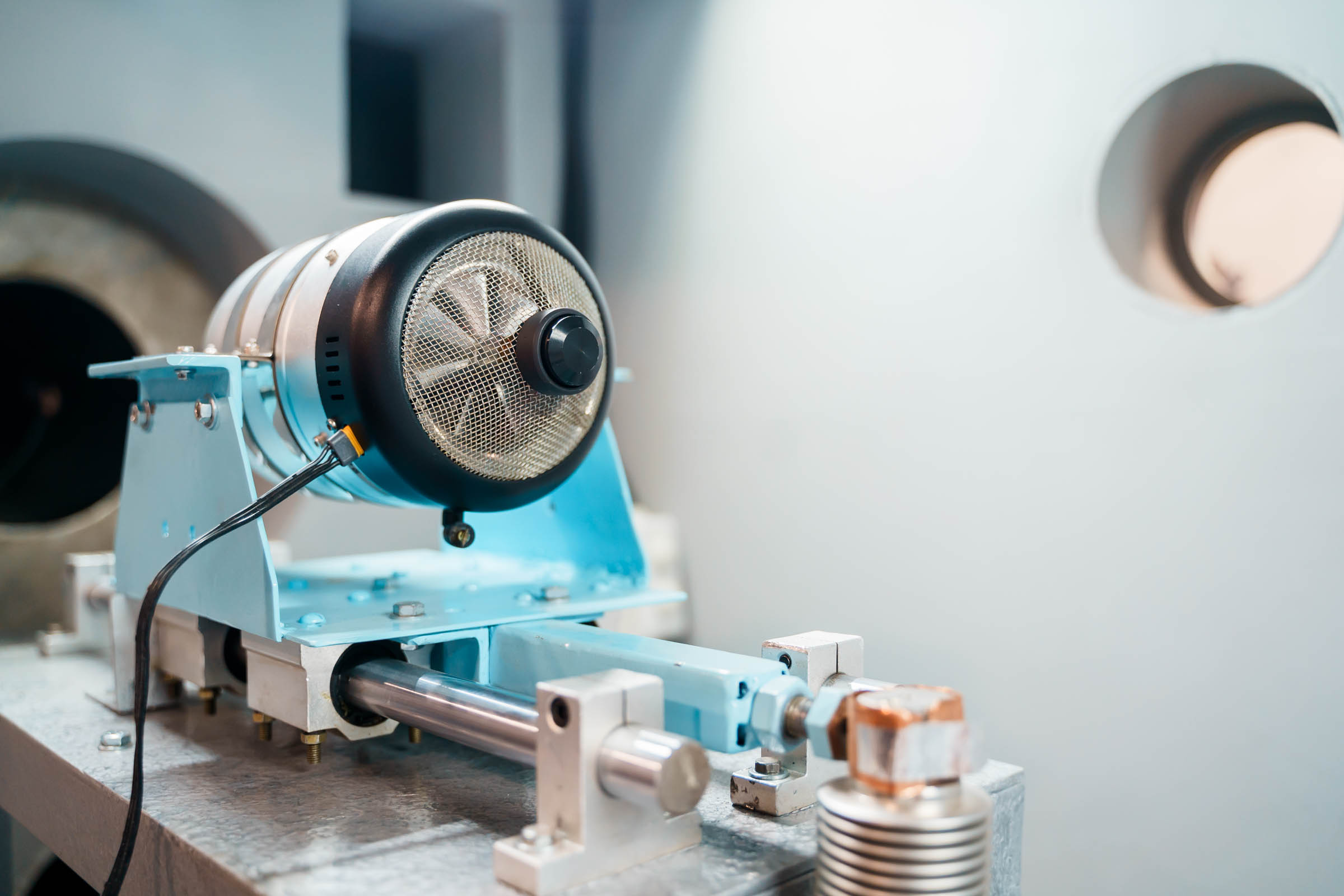
The test complex is now fully operational and is currently preparing for final validation trials of the university’s own “Kolibri” (Hummingbird) micro gas turbine engine, which delivers up to 220 newtons of thrust. Compact and lightweight—just 30 cm long, 12 cm in diameter, and weighing only 2 kg—the Kolibri engine is designed as a building block for next-generation mobile power units and high-speed cargo UAVs powered by jet propulsion.
According to calculations, a small UAV equipped with this engine and a total takeoff weight of 45 kg could eventually reach speeds of up to 800 km/h and operate at altitudes as high as 9 km. In 2026, Samara University plans to produce the first pre-series batch of Kolibri engines—marking a significant step toward domestic innovation in compact propulsion technology.
