
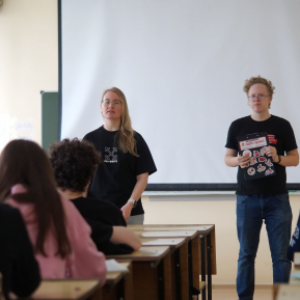
On March 27, Samara University campuses hosted a special outreach drive as part of the nationwide initiative “DNA of a United Country.” Organized with the support of specialists from the Kirov Research Institute of Hematology and Blood Transfusion and the Samara Regional Clinical Hospital for Specialized Medical Care, the event brought together students ready to join the Federal Bone Marrow Donor Registry (FBMDR)—offering hope and a chance at life to patients battling severe blood disorders.
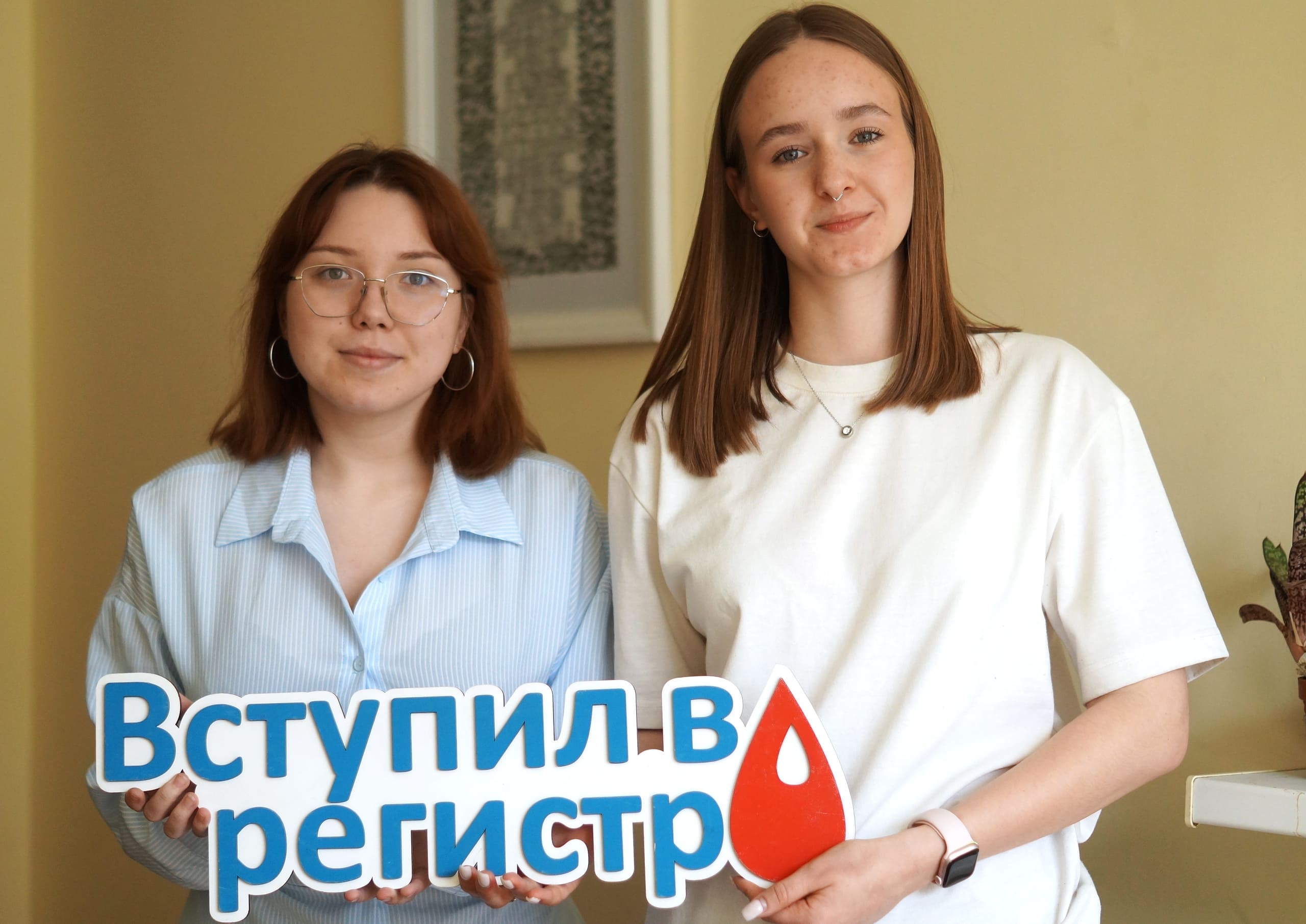
The third-floor lobby of Building 22 and the main conference hall foyer in Building 3 became hubs of compassion, drawing dozens of empathetic students eager to take part.
Participants not only completed registration forms and informed consent documents to submit their genetic profiles to the donor database but also received detailed, expert answers to pressing questions: How is a potential donor activated? What do modern cell collection procedures—apheresis and bone marrow aspiration—actually involve? Specialists took time to explain the critical importance of the registry while thoughtfully addressing common misconceptions and fears.
“More than ten donors at the Kirov Institute have already donated hematopoietic stem cells twice—each time to a different patient. That means one donor saved two lives,” shared Olga Soboleva, Specialist from the Donor Development Department at the Kirov Hematology Center, during her talk with students. “Such cases are rare but real. Across Russia, around 2,000 donors undergo stem cell collection procedures annually in various clinics.”
While mobile registration stations operated in the lobbies, we spoke with several students who had just signed up. They shared their motivations and reflections.
Why did you decide to become a bone marrow donor?
– “I want to help people.”
– “I’ve always wanted to be an altruistic person.”
Who or what influenced your decision?
– “My mom became a donor last year, so I wanted to follow her example.”
– “No one in my family has ever been a donor, but I’ve always dreamed of doing it—and now there’s such a convenient opportunity right here at university.”
What fears or doubts did you have before registering?
– “I was worried about the security of my personal data.”
– “I was nervous about how I’d feel during the DNA sample collection.”
The students admitted that beyond their desire to help, what truly encouraged them was the accessible, on-campus format of the “DNA of a United Country” campaign—complete with class exemptions and thorough consultations from medical professionals.
It’s worth noting that Samara University has a long-standing tradition of organizing donor drives, including efforts to expand the FBMDR. To date, over 20 students and staff members are already listed as potential hematopoietic stem cell donors. Thanks to this latest “Join the Registry” event, 112 more individuals have now submitted their HLA-typing samples and will await potential matches.
Any Russian citizen aged 18 or older can join the registry. The organizers extend their heartfelt gratitude to everyone who responded—and took a meaningful step toward saving lives.
Text by Yana Kolotova, ID 5471-450301D
Photo by E. Maslennikova, Blood Service
