

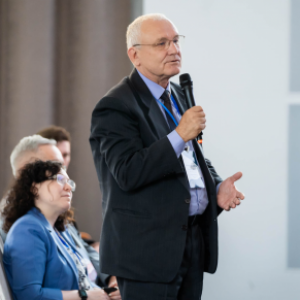
The VI International Conference "Physics and Chemistry of Combustion and Processes in Extreme Environments" (ComPhysChem'26) has concluded at Samara National Research University. The event was co-organized by the University, the Lebedev Physical Institute of the Russian Academy of Sciences (LPI RAS), and the Russian Section of the International Combustion Institute. The Organizing Committee was chaired by Valery Azyazov, Director of the Samara Branch of LPI RAS (SF LPI) and Head of the Department of Optics and Spectroscopy at Samara University.
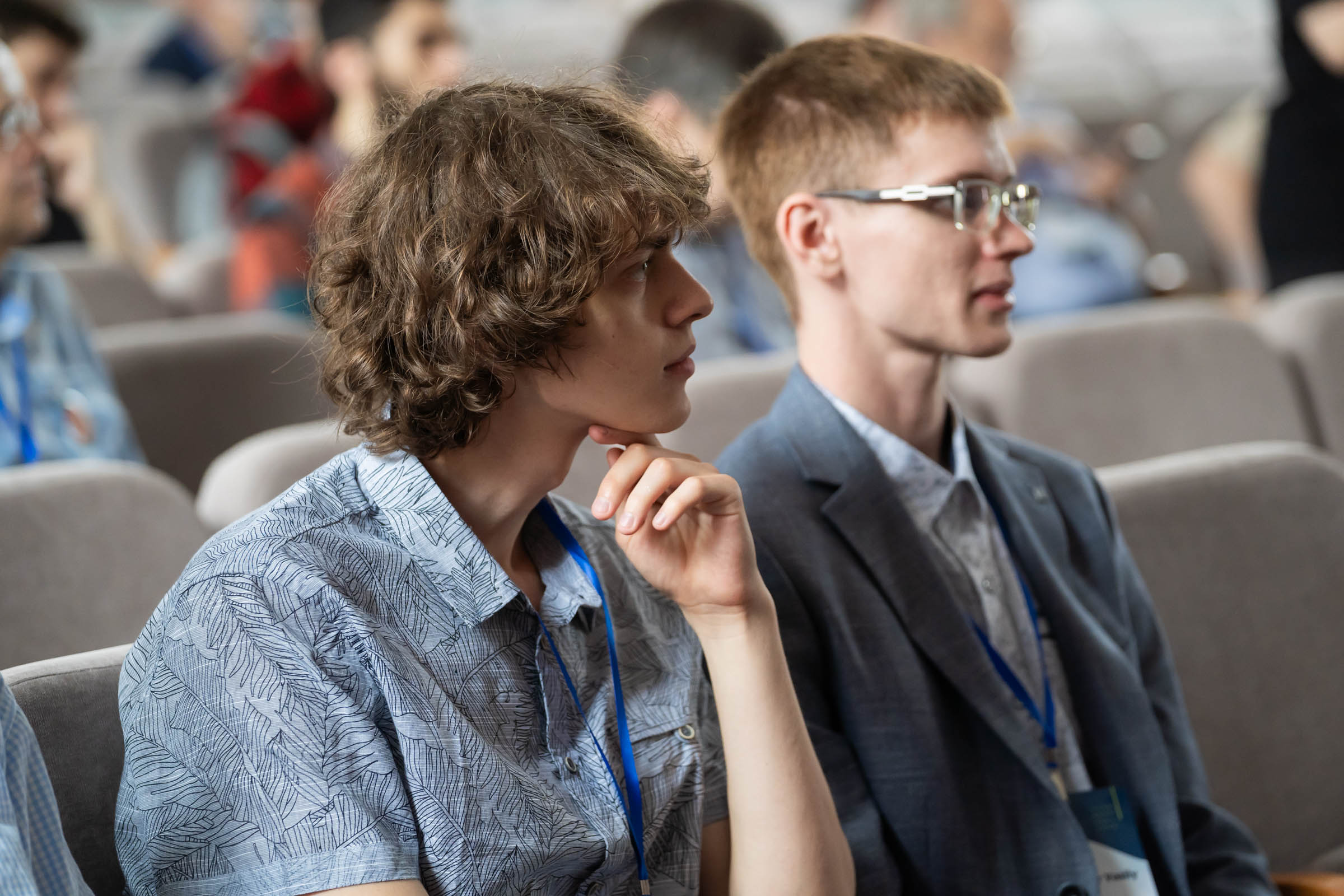
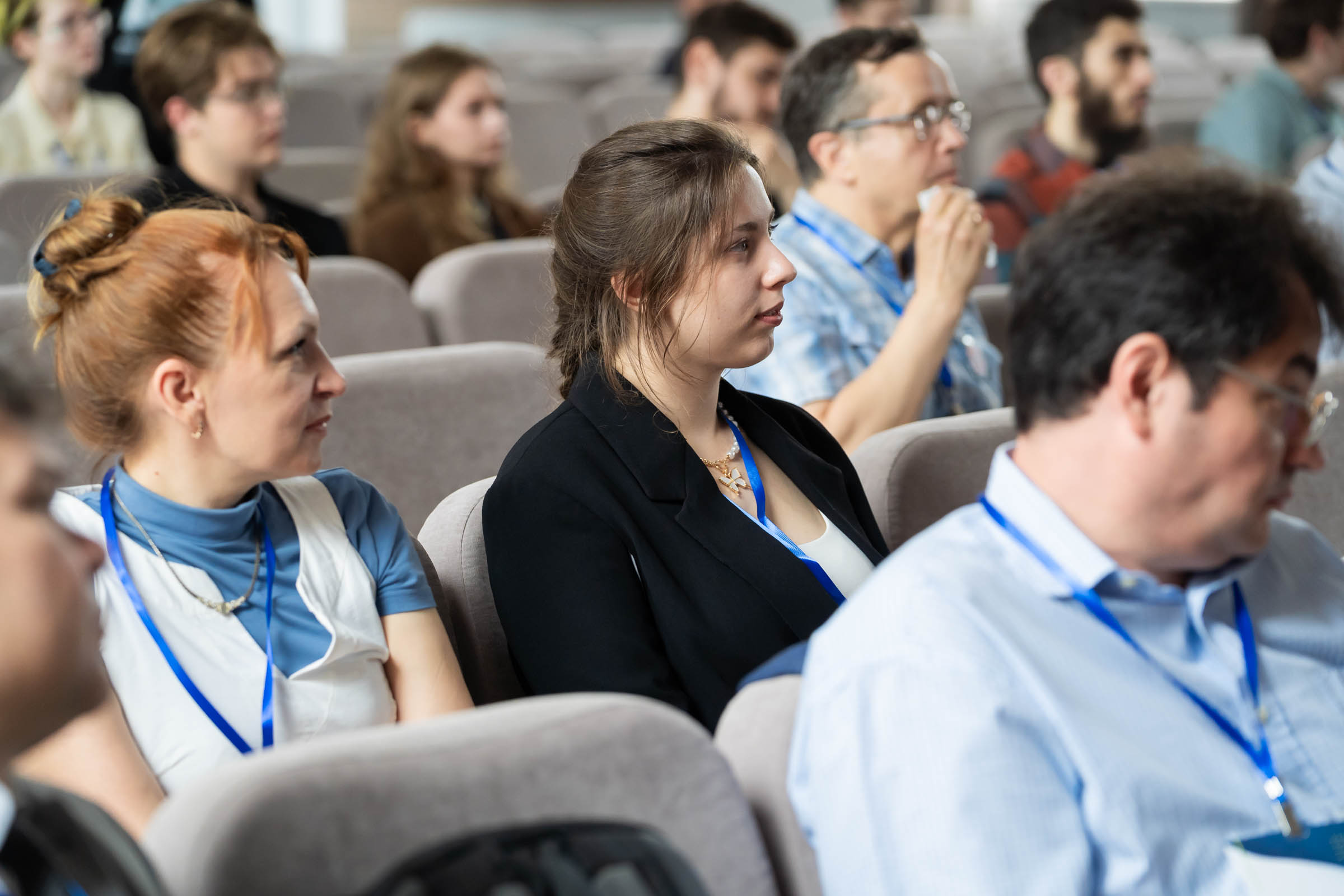
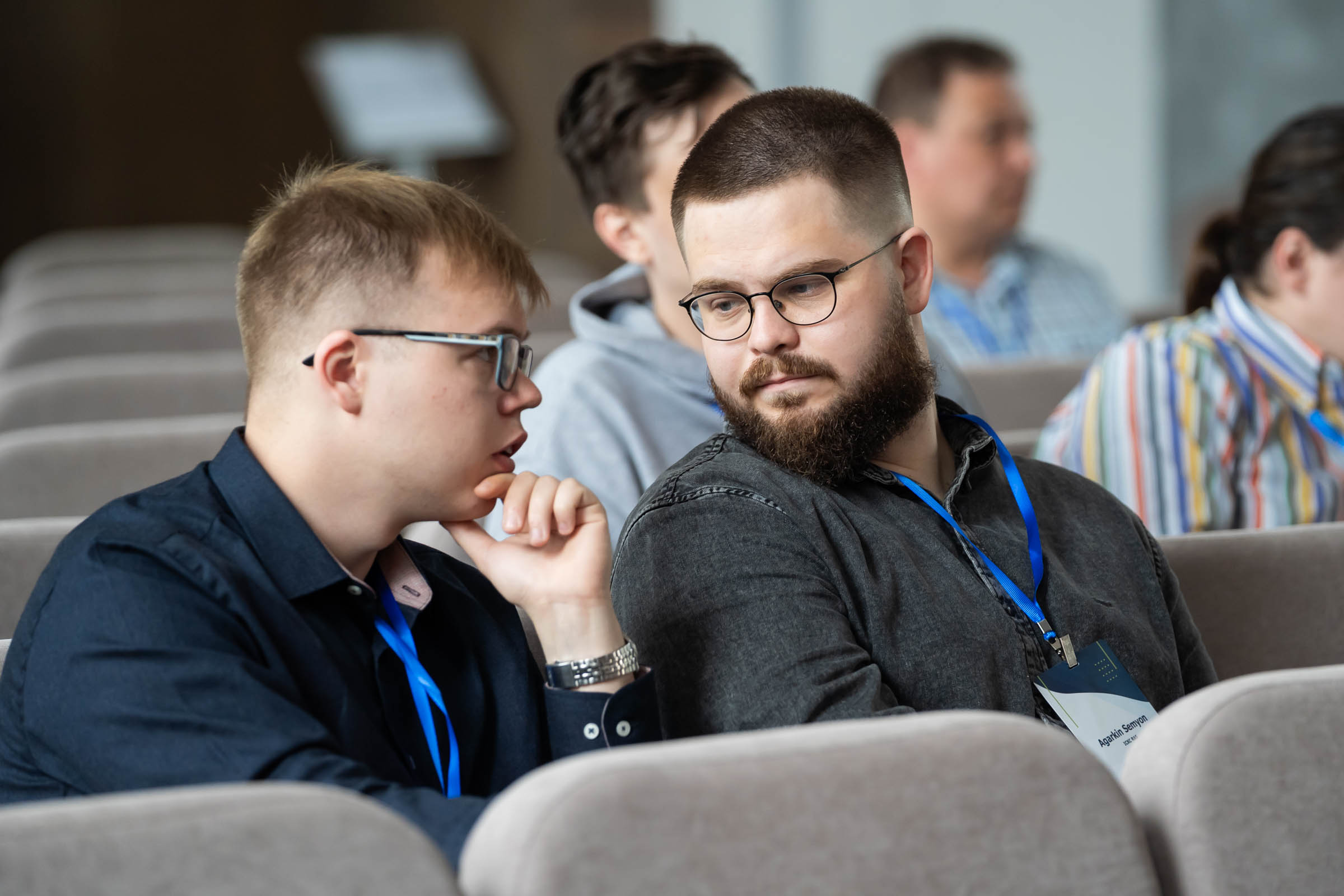
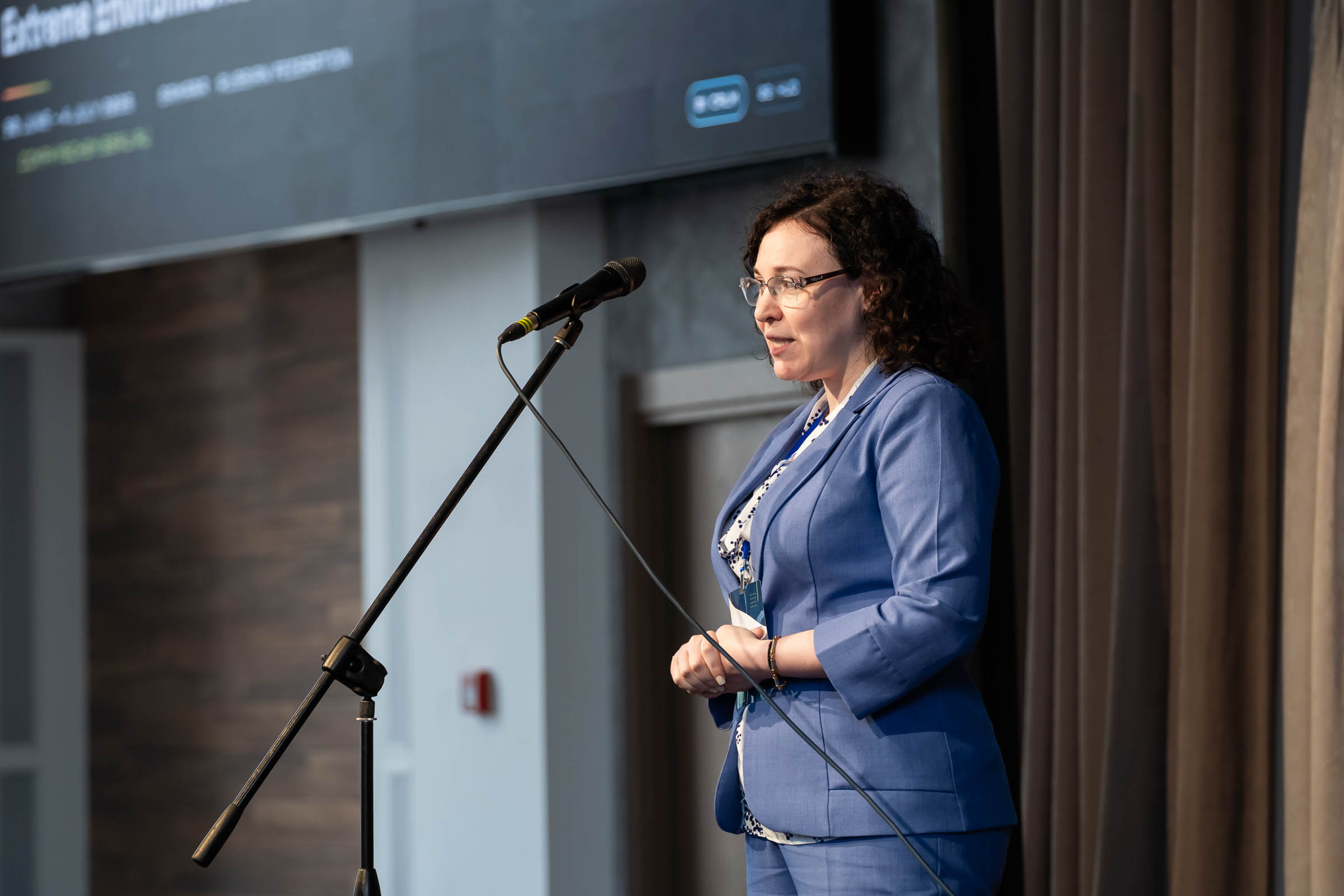
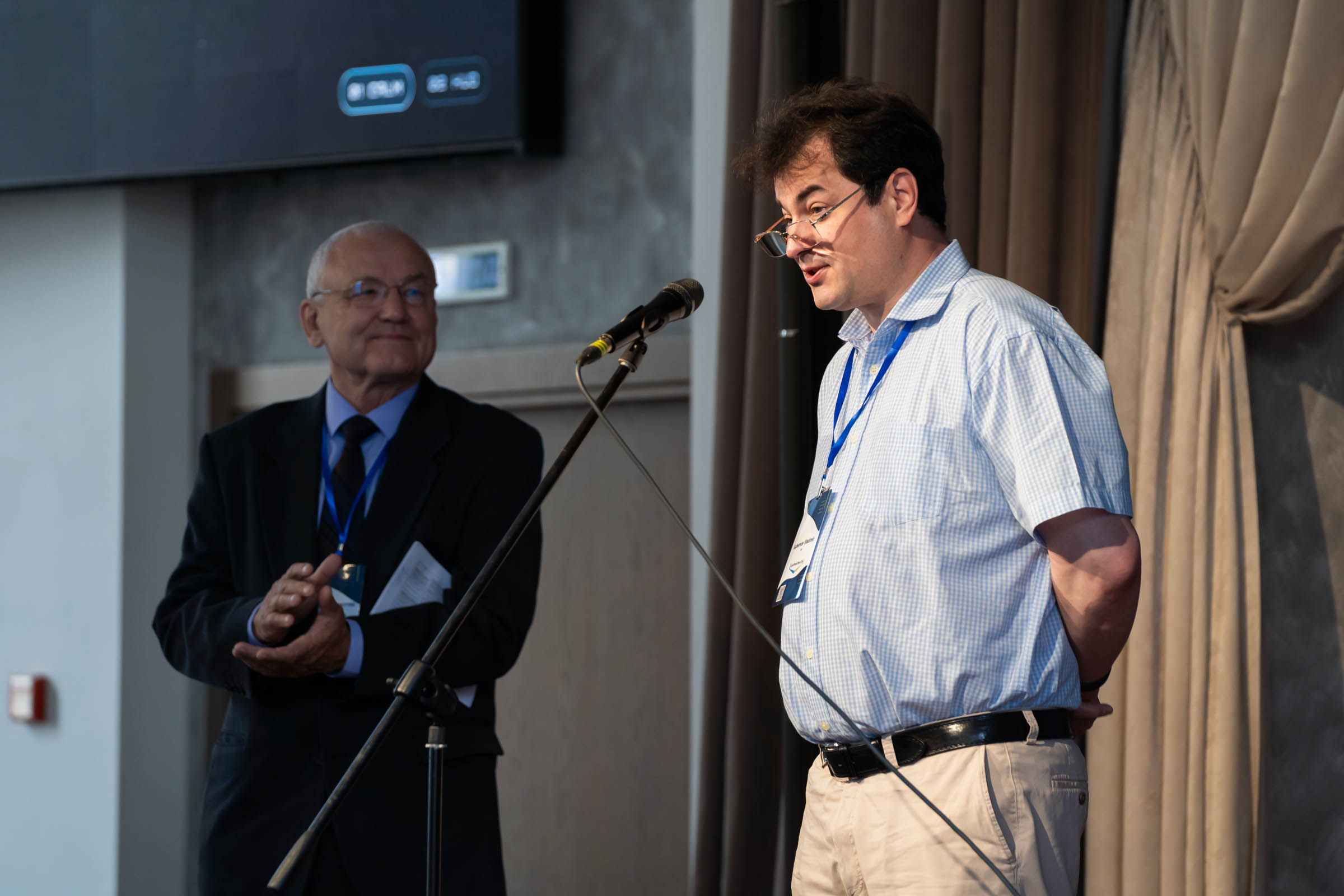
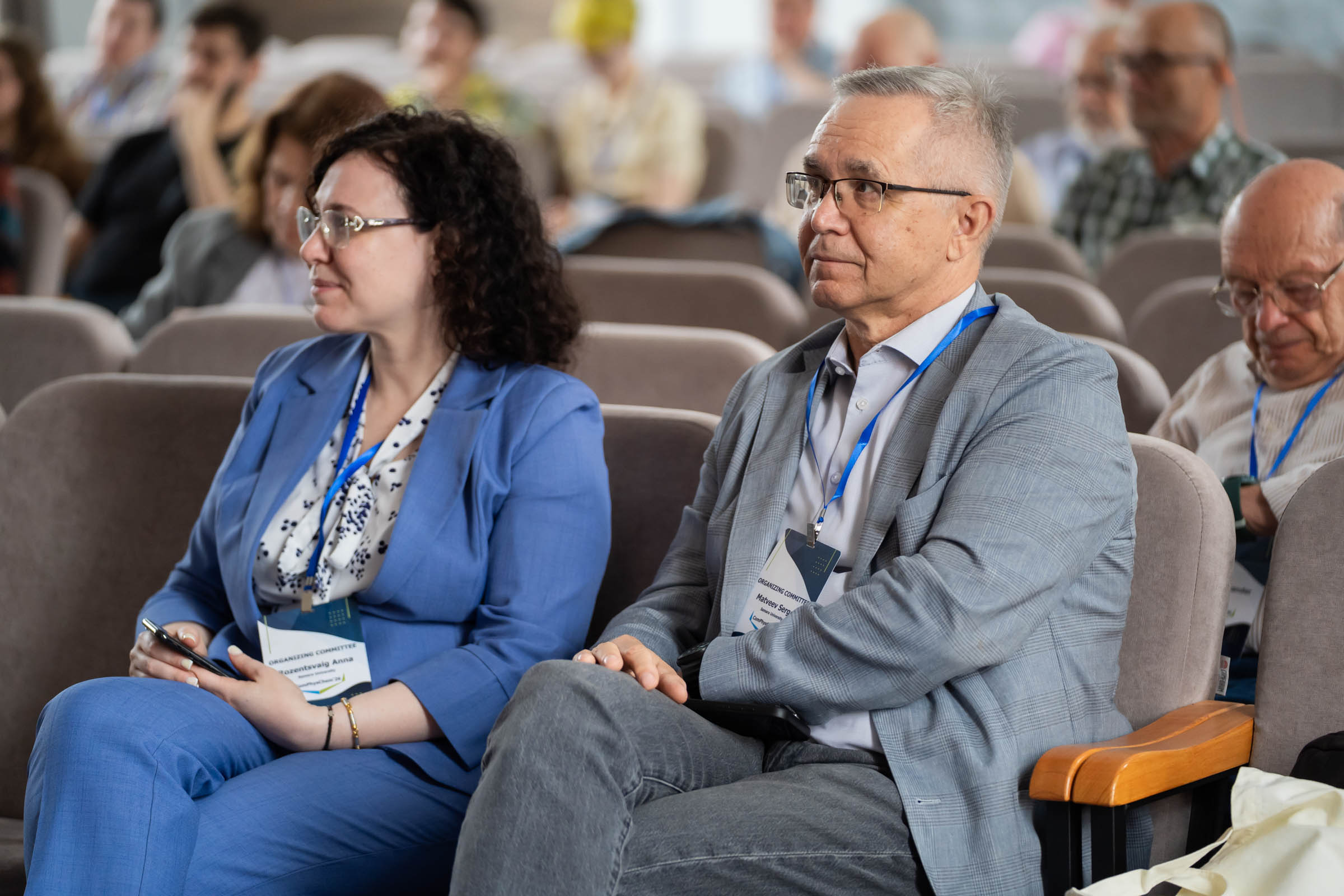
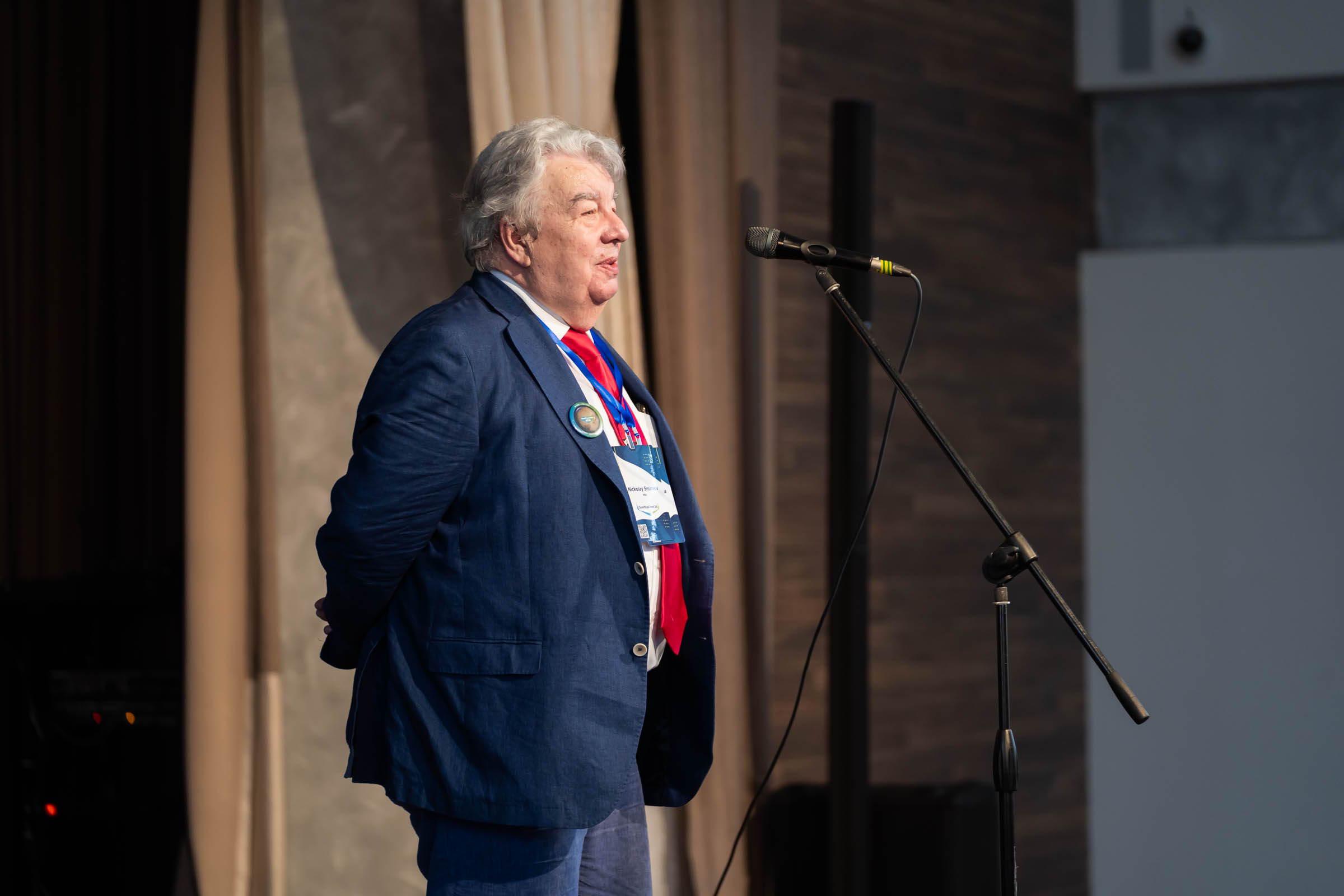
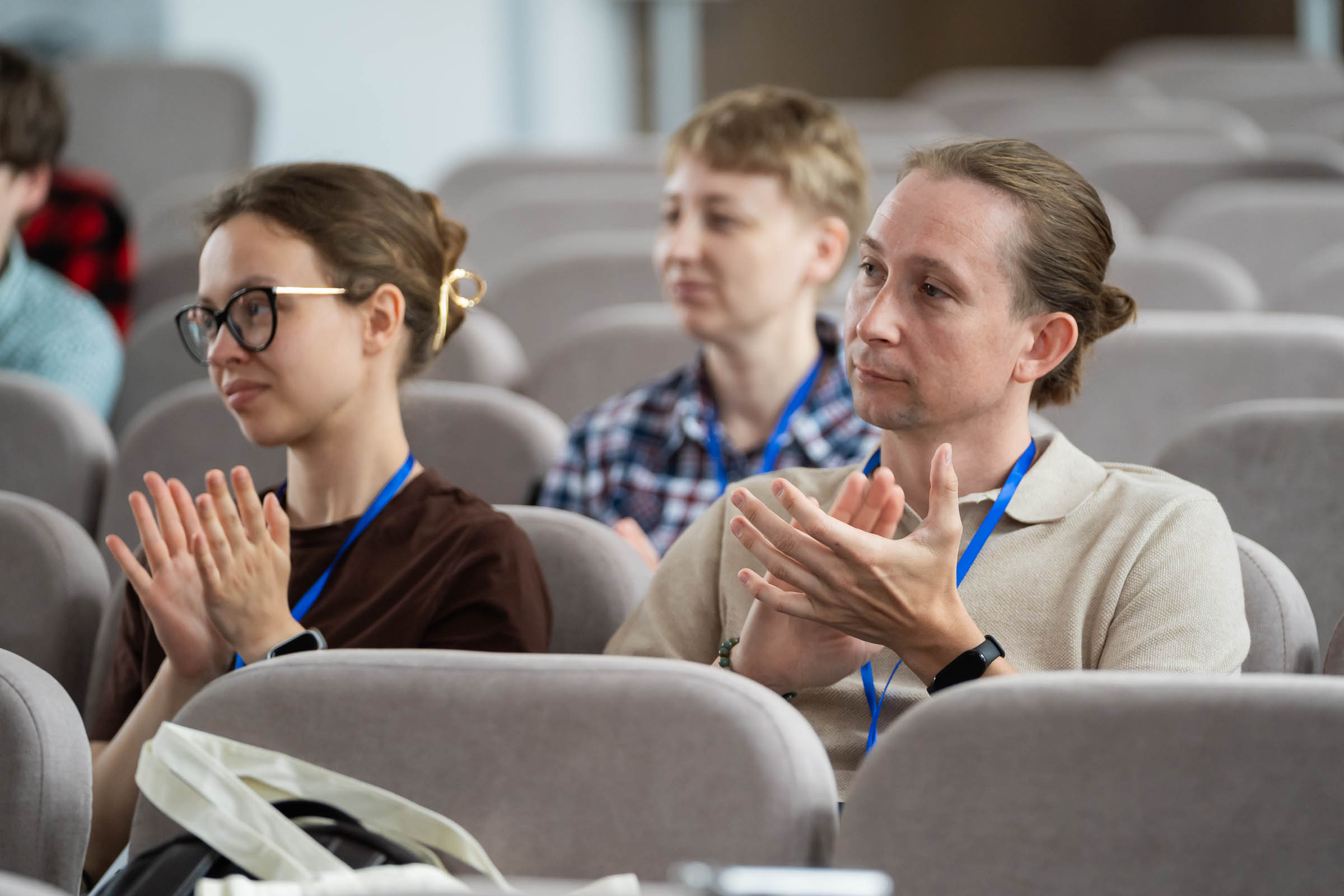
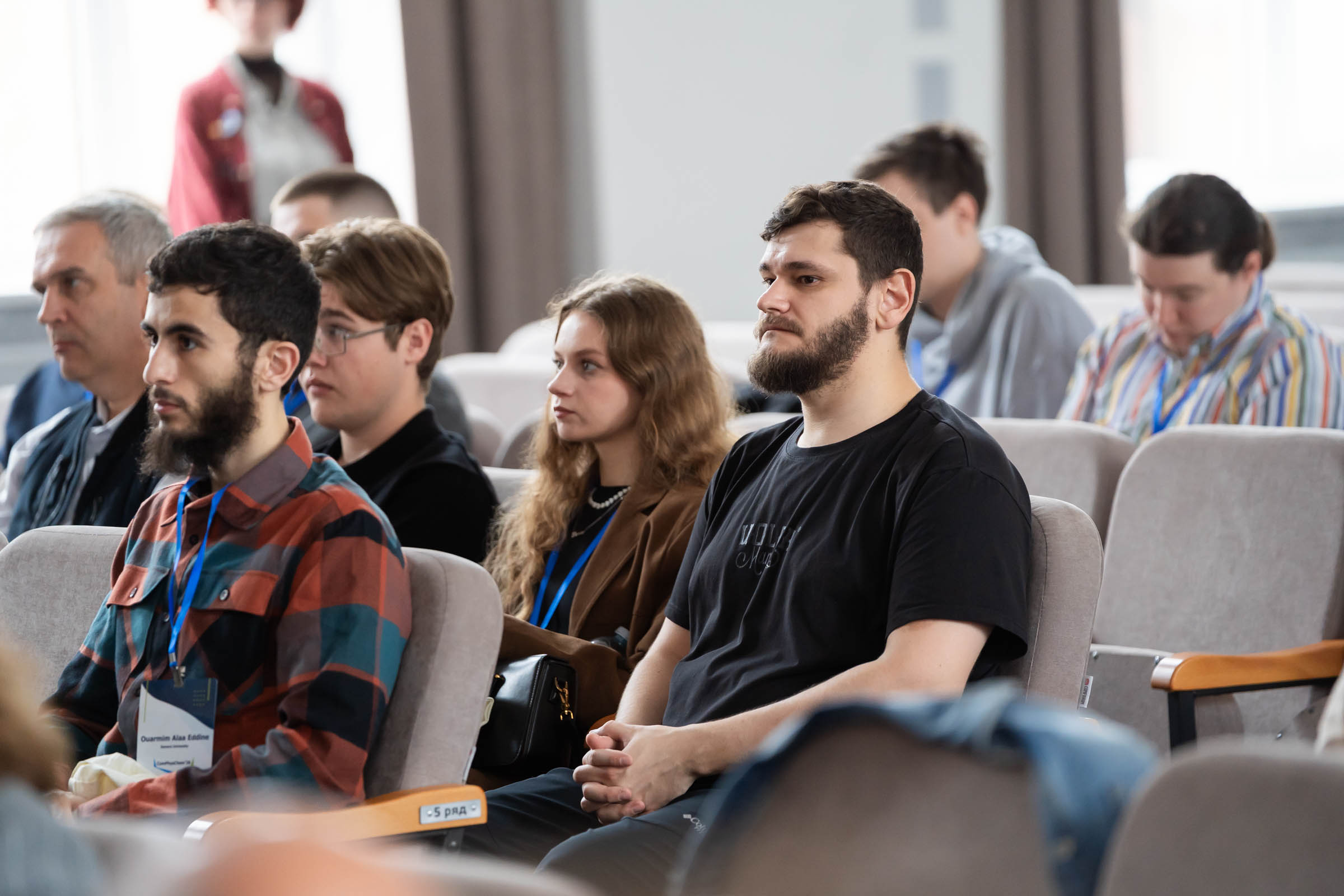
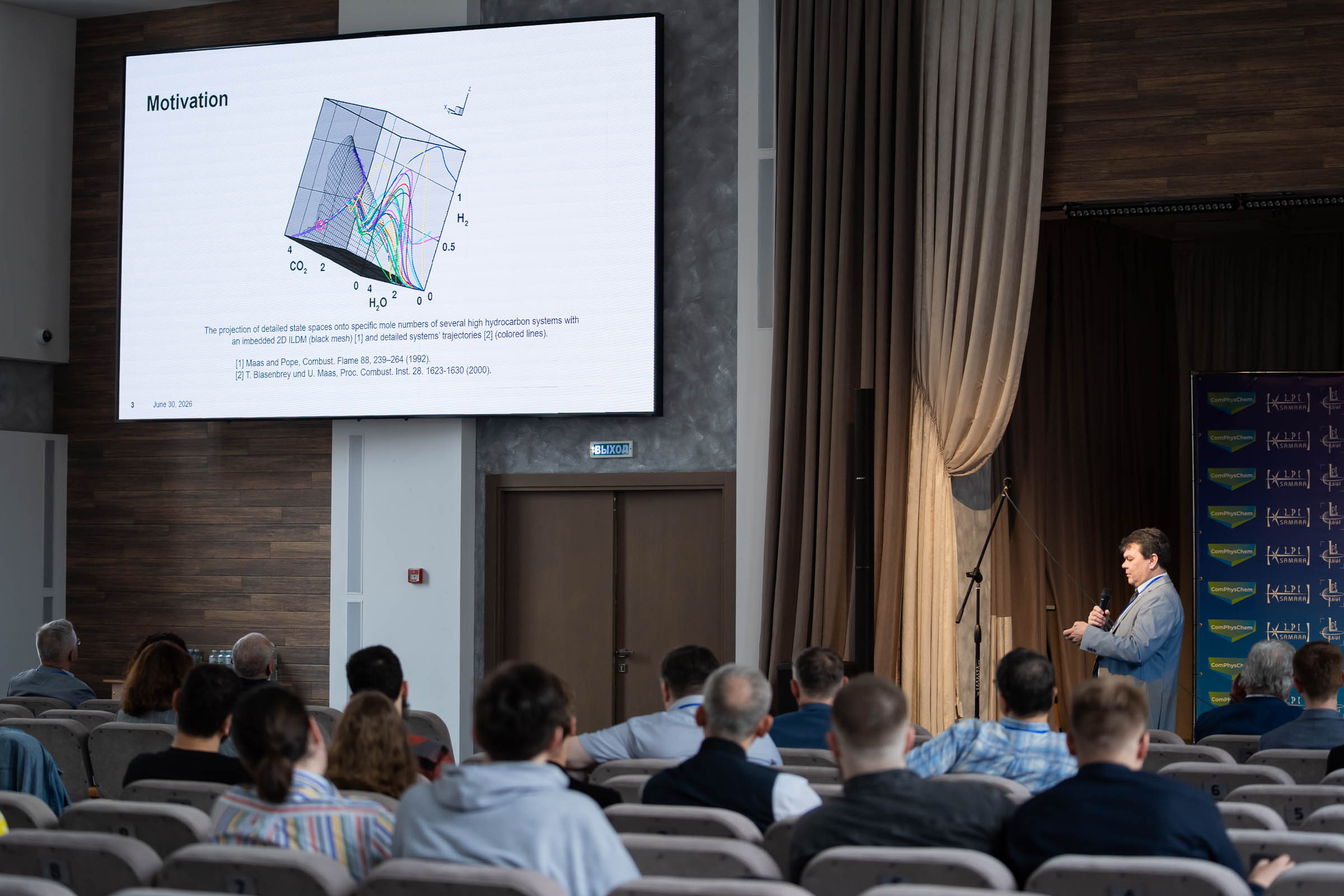
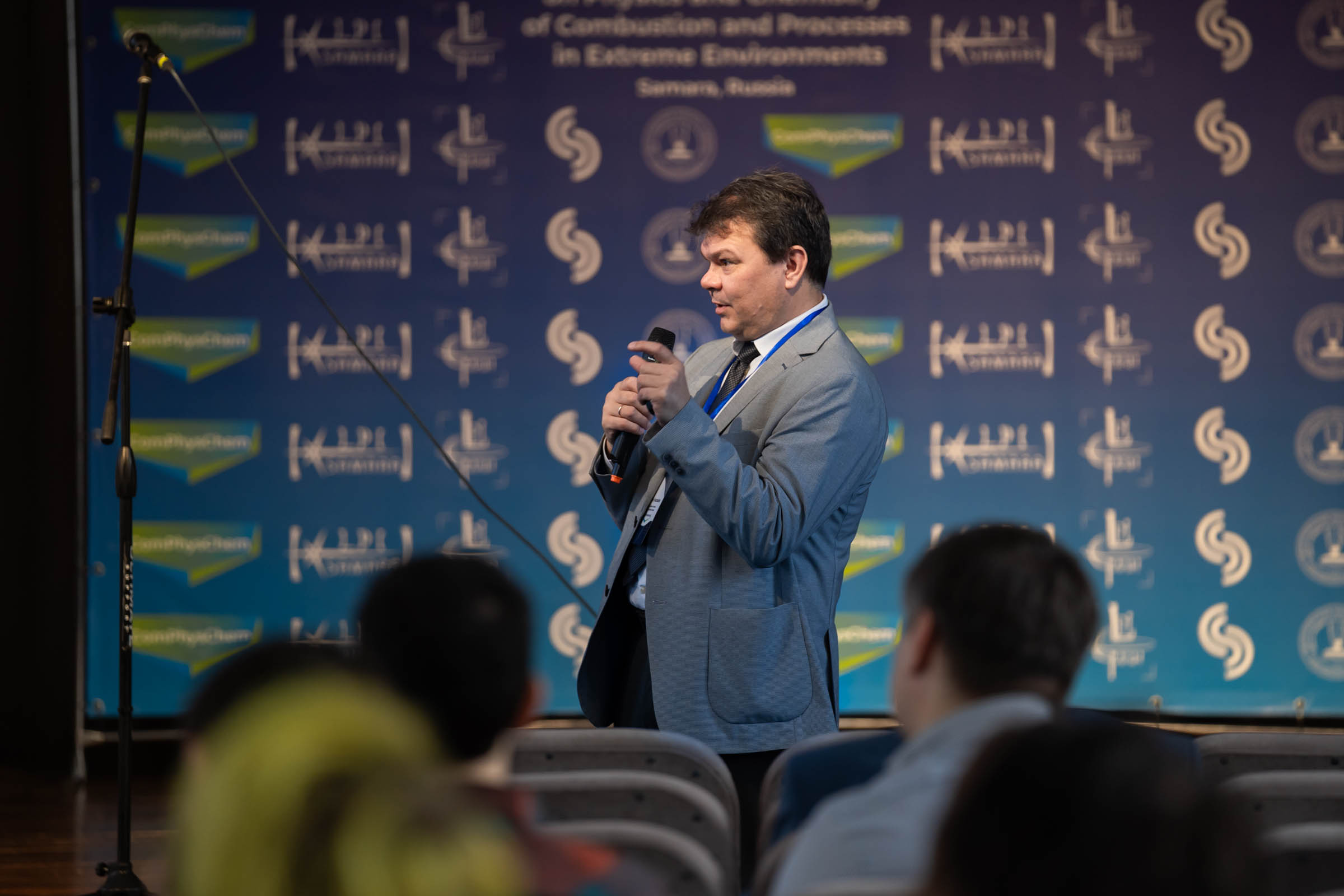
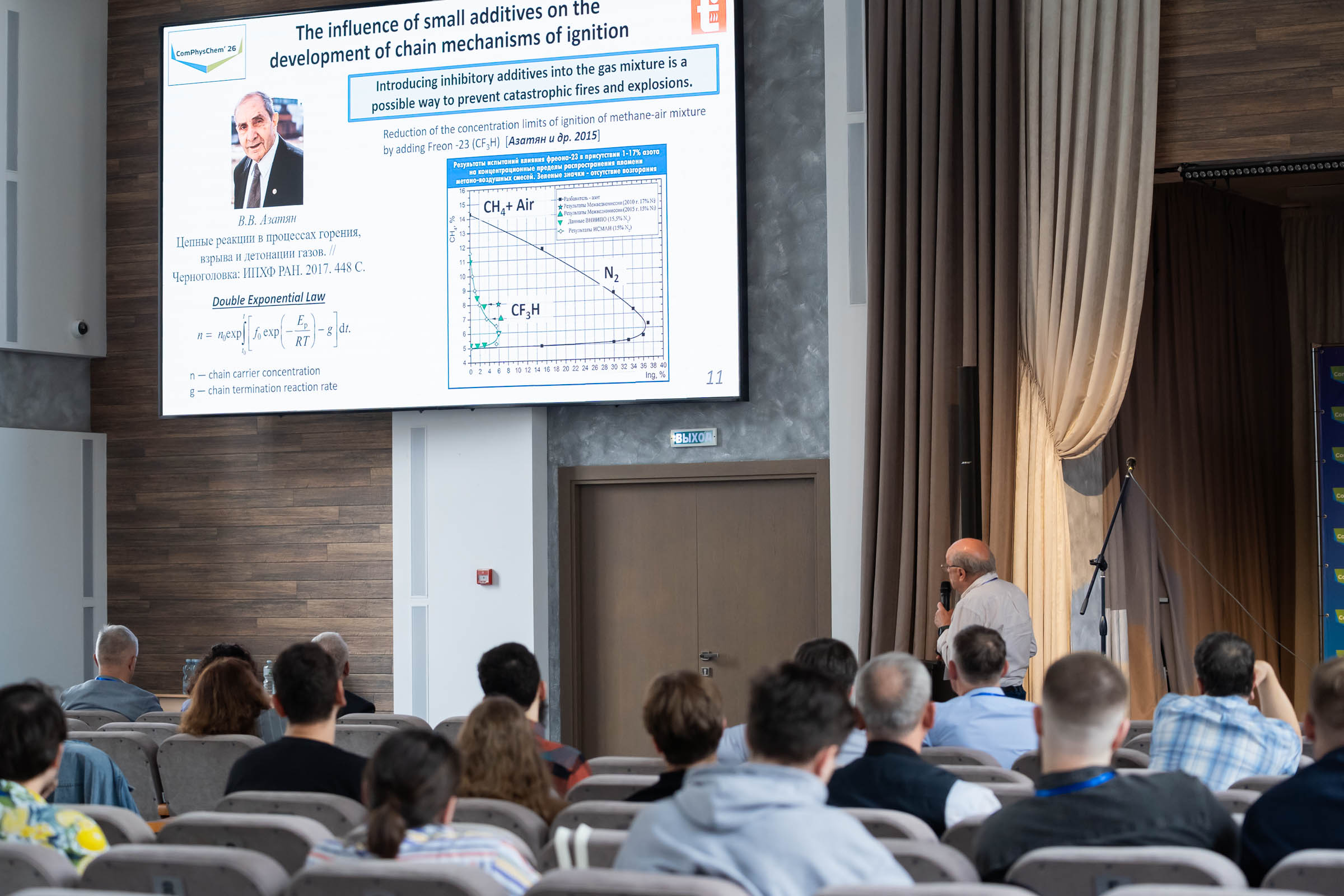
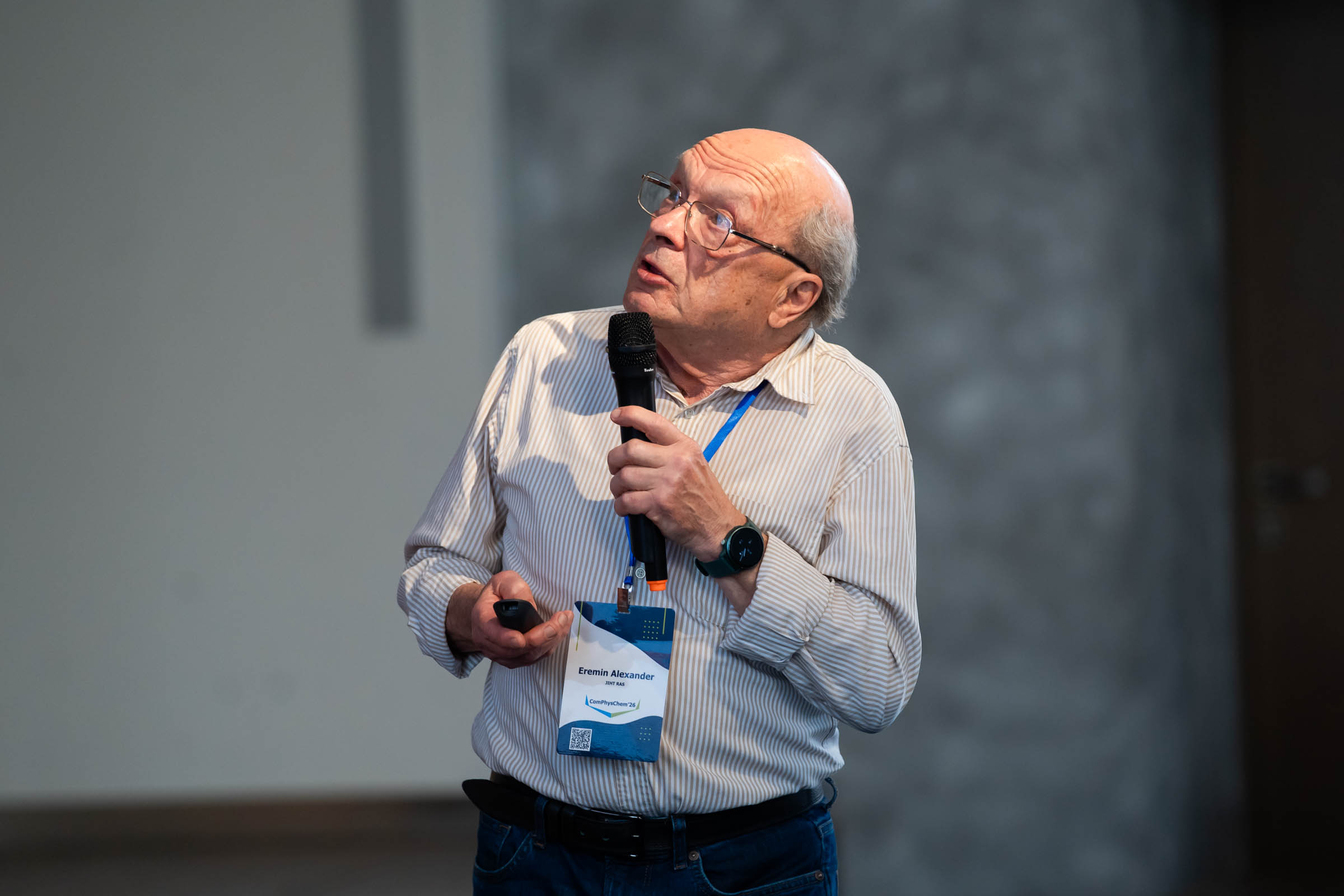
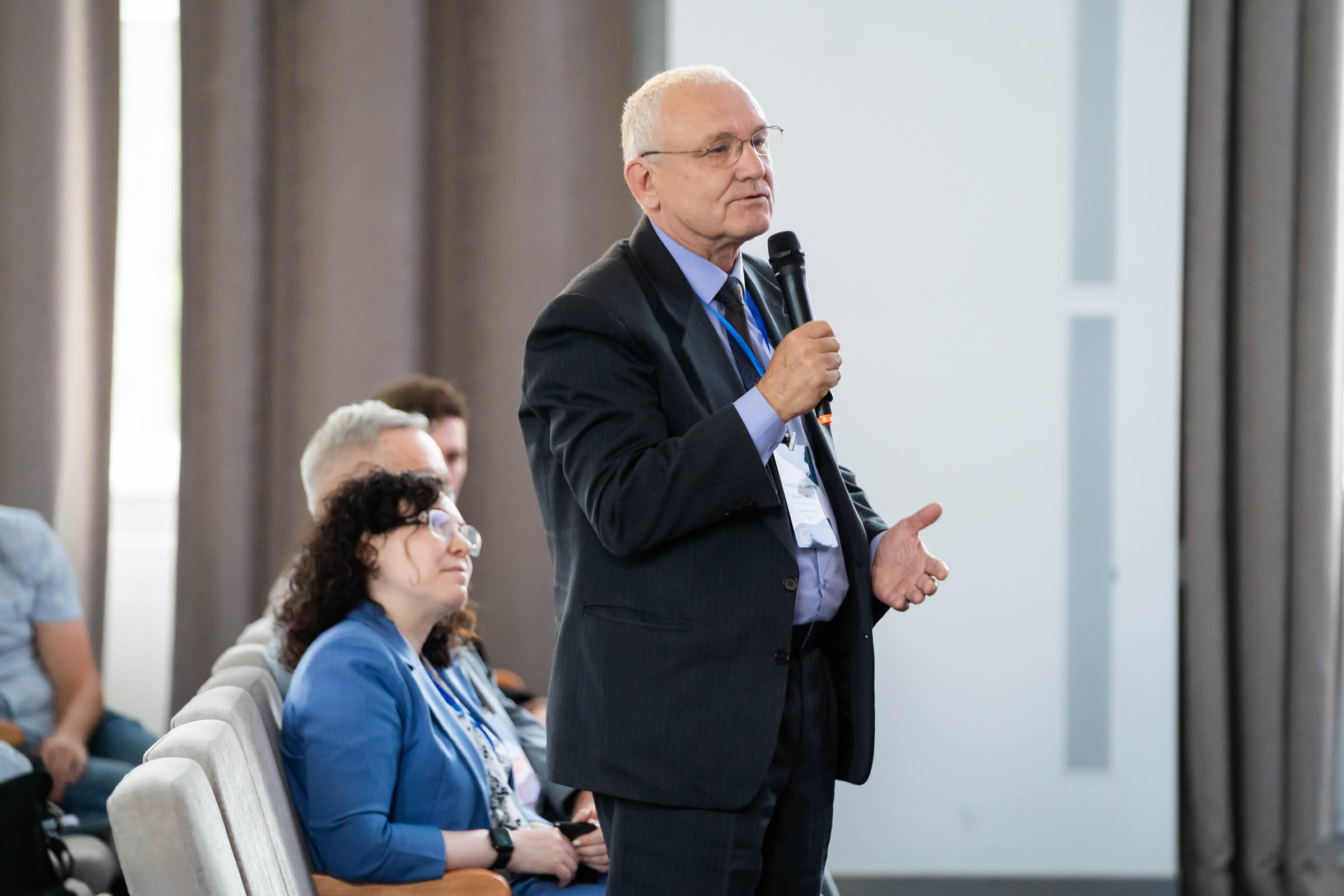
The conference brought together over 130 participants from 11 Russian cities, including Moscow, St. Petersburg, Yekaterinburg, Nizhny Novgorod, Novosibirsk, Tomsk, Dolgoprudny, and Korolev, among others. They represented 11 domestic research centers studying fundamental physicochemical processes in extreme conditions, 7 leading universities, and the Rocket and Space Corporation Energia (RSC Energia).
Samara University was represented by 27 faculty members, postgraduates, and students. The SF LPI team included 7 scientists, with an additional 16 specialists holding joint appointments at both the academic institute and the university.
Attendees heard 10 plenary and 27 invited presentations, and reviewed 49 poster sessions. Leading international experts in combustion processes from the USA, Germany, China, and Chile delivered presentations online.
Valery Azyazov recalled that the idea for an annual conference on combustion was originally proposed by Professor Alexander Mebel. This concept, introduced several years ago during his work on a mega-grant at the Research Laboratory of Physics and Chemistry of Combustion at Samara University, proved highly fruitful and was successfully implemented.
"Why are our studies so relevant? The fact is that humanity obtains the vast majority of its energy from the combustion of fossil fuels and hydrocarbons. We cannot reach space without combustion. Without an understanding of combustion processes, the development of industry and the energy sector would halt, and all human progress is tied to energy. Moreover, we ourselves are made of hydrocarbons and organic compounds. Astrochemistry—the synthesis of organic molecules in interstellar space and the origins of life—is also one of our research topics," Valery Azyazov noted in his opening remarks.
Vladimir Gubernov, Head of the Laboratory of Dynamics of Reacting Systems at the Lebedev Physical Institute RAS, praised the high quality of the presentations. "Since the very first conference in 2018, the organizers have set a very high bar, and in my opinion, the conference grows stronger each time. I have no doubt that we will continue to develop and meet here many more times," he emphasized.
Anna Rozentsvaig, First Vice-Rector for Research at Samara University, noted that the "Physics and Chemistry of Combustion and Processes in Extreme Environments" conference has become a traditional and effective platform for scientific communication. "The conference program covers the full spectrum of issues in the physics and chemistry of combustion. This shows us that various scientific schools are actively interacting, forming a platform for sustainable interdisciplinary development," she stated.
The conference presentations were divided into 10 sections, ranging from the kinetics and dynamics of processes occurring in a vacuum in the interstellar medium, to the study and modeling of combustion reactions under high pressure and temperature, as well as environmental issues related to combustion.
Recent scientific results were shared by experts in applied mathematics and spectrometry, quantum chemistry and chemical kinetics, astrochemistry and astrophysics, as well as representatives of engineering disciplines. Several presentations were dedicated to so-called reduced process models, where scientists strive to simplify mathematical models to reduce computational load without losing accuracy.
Samara scientists demonstrated results from both fundamental and applied research. A presentation by Ivan Antonov, Scientific Supervisor of SF LPI and Associate Professor at the Department of Optics and Spectroscopy at Samara University, drew significant interest. He studied the interaction of hypergolic fluid droplets in an acoustic levitator (fluids that spontaneously ignite upon contact).
The relevance of such research is undeniable, considering that some widely used rocket propellant components are hypergolic fluids. As for acoustic levitation, this method is considered highly promising and yields very interesting experimental results.
Yakov Medvedkov, Senior Researcher at the Research Laboratory of Physics and Chemistry of Combustion at Samara University and the Laboratory of Astrophysics at SF LPI, presented "The Unexplored HACA Pathway: Acetylene Trimerization on a Phenyl Radical." He shared recently published data on the formation of naphthalene during hydrocarbon fuel combustion.
"Most of these reactions and processes have been studied and described for a long time, but the exact chemical mechanisms determining how a particular substance is formed remain a subject of scientific debate and experimental research in some cases. We managed to catch and record the very initial moment of naphthalene molecule formation—a known carcinogen—and determine the sequence of chemical events preceding it," Yakov Medvedkov explained.
A presentation by Sergey Matveev, Professor at the Department of Thermal Engineering and Heat Engines at Samara University, was also dedicated to the formation of polycyclic aromatic hydrocarbons (PAHs) and their emission in the exhaust gases of engines and power plants.
Research on PAH synthesis reactions at the university began in 2016 with the design of a "mega-science" class experimental facility under the mega-grant "Development of Physically Substantiated Combustion Models." Since then, this direction has been successfully developing. Understanding the processes of polycyclic aromatic formation will make gas turbine power plants more environmentally friendly.
One way to improve the efficiency and eco-friendliness of gas turbines is to transition to hydrogen fuel or add hydrogen to conventional fuel. In his presentation, "Hydrogen-Enriched Fuels for Gas Turbine Combustors: Stability, Emissions, and Burner Design," Sergey Matveev, Senior Researcher at the Research Laboratory of Physics and Chemistry of Combustion, presented the results of applied hydrogen research.
On the final day of the conference, after the closing remarks, participants visited two Samara University facilities directly related to combustion research: the Research Laboratory of Physics and Chemistry of Combustion (Lab-101) and the Aircraft Engine History Center (AEHC).
At Lab-101, guests inspected the "mega-science" class facility used to study combustion processes at high temperatures, which, in particular, was used for the experiments discussed in Yakov Medvedkov's presentation.
At AEHC, scientists were shown the evolution of aircraft gas turbine engines, from the first mass-produced models of the 1940s to modern power plants. Here, the results of theoretical and experimental research, along with the stages of understanding combustion processes, are reflected in the design of real injectors, burner devices, and combustion chambers.
Valery Azyazov noted that the discussions during the VI International Conference "Physics and Chemistry of Combustion and Processes in Extreme Environments" were highly fruitful. The conference, as a platform for scientific exchange, once again confirmed its high level.
For Reference:
Core topics of the International Conference "Physics and Chemistry of Combustion and Processes in Extreme Environments":
- Fundamental physicochemical processes in extreme conditions.
- Kinetics and dynamics of reactions in extreme conditions, including astrochemistry and astrobiology.
- Quantum-chemical studies of potential energy surfaces of chemical reactions.
- Kinetics and dynamics of elementary processes.
- Waves and oscillations in solar, stellar, and interstellar plasma.
- Mathematical modeling of processes in extreme conditions.
- Laser and optical diagnostics of combustion processes.
- Chemical, plasma, and laser initiation of combustion.
- Formation and destruction of polycyclic aromatic hydrocarbons (PAHs), soot, graphene, and carbon-containing nanoparticles.
- Environmental issues related to combustion.
Photo: Olesya Orina
