

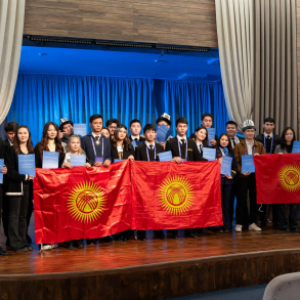
Samara National Research University has summed up the results of the Russian Ministry of Science and Higher Education's project to conduct the "Winter University in Engineering Sciences – 2025".
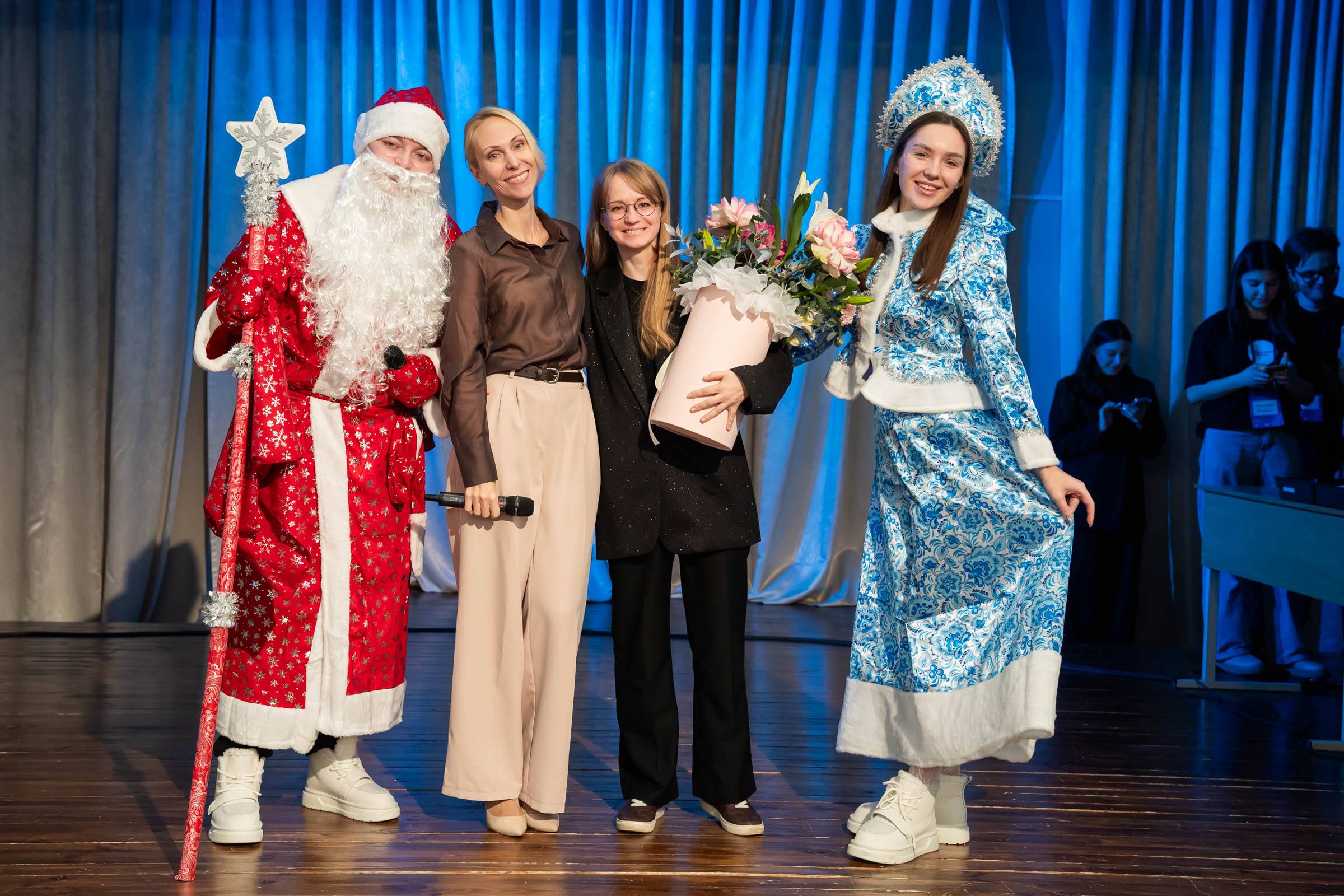
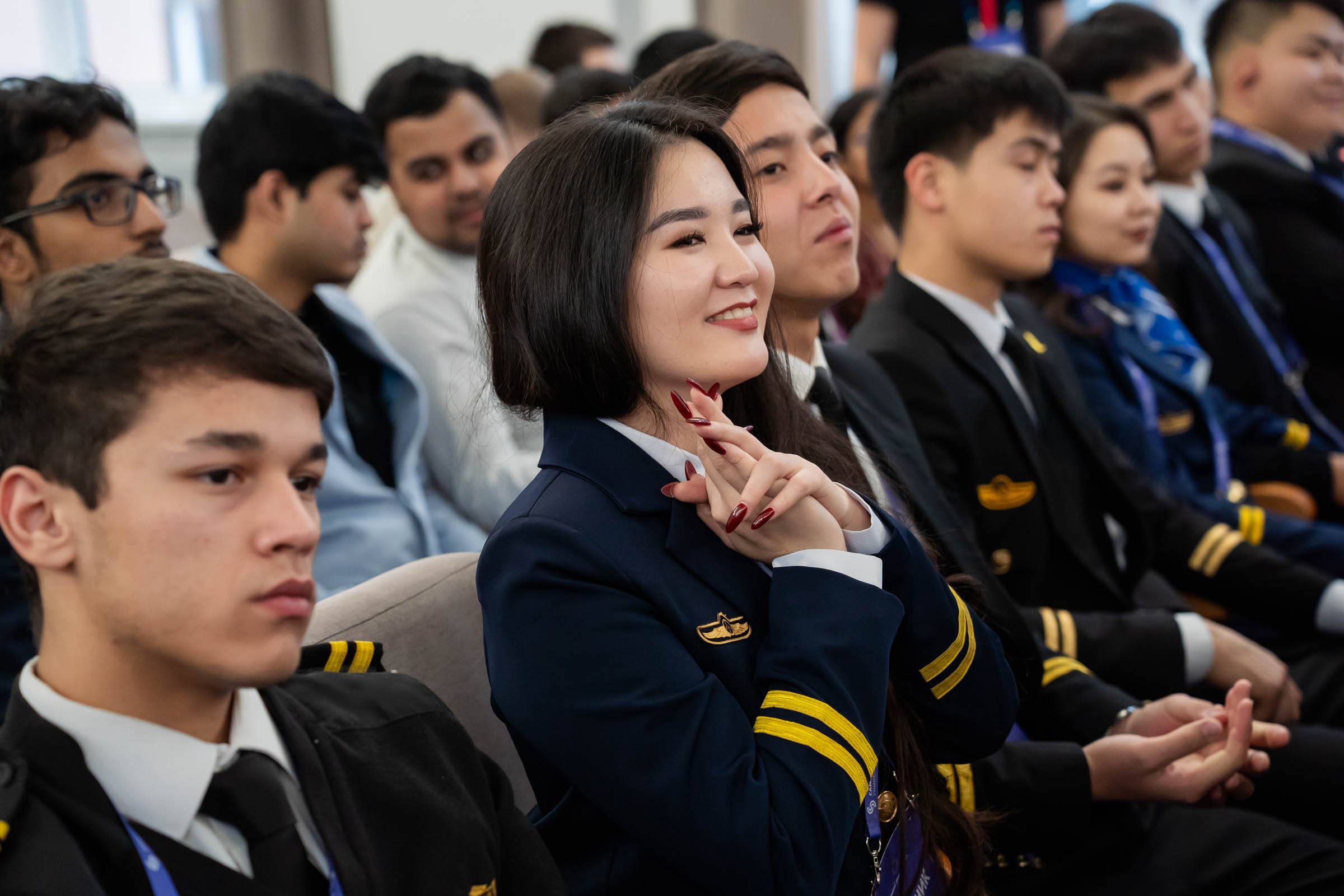
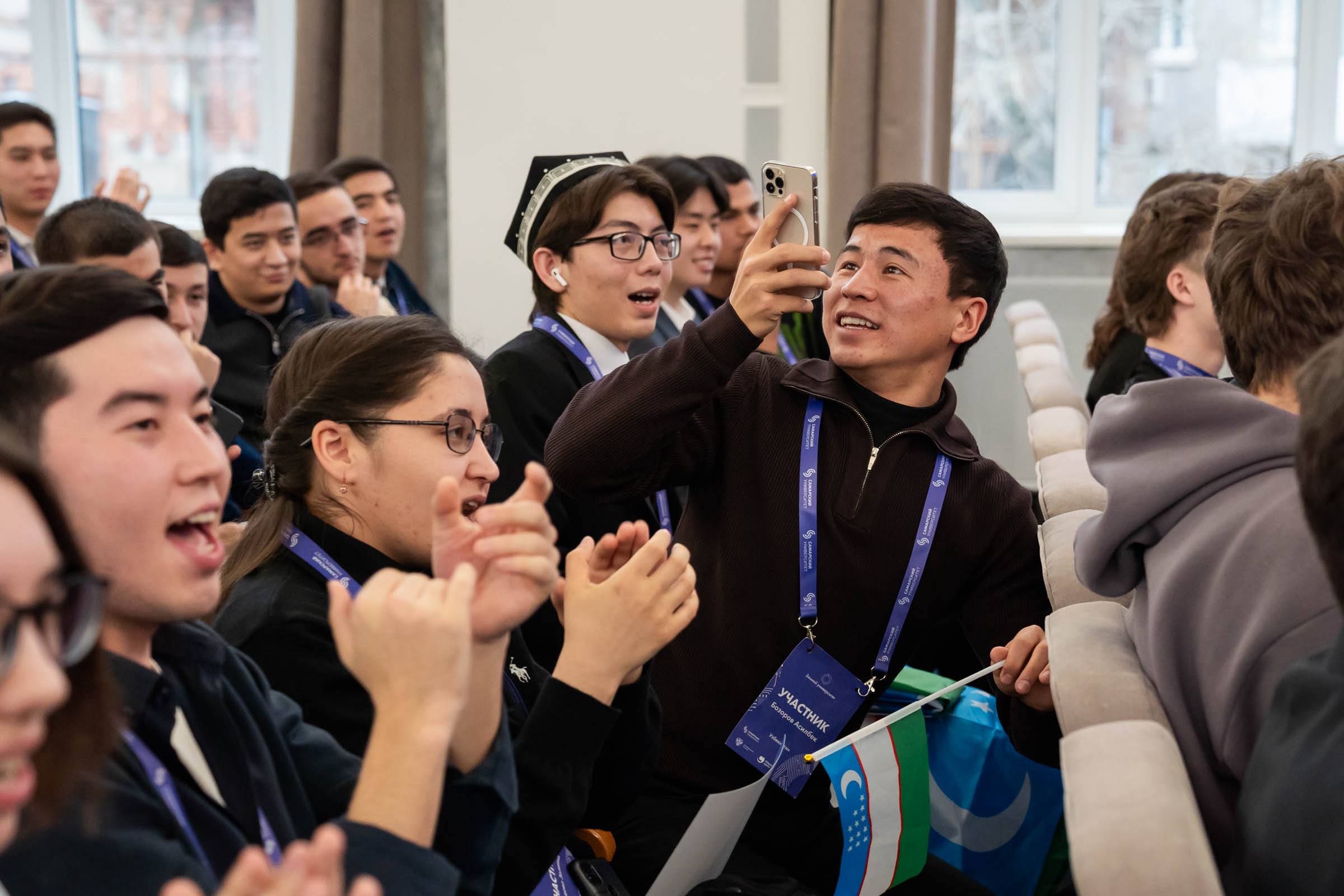
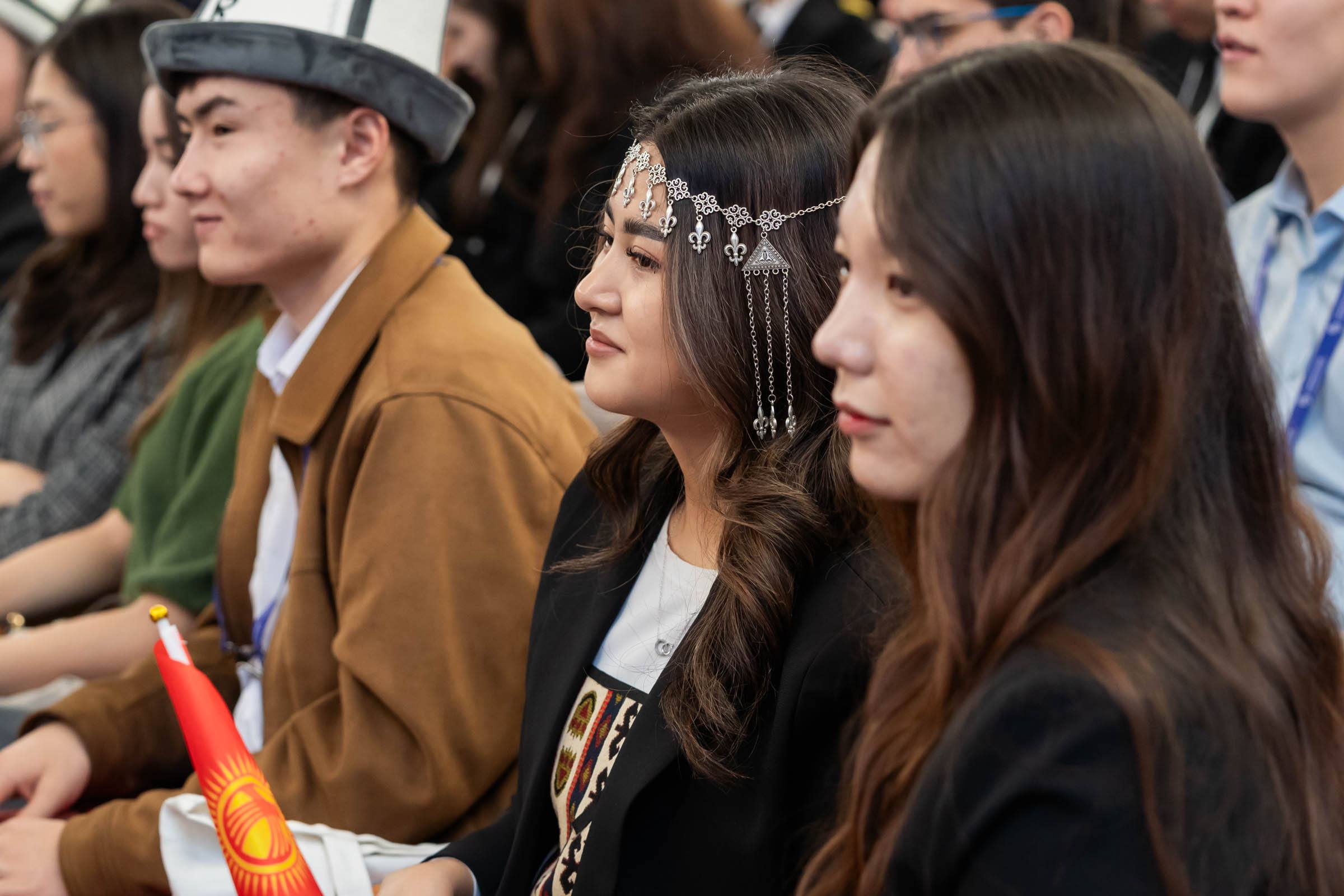
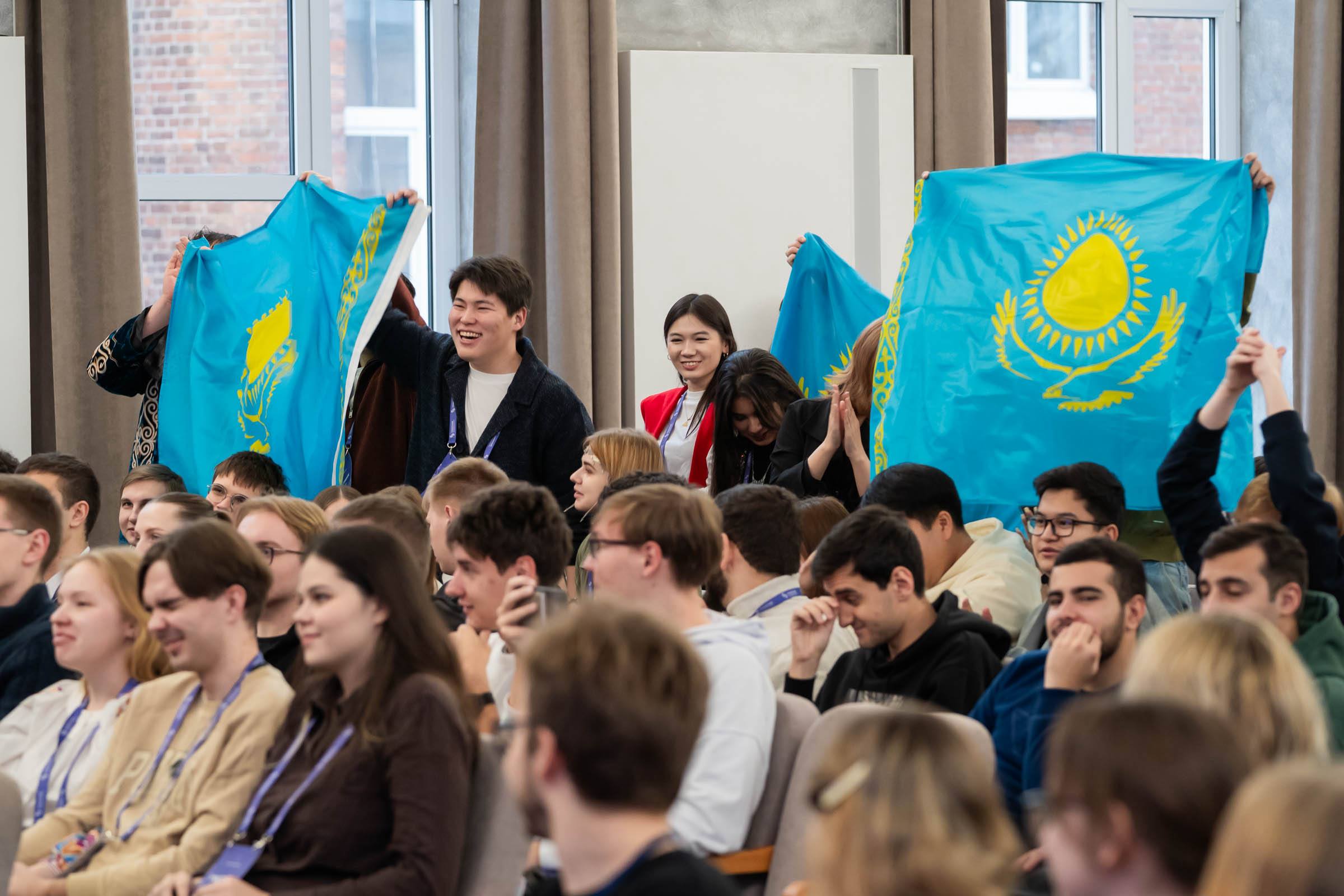
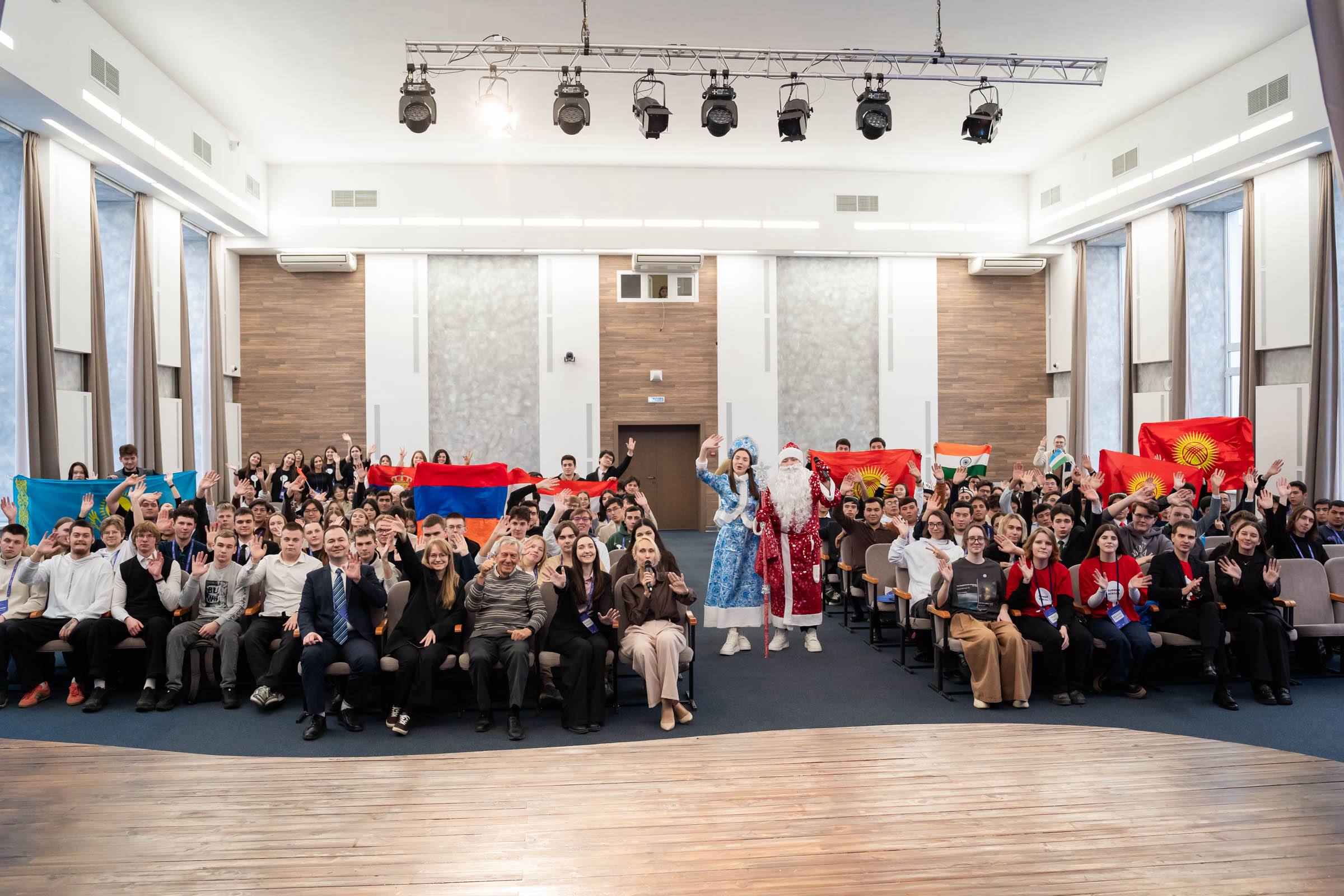
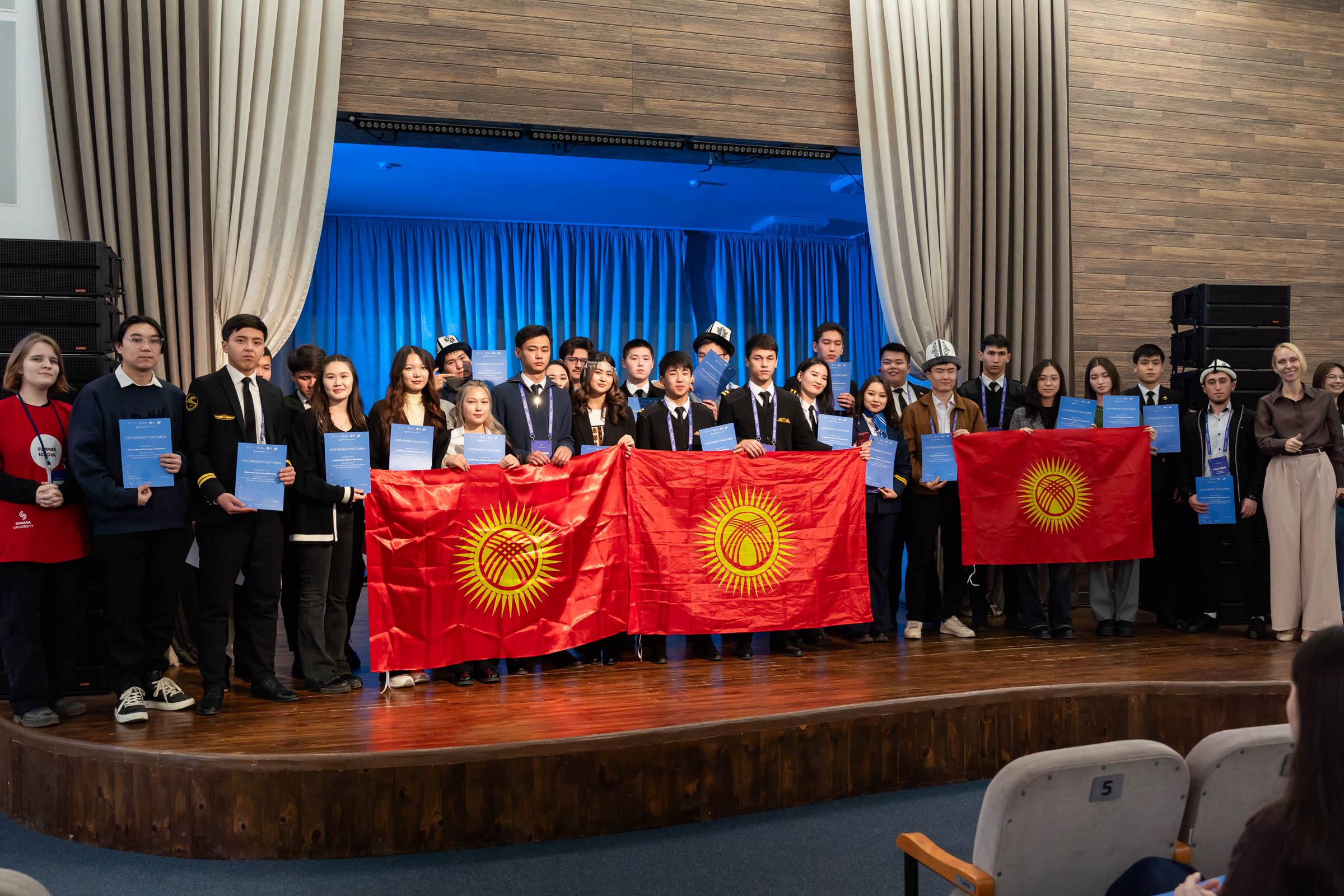
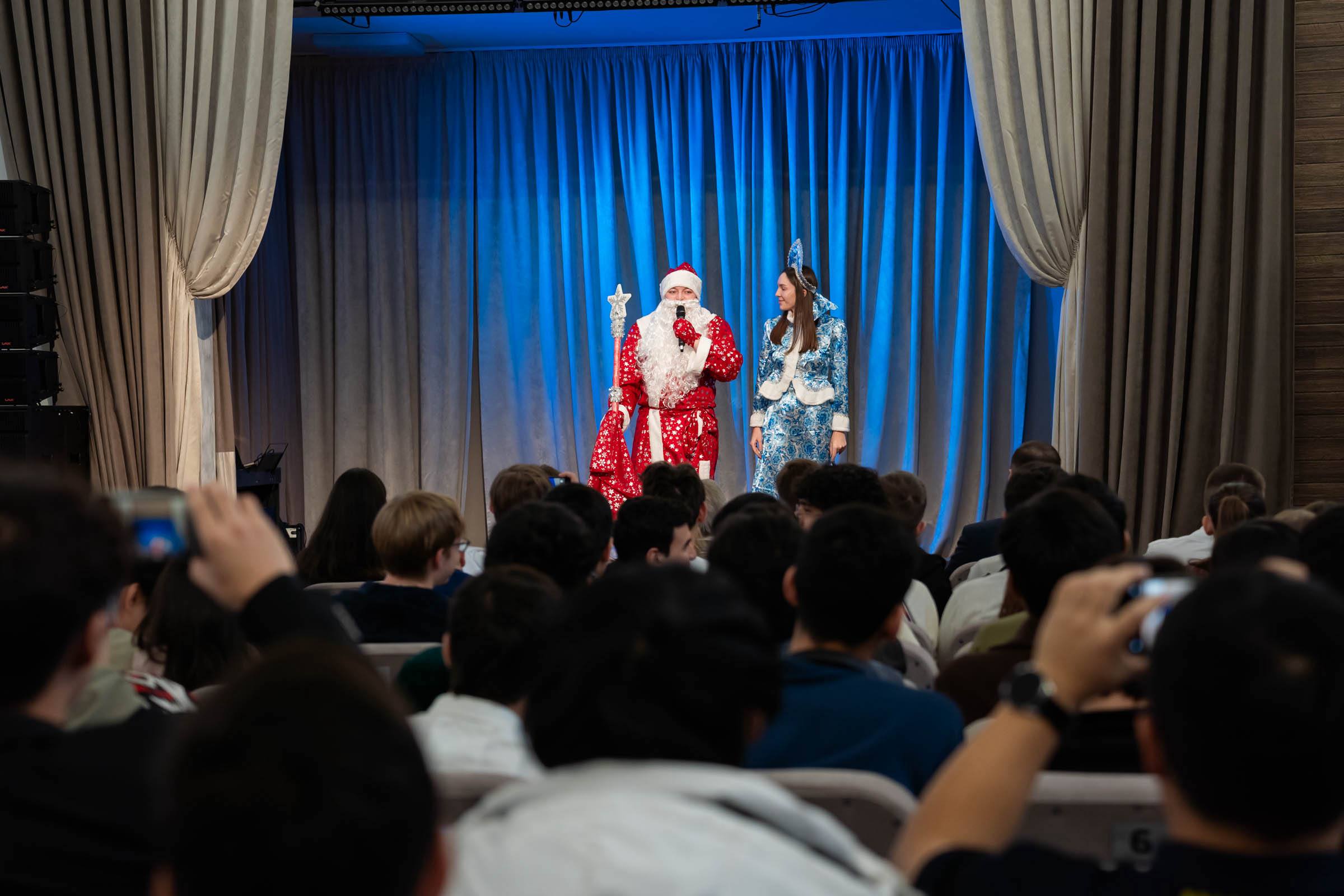

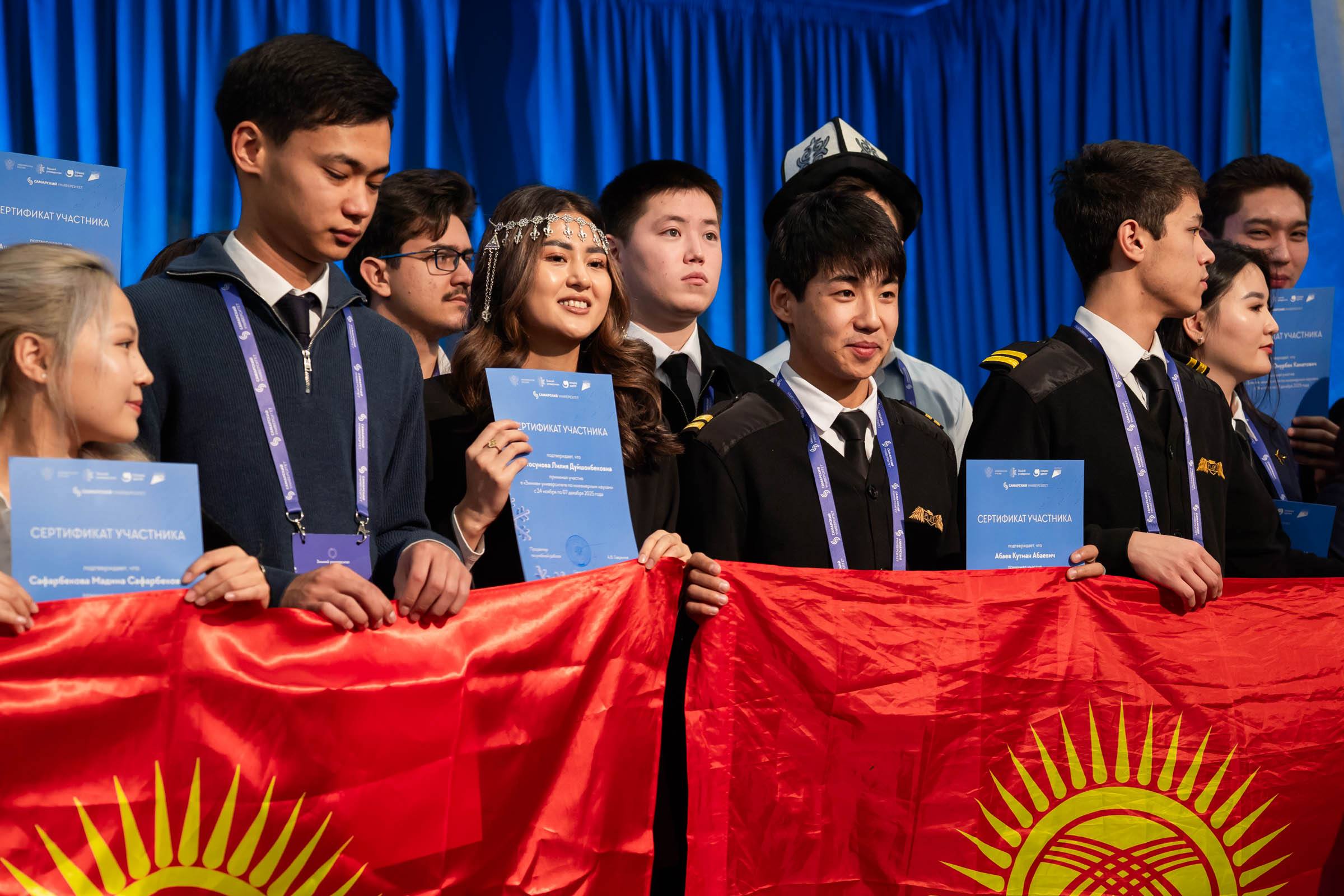
From November 24 to December 7, three universities across the country – Peter the Great St. Petersburg Polytechnic University, Yaroslav-the-Wise Novgorod State University, and Samara University – hosted over 600 engineering students from countries of the near and far abroad.
Samara University welcomed 200 students from Armenia, Belarus, India, China, Kazakhstan, Kyrgyzstan, Serbia, Tajikistan, Uzbekistan, South Africa, as well as from regions of Russia. Classes for them were conducted in Russian and English.
The young people were offered two programs, each of which included thematic tracks, lectures, laboratory sessions, and work on industrial case studies. For instance, within the "Design and Construction of Unmanned Aerial Systems" program, students tackled challenges in the field of unmanned aviation. Participants learned the fundamentals of aerodynamics, the design and assembly of unmanned systems, studied construction materials, and delved into aspects of reliability and safety.
Meanwhile, the "Aerospace Systems Engineering" program, aimed at students interested in the development and operation of aviation and space systems, covered topics in design, modeling, as well as additive technologies, engine manufacturing, and environmental safety.
A distinctive feature of the 2025 Winter University was the teamwork required to prepare projects, which were then presented for evaluation by an expert jury. Students formed 22 international teams to work on real engineering tasks. After carefully assessing the projects and listening to the students during a series of defenses, the jury selected three winning teams: "AUES", "Pyropatron", and "tVRBocAr".
Team "AUES" member Yerkebulan Sapar came from Kazakhstan, where he studies at Almaty University of Power Engineering and Telecommunications. He applied to participate in the international "Winter University in Engineering Sciences" and successfully passed the selection. In Kazakhstan, he is studying computer science and will become a computer engineer upon graduation.
"In Samara, I learned a lot of new things, essentially the entire history of aerospace engineering. We were told how engines for airplanes and rockets are created. I met and worked with really cool people – this is a valuable experience that I would recommend to everyone," shared Yerkebulan.
The team where the student worked on the project consisted of 8 people. The project itself is dedicated to creating a stellar navigation system for exploring the Lunar surface. "We correlated the positions of stars and could determine, for example, the precise location of an astronaut or a lunar rover on the Moon's surface with an error of only 2%. To transmit information about their location, we used data sent via radio waves over very long distances and at a sufficiently high speed, which is especially convenient in the conditions of the Earth's satellite's lack of atmosphere. We tested our hypotheses using mathematical modeling and writing a program, and they turned out to be correct. The result of our project is a working navigation scheme," explained the program participant. The overarching goal of the project is the exploration of space and the execution of various missions to celestial bodies, which would be impossible without a navigation system.
Participants of the "Pyropatron" project from the Belarusian State University of Transport – Makar Goncharov and Vsevolod Ashurko – study at the Faculty of Electrical Engineering in the "Microprocessor Information and Control Systems" program. They were impressed by the instrumentation and component base of Samara University, the laboratory equipment, in particular, the Center for Additive Technologies.
The "Pyropatron" team, comprising seven students from Belarus and Uzbekistan, worked on two projects – ice patrolling in the Arctic and monitoring construction sites using UAVs.
"We had complete creative freedom, which pushed us to seek non-obvious engineering solutions. In the first project, we proposed launching a drone from a ship in the Arctic, which would fly at an altitude of 150-200 meters, survey an area with a radius of, for example, 50 km, and record data. After that, it would return to the ship where the materials are reviewed. Similar systems exist in the world, but the option we proposed is much more economical because it is created for a specific task," stated the students.
The second project involves a drone surveying large construction sites over distances of up to 5 kilometers to assess work quality – essentially, the technology helps evaluate whether a building has settled or if a wall has cracked. "During each survey, the drone takes 5300 photographs and creates a 3D model of the object, essentially its digital twin. Similar schemes exist in the world, but we are proposing a more commercially viable project," explained Makar and Vsevolod.
Luo Ran from the Beijing University of Technology noted the particularly warm and friendly atmosphere that developed during the Winter University classes. He believes this format allows not only for gaining new knowledge but also for meeting people from different countries, talking about common interests and specialties: "Moreover, it's a great opportunity to learn about the industry, about innovations, about Russia's space engineering."
Luo Ran worked on a project to create a Lunar base as part of the international team "tVRBocAr", consisting of students from China, India, and Kazakhstan. The team believes it could later be used, among other things, for prospecting mineral resources on the Earth's satellite.
Expert and jury member Vladimir Kirillov, an engineer at the Samara University Unmanned Systems Center, was pleasantly surprised by the level of preparation of the Winter University participants, their openness, and readiness for change and new experiences: "The students listened to lectures very attentively, shared their ideas, asked detailed questions – it's clear that they will develop in their chosen fields and, upon returning home, will bring their projects to completion – in the form of startups or real hardware."
For reference:
In 2025, Samara University became one of the winners of the Russian Ministry of Science and Higher Education's project for organizing and conducting the "Winter University in Engineering Sciences". This is an international platform that, starting from 2023, has united 960 young engineers from 13 countries. The project also includes a cultural program featuring excursions and master classes that introduce participants to the history and culture of Russia.
