

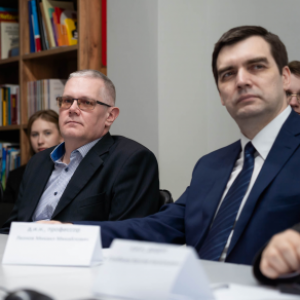
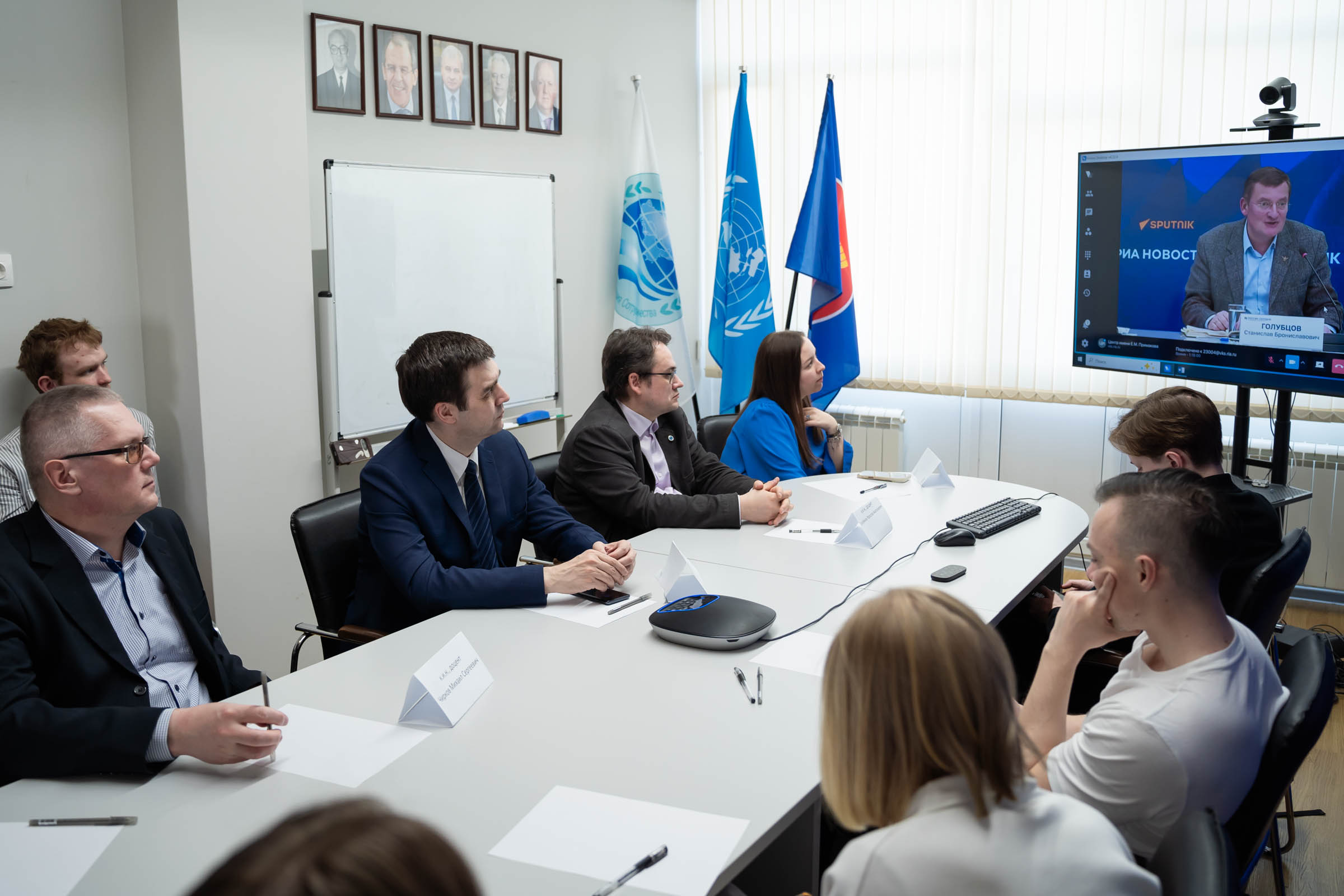
On March 19, the International Media Group "Russia Today" launched its special project “At the Origins of Anti-Russian Propaganda,” featuring a series of scholarly discussions with historians and public intellectuals. The inaugural session brought together researchers, faculty, and students from Samara University, who—alongside colleagues from Moscow, Kaliningrad, and Krasnoyarsk—participated via video link in a live dialogue with experts from the Russian National Library (RNL).
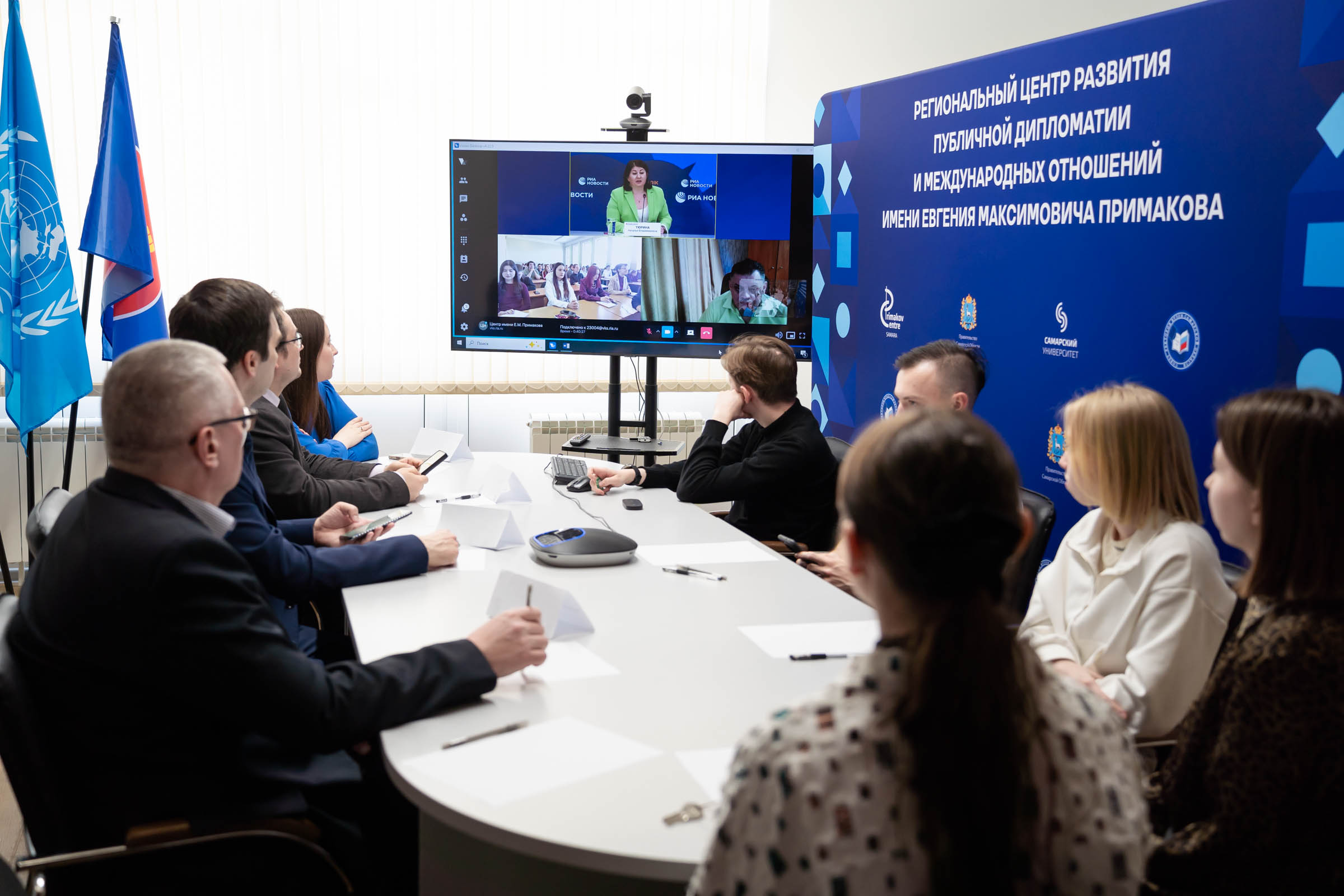
The discussion centered on one of the most influential early Western accounts of Russia: “Rerum Moscoviticarum Commentarii” (“Notes on Muscovy”) by Baron Sigismund von Herberstein, an Austrian diplomat who undertook two extended missions to the Grand Duchy of Moscow in the early 16th century.
At the press center of "Russia Today" on Zubovsky Boulevard, Denis Tsyplin, Director General of the Russian National Library, and Stanislav Golubtsov, Deputy Director General for Library Services, offered expert analysis of Herberstein’s work. The session was moderated by Natalya Tyurina, Head of the “Social Navigator” project at "Russia Today".
Introducing the initiative, Tyurina emphasized that today’s media landscape is witnessing a genuine “war over the past—for the sake of the future.” The project aims to address pressing questions:
· Where do enduring Western myths and stereotypes about Russia and its people originate?
· What distinguishes honest misconceptions from deliberate distortions in foreign historical sources?
· How did these narratives shape negative perceptions of Russia in the Western consciousness?
· What does contemporary Russian historiography say about this process?
She highlighted the particular significance of early-to-mid-16th-century sources, noting that this period coincided with the rise of printing—a time when mass communication emerged, enabling the systematic shaping—and manipulation—of public opinion.
Denis Tsyplin underscored that many tropes associated with modern anti-Russian rhetoric have deep historical roots.
“Understanding this era is crucial,” he said, “because it helps us comprehend the transformation of today’s world—where a new global order is challenging the old paradigm of Western European dominance, which is visibly fading before our eyes.”
Tsyplin also announced that digitized versions of materials related to “Notes on Muscovy” will soon be made publicly accessible.
Experts noted that Herberstein—already holding a university degree and possessing military experience as a quartermaster—produced the first comprehensive Western account of Russia, blending personal observation with analysis of ecclesiastical and state archives. His work covered military affairs, geography, ethnography, trade, religion, customs, history, and politics.
Although written shortly after his return, the “Notes” were not published until the mid-16th century—yet this delay did not hinder their impact. The book saw multiple editions during Herberstein’s lifetime and was swiftly translated from Latin into major European languages.
However, the text also contained significant inaccuracies and subjective interpretations, which later became foundational to propaganda reinforcing Western European superiority. Stanislav Golubtsov cited several examples of such distortions and pointed out a striking editorial choice: illustrations in the original edition were borrowed from a recently published book on the Ottoman Empire—a completely different civilization.
Participants from universities raised nuanced questions: How reliable is Herberstein’s account? What shaped his biases? How did he envision his audience? How did private diplomatic notes evolve into a source of enduring Western hostility toward Russia?
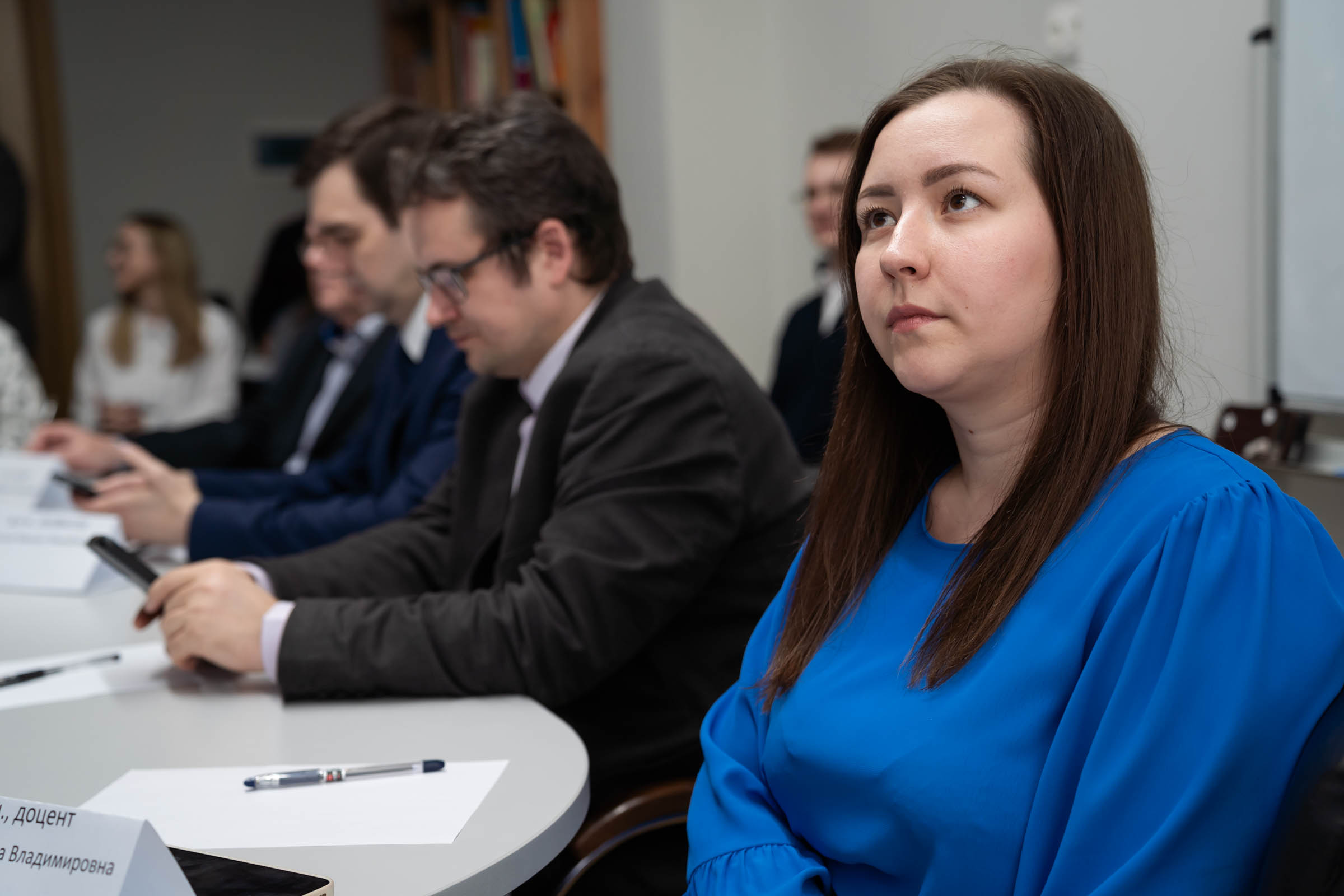
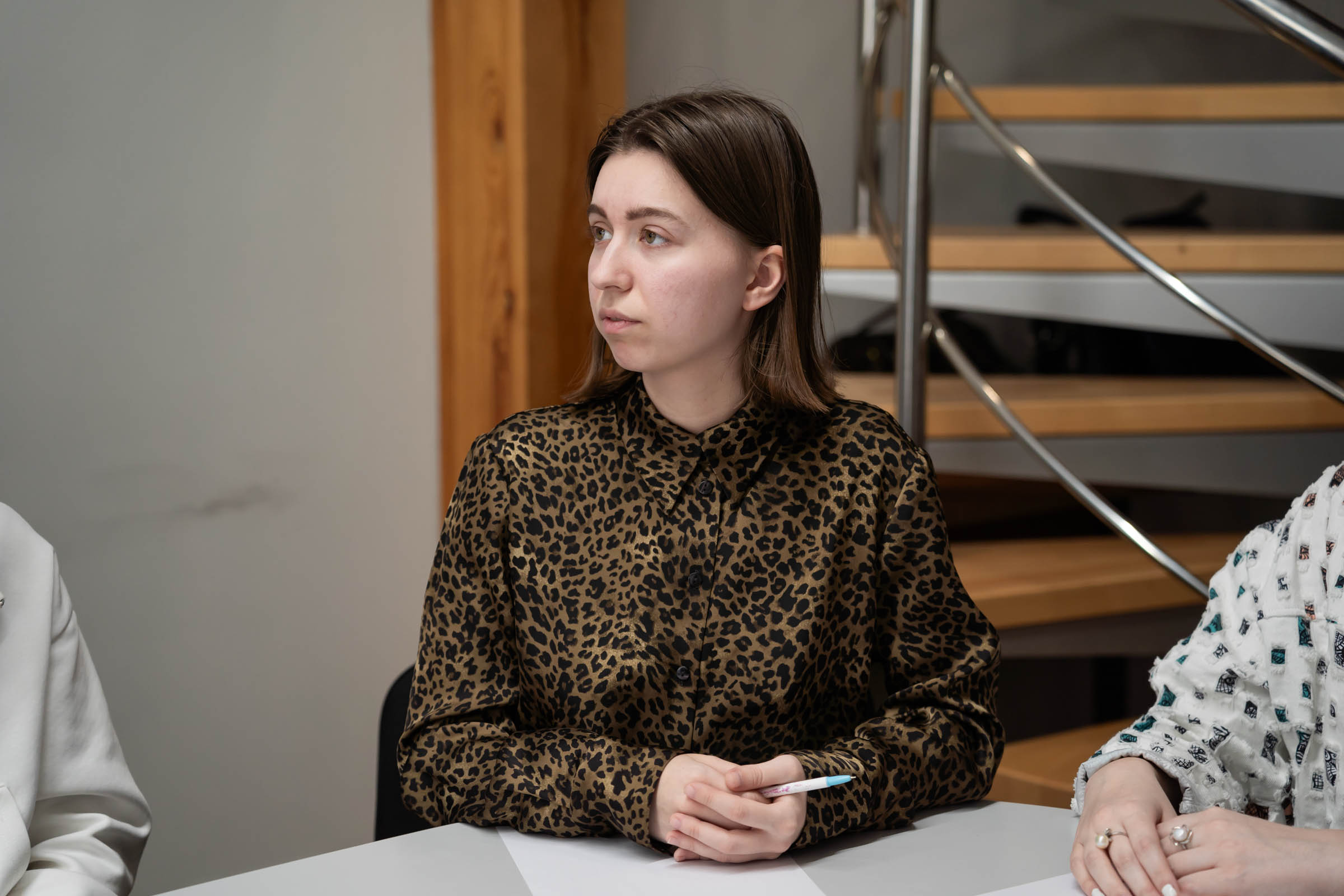
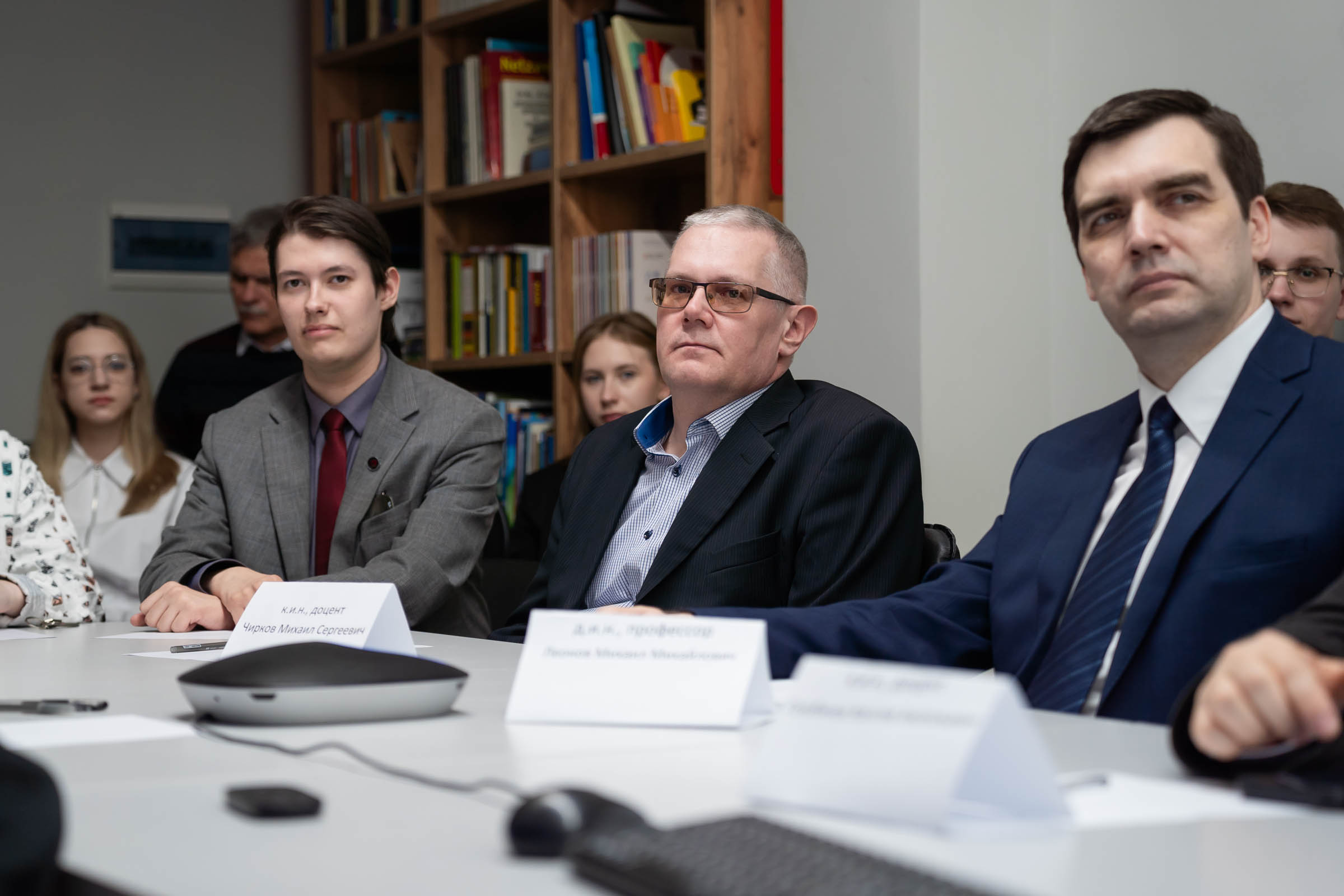
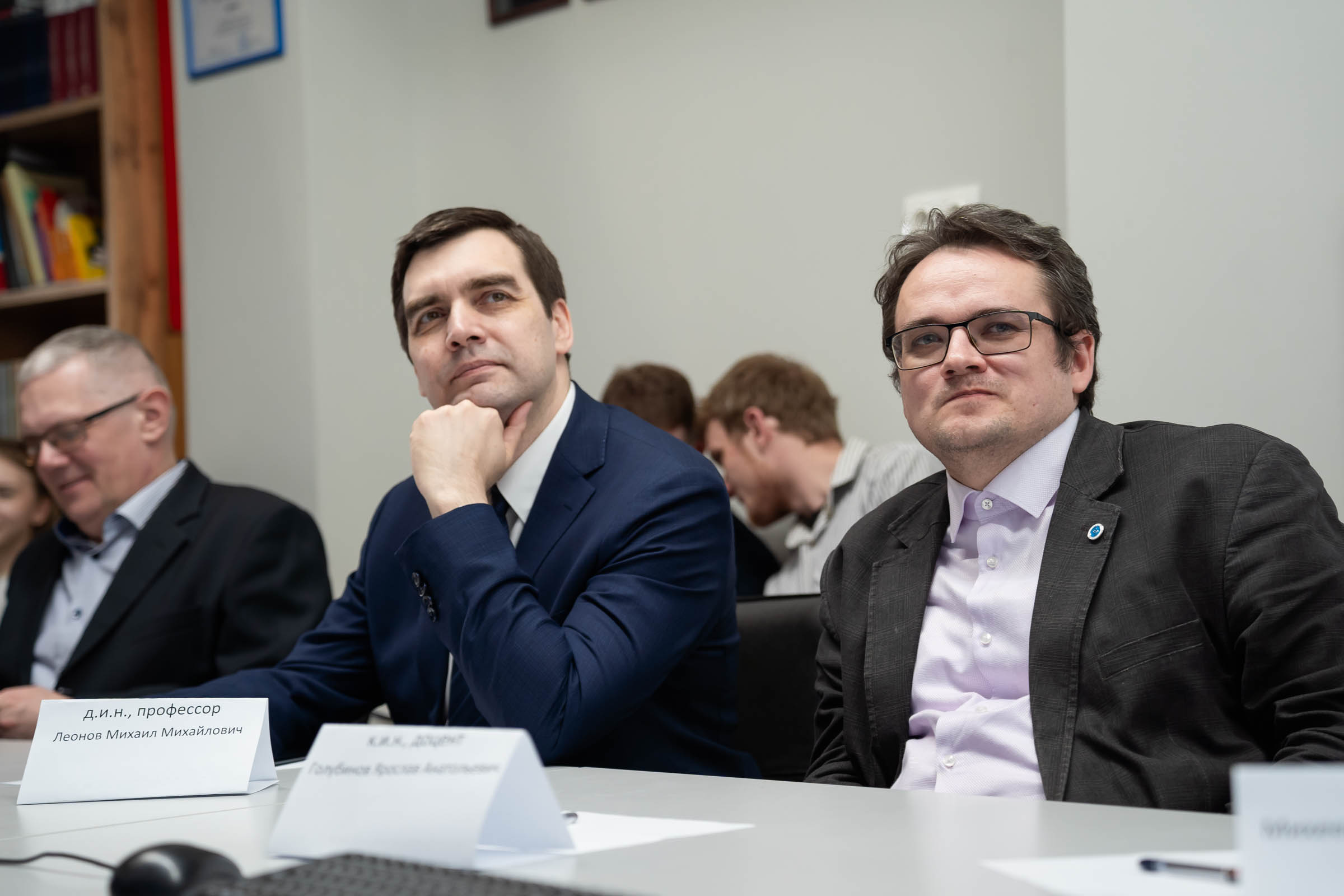
Representing Samara University from the Regional Centre for the Development of Public Diplomacy and International Relations named after Yevgeniy M. Primakov were: Mikhail Leonov, Vice Rector for Student Affairs and Youth Policy, Yaroslav Golubinov, Dean of the Faculty of History, Associate Professors Mikhail Chirkov and Alina Mikheyeva from the Department of National History and Historiography, and students from the Faculty of History.
Natalya Tyurina announced two upcoming sessions within the special project:
· In April, a discussion on the Western European phenomenon of “flysheets” (Flugblätter)—early forms of mass-produced political and religious pamphlets;
· Followed by a session on Afanasy Nikitin’s 15th-century travelogue “Journey Beyond Three Seas” and its role in cross-cultural perception.
