

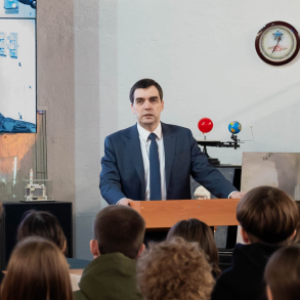
On Friday, April 24, Samara University’s Museum of Aviation and Cosmonautics hosted the international patriotic initiative “Victory Dictation”—an annual event inviting participants to reflect on and test their knowledge of the Great Patriotic War (1941–1945).
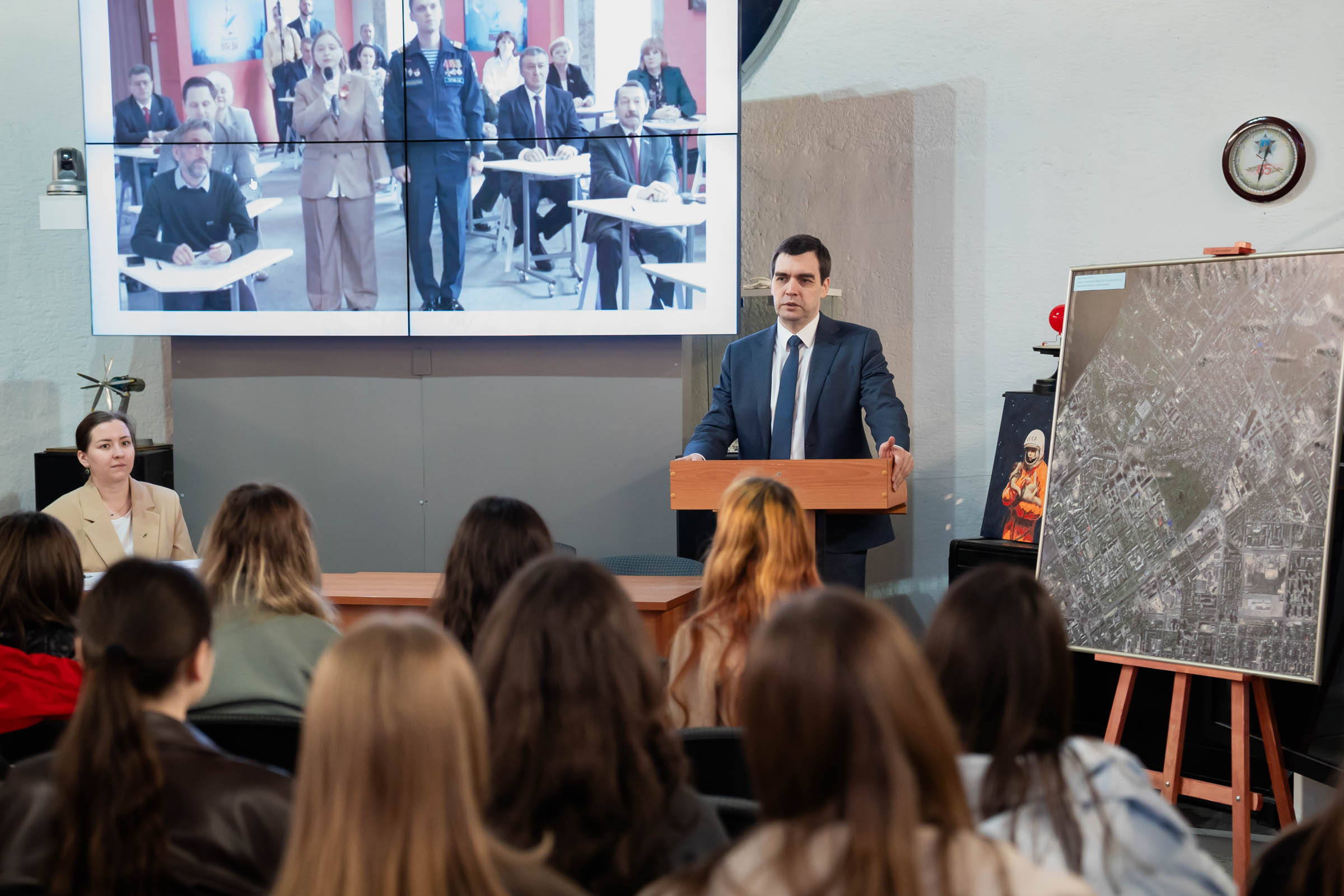
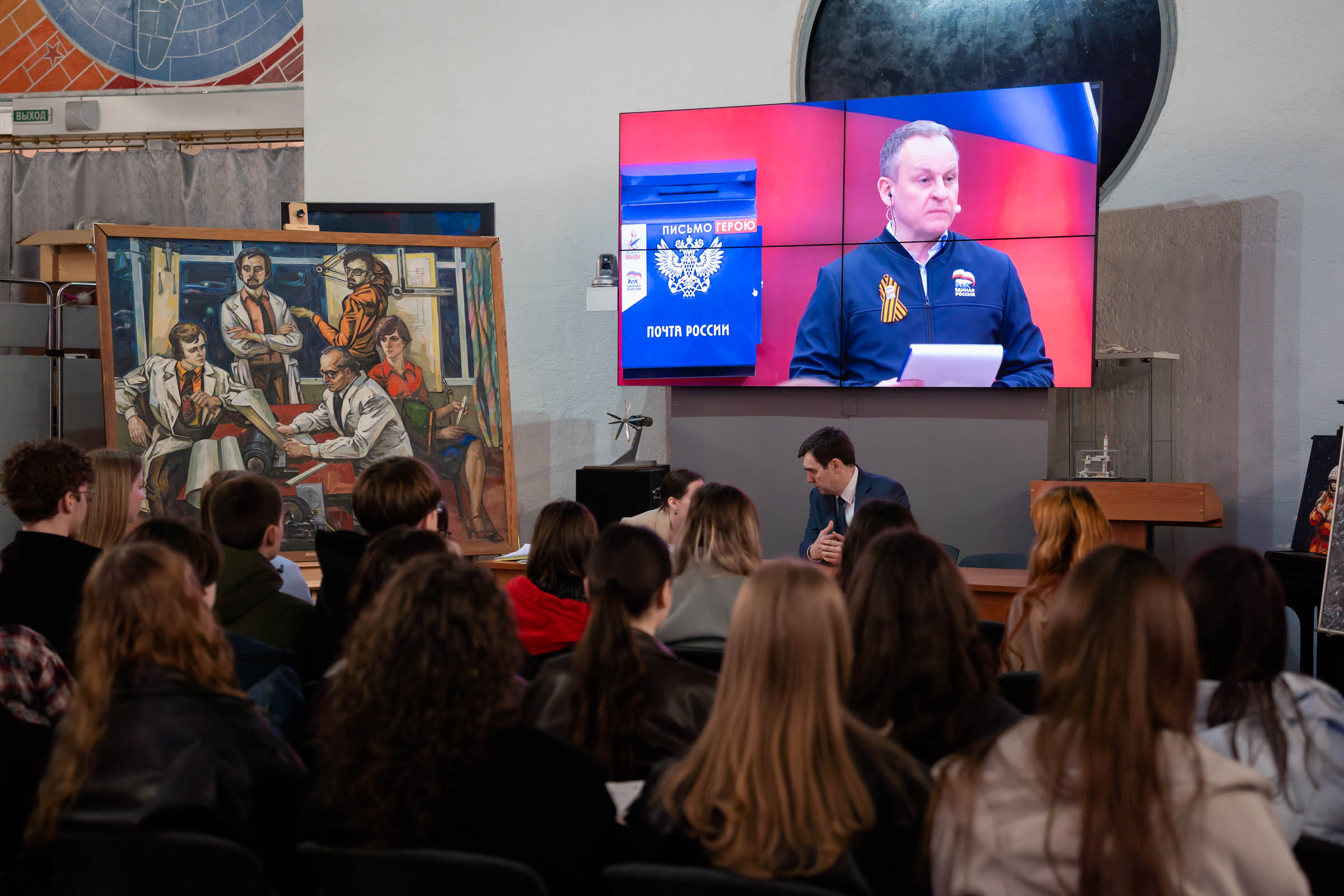
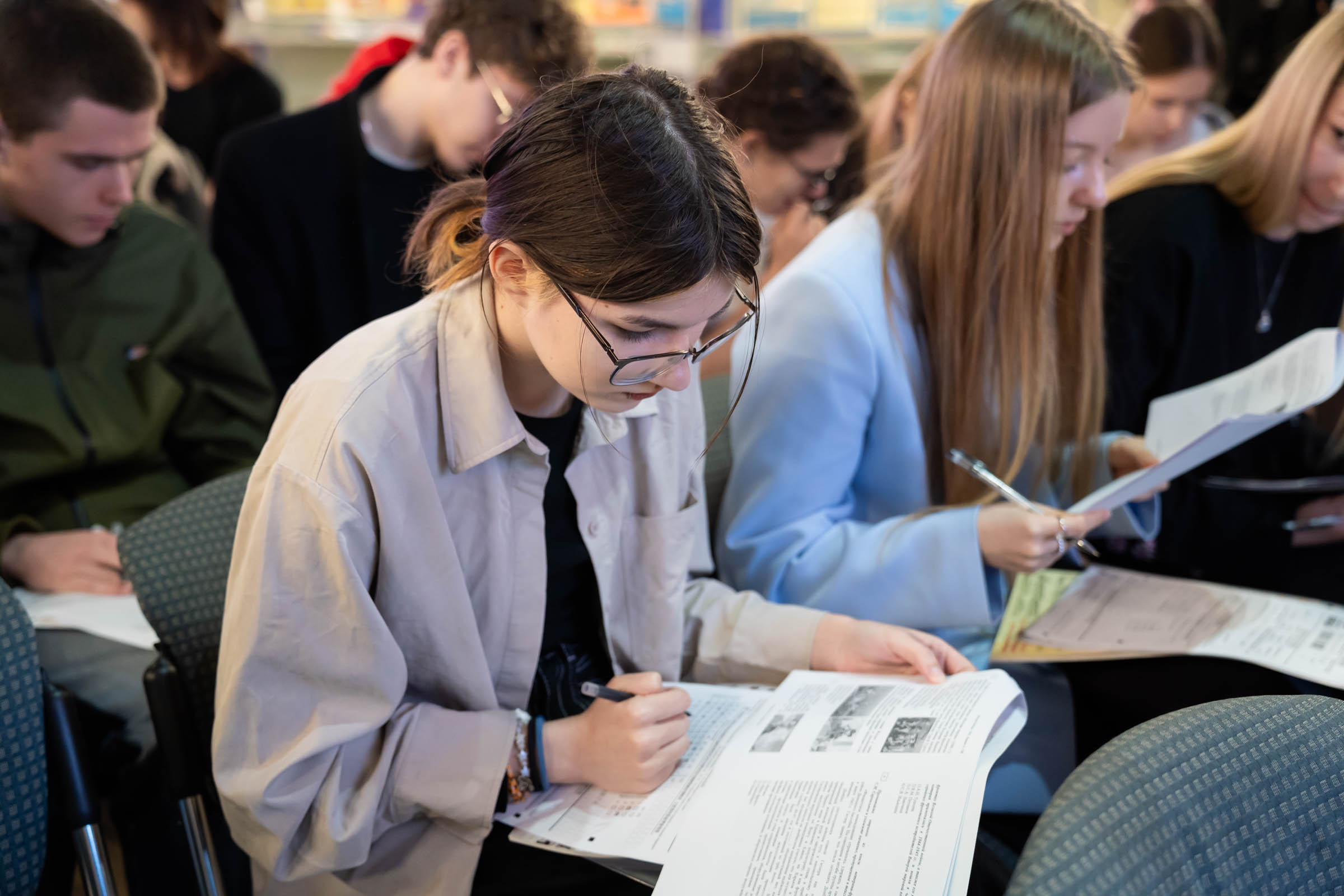
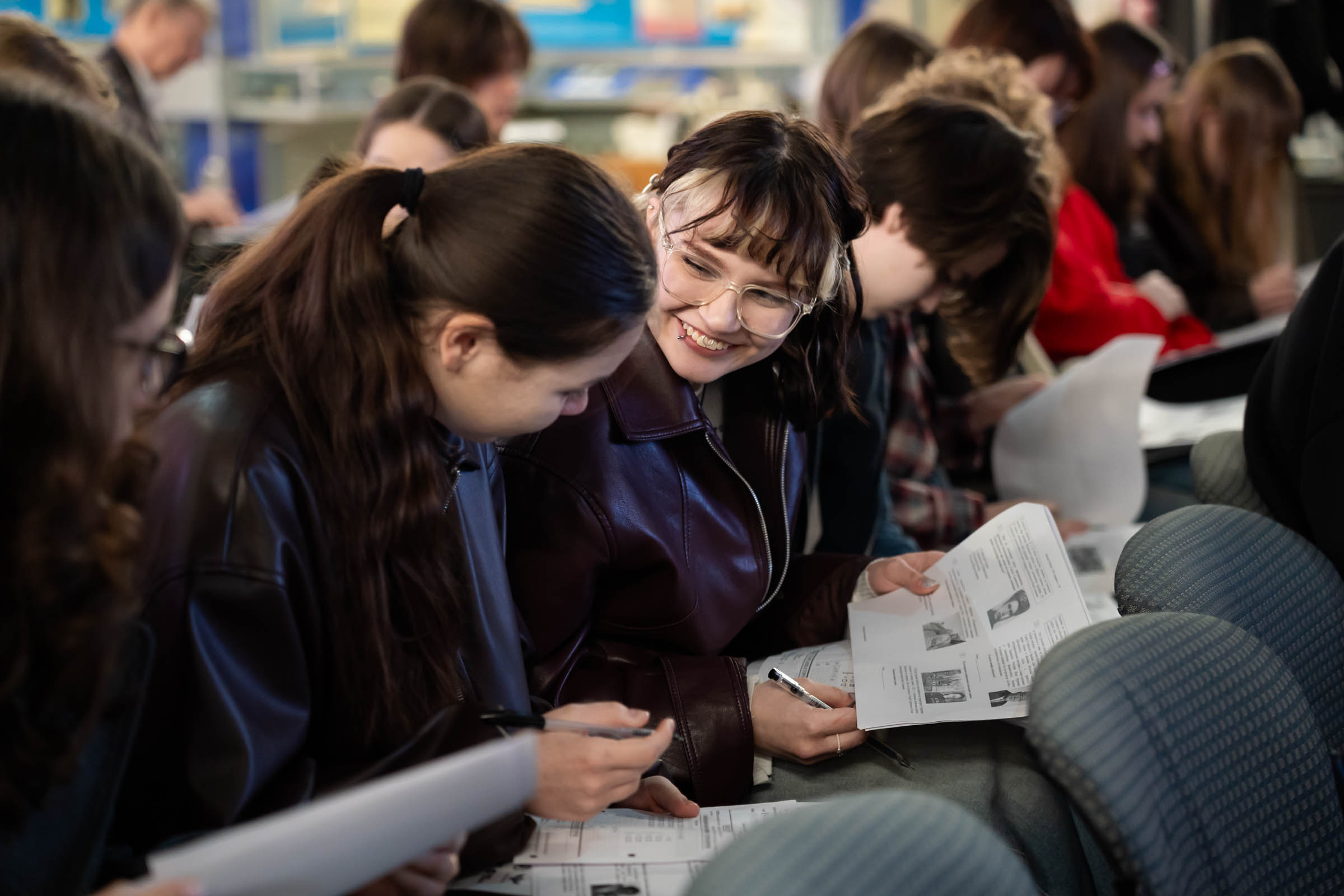
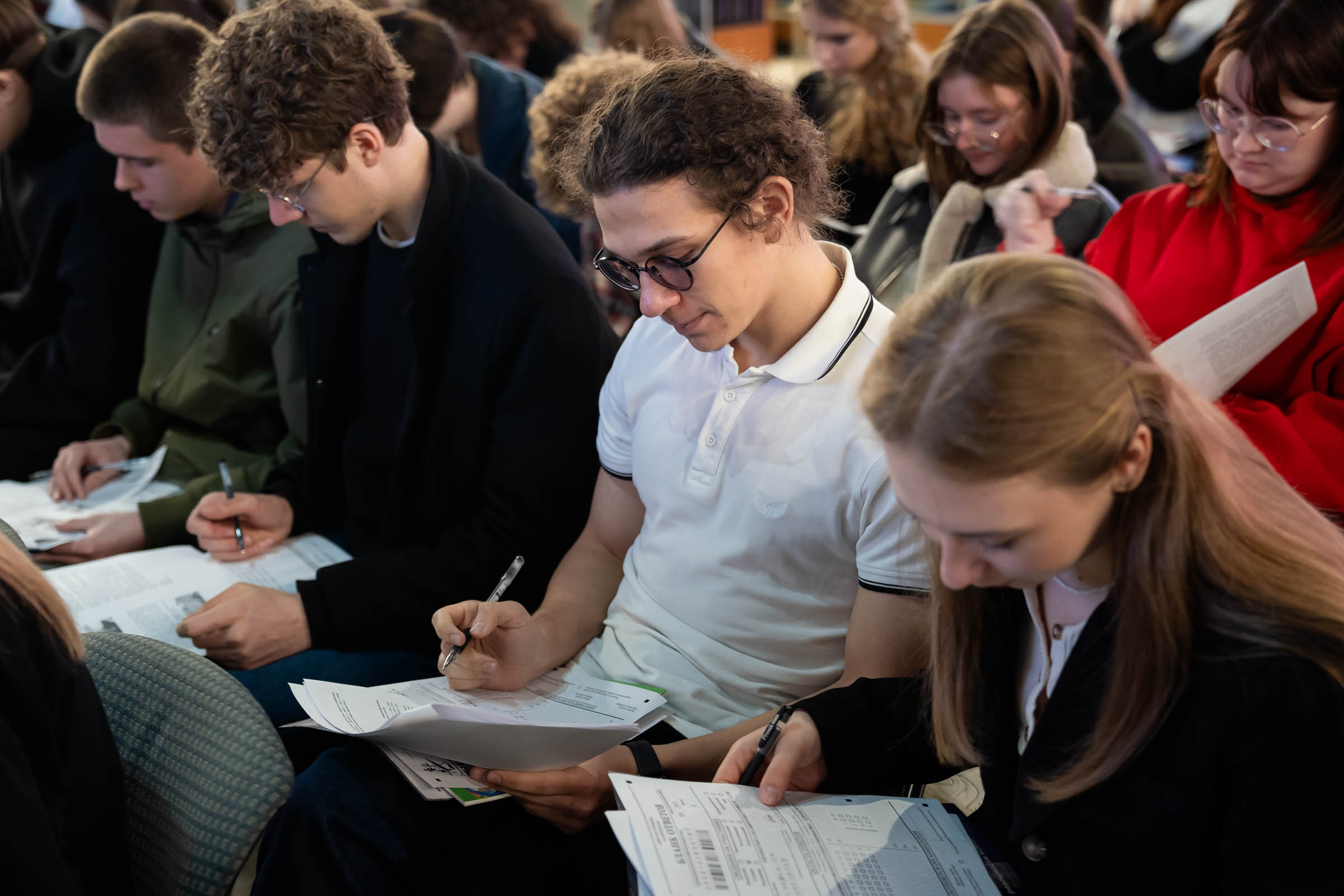
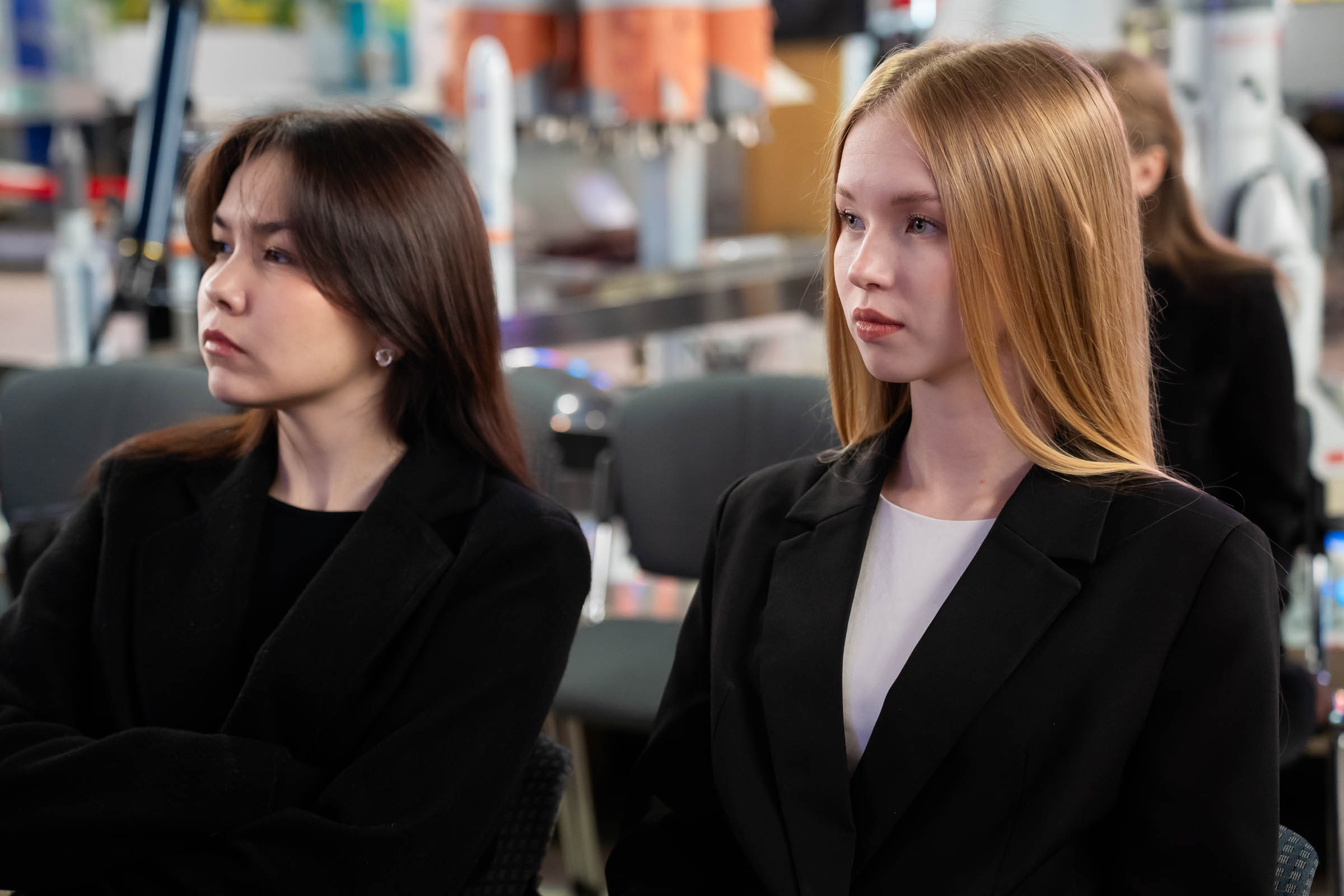
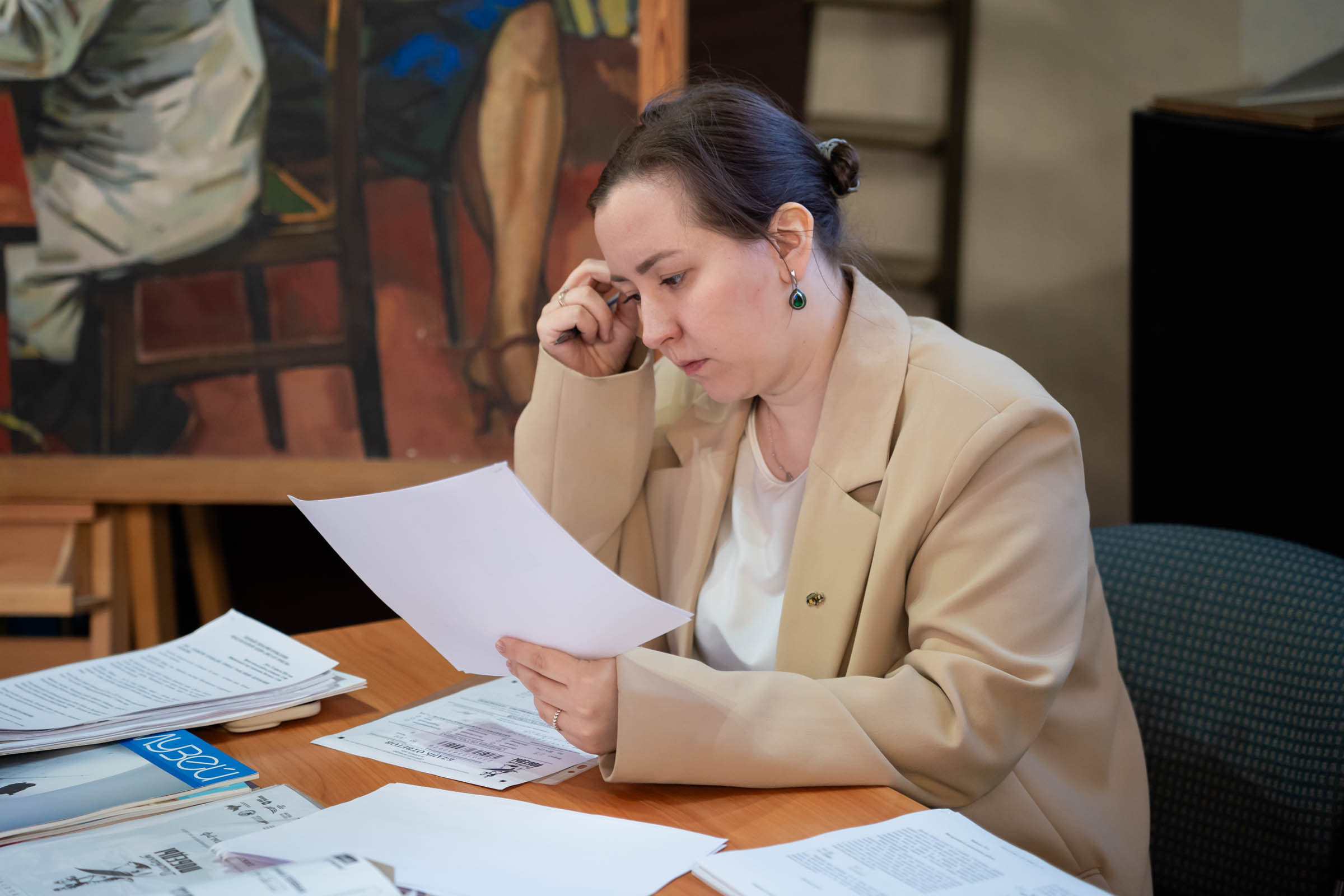
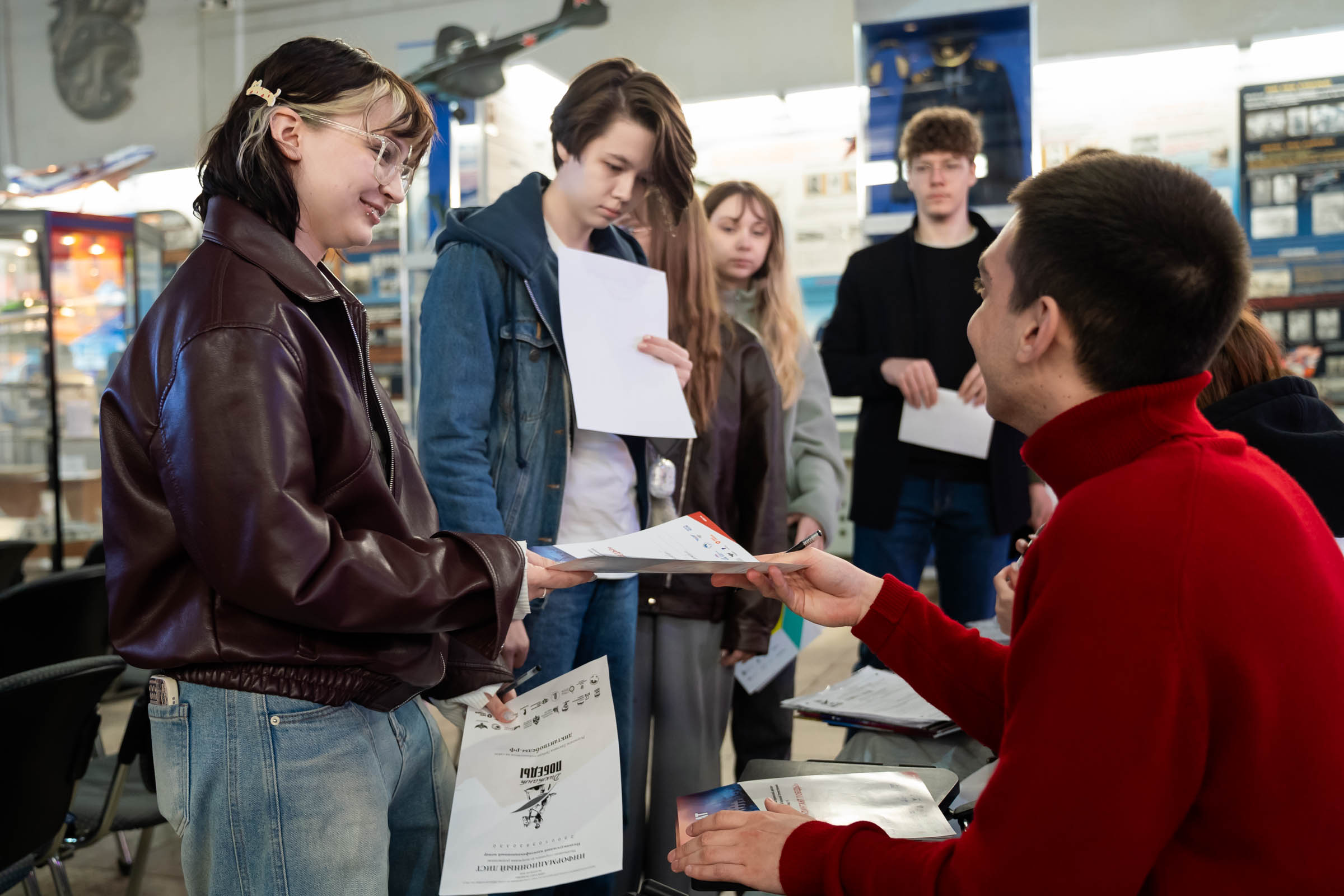
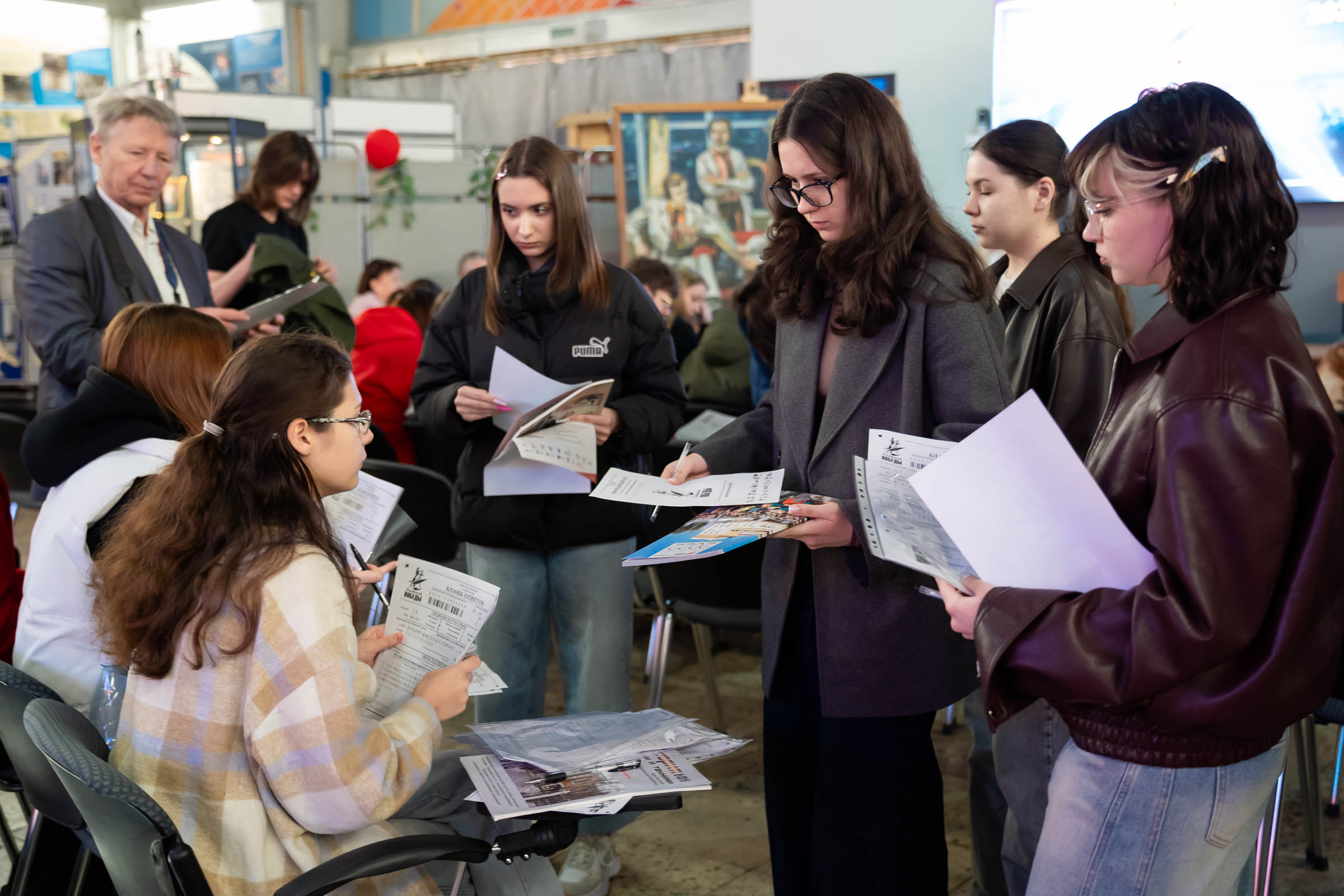
As the session began, a live broadcast filled the screen: greetings streamed in from cities across Russia—and even from aboard the International Space Station, where cosmonauts saluted the participants. At Samara University, the event was opened by Mikhail Leonov, Vice-Rector for Student Affairs and Youth Policy:
“My friends, we must remember our roots—the history of our hometown, our land, our university. We often view the Great Patriotic War through a global lens, yet forget that our fellow citizens changed the course of human history. Patriotism is nurtured in schools and families—but initiatives like the ‘Victory Dictation’ transform knowledge into personal experience. They don’t just ask you to memorize dates; they awaken a sense of belonging, responsibility, and shared memory.”
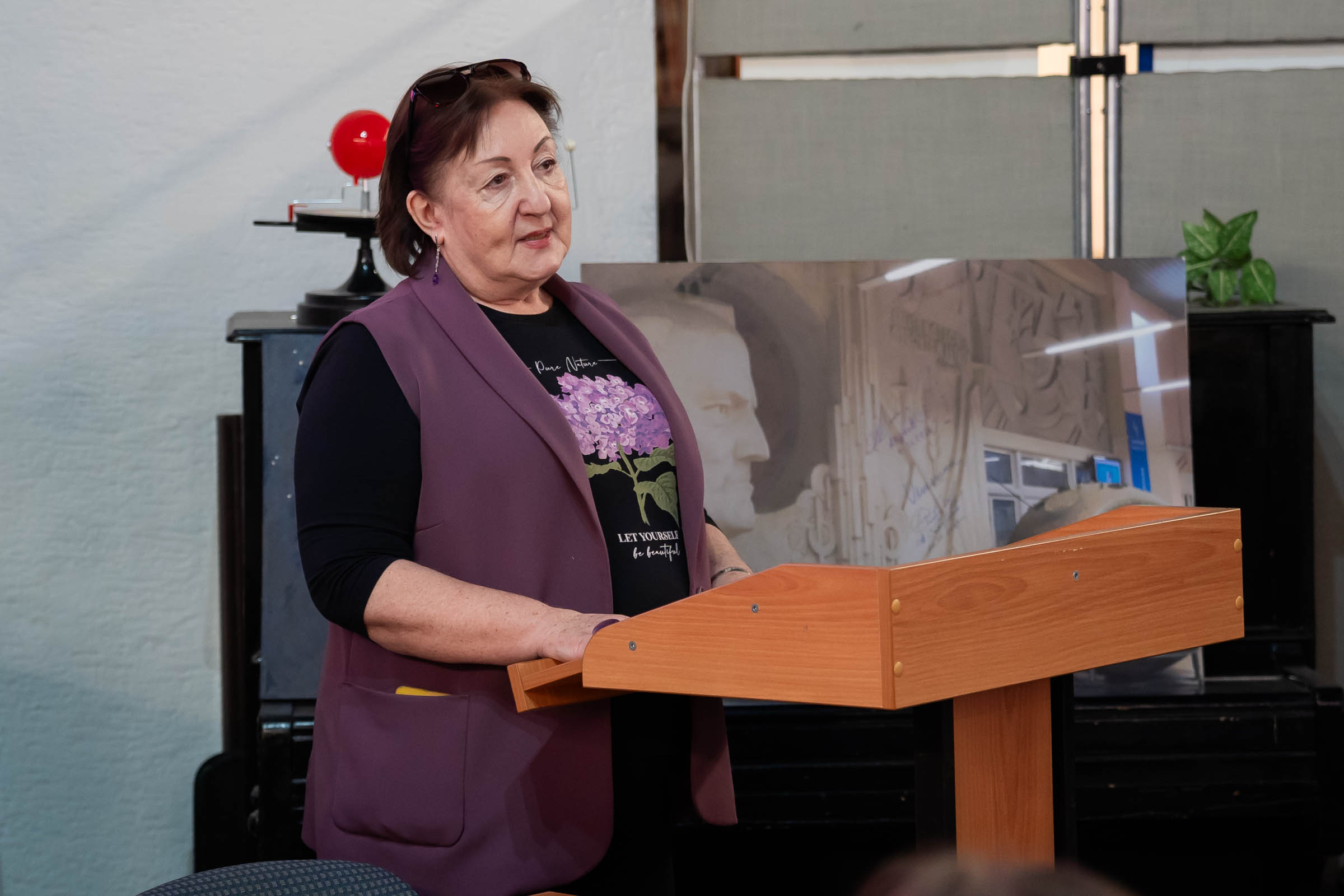
Nadezhda Bogdanova, Director of the Museum of Aviation and Cosmonautics, emphasized the emotional resonance of the event:
“The ‘Victory Dictation’ has become a tradition. Here, in the museum, history comes alive. We tell students about our university’s scientists and staff who fought in the war. This dictation isn’t an exam—it’s a catalyst. It inspires people to read more, watch documentaries, and explore what lies beyond textbook pages. It covers not only battles but also culture, literature, and national identity. One question this year was even dedicated to Samara—how wonderful that the organizers honor regional stories! Today, we have over 40 participants, mostly students. Next year, I hope our faculty and staff will join too.”
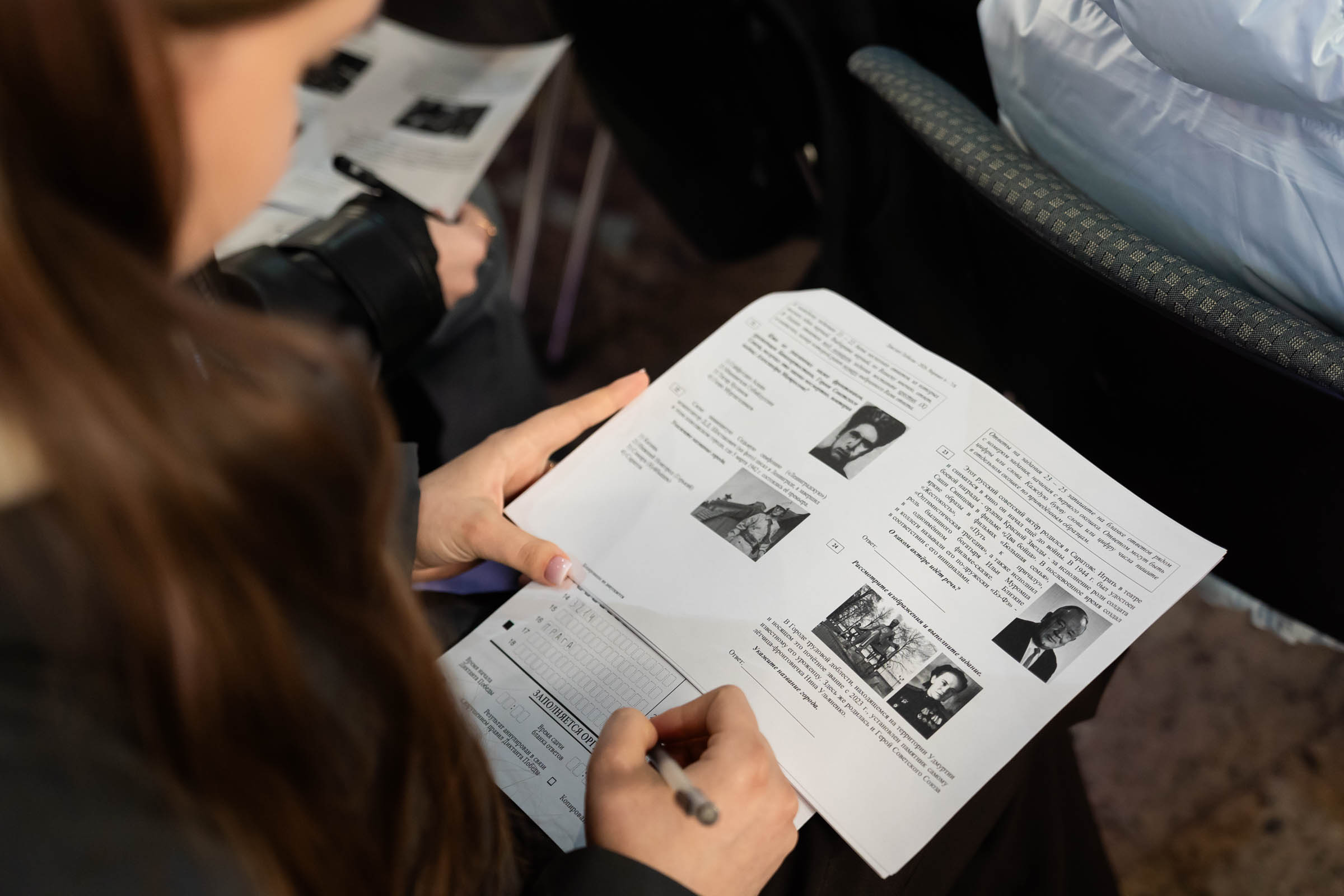
Dedicated to the 130th anniversary of Marshal Georgy Zhukov and other key wartime anniversaries falling in 2026, this year’s dictation challenged participants to answer 25 questions in 45 minutes. The questions spanned military history, literature, and cultural memory:
- In 2026, it will be 125 years since the birth and 70 years since the death of Soviet writer Alexander Fadeev, author of “The Young Guard.” Which Upper Volga town was his birthplace?
- Yuri Nepritsky’s famous painting “Rest After Battle” features Vasily Terkin—a character from Tvardovsky’s epic poem. Who illustrated the original edition? (Hint: a fellow countryman and close friend of Tvardovsky, also named People’s Artist of the USSR.)
- Read an excerpt from Marshal Dmitry Ustinov’s memoirs and identify the missing surname of the weapons designer.
For many first-year students from the Institute of Social Sciences and Humanities, this was their inaugural “Victory Dictation.” Participants Anastasia Kurganova and Ekaterina Chirkova praised the museum setting:
“It’s beautiful here—fascinating exhibits, a special atmosphere. Knowing your country’s history and honoring those who defended it is essential. To future participants: prepare in advance! Study the people who turned the tide of history—and don’t forget modern historical research.”
All attendees received commemorative certificates. Individual results will be published in June on the official website DIKTANTPOBEDY.RF, accessible via personal registration numbers.
In 2025, the “Victory Dictation” drew over 1.5 million participants across 97 countries. In Samara Oblast alone, 2,080 venues hosted the event this year. But beyond the numbers lies its true purpose: for one hour, people pause to remember—to speak about those who gave their lives for their homeland, and whose legacy continues to protect it.
And if, after the dictation, someone picks up a book or watches a film about the war—then the mission has been fulfilled.
