

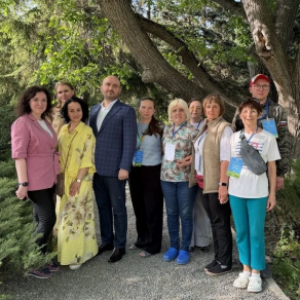
The Botanic Garden of Samara University has unveiled two striking new attractions: the “Paradise Garden” and the “Cosmic Conquerors Mound.” These spaces blend horticultural artistry with scientific legacy—honoring both the region’s botanical heritage and Russia’s pioneering role in space research.
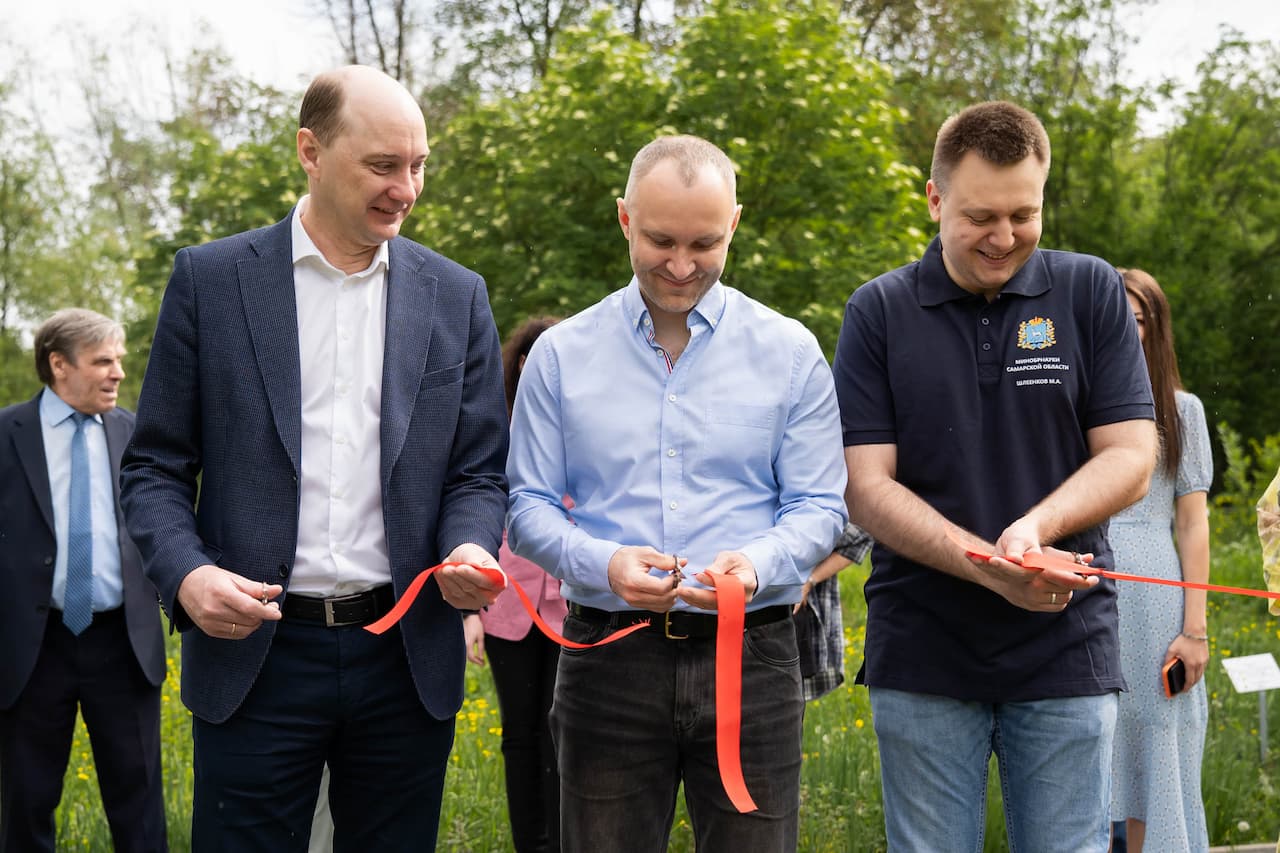
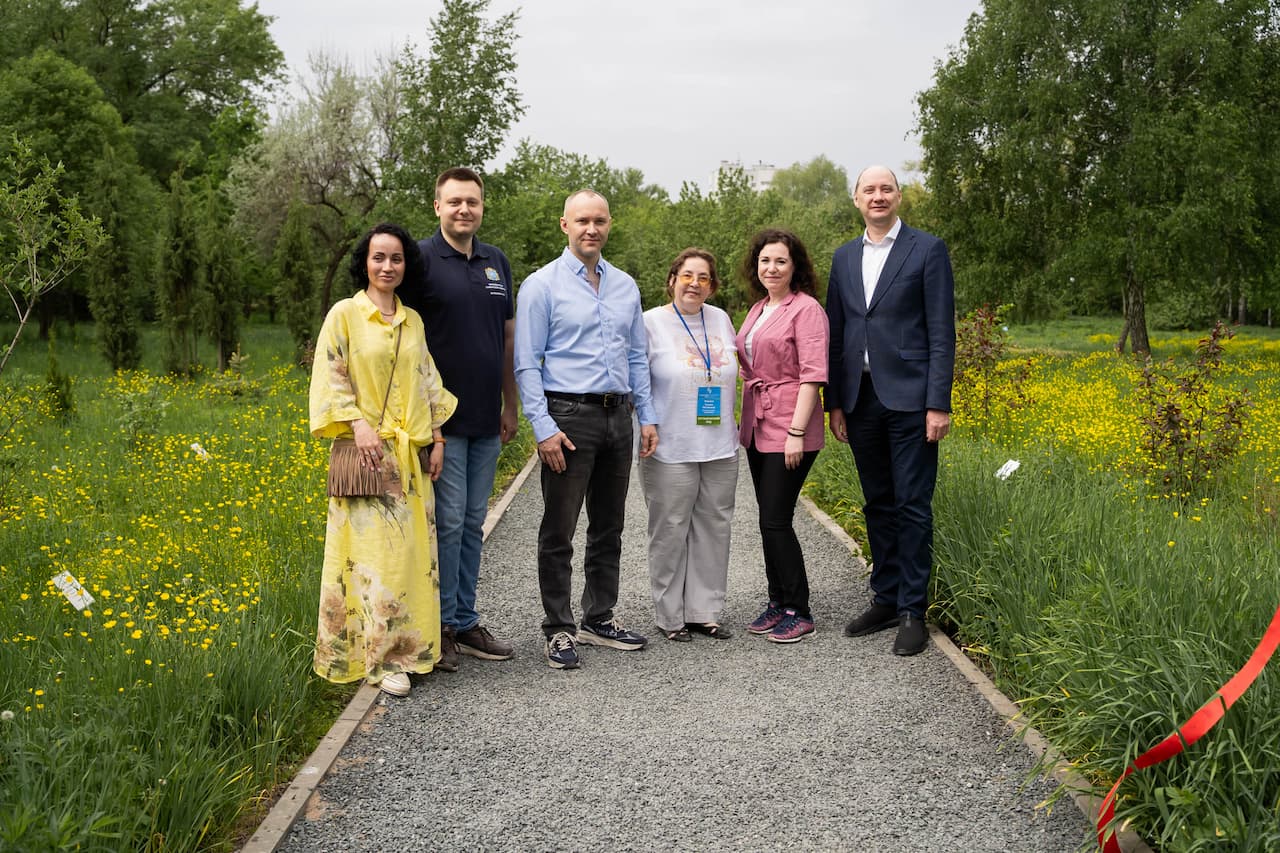
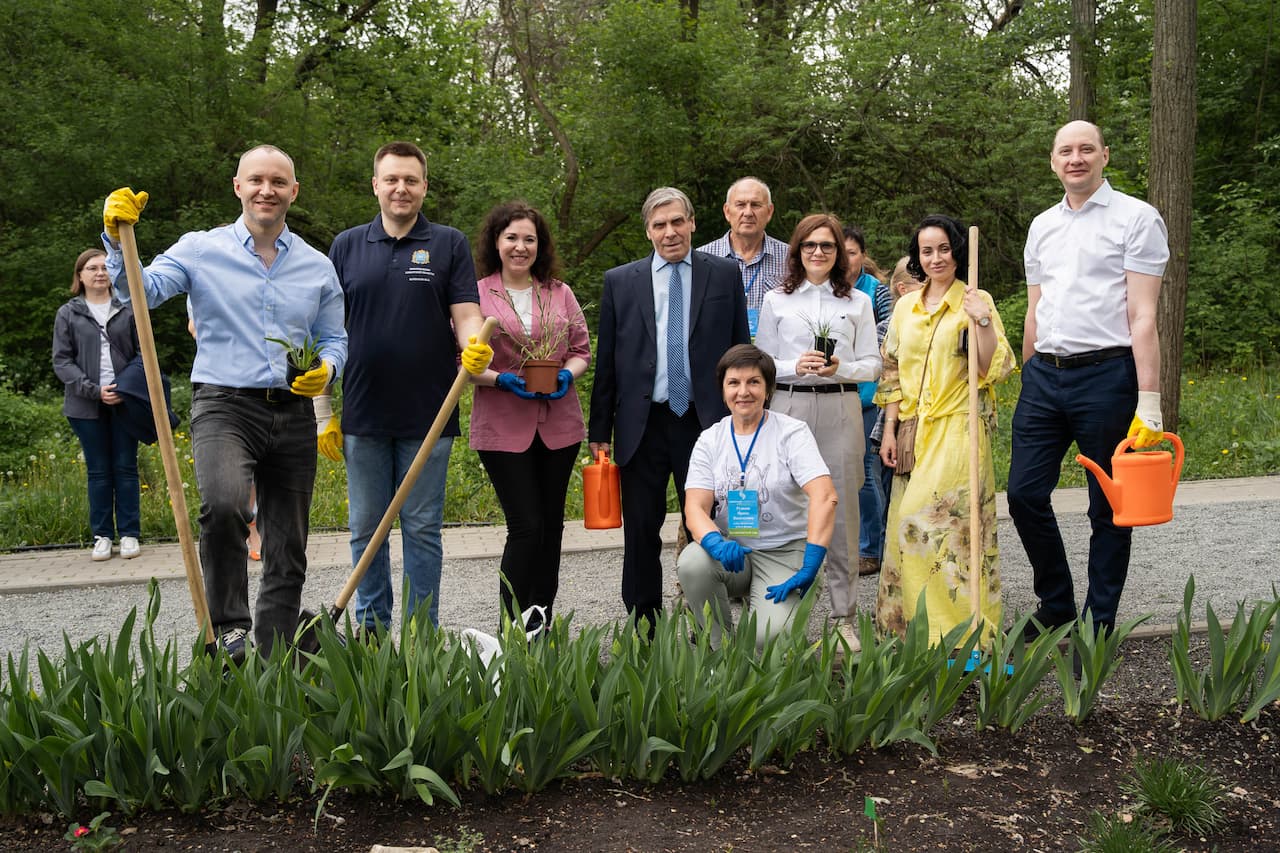
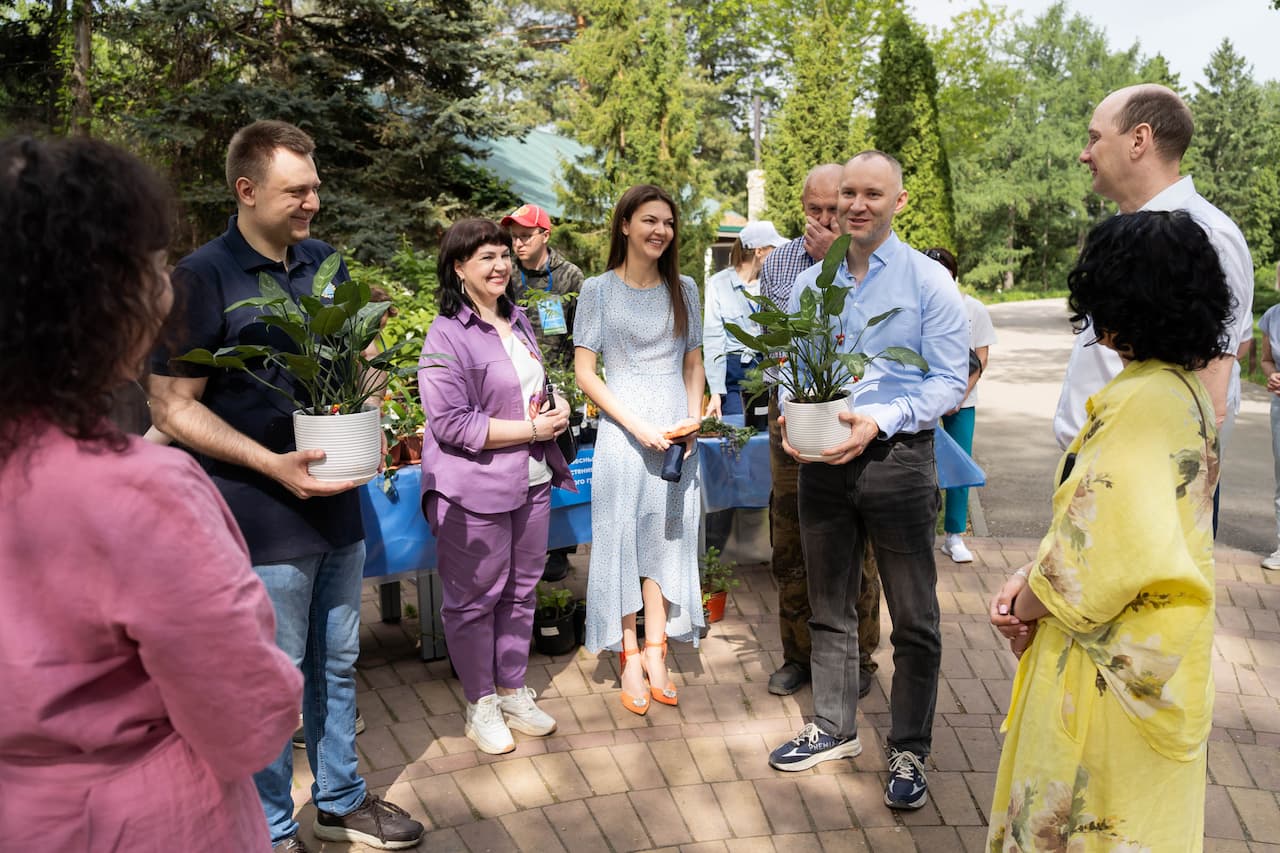
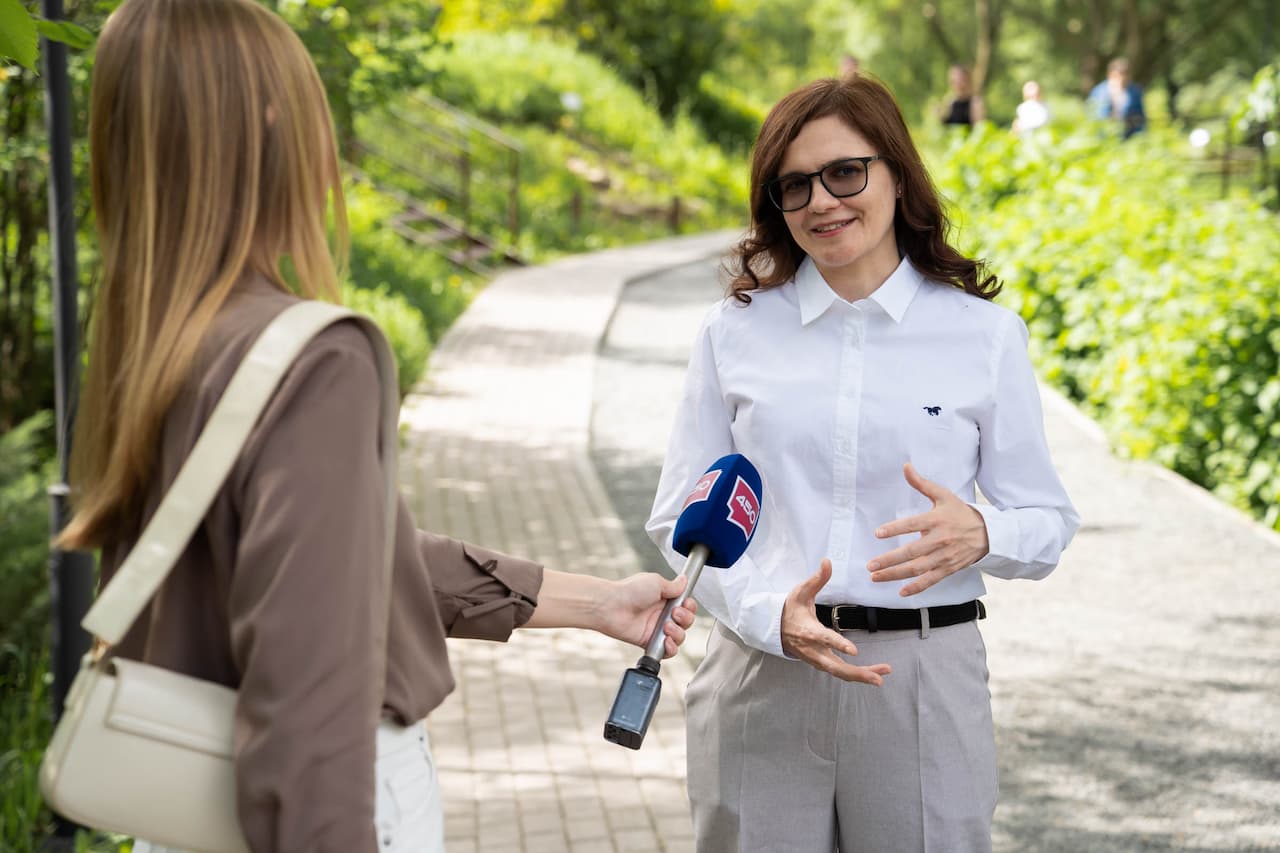
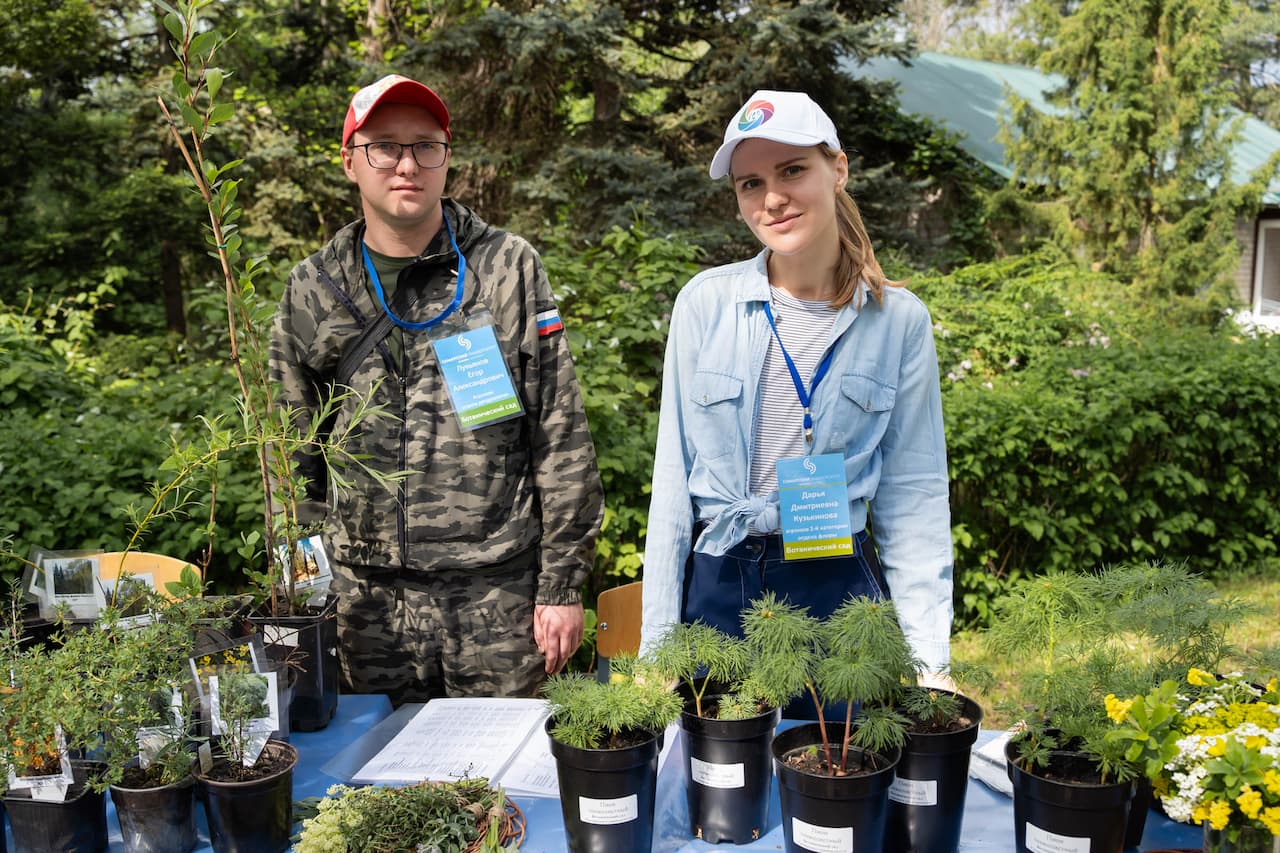
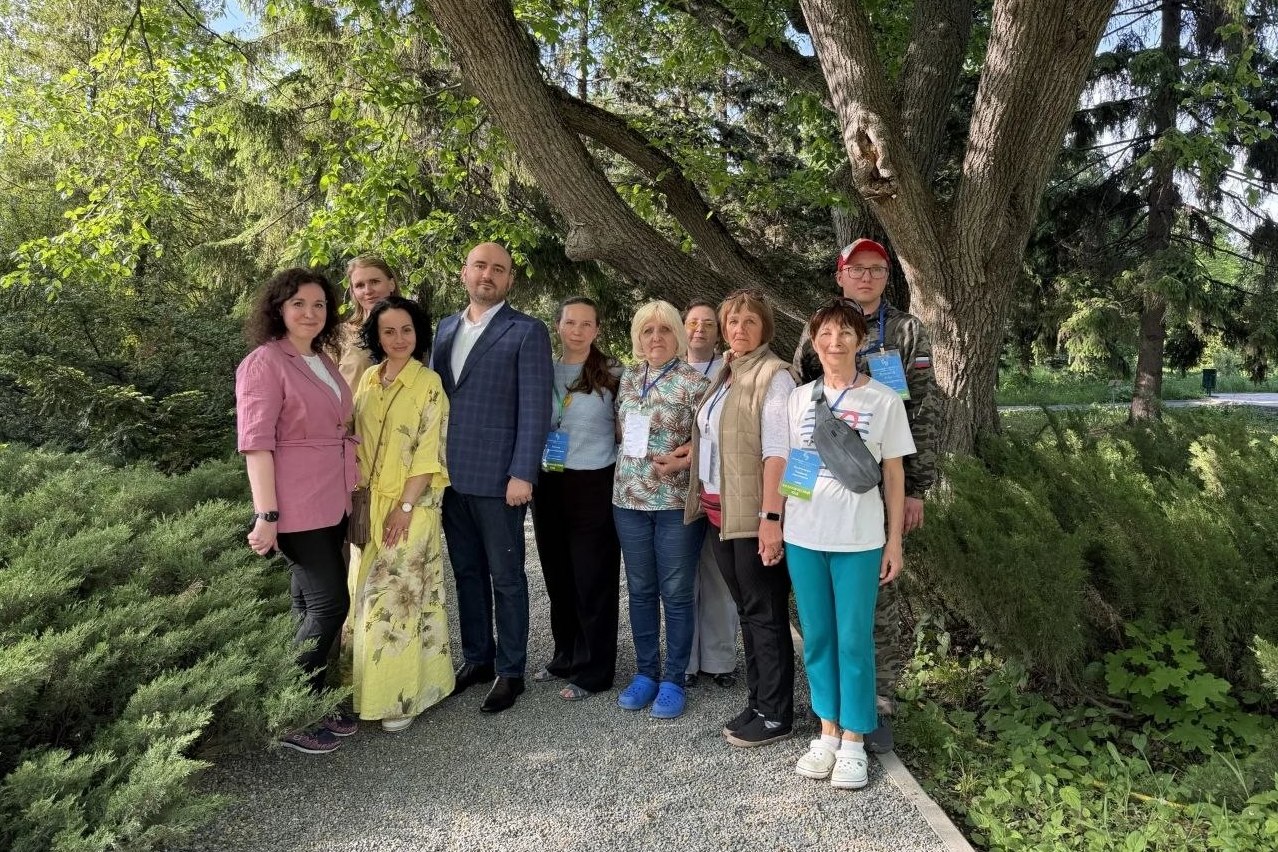
The first visitors to experience these new sites included Vyacheslav Fedorishchev, Governor of Samara Oblast; Mark Shleenkov, Acting Minister of Science and Higher Education of Samara Oblast; Artem Efimov, Minister of Natural Resources and Ecology; Anna Rozenzweig, First Vice-Rector for Research; and Dmitry Pashkov, Vice-Rector for Digital Transformation.
Paradise Garden: A Living Palette of Ornamental Apples
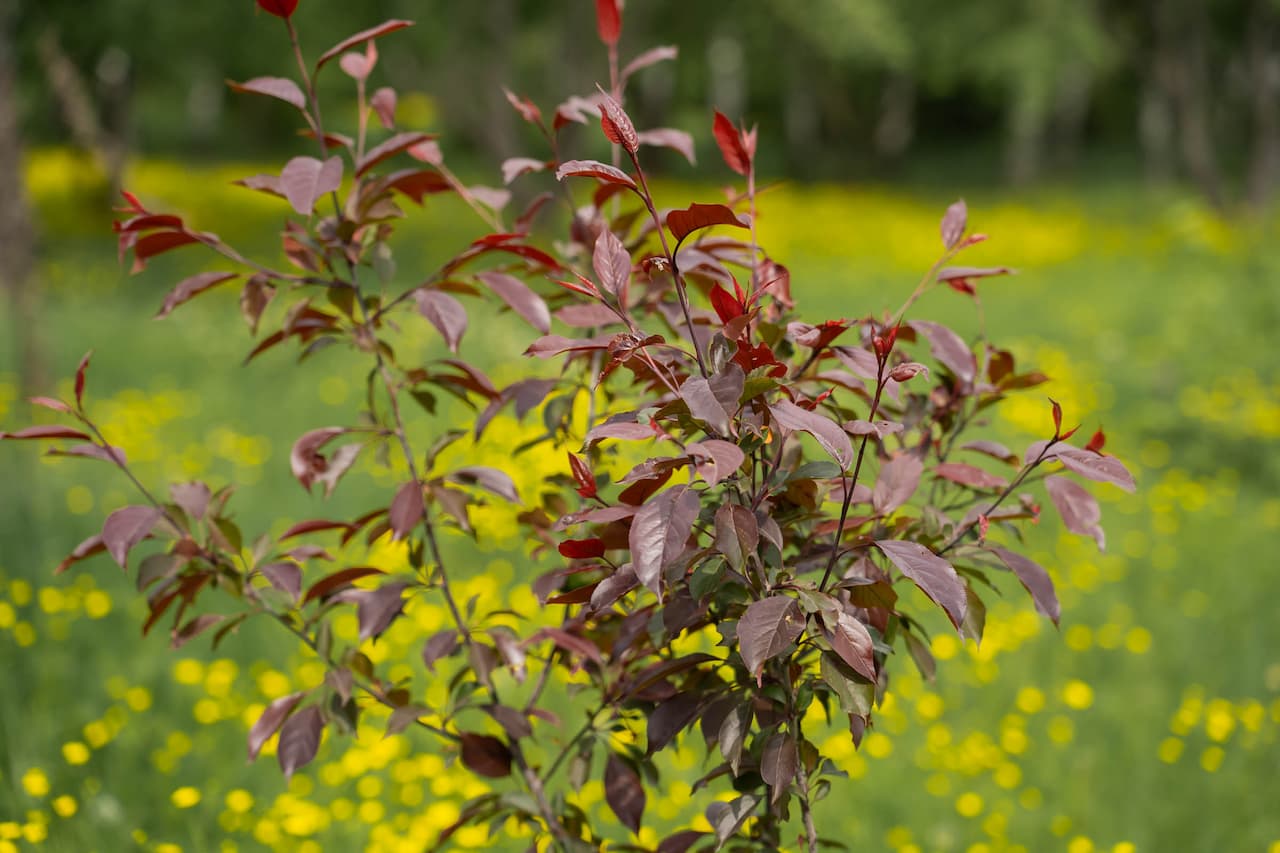
At the heart of the Paradise Garden stands a curated collection of ornamental apple trees, chosen for their vivid colors and symbolic resonance. Among them are deep-purple cultivars like ‘Royalty,’ ‘Verdak,’ and ‘Royal Beauty,’ as well as Scheidecker’s ‘Red Jade,’ the dwarf ‘Helena,’ and the vibrant ‘Scarlet.’ Also featured is the ‘Nikas’ apple tree—named in honor of renowned Russian artist Nikas Safronov.
“Every tree is a gift to the Botanic Garden,” said Tatyana Zhavkina, Head of the Dendrology Department.
“The first ‘Scarlet’ saplings were donated by children from Donetsk who took part in our University Camps back in 2022.”
This new orchard complements the historic Apple Collection, which dates back to the Garden’s founding in the 1930s, when Michurin’s famed varieties—including the legendary ‘Antonovka’—were first planted. In the late 1960s, local breeder Sergey Petrovich Kedrin enriched the collection with regional cultivars such as ‘Kuybyshevskoye,’ ‘Spartak,’ and ‘Kutuzovets.’ The story of this living archive was shared by Alexander Pomogaybin, Deputy Director of the Botanical Garden.
Cosmic Conquerors Mound: Where Earth Meets Orbit
On the newly created Cosmic Conquerors Mound, officials and university leaders planted descendants of plants whose seeds flew aboard the scientific spacecraft “Bion-M” in 2013—a mission that marked a milestone in space botany. Among the species now taking root are the rare Andrzejkowski’s Pink (Dianthus andrzejkowskii) and the Red Data Book-listed dwarf iris (Iris pumila).
Scientists from the Research Institute of Modeling and Control Problems —including Chief Researcher Yury Gorelov, Director Lyubov Kurganskaya, and Head of the Flora Department Irina Ruzaeva—explained the significance of these “space-flown” specimens.
Field trials conducted after the 2013 mission revealed remarkable results: seeds exposed to space conditions showed 70–80% germination rates, compared to just 30–50% for Earth-bound controls. Moreover, the “cosmonaut plants” often grew larger and faster than their terrestrial counterparts.
“Today, we can finally show the fruits of years of dedicated research,” said Olga Kalashnikova, Acting Director of the Botanic Garden.
“What makes our experiment unique is that we didn’t study agricultural crops—but rare native species. In addition, the results are clear: space exposure has a powerful, positive effect on wild flora. These plants not only thrive—they flourish in Samara’s soil.”
Governor Vyacheslav Fedorishchev praised the staff of this specially protected natural area for their vital work in preserving one of Russia’s most valuable botanical collections.
The visit concluded with a community clean-up day (subbotnik), joined by ministry staff and local schoolchildren.
“We cleared several garden plots,” said Mark Shleenkov.
“This isn’t just a park—it’s the largest scientific botanical site in the Volga Federal District, where every square centimeter of protected land matters.”
Photo by Olesya Orina
