
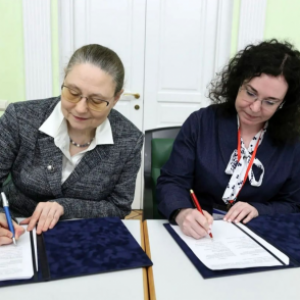
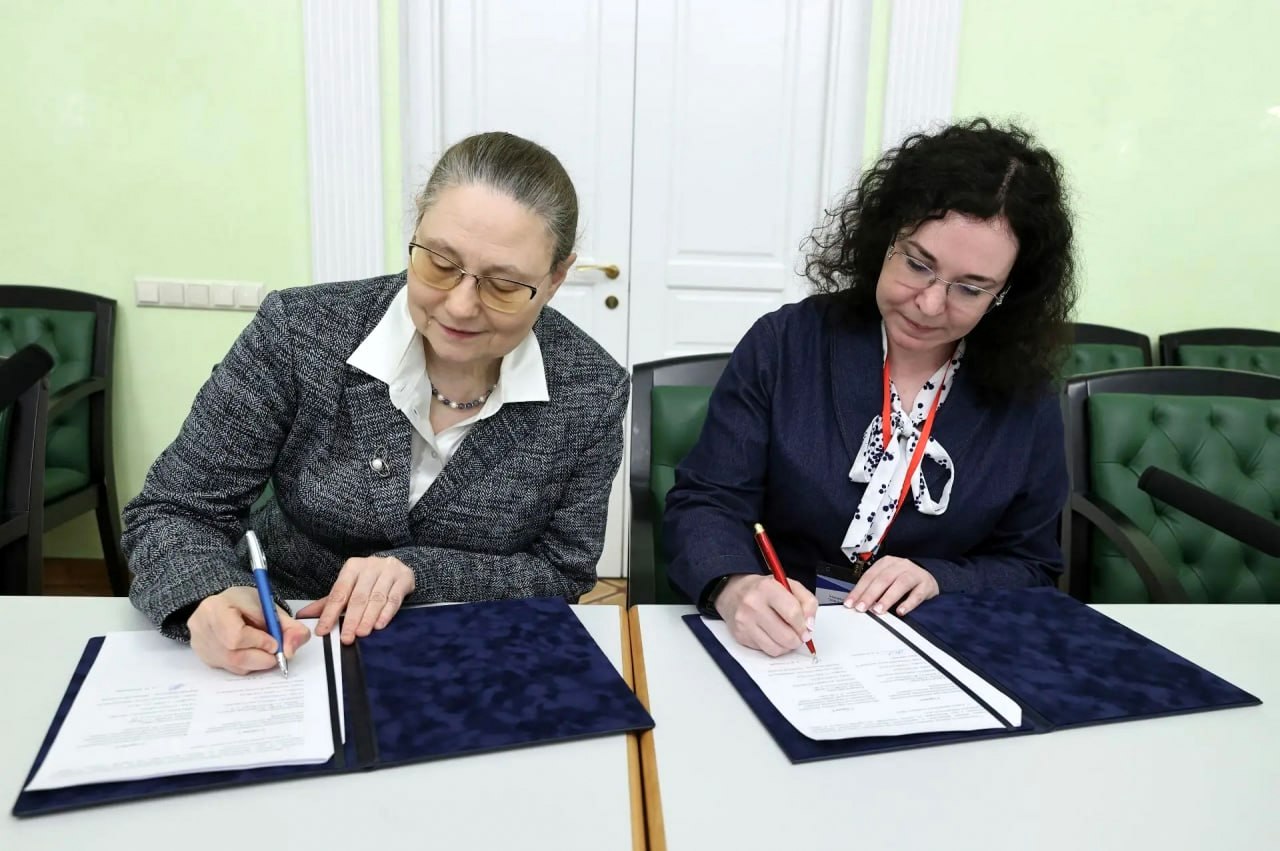
On Friday, May 29, in Dubna, a Letter of Intent was signed between Samara University and the Joint Institute for Nuclear Research (JINR). The document was endorsed by Anna Rozenzweig, First Vice-Rector for Research at Samara University, and Elena Kolganova, Vice-Director of JINR.
The agreement formalizes both parties' commitment to strengthening cooperation in several key areas:
- Conducting joint scientific research and training specialists in nuclear sciences and technologies;
- Promoting natural sciences among students and the broader public;
- Expanding international partnership networks.
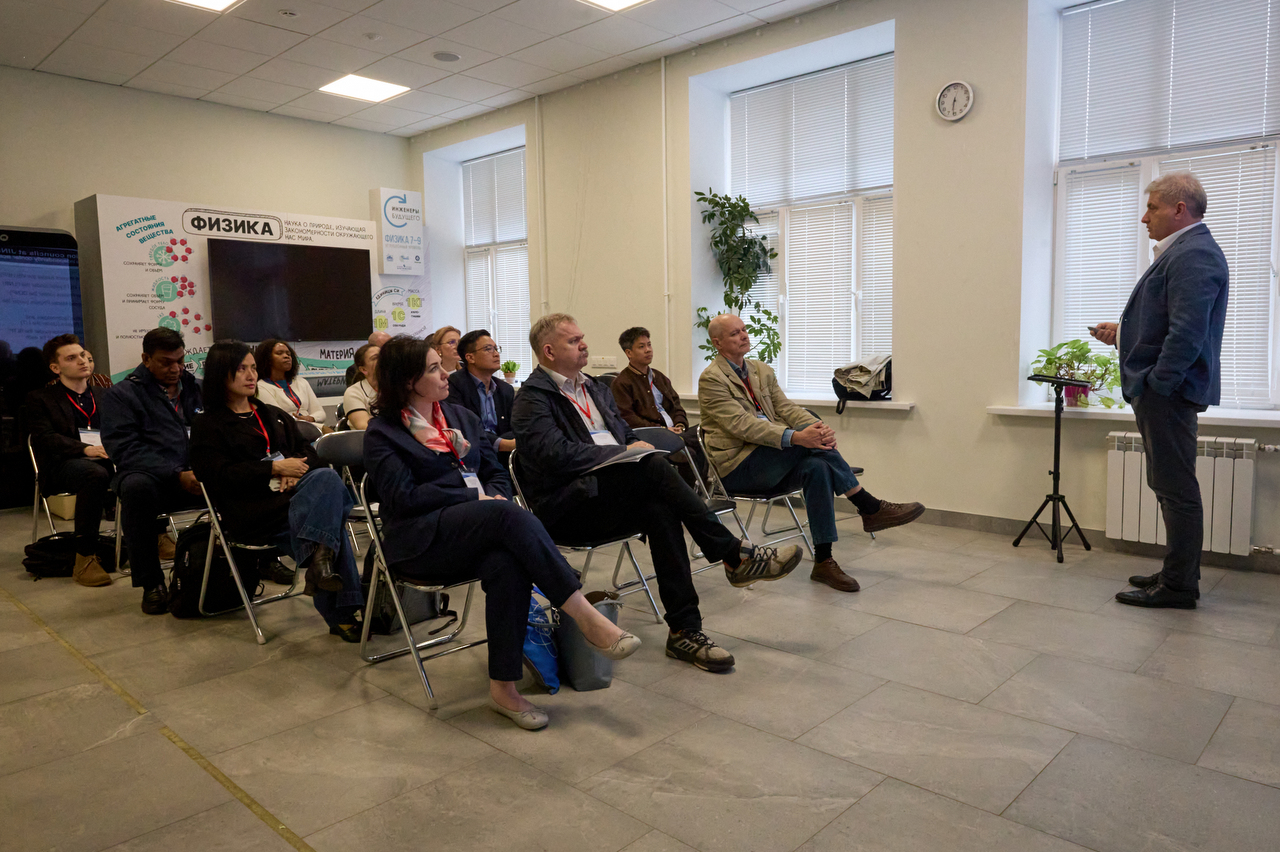
Critically, JINR confirmed its intention to establish an Information Center of the Joint Institute for Nuclear Research at Samara University. This new hub will serve as a focal point for growth and collaboration in natural science disciplines. JINR's global network now includes 13 Information Centers—spanning from Tunisia to the Russian Far East, from southern to northern latitudes. In autumn 2026, another center is set to open in Hanoi, Vietnam.
Building a Roadmap for Collaboration
Both institutions are currently developing a "roadmap" to guide joint activities and implement science and education projects—including internships, research placements at JINR, and guest lectures by JINR scientists at Samara University.
In return, Samara University will support JINR's scientific program, contributing to research and development projects and participating in scientific collaborations.
A Delegation in Dubna: JEMS-29
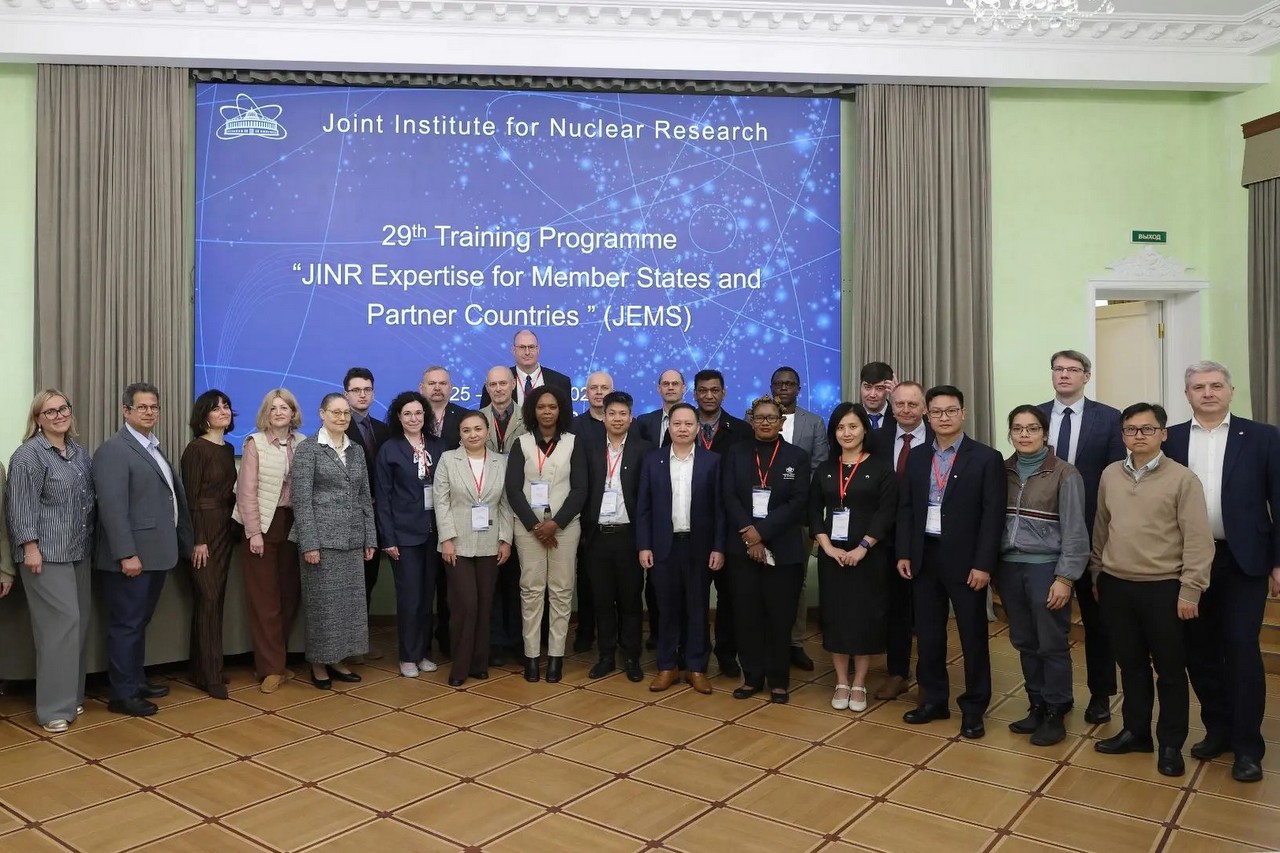
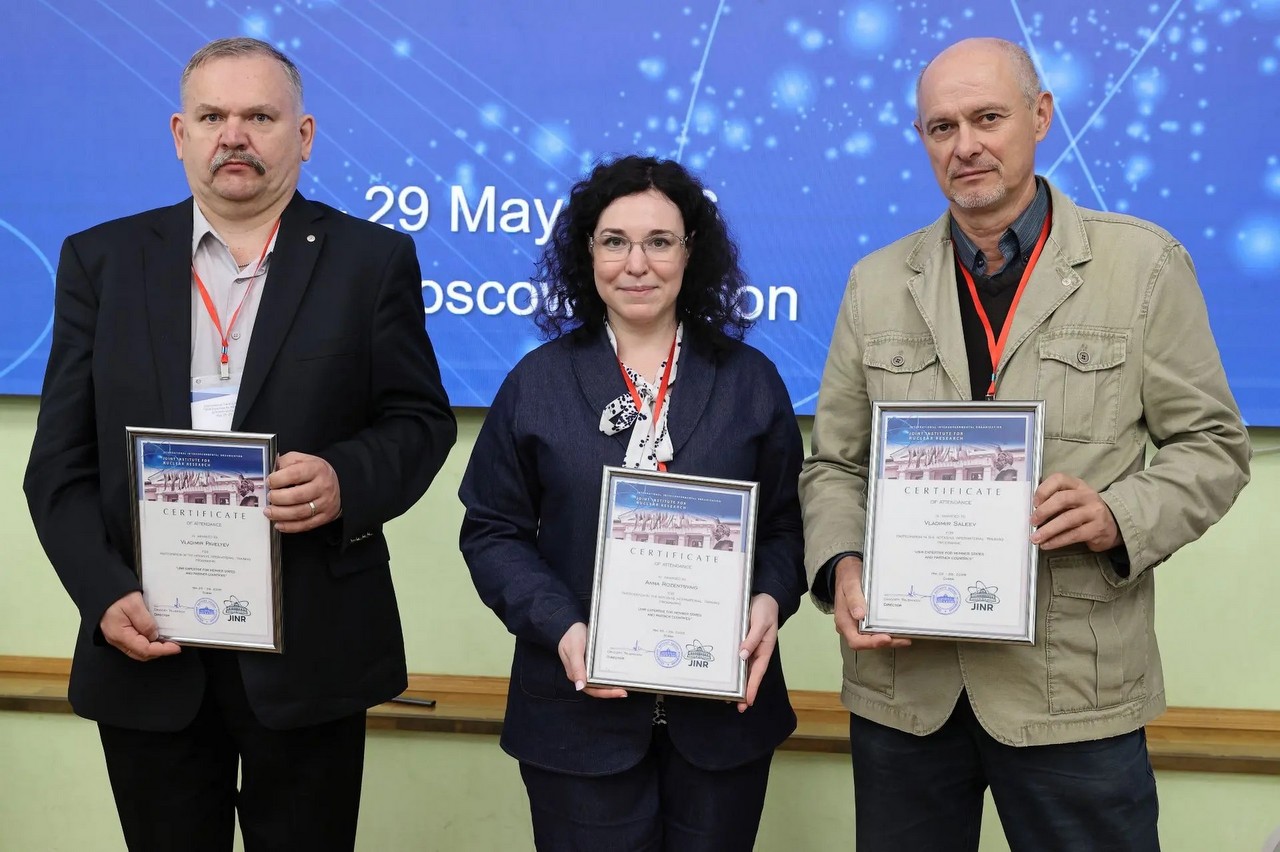
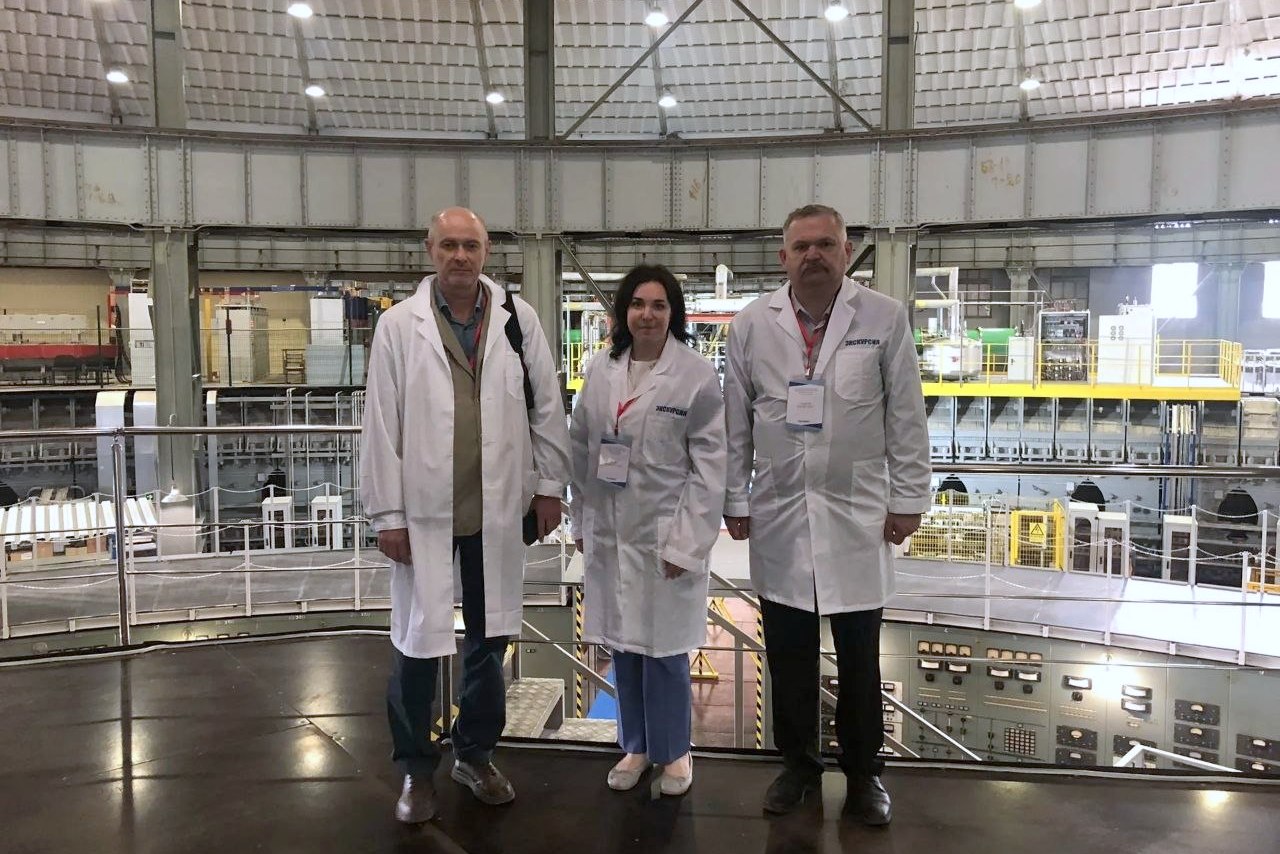
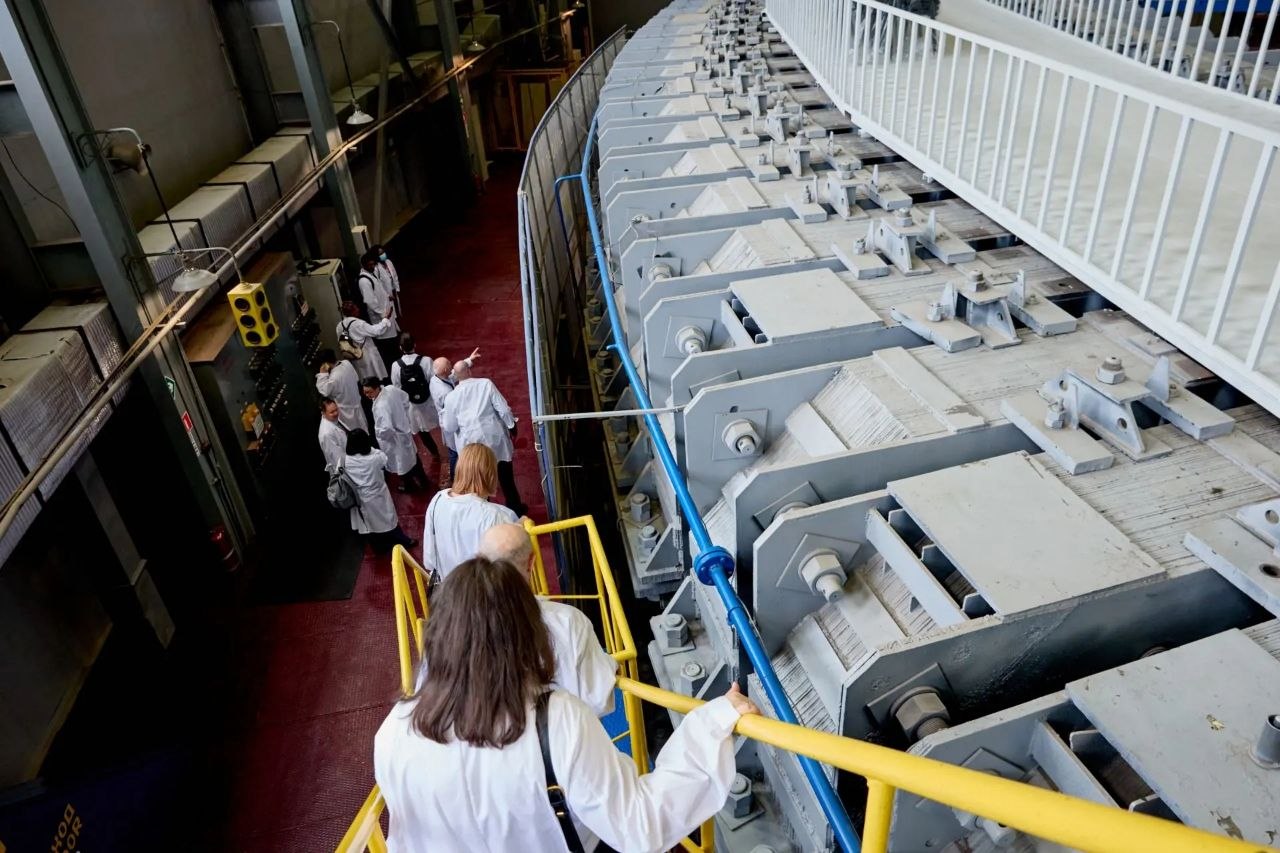
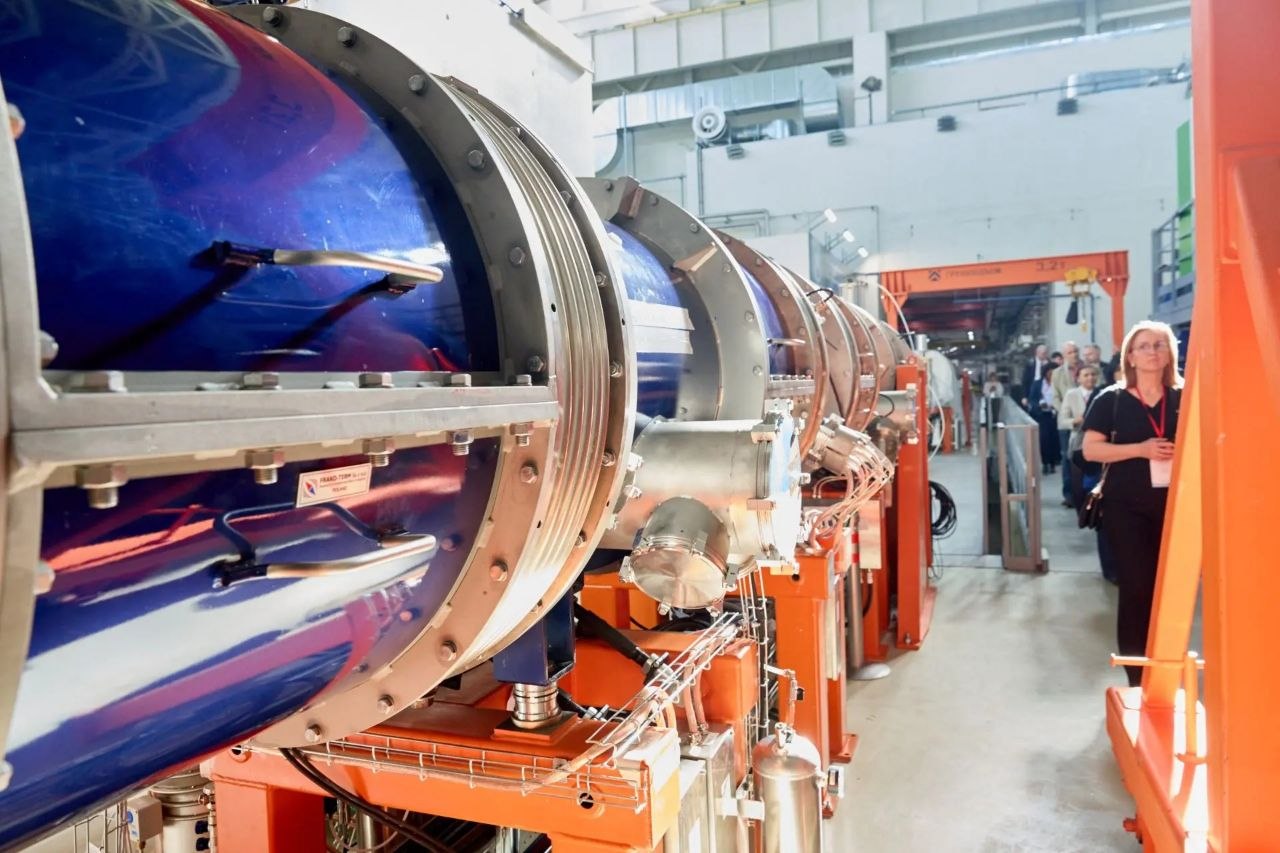
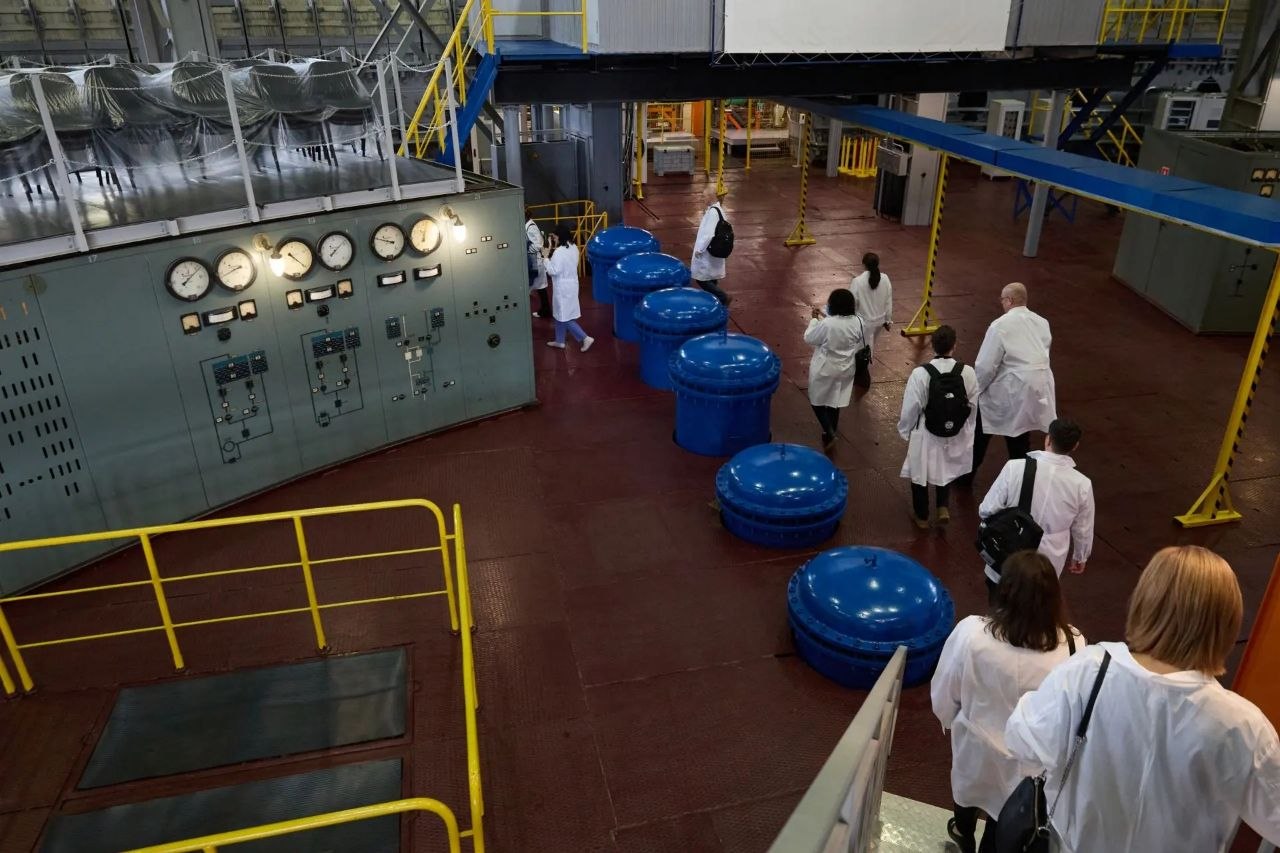
A Samara University delegation—comprising Anna Rozenzweig, Vladimir Saleev (Head of the Department of General and Theoretical Physics), and Vladimir Paveliev (Head of the Department of Nanoengineering)—is currently participating in the international internship program "JINR Experience for Member Countries and Partners" (JEMS-29) at the Joint Institute for Nuclear Research in Dubna.
A Legacy of Partnership
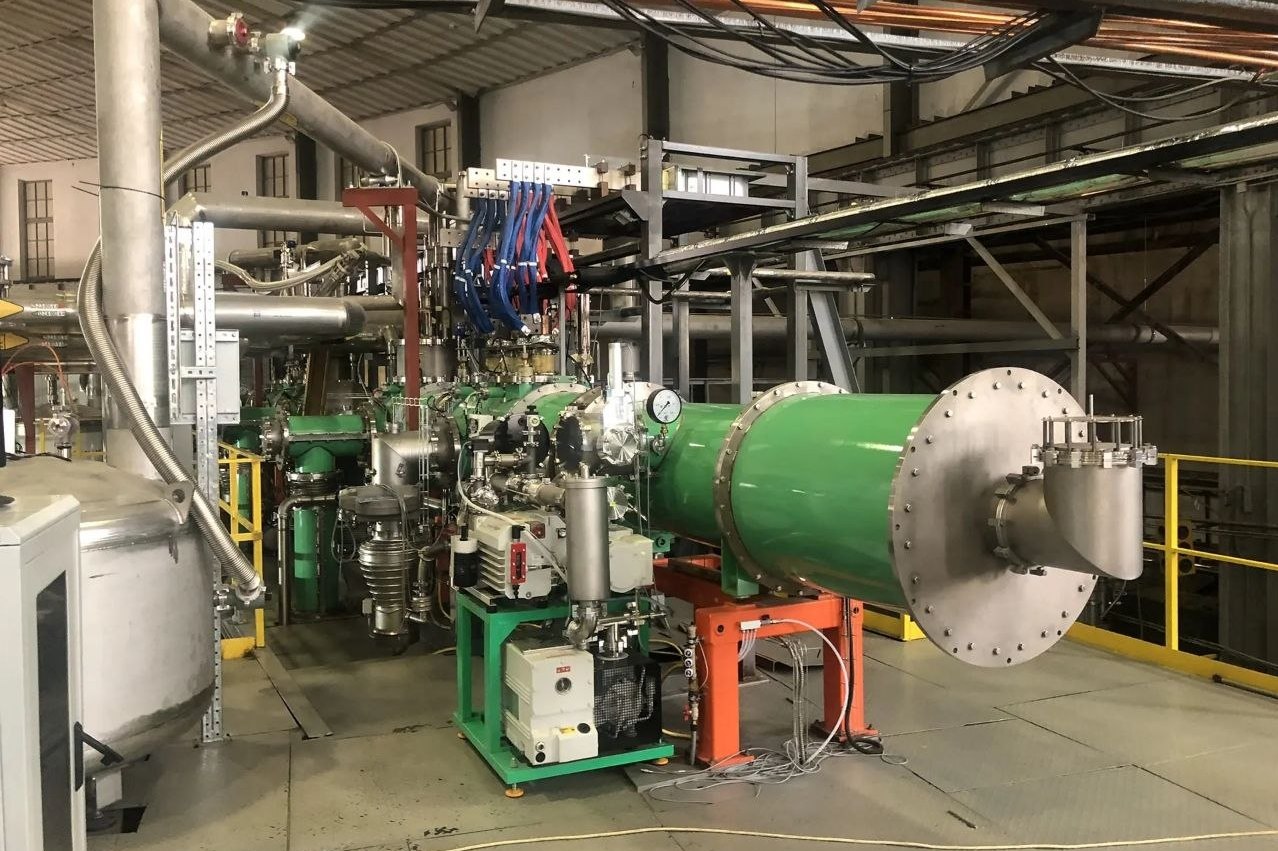
Samara University has been part of the SPD NICA international collaboration since 2021. NICA (Nuclotron-based Ion Collider fAcility) is an accelerator complex built around the superconducting synchrotron "Nuclotron," designed to study dense baryonic matter and other frontiers of particle physics. The initiative falls under the NICA Megascience Project, hosted by JINR.
Researchers from Samara University's Department of General and Theoretical Physics contribute to the SPD collaboration's core mission: studying proton spin in high-energy collisions of polarized protons. A significant portion of their work involves computer modeling of hard processes that will be experimentally investigated by SPD NICA. To support this effort, the university—backed by the Russian Ministry of Science and Higher Education—has established a specialized computing cluster, integrated into SPD's distributed computing infrastructure.
Additionally, scientists from the Department of Optics and Spectroscopy, in collaboration with researchers from the Samara Branch of the P. N. Lebedev Physical Institute and JINR's Radiation Biology Laboratory, are conducting cutting-edge studies in astrochemistry and astrobiology, exploring pathways for the formation of complex organic molecules in interstellar space.
About JINR
The Joint Institute for Nuclear Research is an international intergovernmental scientific organization founded on March 26, 1956, through an agreement signed by eleven founding nations.
Today, JINR stands as a world-renowned research center and a unique example of successful integration—uniting the scientific expertise and material resources of member states to investigate the fundamental properties of matter, conduct applied research, develop breakthrough technologies, and train elite specialists.
In 2026, JINR celebrates its 70th anniversary and ranks as the second-largest international intergovernmental scientific organization in the world by staff size.
The Mission of JINR Information Centers
JINR Information Centers are designed to cultivate educational and informational ecosystems in their host regions, advancing JINR's activities, multilateral scientific programs, and talent development initiatives. Their core objectives include:
- Disseminating information about JINR's work and opportunities for participation;
- Promoting JINR's multilateral research programs, training initiatives, and technological achievements;
- Facilitating joint scientific projects between JINR and partner organizations aligned with JINR's strategic research priorities;
- Supporting collaborative research in accordance with JINR's scientific agenda;
- Building audiences for JINR's professional development and advanced training programs;
- Encouraging knowledge exchange in scientific cooperation, education, and innovation;
- Promoting mobility for scientists and engineers;
- Expanding JINR's partnership network and global scientific community;
- Actively advancing the ideals of scientific outreach and public engagement.
With this new Information Center, Samara University takes another decisive step toward becoming a regional hub for nuclear science—connecting local talent to global discovery, and today's students to tomorrow's breakthroughs.
