

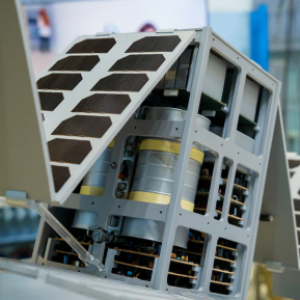
The AIST-ST small spacecraft—the world’s first CubeSat-format radar satellite designed for Earth monitoring—has successfully confirmed the operability and performance of its payload. Capable of acquiring data day or night and in any weather, the satellite has transmitted its very first radar images of the Earth's surface. These groundbreaking images were received and processed by specialists at the Special Technological Center (STC LLC).
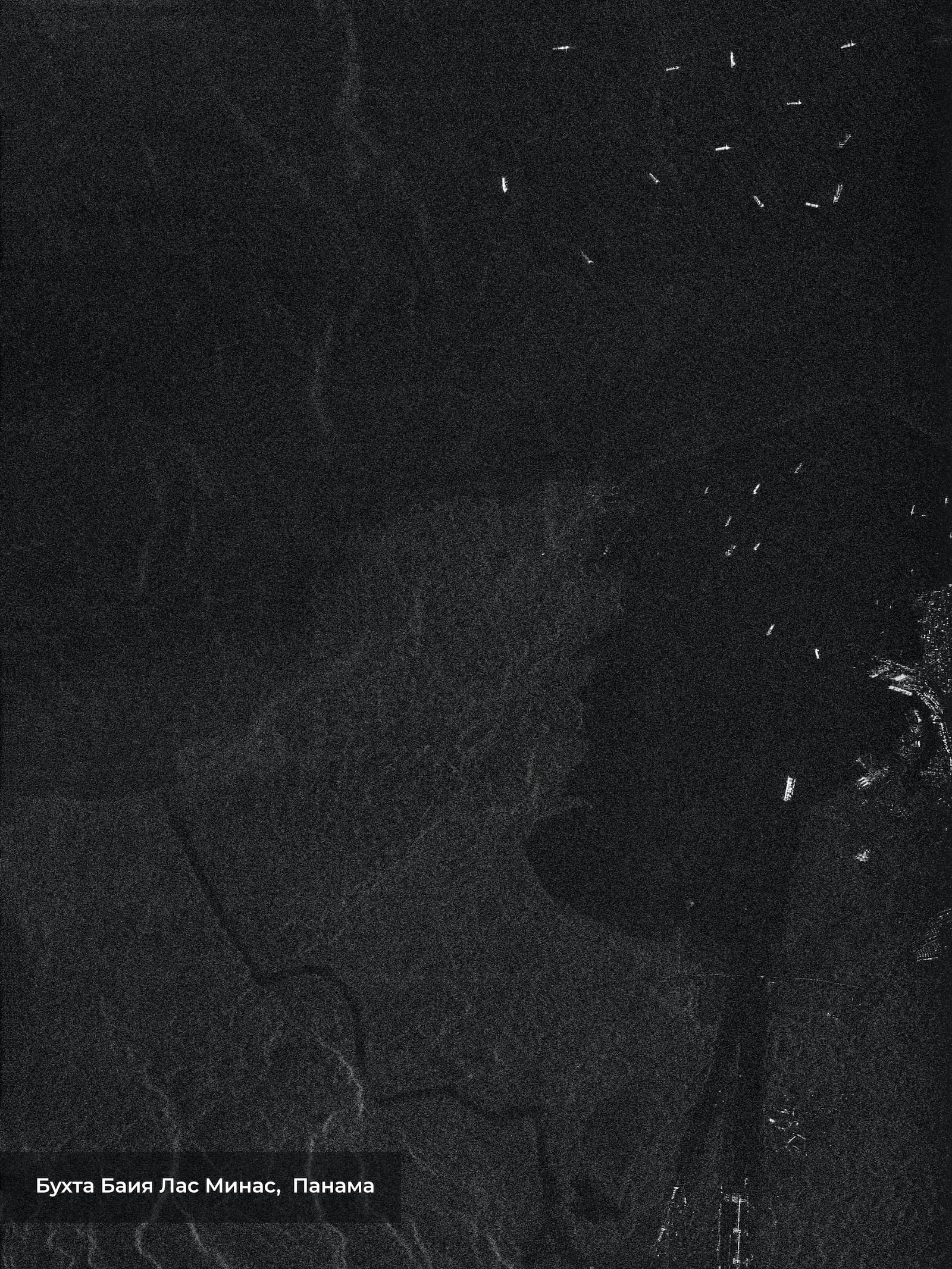
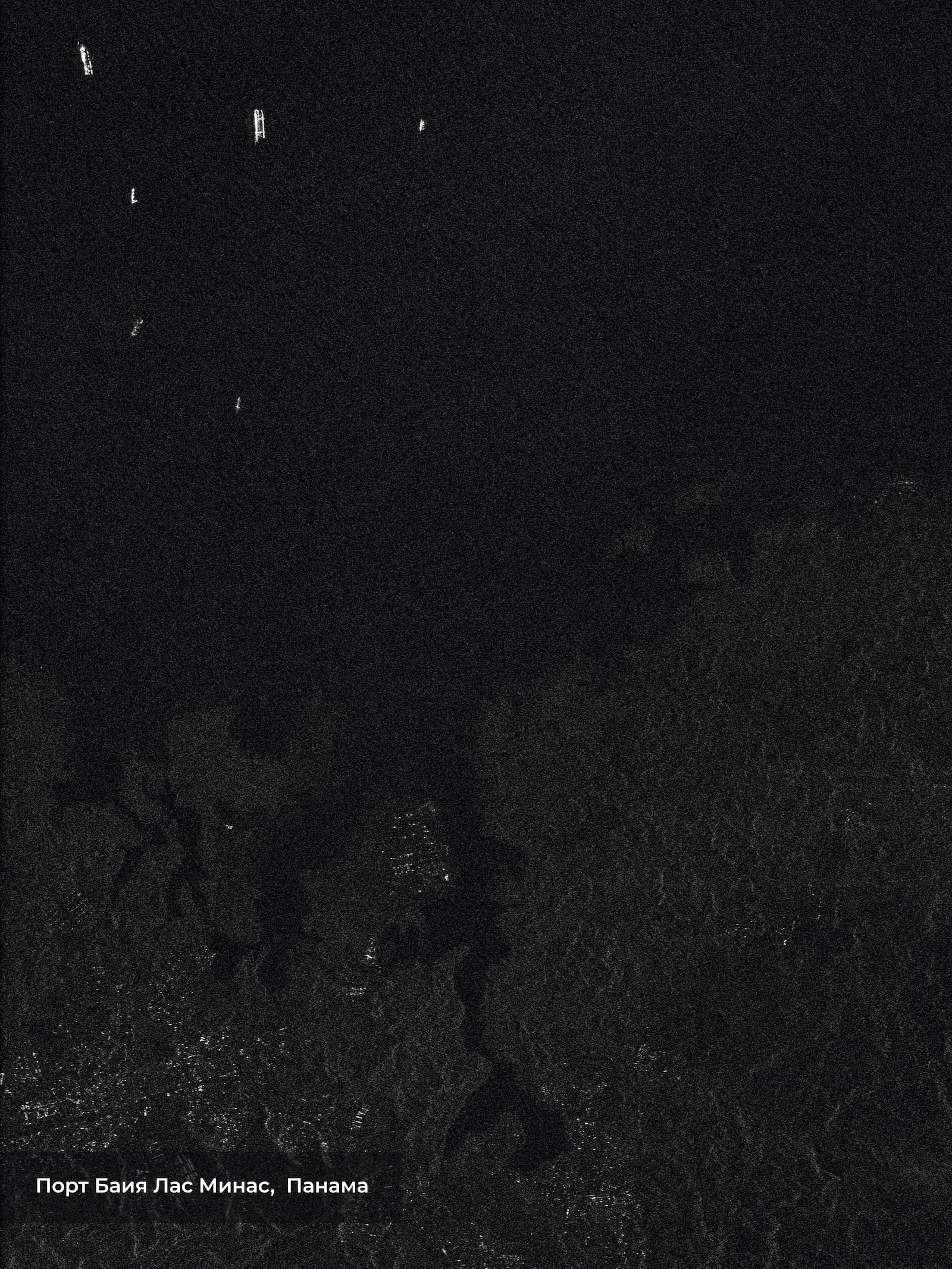
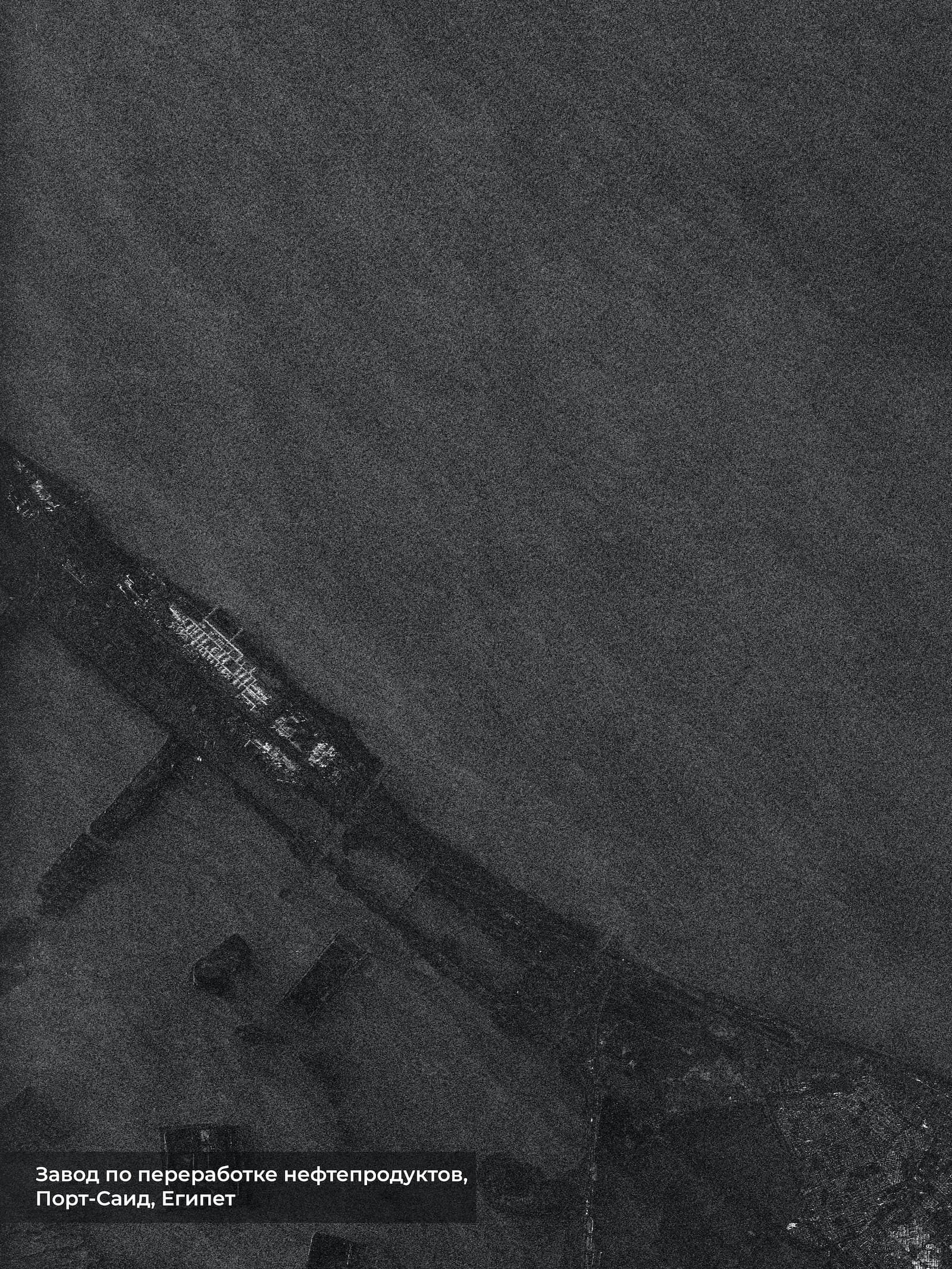
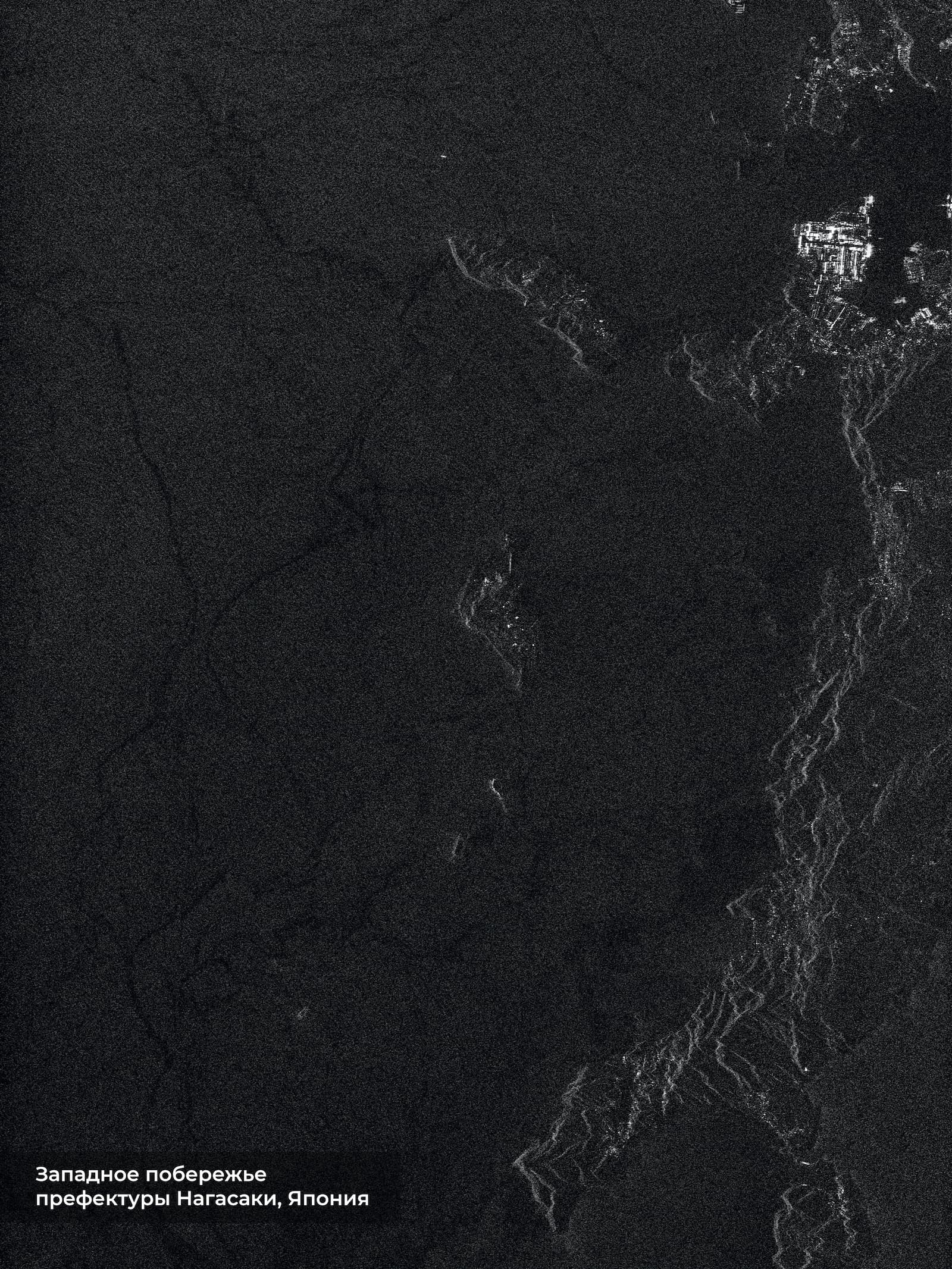
During the flight design tests, high-quality radar images were captured of Japan, the Panama and Suez Canals, and the Rosamond area in the United States. The imaging was conducted in the radar's stripmap mode, achieving a resolution of 5 meters per pixel or better.
Weighing in at just under 30 kilograms, the AIST-ST small spacecraft carries a full-fledged Synthetic Aperture Radar (SAR) equipped with an Active Electronically Scanned Array (AESA). Looking ahead, the team plans to conduct imaging in detailed spotlight mode, which will further enhance the resolution and overall quality of the radar imagery.
For reference:
The AIST-ST spacecraft was developed by scientists and engineers from Samara University in collaboration with specialists from the Special Technological Center in St. Petersburg, with support from the Innovation Promotion Foundation. It holds the title of the world's smallest radar satellite. The project was funded under the Priority 2030 Strategic Academic Leadership Program and the Advanced Engineering Schools program.
The AIST-ST was launched on December 28, 2025, aboard a Soyuz-2.1b carrier rocket from the Vostochny Cosmodrome.
Utilizing centimeter-wavelength radio waves, this small radar-monitoring spacecraft can "see" through the densest clouds and storm systems thanks to its SAR payload. It marks a historic milestone as the first domestic CubeSat equipped with a radar, whereas previously in Russia, radar systems were only installed on much larger spacecraft.
Thanks to its radar payload, AIST-ST can monitor the Earth's surface 24/7 in any weather, completely independent of sunlight or meteorological conditions. Its practical applications are vast: for instance, it can be used to measure ice thickness from space for ice reconnaissance and to plot optimal routes for icebreakers in the Arctic and Antarctic, aiding in other critical national tasks.
The AIST-ST is built in a 16U CubeSat format (16 interconnected units, each measuring 10x10x10 cm). Its radar operates in the X-band frequency range. The satellite's expected active operational lifespan is at least one year.
