

Biologists at Samara University have summarized the preliminary results of a field experiment with "cosmonaut" seeds—a batch of seeds from 21 rare plant species that participated in a space experiment aboard the Bion-M No. 2 orbital bio-laboratory.
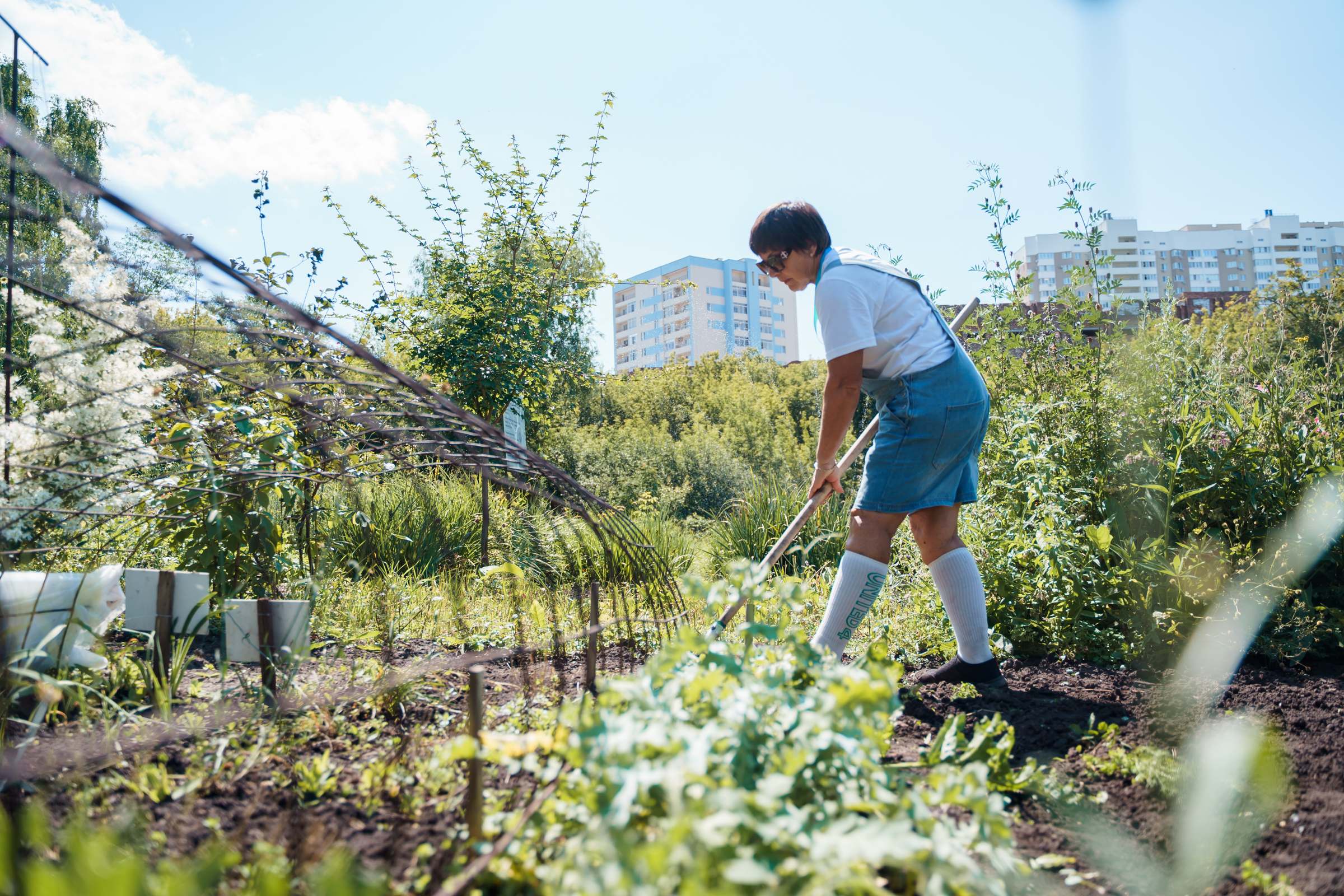
After returning to Earth in September 2025, the seeds were transported to Samara. A portion of them was sown in the university's Botanic Garden on a special "space plot"—the very same area where seeds that flew on the first Bion-M mission in 2013 were originally planted. Since then, the descendants of some of these "cosmonaut" plant species have established permanent residence there. This spring, some of them became part of a commemorative exhibition group in another part of the garden: the "Conquerors of Space" Hill. In April 2026, ministers of the Samara Regional Government personally planted Andrzejowski's pink and the low dwarf iris (descendants of the original cosmonaut plants) at this location.
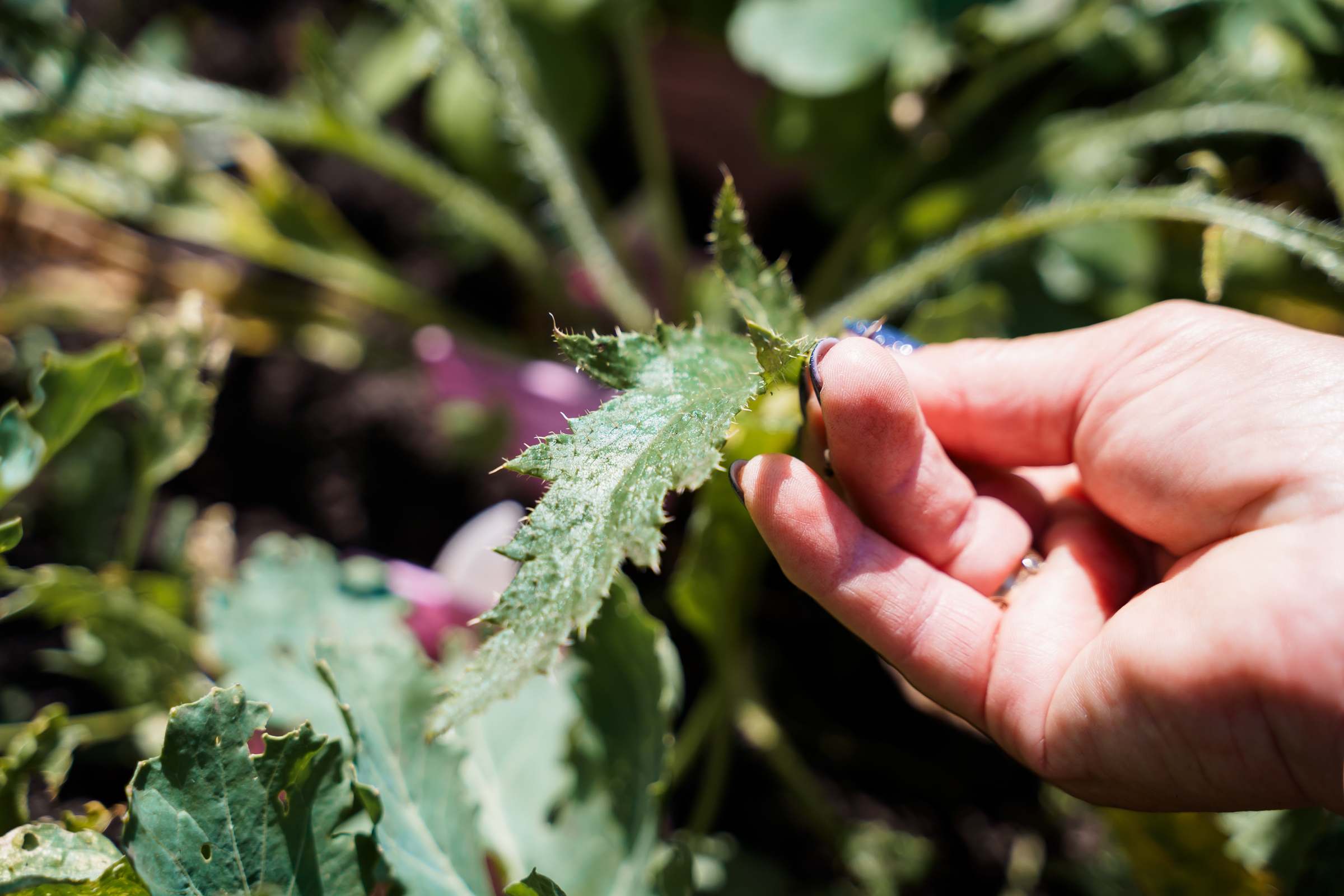
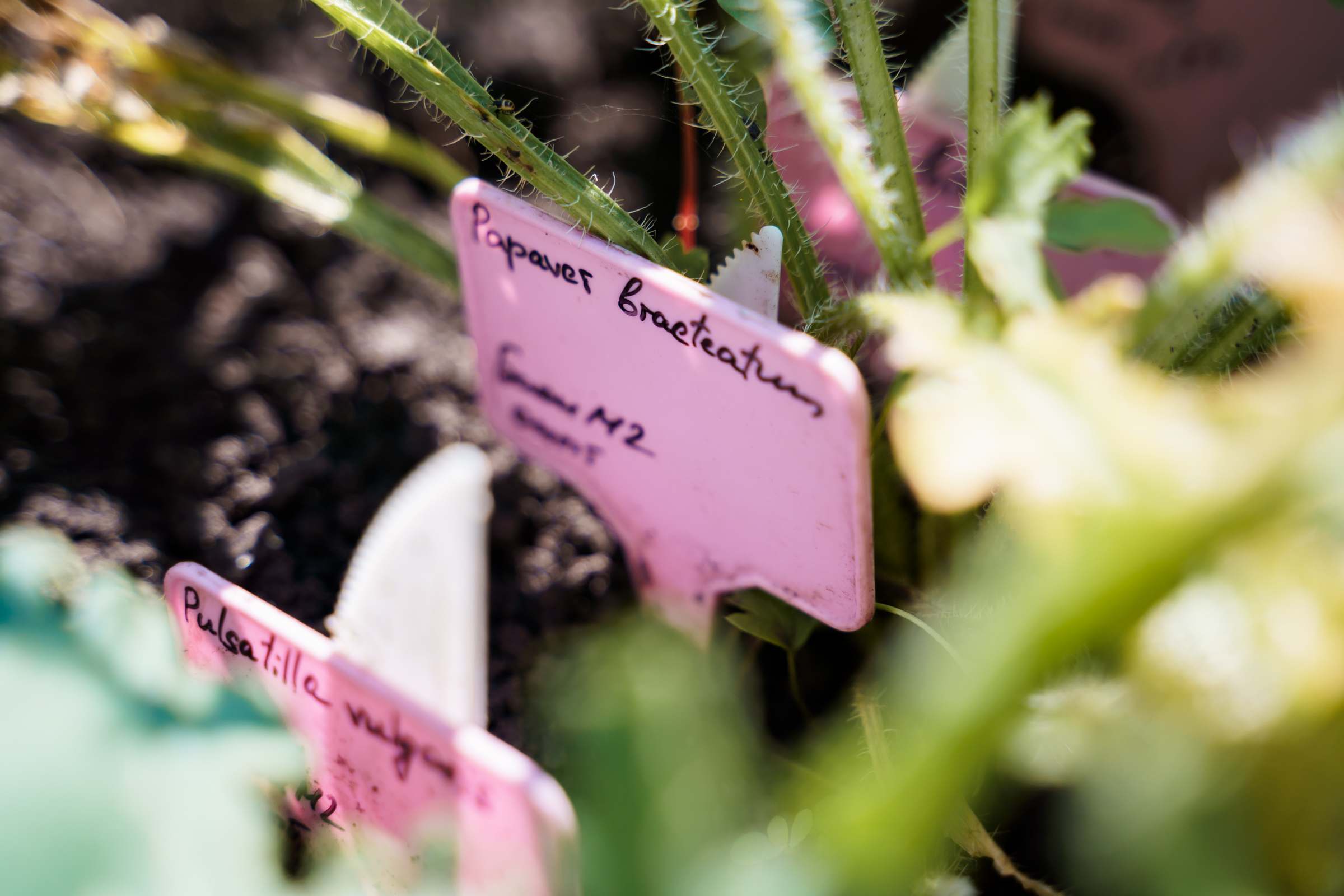
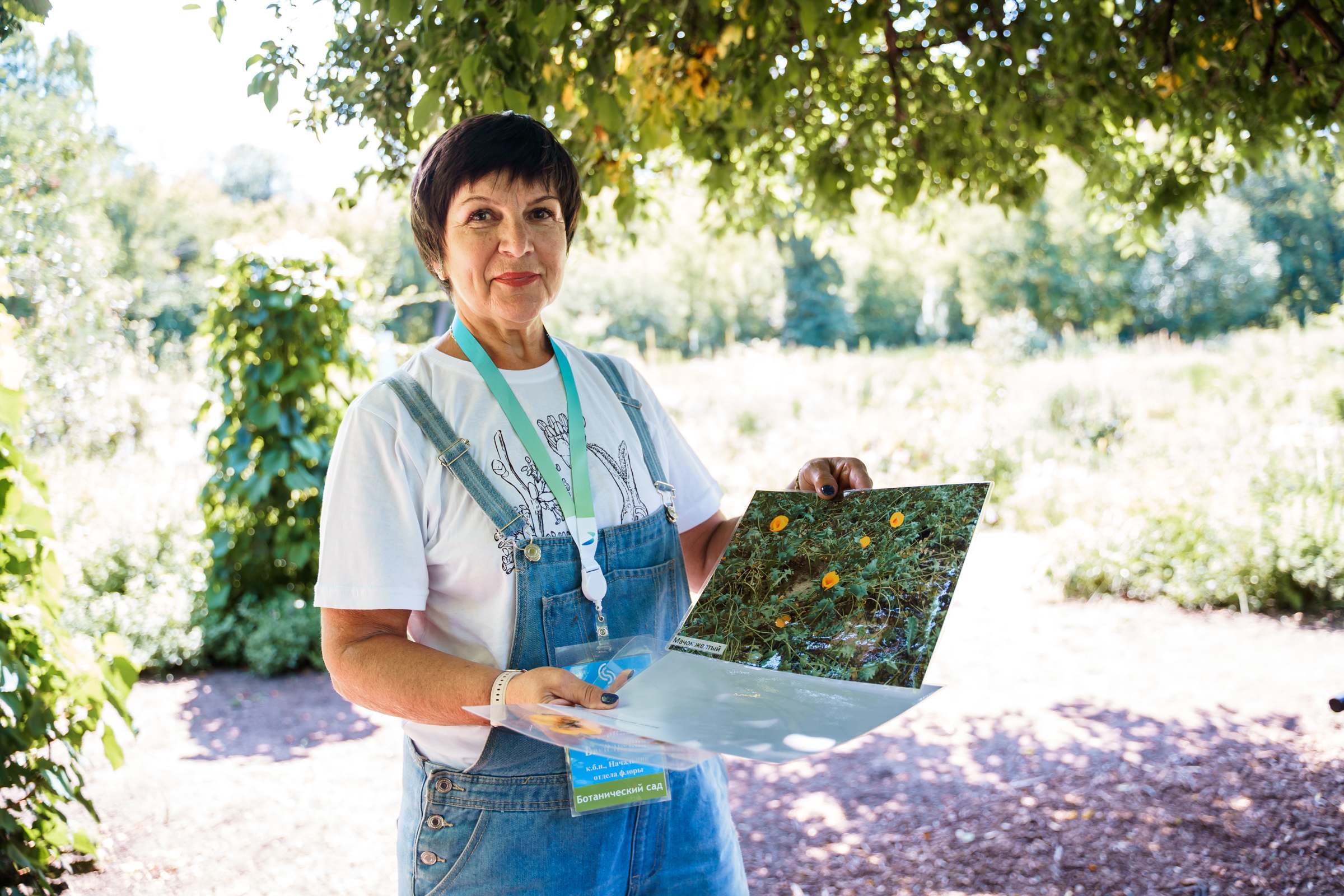
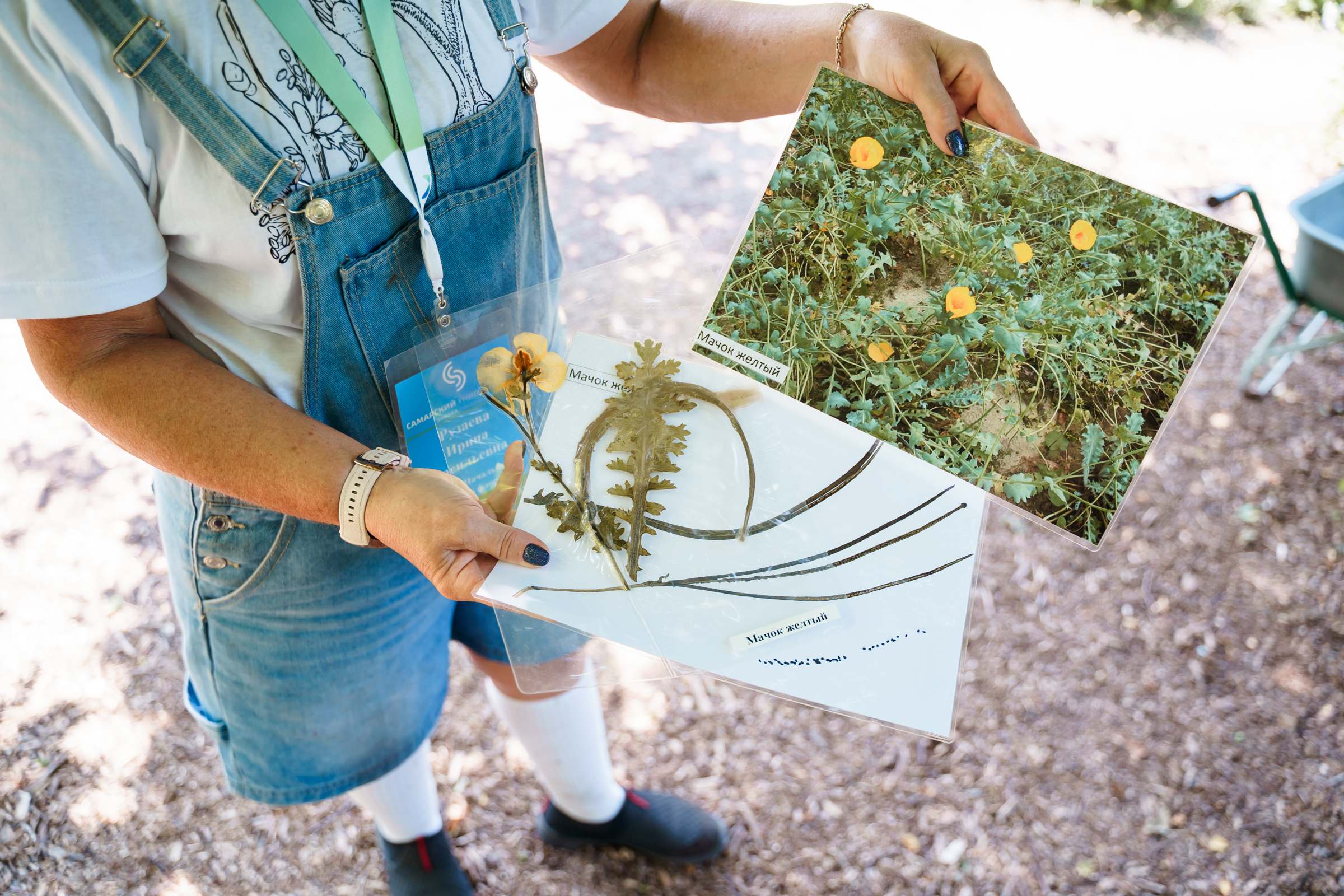
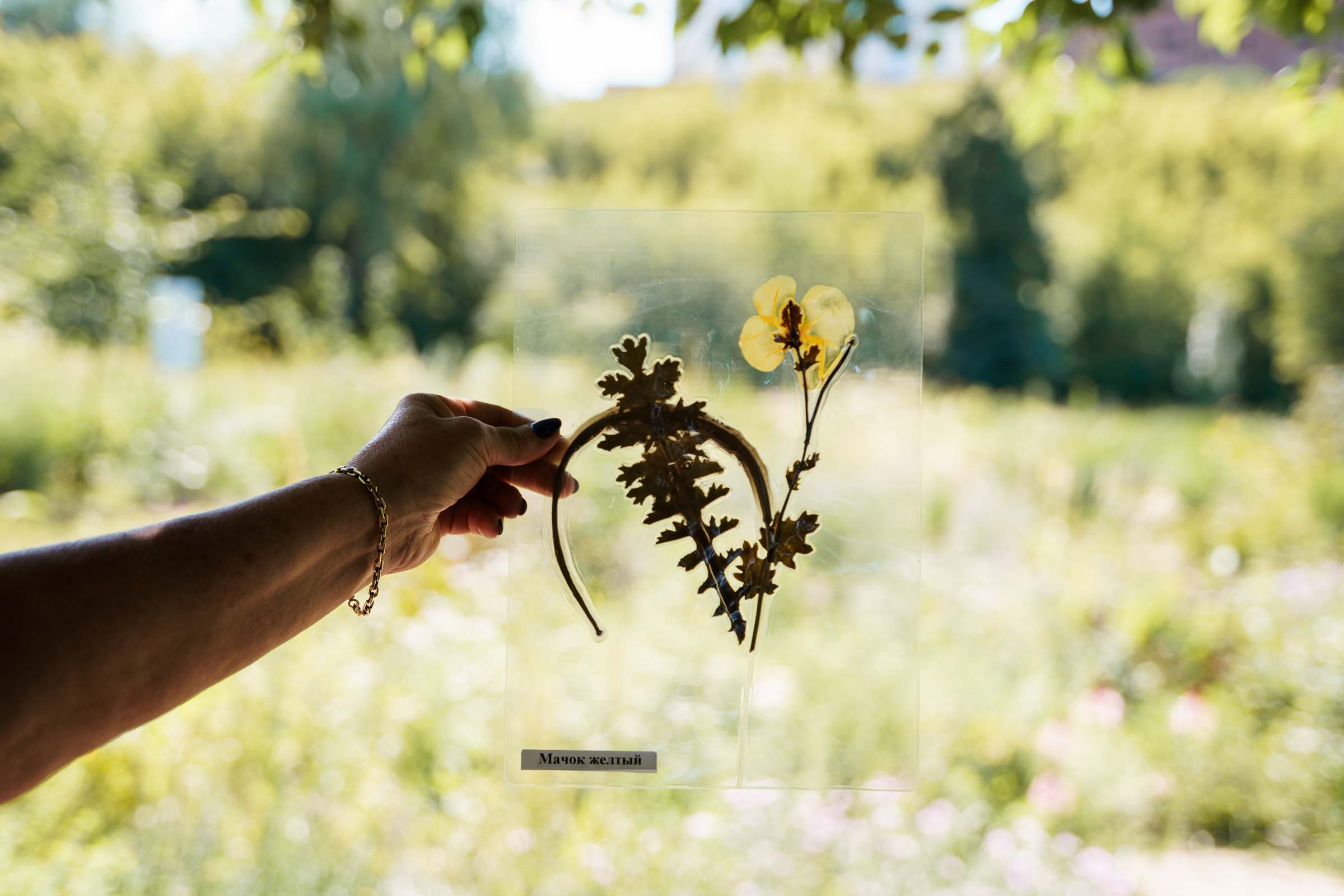
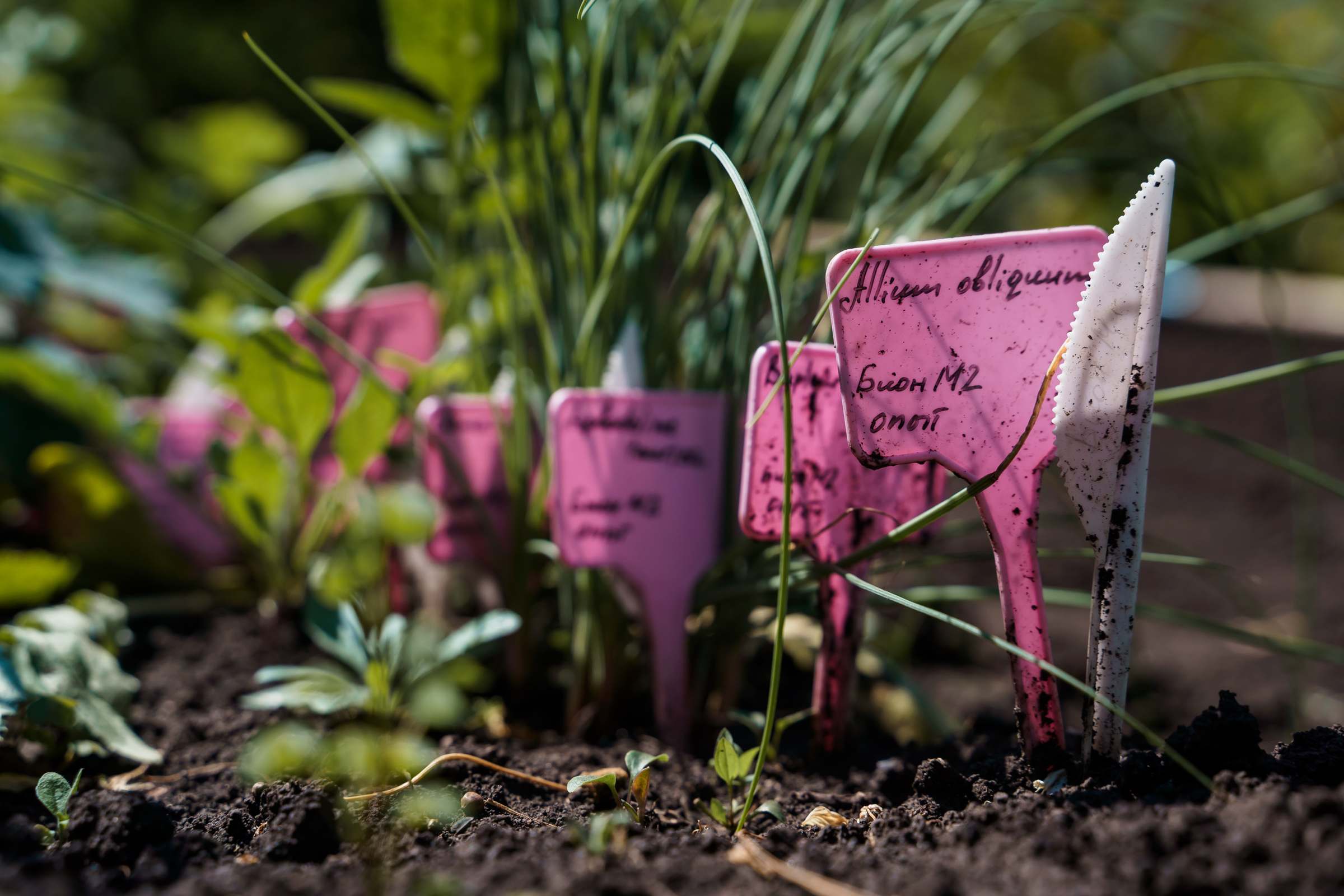
"Given the growing urgency of preserving biodiversity on our planet, humanity must take all possible steps to conserve Earth's flora and fauna species. Orbital genetic banks represent one such promising direction. In this research, the Botanic Garden of Samara University focuses on rare flora species that have limited distribution within the Samara Region and Russia, are listed in the Red Data Books, and require active conservation," noted Olga Kalashnikova, Acting Director of the Botanic Garden at Samara University.
Preliminary results of the field experiment with the Bion-M No. 2 seeds indicate that space proved virtually harmless to them. In fact, Earth's weather conditions appear to have influenced them far more significantly than cosmic radiation and orbital temperature fluctuations.
"Preliminary results of the post-flight field experiment show that the complex of space environment factors did not have a visible negative impact on the seeds. Germination rates across plant species were approximately equal for both the seeds that flew in space and the control group seeds (their Earth-bound duplicates)," explained Professor Lyudmila Kavelenova, Scientific Supervisor of the Botanic Garden and Head of the Department of Ecology, Botany, and Nature Conservation at Samara University.
"Furthermore, there are no noticeable differences in germination between seeds kept inside the spacecraft during the flight and those of the same species placed on the exterior of the laboratory, practically in the conditions of open space. Similar data has been recorded regarding the development of seedlings and the subsequent growth of plants from both the experimental and control groups—we have not yet detected any particular differences, such as germination inhibition or severe developmental disruptions. It is worth noting that the seeds sown in September were subsequently exposed to rather unusual weather conditions: the autumn period was prolonged, and temperatures only dropped below freezing in the first ten days of December. The snow cover remained stable throughout the winter, and while spring arrived early, the sudden warm weather was quickly replaced by a prolonged cool period with heavy precipitation, which could have slowed the germination of certain seeds and seedling development."
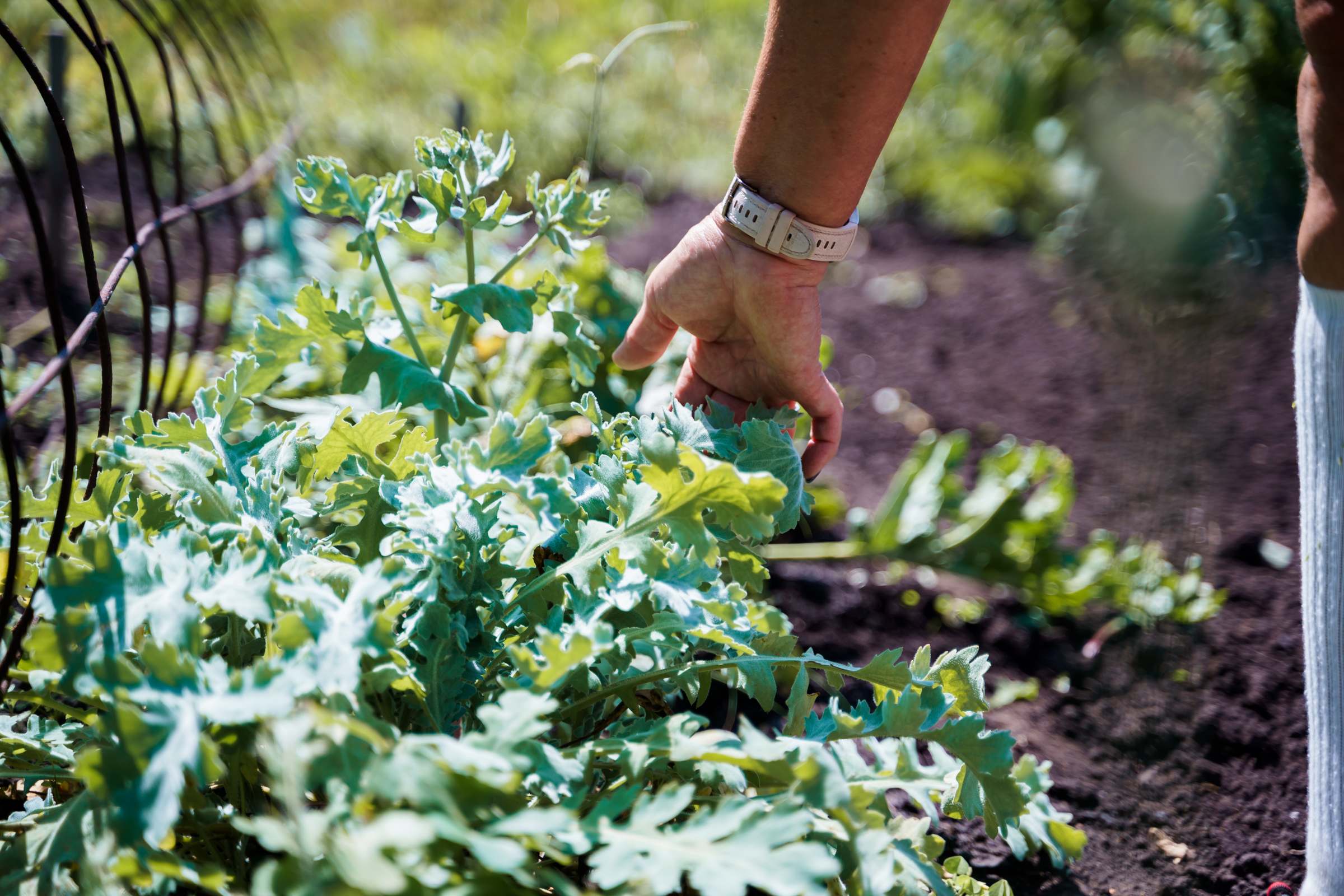
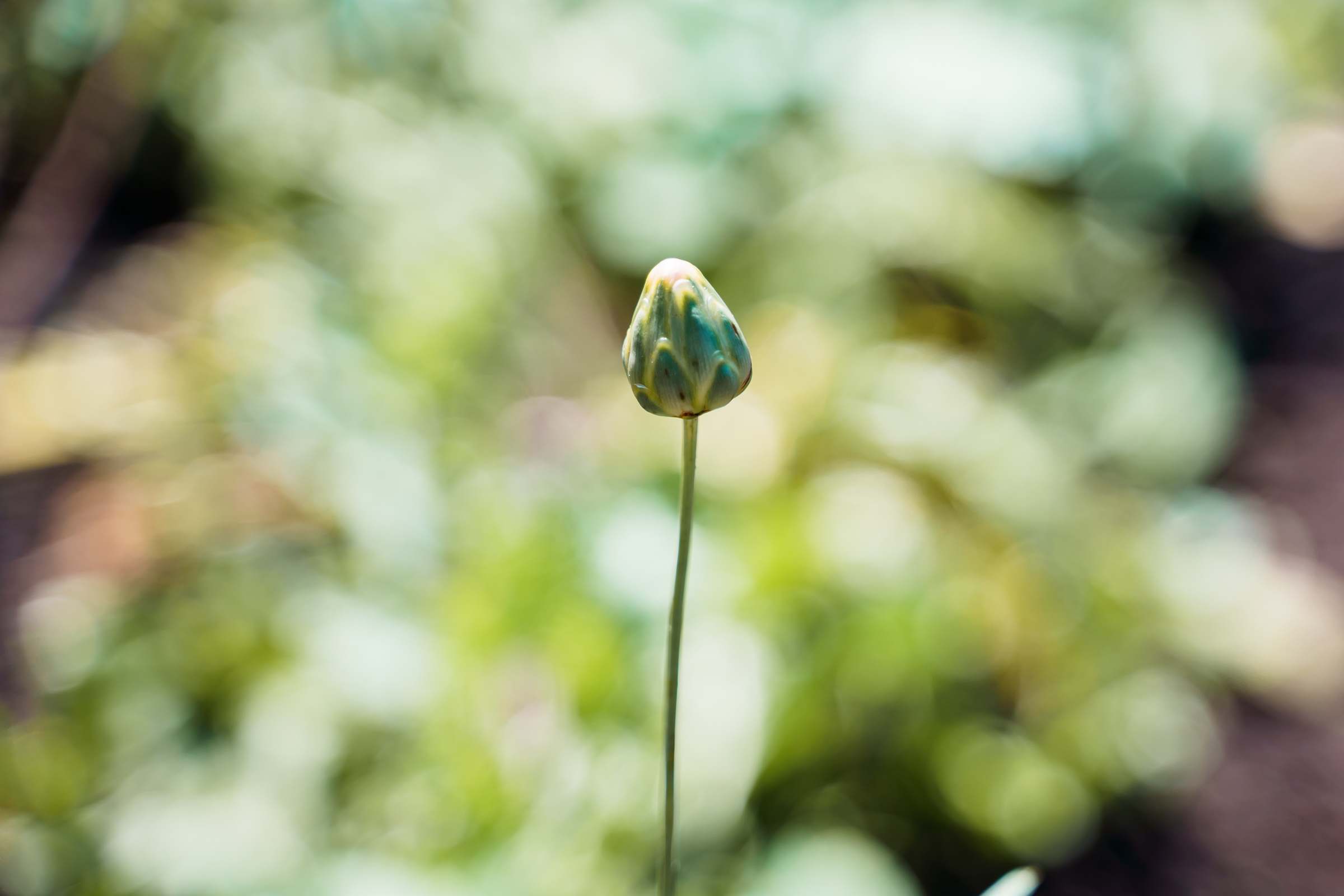
According to monitoring data, the first seedlings to emerge in April included Taliev's cornflower, fraxinella (commonly known as "burning bush"), three-lobed bluethroat, bract poppy, and yellow horned poppy. By mid-May, these species had already unfurled their true leaves, replacing the initial cotyledons. This is a key milestone and an important benchmark in plant development, signifying the transition from relying on the seed's stored nutrients to independent photosynthesis and full-fledged growth.
The monitoring of the plants participating in the post-flight field experiment is conducted continuously. Botanic Garden staff closely observe the further development of the plants on the new "space bed," periodically photographing and measuring them to record any changes.
Next Steps: Strategic Transplanting
The next step is transplanting the plants. Irina Ruzaeva, Head of the Flora Department at the Botanic Garden, explained that this is planned for the end of summer 2026, once air temperatures drop to no more than +25 °C. Choosing a more favorable temperature window will minimize moisture loss, reduce stress, and create optimal conditions for the recovery of the root system and subsequent plant adaptation.
The plants will be relocated to a site in close proximity to their current growing location.
"The necessity for transplanting is driven by the continued growth and development of the plants: as their above-ground and root mass increases, competition for light, moisture, nutrients, and available soil space intensifies," Irina Ruzaeva clarified. "Keeping the plants in high-density conditions could lead to mutual suppression, altered growth rates, and, consequently, hinder the objective assessment of their post-flight development characteristics. Spatial separation will create more favorable conditions for the further development of each specimen, reduce competition, and ensure more accurate long-term phenological and morphometric observations. We will certainly wait for the seeds to mature. This is fundamentally important for the experiment: we will obtain a new generation of seed material from plants grown from seeds exposed to spaceflight conditions, while preserving the parent plants for further propagation and observation."
About the Scientific Mission and the "Squad of Cosmonaut Seeds"
The Bion-M No. 2 scientific spacecraft was launched on August 20, 2025, from the Baikonur Cosmodrome. For a month, it carried 75 mice, approximately 1,500 fruit flies (Drosophila), as well as fungi, bacteria, cellular tissues, and seeds of various plants, including seeds of 21 rare plant species from the Samara University Botanic Garden. On September 19, the descent module of the orbital laboratory, carrying the living organisms, successfully landed in the steppes of the Orenburg Region.
The primary goal of the Bion-M No. 2 scientific program was to investigate the biological effects of microgravity and high levels of cosmic radiation on living organisms at the systemic, organ, cellular, and molecular levels. In preparing for this scientific mission, alongside scientists from across Russia, researchers from the Faculty of Biology and the Botanic Garden of Samara University, as well as the Research Institute of Modeling and Control Problems, actively participated.
For the flight, Samara University assembled an impressive "squad of cosmonaut seeds," comprising seeds of 21 rare plant species from the Botanic Garden, primarily those listed in the Red Data Books of the Russian Federation and the Samara Region. The selection was based on a thorough examination of seed quality, involving X-ray screening and microphotography.
Among the seeds selected for the flight were, for example, golden bupleurum, Schrenk's tulip, narrow-leaved peony, three-lobed bluethroat, bract poppy, Zhiguli baby's-breath, and pasqueflower.
Photo: Alina Kavtaskina
