

What truly lies hidden behind the names of the Kondurcha, Volga, and Bolshoy Irgiz rivers? What are the full names behind the diminutives Lipa, Kapa, and Nyura? Why are the surnames Tumanov, Varashov, and Gabukov actually derived from "Yastrebov" (Hawk)? Behind every proper noun, researchers see deep layers of linguistic, historical, and cultural interactions among different peoples. The science that studies these aspects is called onomastics. Scholars study toponyms (geographical names), anthroponymy (personal names and surnames), zoonymy (animal names), and even cosmonymy (names of celestial objects).
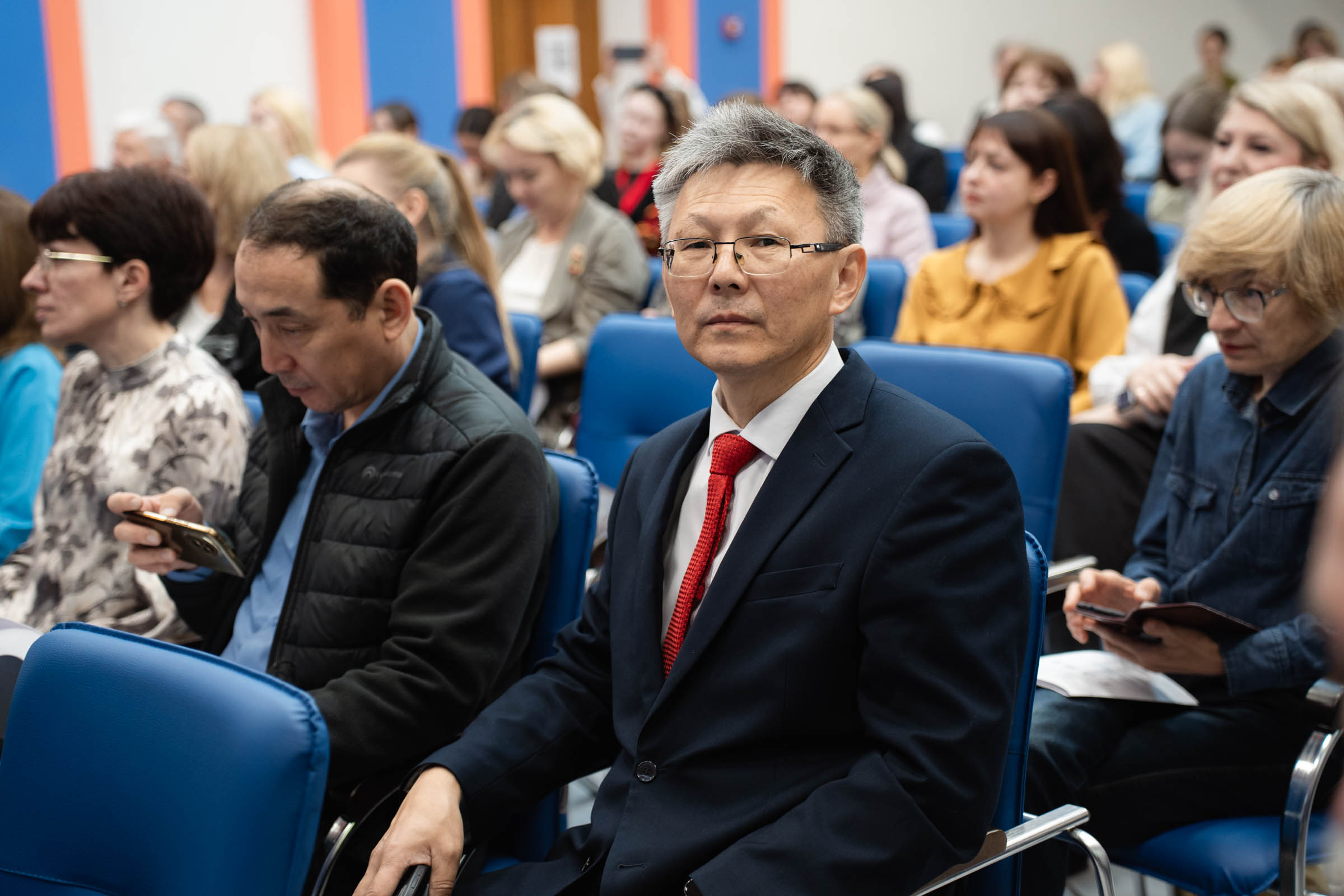
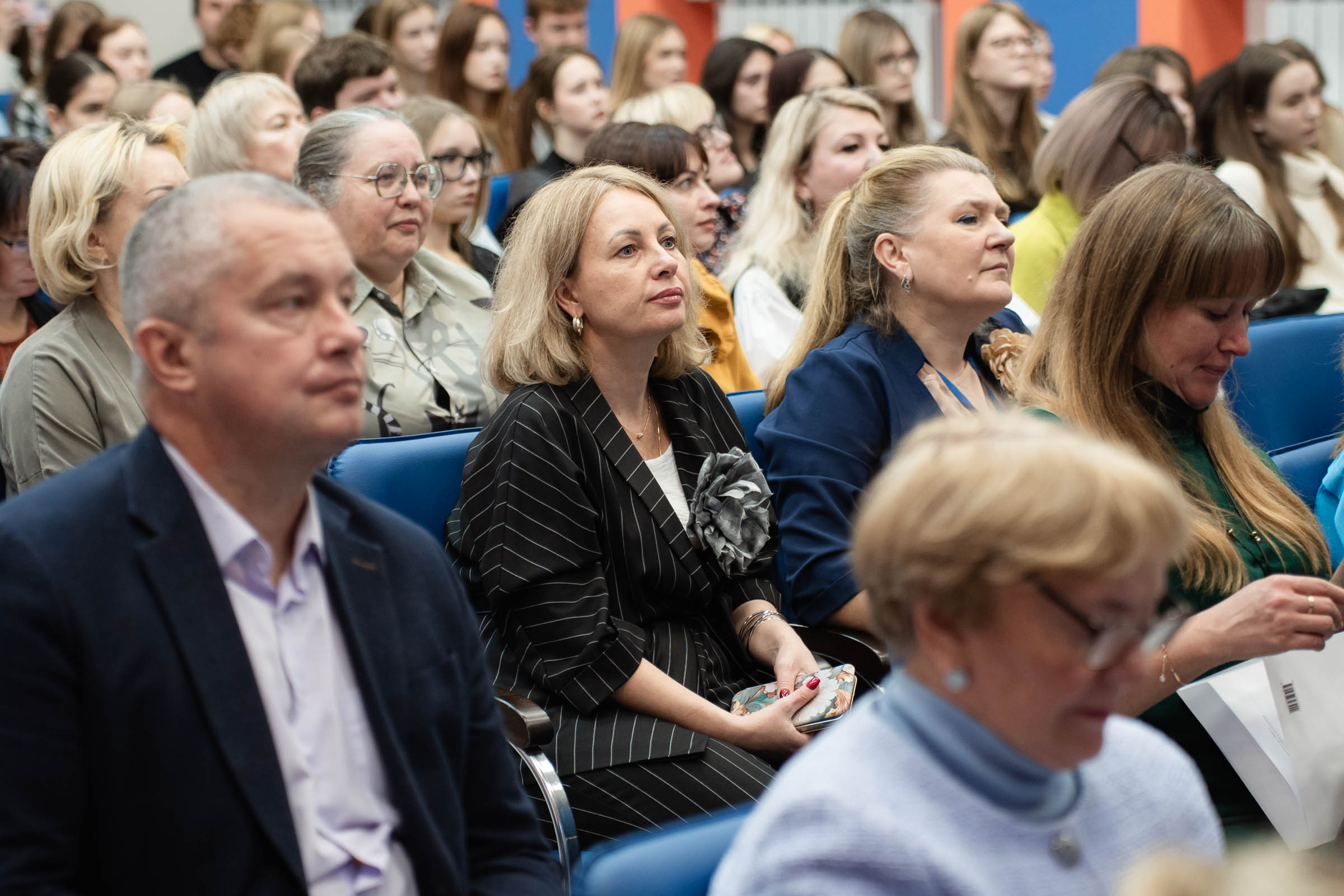
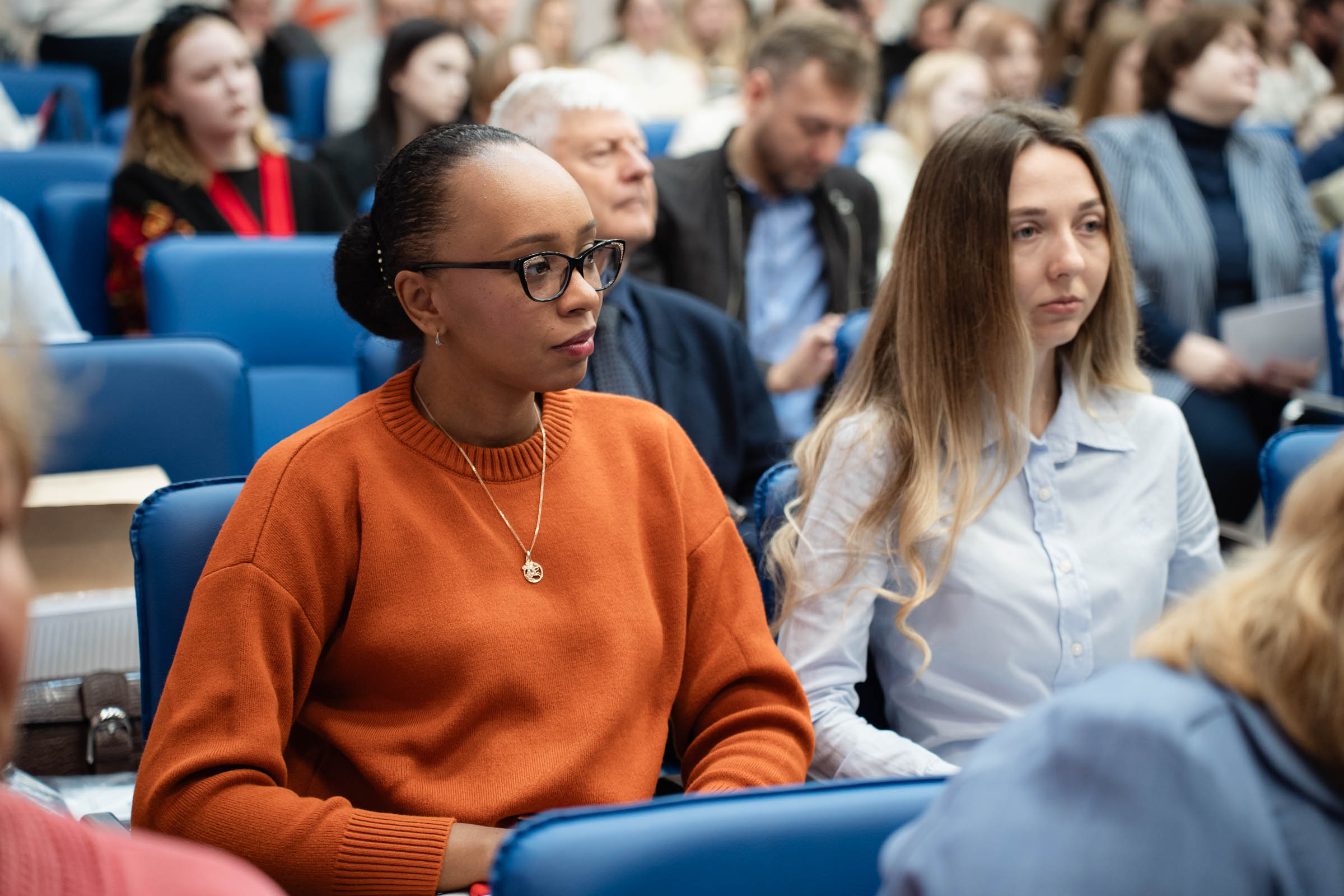
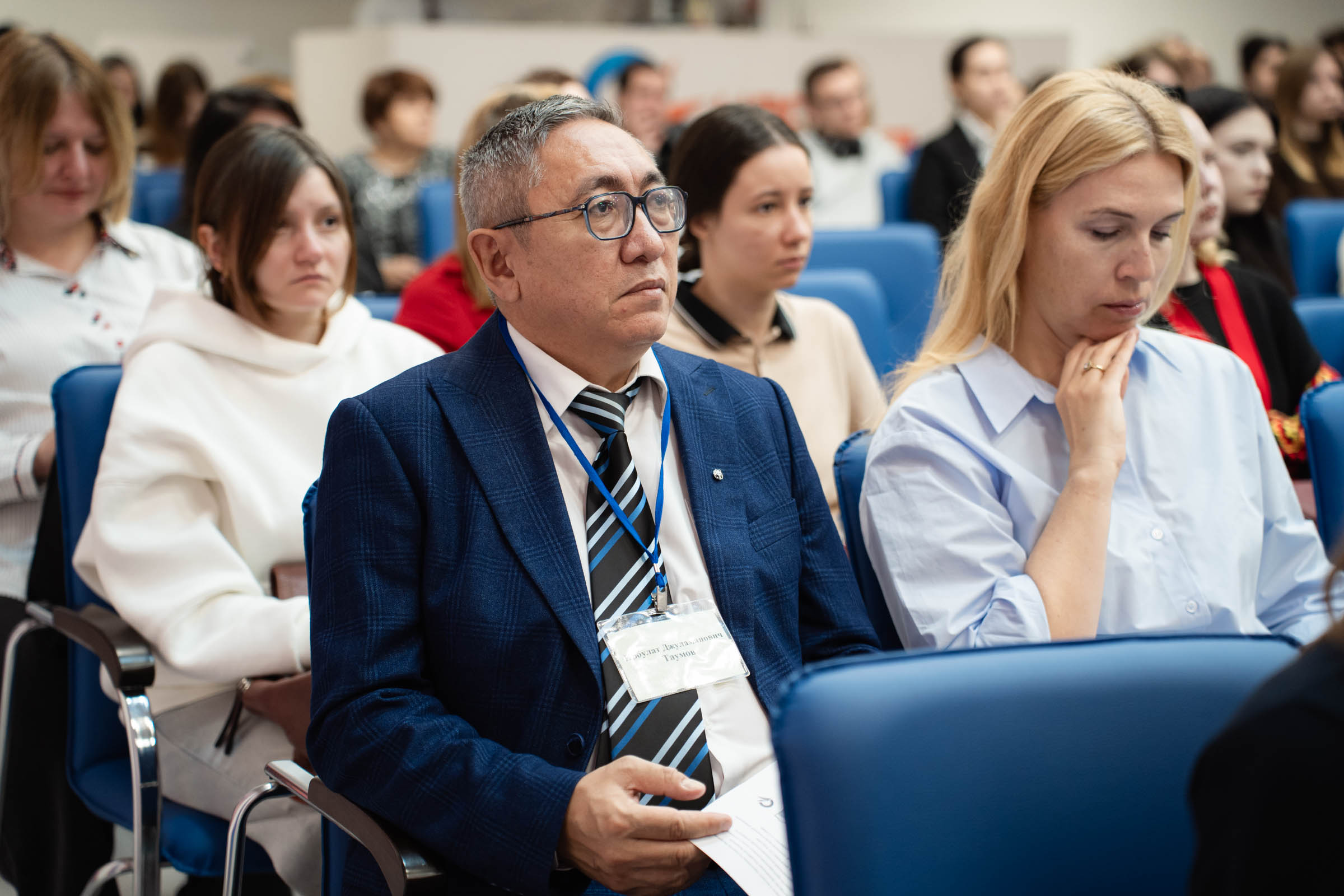
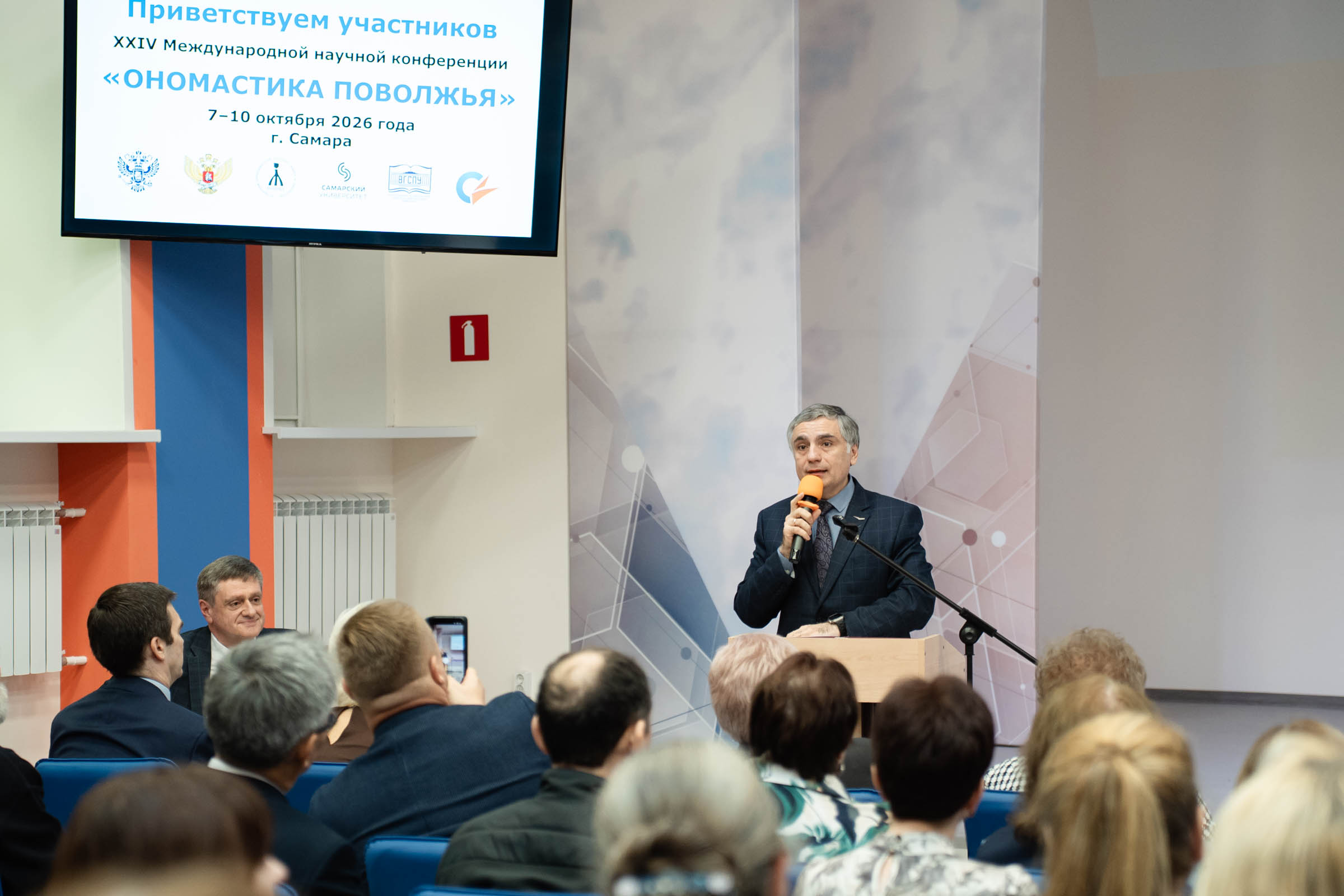
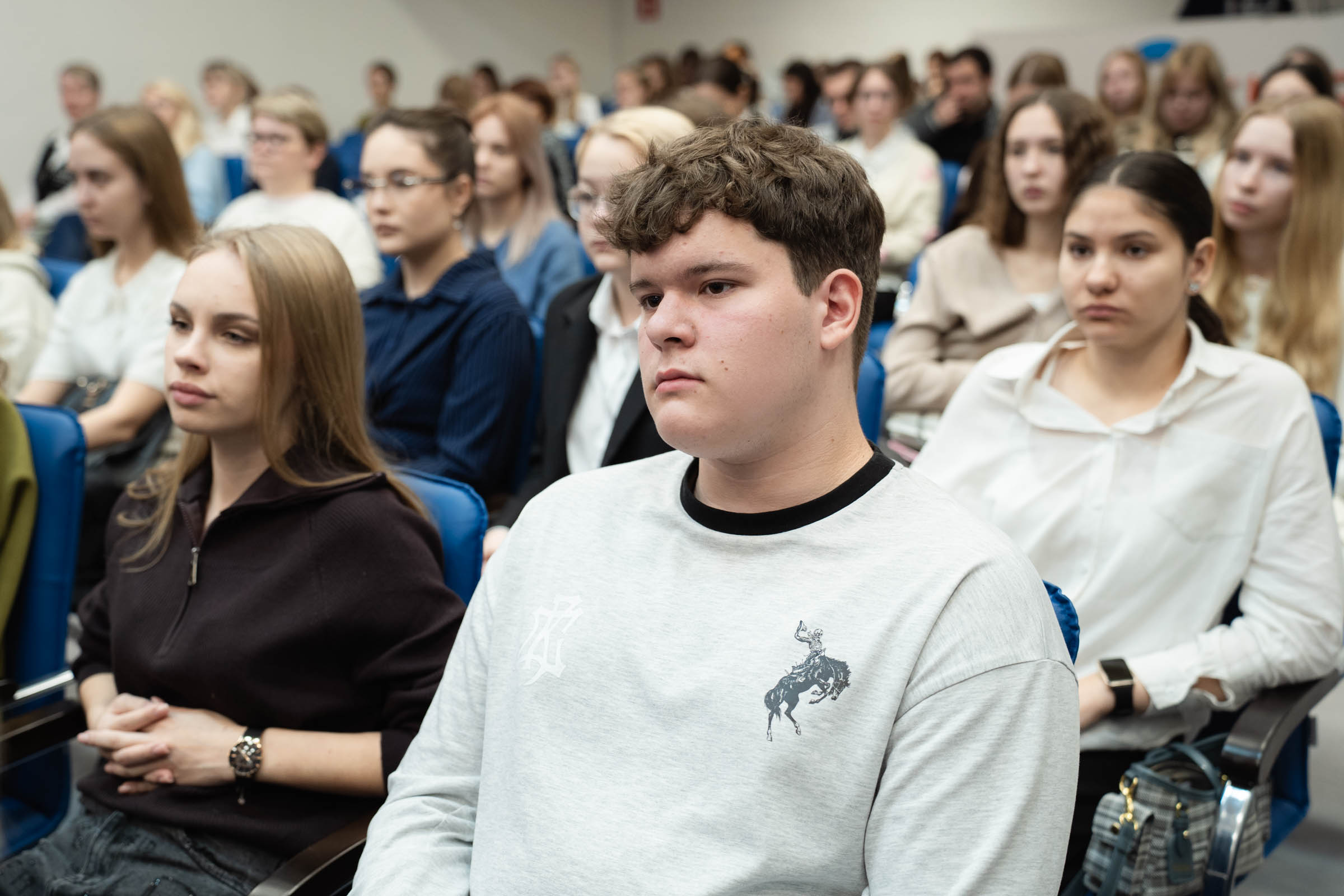
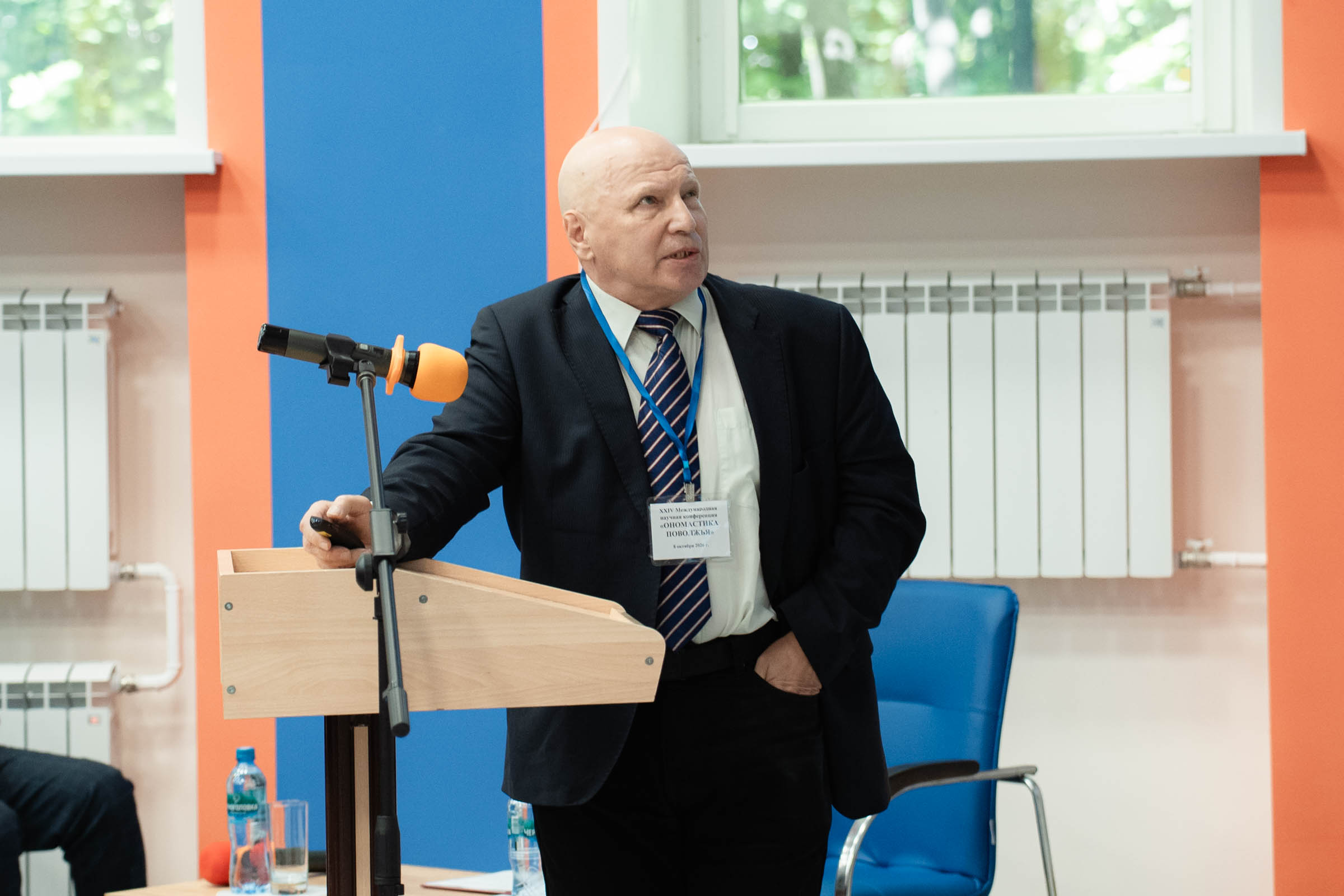
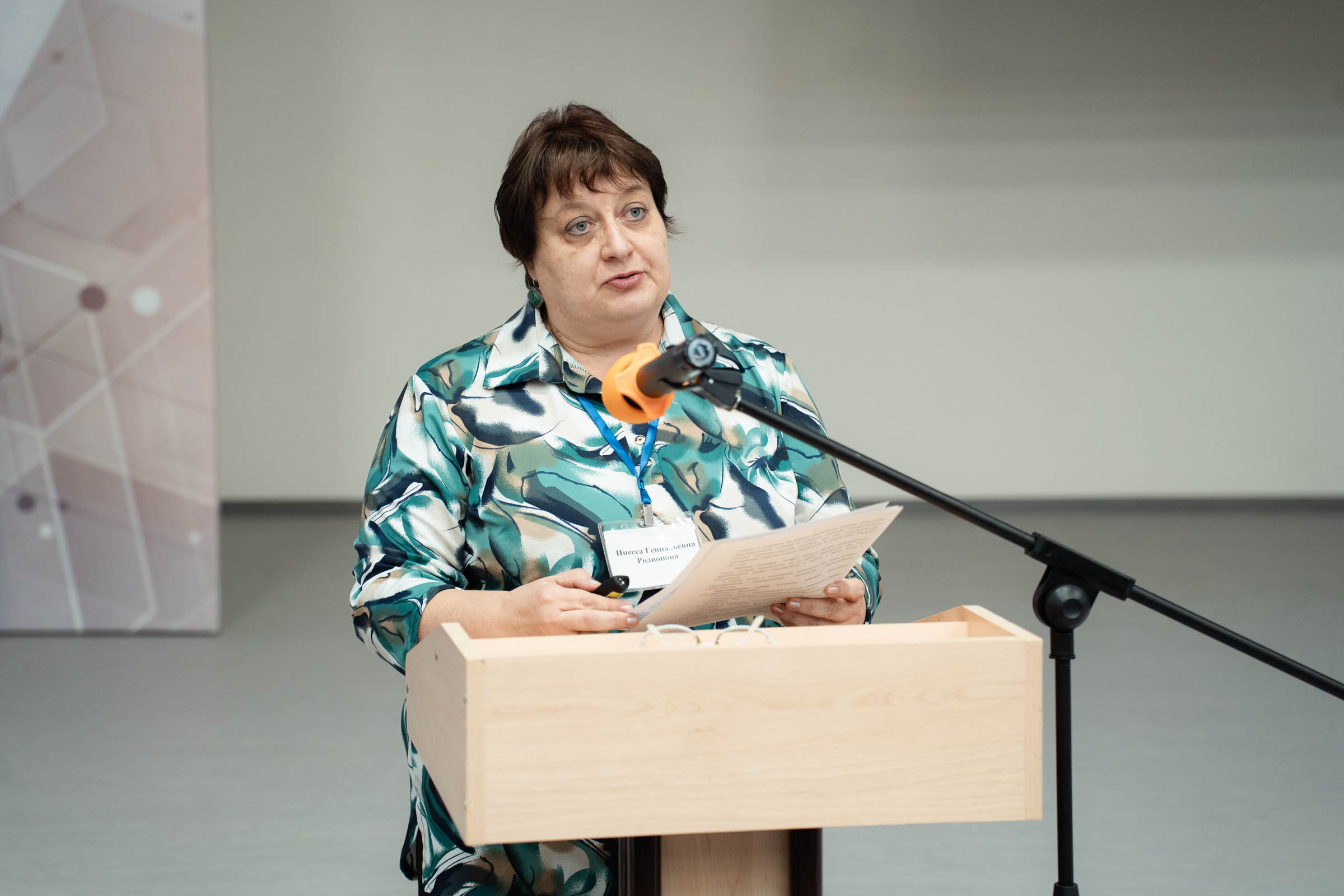
From October 7 to 10, Samara is hosting the XXIV International Scientific Conference "Onomastics of the Volga Region," one of the oldest and most authoritative scientific forums dedicated to the study of proper nouns. The event is organized by Samara National Research University, Volgograd State Socio-Pedagogical University, and the Russian Society of Teachers of Russian Language and Literature (ROPRYAL), with the support of the Ministry of Science and Higher Education of the Russian Federation and the Ministry of Education of the Russian Federation.
For the first time in its history, which dates back to 1967, the conference is being held in the Samara region. The forum has brought together researchers from all corners of Russia—from Kaliningrad to Vladivostok—as well as colleagues from Kazakhstan, Uzbekistan, Azerbaijan, Belarus, Turkey, and China.
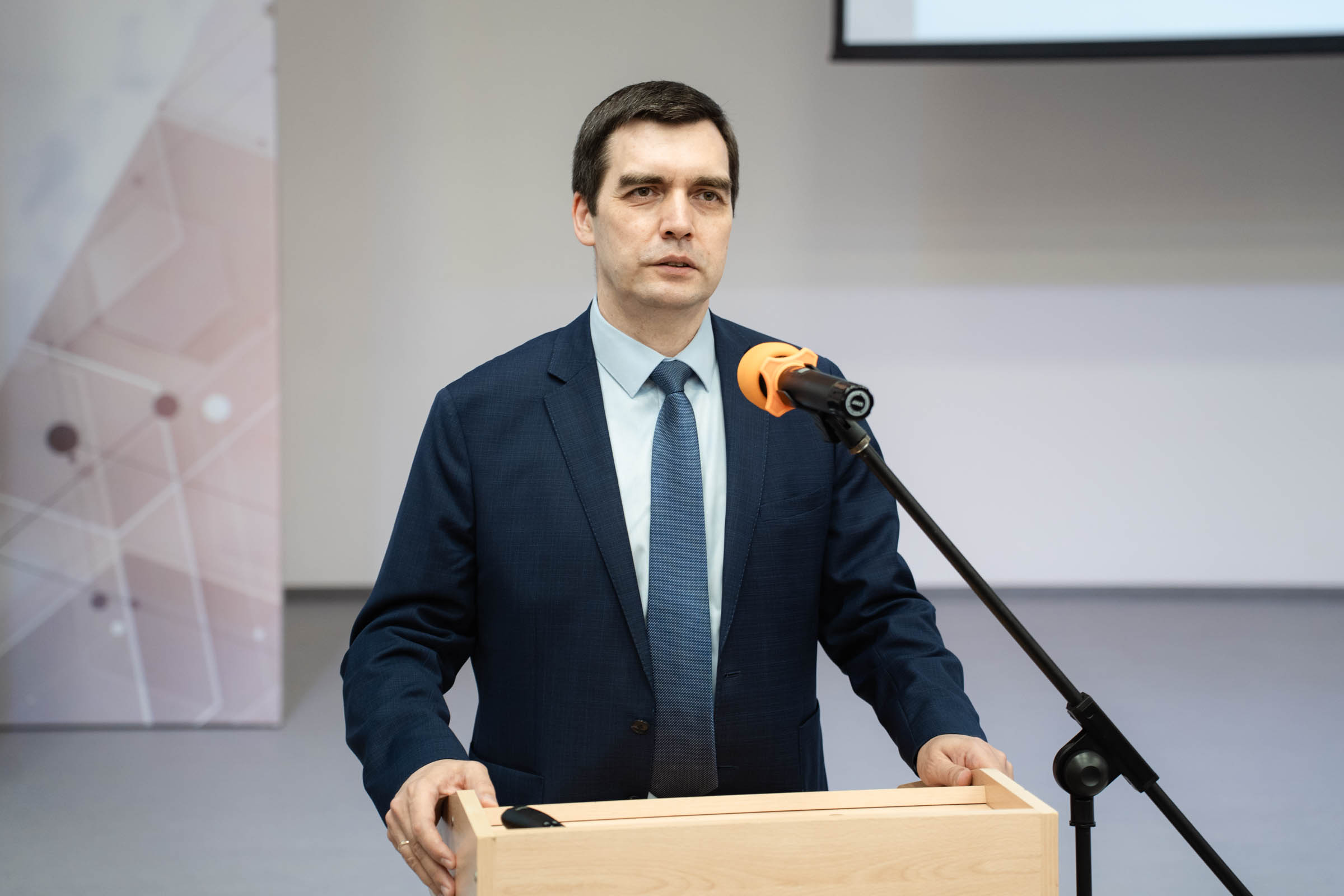
The Opening Ceremony
The grand opening ceremony took place at the Samara Center for Educational Development. Participants were welcomed by Viktor Akopyan, Minister of Education of the Samara Region; Mikhail Leonov, Vice-Rector for Educational Work and Youth Policy at Samara University; Irina Kryukova, Professor at Volgograd State Socio-Pedagogical University; and Elena Sabieva, Director of the Institute of Language and Literature at M. Kozhayev North Kazakhstan University (Petropavlovsk, Kazakhstan).
Welcoming addresses were read on behalf of Vyacheslav Fedorishchev, Governor of the Samara Region; Metropolitan Feodosiy of Samara and Novokuybyshevsk; and Vladimir Tolstoy, President of the Russian Society of Teachers of Russian Language and Literature and the International Association of Teachers of Russian Language and Literature.
The Governor's address emphasized that it is a "great honor for the region to host this authoritative scientific forum for the first time. Since 1967, it has united leading scientists, continuing the traditions established by the outstanding Russian scholar Vyacheslav Alekseyevich Nikonov." The Samara land was described as a "crossroads of civilizations and destinies, where spiritual enlightenment has taken place for centuries, and deep Orthodox traditions and unique toponymy have been formed."
In his welcoming remarks, Metropolitan Feodosiy highlighted the spiritual significance of onomastics: "A name is not merely a linguistic unit. In the Russian Orthodox tradition, a name has always been inextricably linked to the individual, to the image and likeness of God in man." The Metropolitan noted that "the names of our cities, rivers, streets, and villages are a living chronicle of the people's spirit," and that the researchers' work helps to "rediscover the sacred geography of the Volga region, hear the voice of our native land, and protect our linguistic heritage."
Mikhail Leonov also addressed the participants: "As historians, we constantly encounter the fact that from the peoples who once inhabited certain territories, only archaeological monuments and traces in local names remain. And to trace migration routes, we carefully study the toponymy of neighboring regions."
Irina Kryukova, Deputy Chair of the Organizing Committee, Doctor of Philological Sciences, and Professor, reminded the audience that the first conference was held by Vladimir Nikonov in Ulyanovsk in 1967. Over the decades, the forum has visited many cities in the Volga region, its thematic scope has expanded, and the participants are "no longer just colleagues, we are dear friends."
Keynote Speech: Language Contacts and Onomastics
The central event of the plenary session was a presentation by Sergey Myznikov, Doctor of Philological Sciences, Corresponding Member of the Russian Academy of Sciences (RAS), Head of the Department of Dialectal Lexicography and Linguistic Geography of the Russian Language at the Institute of Linguistic Studies of the RAS, Professor at Herzen State Pedagogical University of Russia, and Chief Researcher at the Center for Areal Linguistics of the Institute of Slavic Studies of the RAS.
In his keynote speech, "Anthroponyms and Zoonyms in the Context of Language Contacts," the scholar emphasized that the study of the Russian vernacular is impossible in isolation from history and migration processes: "Wherever we look in the Volga region, we will find the Cheremis (Mari), Veps, and Karelians. That is, we always have some form of ethno-linguistic contact, which, of course, is inevitably reflected in the onomastic composition of a given region."
Sergey Myznikov provided a vivid example: after the signing of the Treaty of Stolbovo in 1617, when part of the Korelsky Uyezd passed to Sweden, the Karelians moved into central Russia and settled, among other places, in the territory of the present-day Tver region. Thus, in the Upper Volga region, which is "seemingly an ancient Russian land," a complex onomasticon was formed, including both an ancient layer and later borrowings.
The scholar noted the importance of a comprehensive approach to onomastics: "Everything must be studied comprehensively, sometimes with reconstruction." As an example, he cited Alexander Anikin's Russian Dialectal Etymological Dictionary, which, alongside objective vocabulary, includes all onomastics.
Sergey Myznikov also spoke about the influence of the Russian naming system on surrounding languages that had long adopted Orthodoxy: "Take a certain Alexander Alexandrovich Petrov – who do you think he is by nationality? A Yakut!" the researcher emphasized, illustrating how the adoption of the Russian naming system can obscure national identity.
Special attention in the report was given to zoonyms. Using specific examples from the Novgorod, Yaroslavl, and Tver regions, as well as the Chuvash Republic and the Republic of Mari El, Sergey Myznikov demonstrated how complex etymological chains lie behind nicknames and surnames. For instance, the surnames Varashov, Gabukov, and Tumanov among different peoples are linked to the local name for the same bird—the hawk: varash (Mari), gabuk (Veps), tumana (Volga-Sviyaga dialect group).
"If you do not know the underlying context, finding the truth can be difficult," the scholar noted, calling for a thorough analysis of each onomastic unit, taking into account its localization and contact zones.
Scientific Program
The conference features 10 sections covering all major areas of onomastics:
- General issues of onomastics.
- Anthroponymy.
- General issues of toponymy.
- Problems of Russian toponymy.
- Folklore, historical, and epistolary onomastics.
- Poetonymy.
- Onymic space of the city and region.
- Onyms in art, media, and methodological aspects of onomastics.
- Peripheral categories of onomastics; Anthroponymy, toponymy, and literary onomastics (online sections).
Among the proposed topics are urbanonyms of Samara, the toponymic landscape of Kazakhstan, neural networks for name generation, zoonymic systems, the poetic onomastics of Bashkir folk songs, ergonyms in urban space, and many others.
On October 9, the work will continue at Samara University, where sectional meetings, a plenary session, and the closing ceremony will take place. The conference is organized by the Department of Foreign Languages and Professional Communication.
Photo: Olesya Orina
