

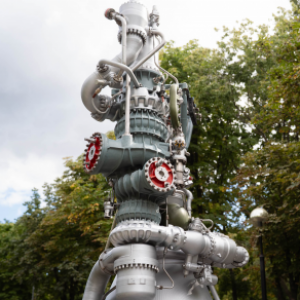
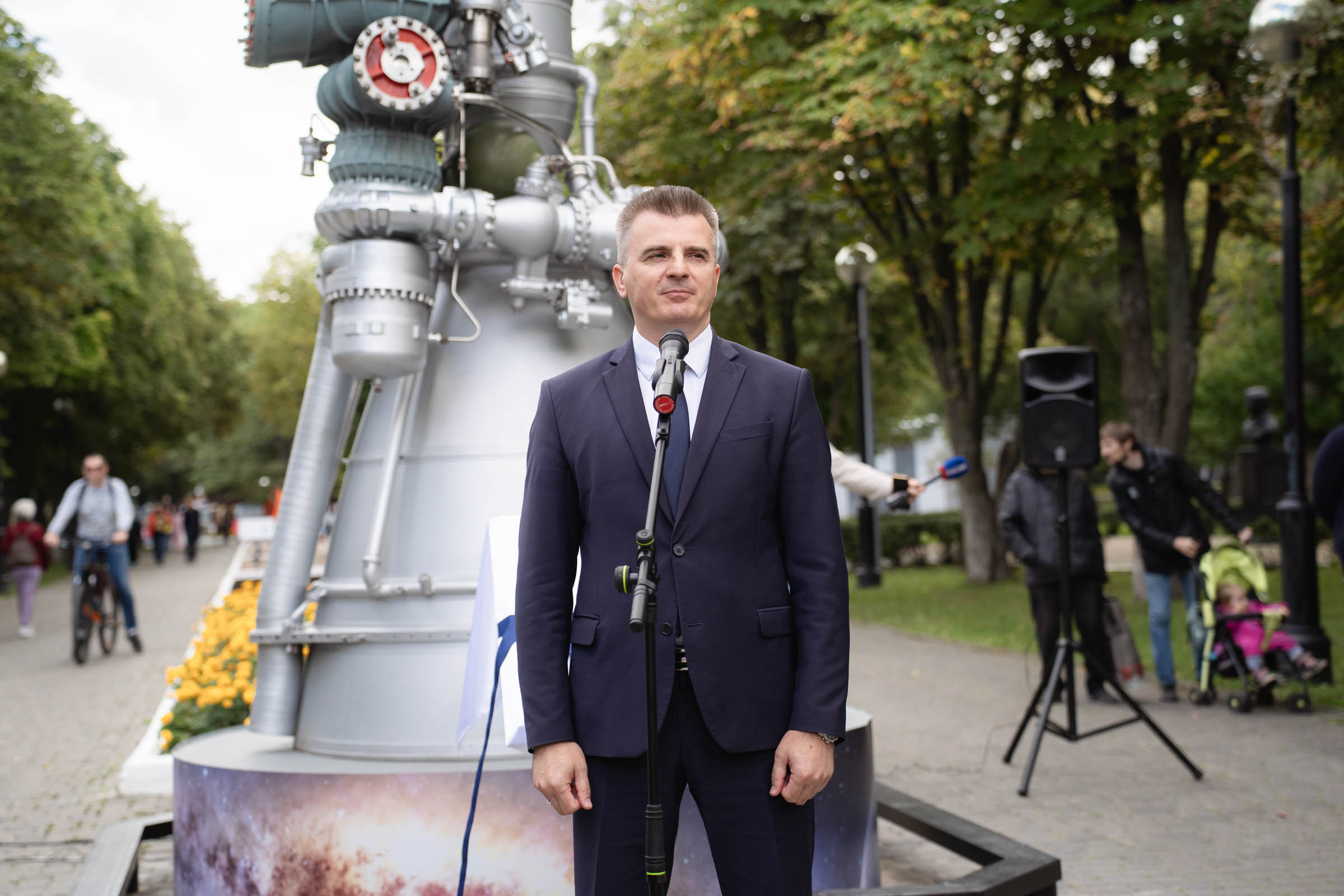
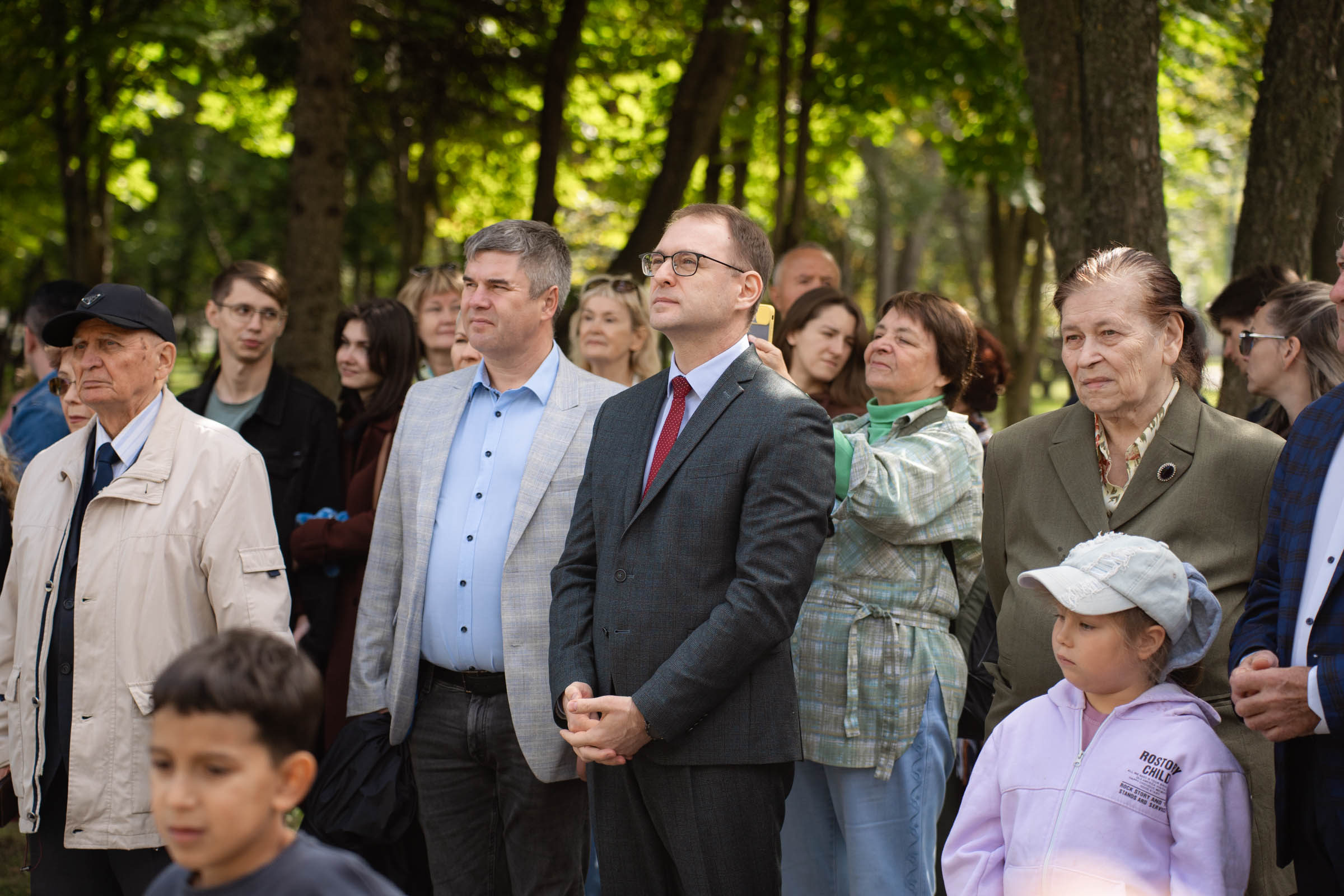
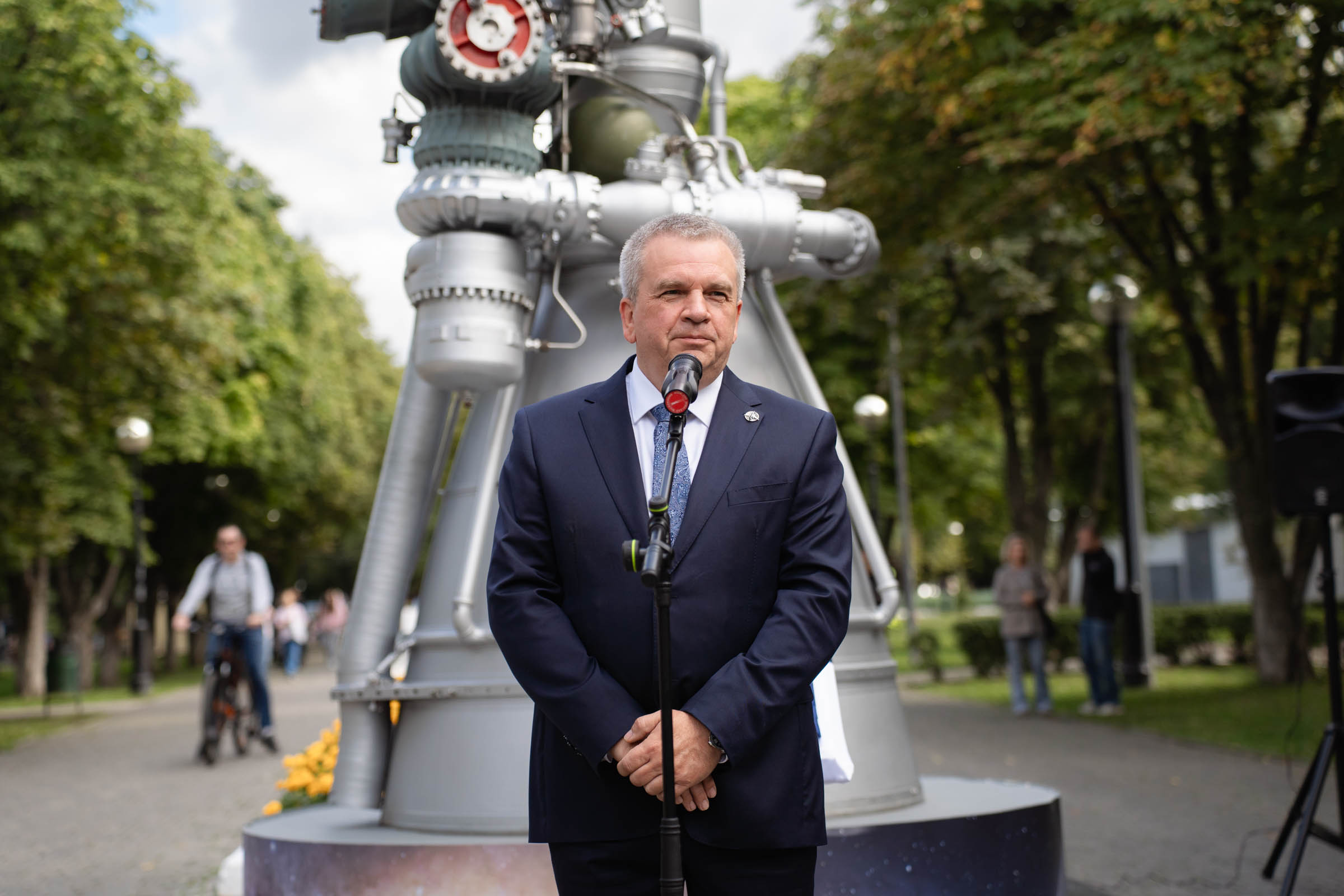
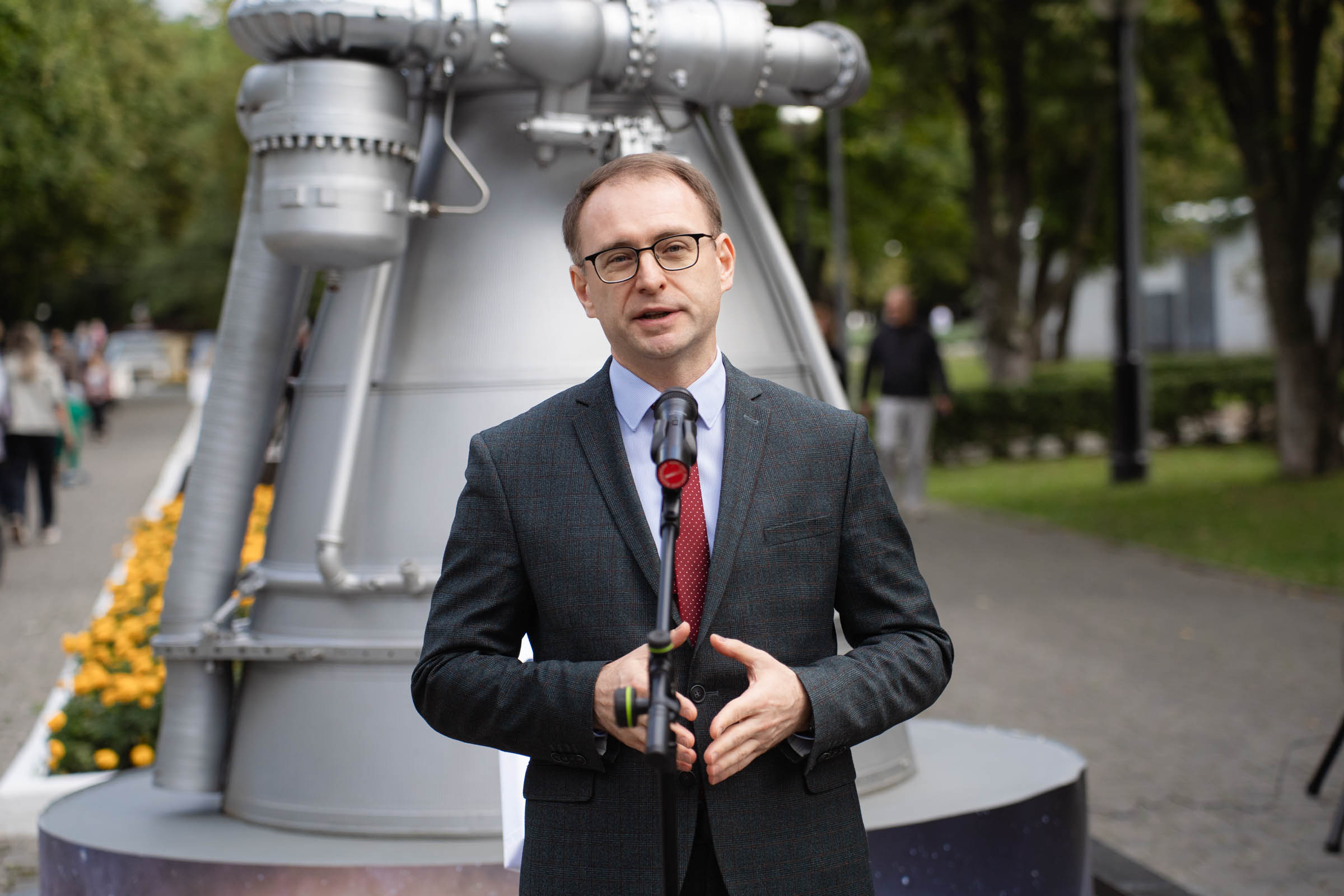
On September 13, a grand opening ceremony for a monument dedicated to the NK-33 liquid-propellant rocket engine was held in Gagarin Park, Samara. The engine was developed at the UEC-Kuznetsov facility (part of the United Engine Corporation of the Rostec State Corporation). The monument was presented as a joint gift to the residents and guests of Samara from PJSC "UEC-Kuznetsov" and Samara University, timed to coincide with the city's 440th anniversary. The full-scale model has been installed at the main entrance to Yuri A. Gagarin Park, adjacent to the bust of the first cosmonaut.
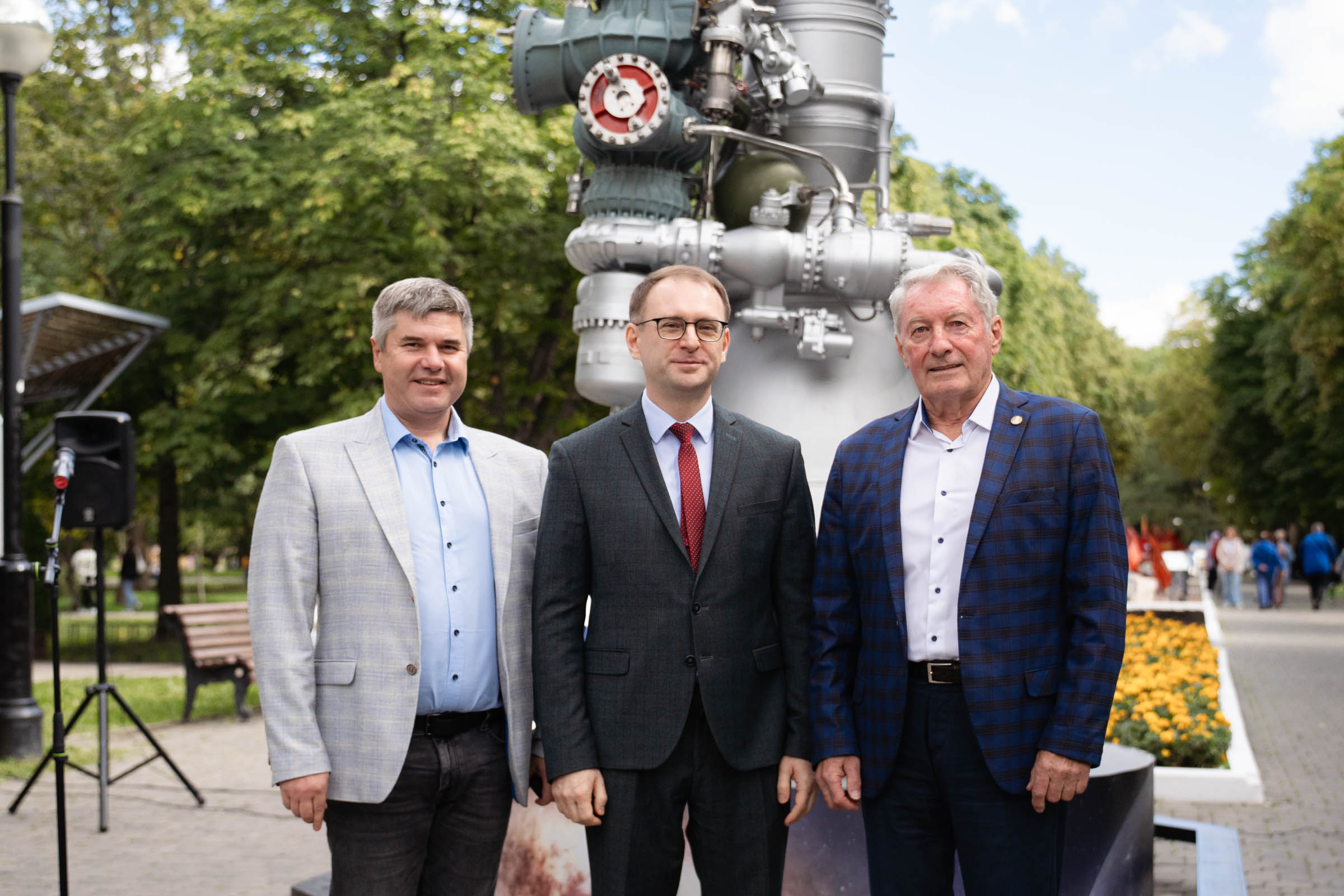
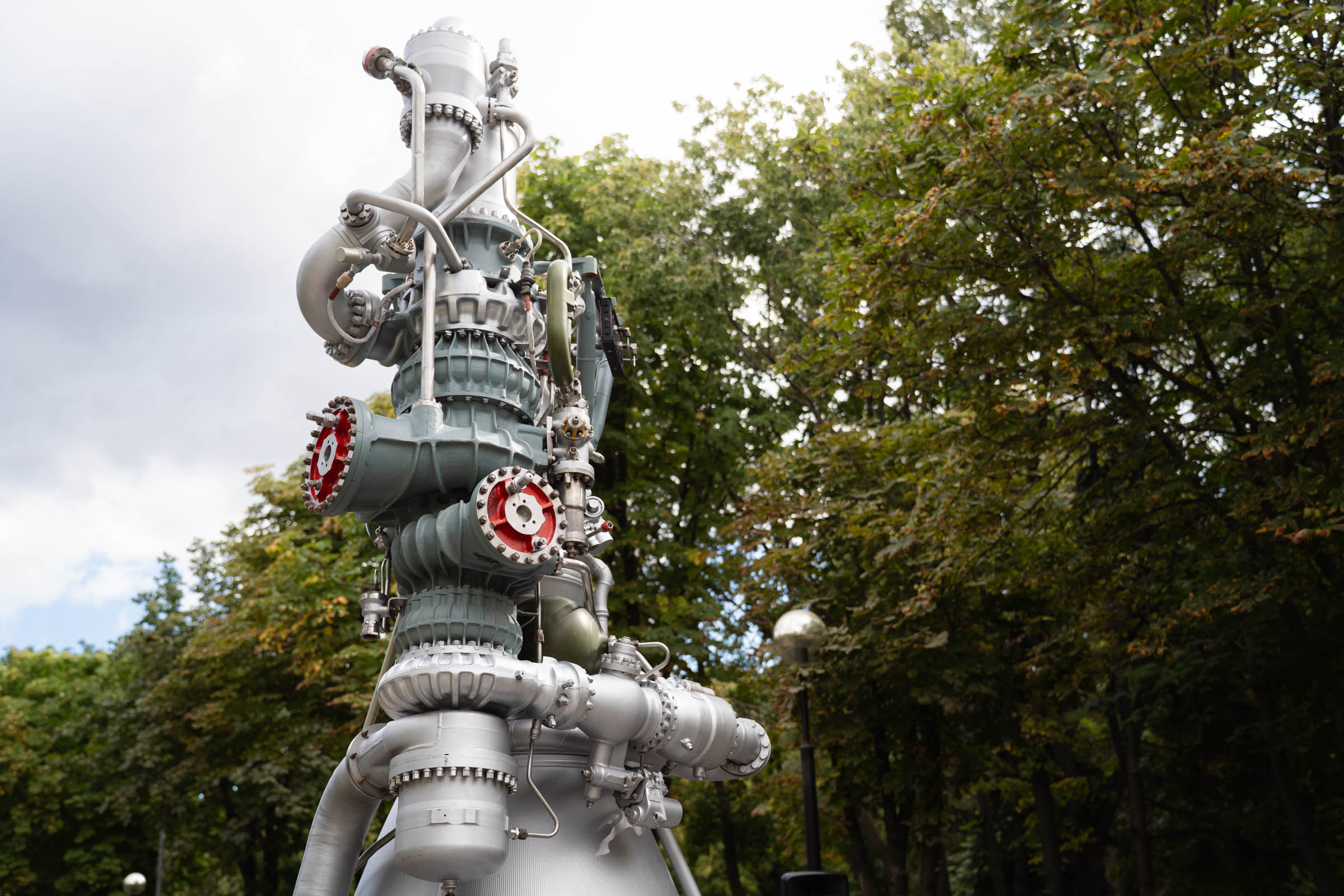
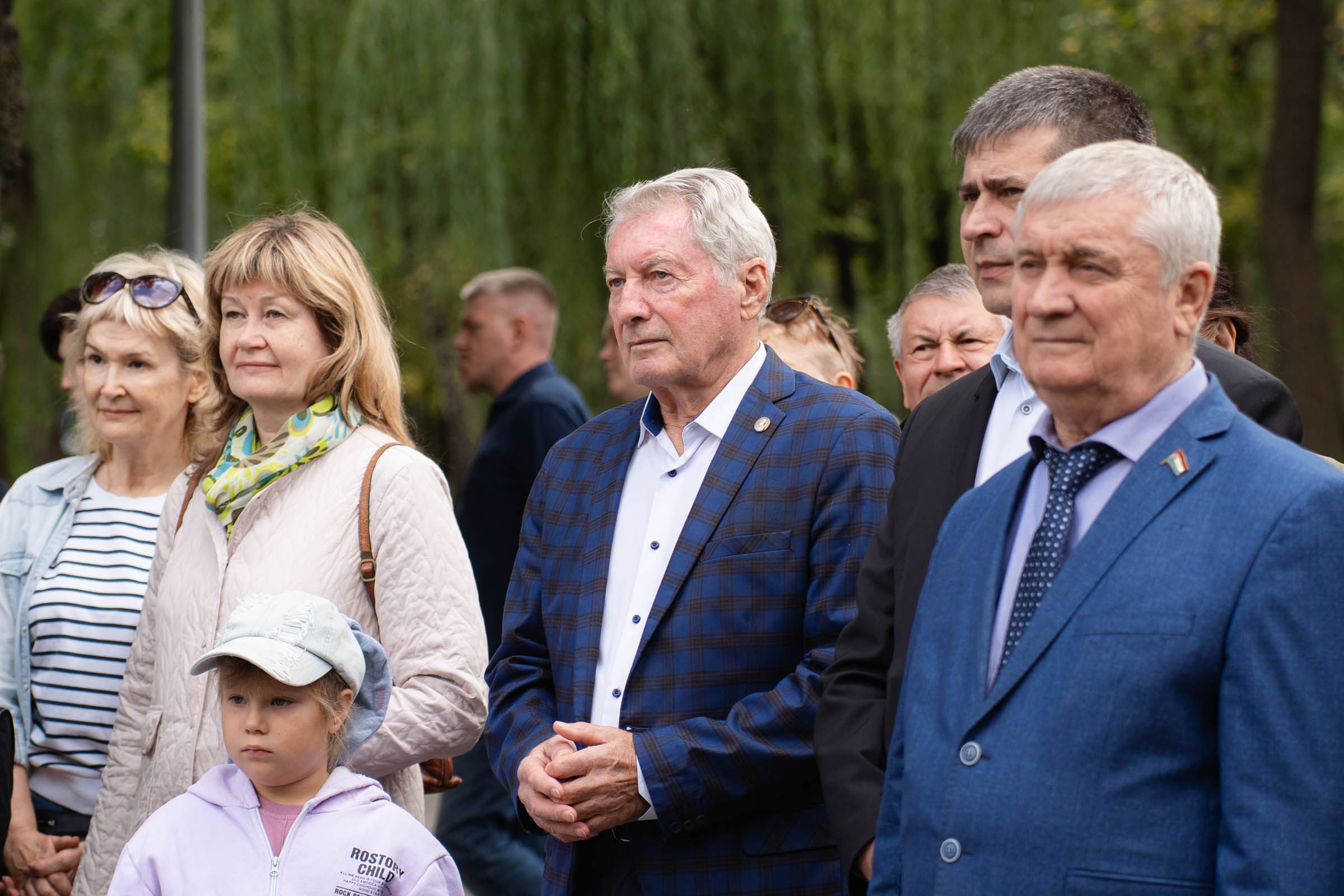

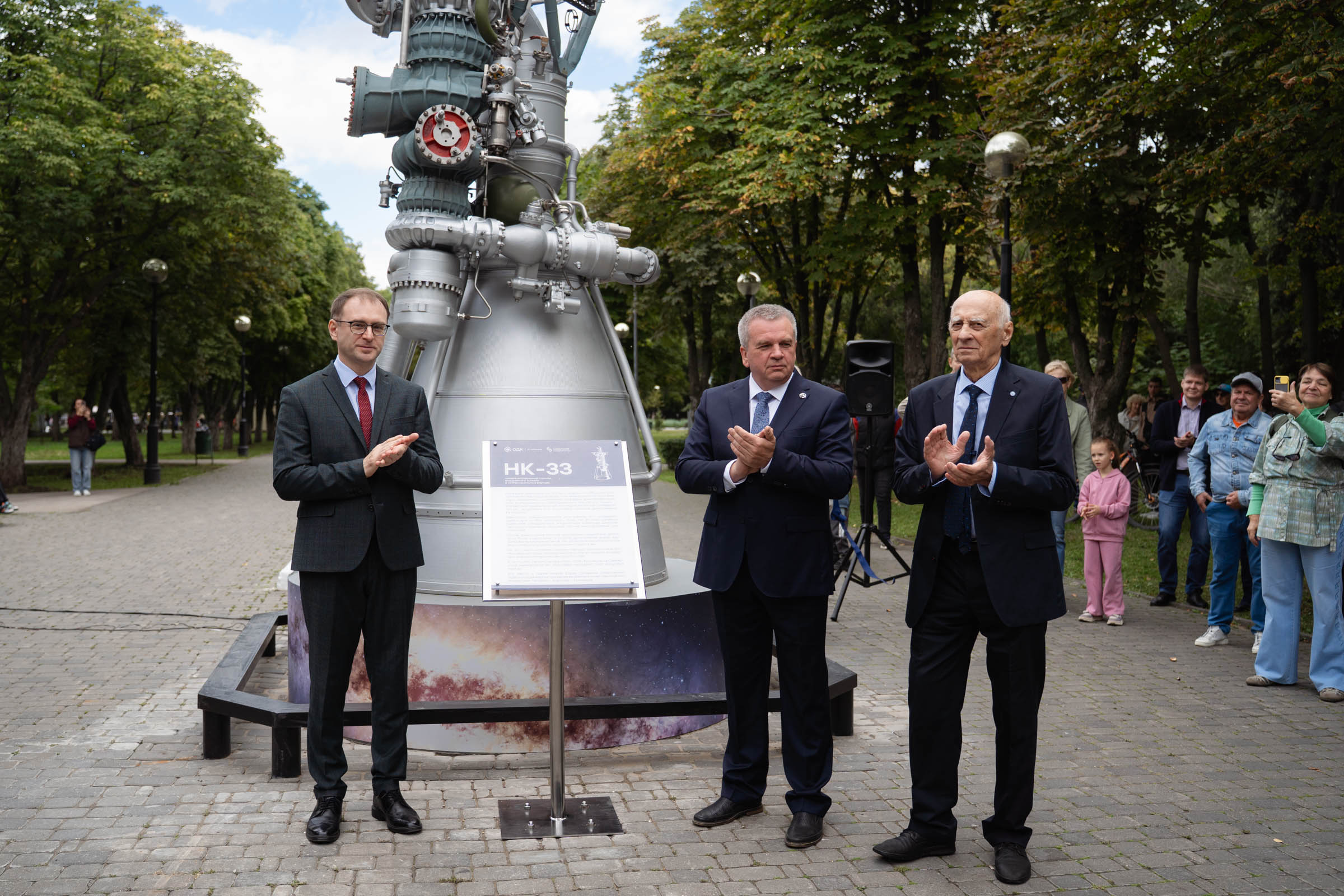
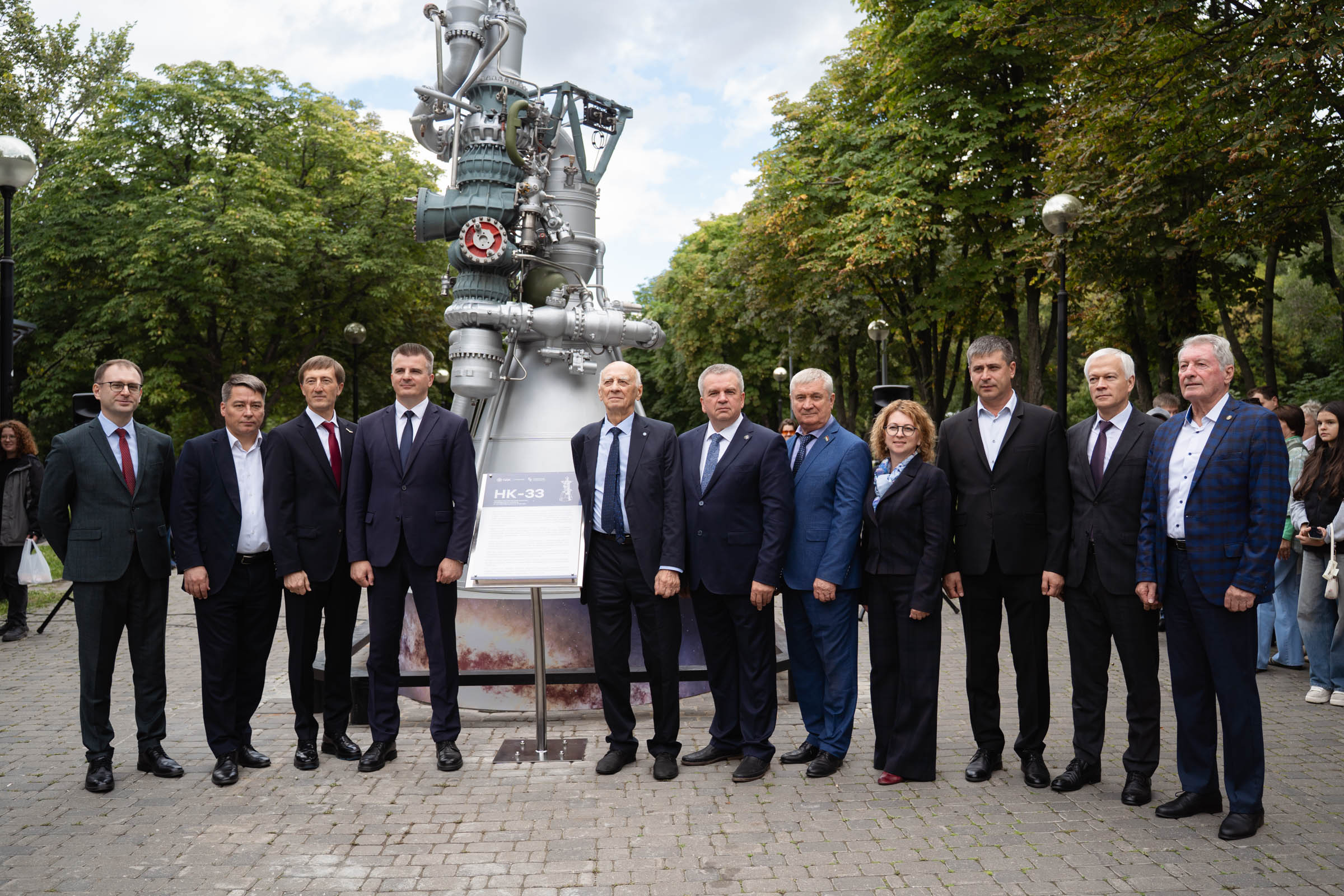
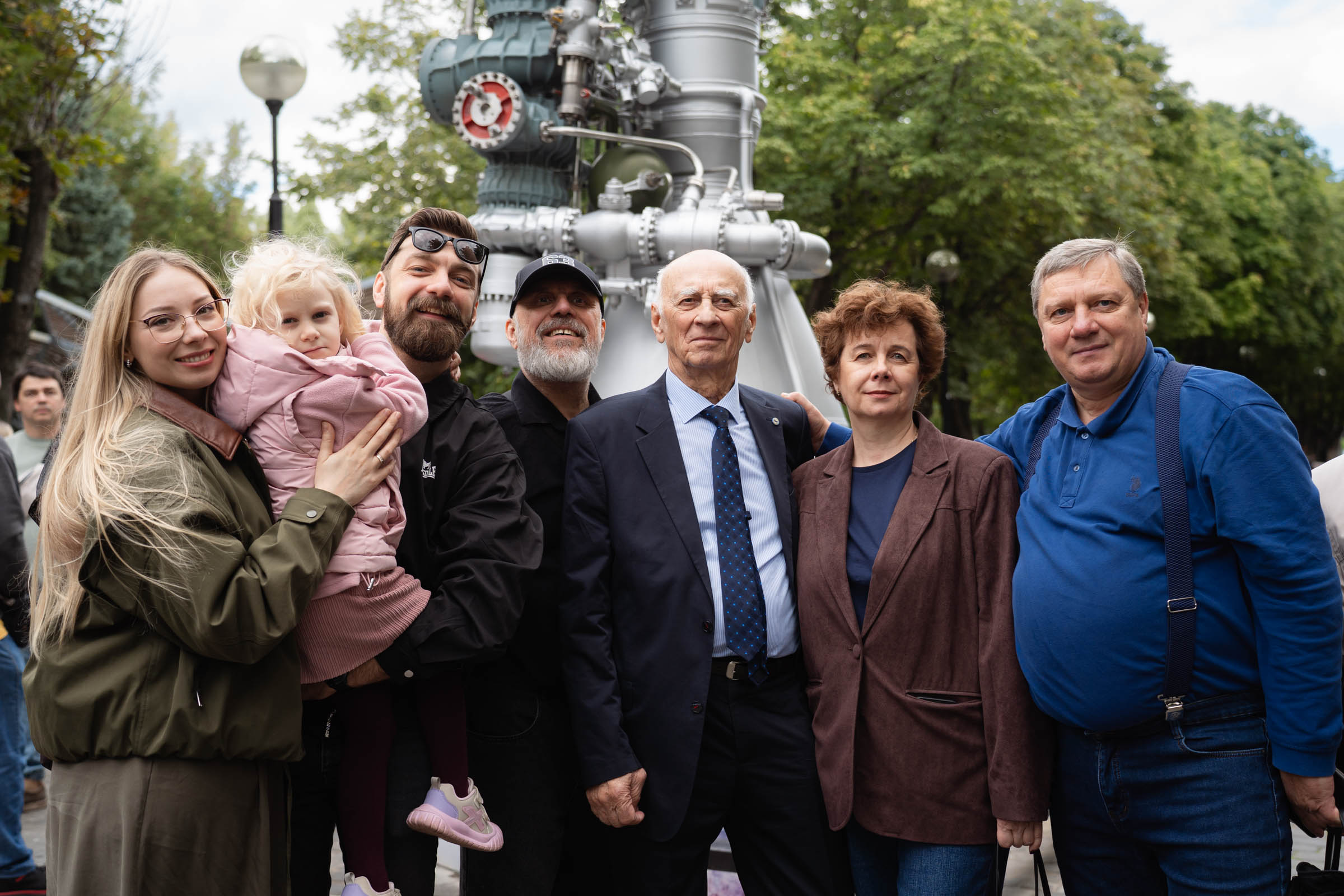
The NK-33 was developed in Kuibyshev by a team from the Experimental Design Bureau led by Nikolai Dmitrievich Kuznetsov—a chief designer, academician, and the founder of the Engine Building Department at the Kuibyshev Aviation Institute. The engine was originally designed for the Soviet lunar program, which was spearheaded by Sergei Korolev. Following the program's cancellation, the existing engines were preserved, and decades later, they found renewed demand in the aerospace industry: modified NK-33A engines are currently used in the "Soyuz-2.1v" light-class launch vehicles. To date, they have powered 13 successful launches, with the most recent taking place in November 2025.
Delivering a welcoming address on behalf of Vyacheslav Fedorishchev, Governor of the Samara Region, was Vyacheslav Romanov, Deputy Chairman of the Regional Government. He described the NK-33 as a world-class technological breakthrough. "It is developments like this that established the Samara Region as a center of domestic manned spaceflight," he noted.
Oleg Vydumlev, General Director of PJSC "UEC-Kuznetsov," recalled that the last launch using this engine occurred in November 2025 and expressed hope that its legacy would not end there. He also emphasized that the project was implemented jointly with Samara University, a strategic partner of the enterprise.
"We are erecting not just a monument to the NK-33, but a reminder that the labor of scientists, designers, and workers laid the foundation for today's achievements. UEC-Kuznetsov continues to develop its design school of rocket engine building—a striking example of blending traditions with modern approaches is the engine project for the newest NK-3 super-light launch vehicle, currently being developed by the best minds of our design bureau. I am confident that for the residents and guests of Samara, this monument will be yet another reason to be proud of their city, one of the country's leading aerospace hubs," Vydumlev stressed.
Rector Vladimir Bogatyrev spoke about the continuity of the engineering school and the involvement of graduates and specialists from the Kuibyshev Aviation Institute (now Samara University) in the engine's development.
"The unveiling of the NK-33 monument in Samara is a symbolic event timed for the city's 440th anniversary. This engine was developed in Kuibyshev by Nikolai Kuznetsov's team for the lunar program, and decades later, its design proved highly relevant to the modern Russian aerospace industry. It is crucial for Samara University that this continuity endures. Today, the University preserves and advances the engineering traditions established in Samara over the decades, training specialists for the engine-building industry. Together with PJSC 'UEC-Kuznetsov,' the University presented this monument to the city as an anniversary gift. We expect the monument to serve not only as a reminder of the past but also as an educational landmark—it will tell new generations about Samara's specialists and their achievements, as well as the future prospects opening up for the region," the Rector noted.
He also detailed how cooperation with the enterprise is developing today: "We have active training programs for design and manufacturing engineers, including the targeted training program 'Wings of Rostec.' In the Advanced Aerospace Engineering School, the educational process widely utilizes technologies based on digital twins, artificial intelligence, and virtual and augmented reality. Last year, the 'DvizhOK' Student Design Bureau was opened. Currently, the University's Engineering Center is being modernized, and a number of joint scientific projects are being implemented with UEC-Kuznetsov."
Professor Valery Danilchenko, Chief Designer of Rocket Engines at PJSC "UEC-Kuznetsov" and a student of Nikolai Dmitrievich Kuznetsov, reminded the audience that the engine remains unsurpassed in many parameters to this day. "It paved the way for all the engines that followed," Danilchenko emphasized.
For Reference:
The NK-33 is a liquid-propellant rocket engine developed by Nikolai Kuznetsov's Experimental Design Bureau between 1960 and 1972, pursuant to the Decree of the Council of Ministers of the USSR dated May 13, 1959. The engine was designed for the first stage of the N1 heavy-class space rocket complex, intended for human lunar missions. In total, UEC-Kuznetsov manufactured 524 NK-33 engines and their prototypes. In 2010, UEC-Kuznetsov, in collaboration with the "Progress" Rocket Space Centre, began adapting the NK-33 as a first-stage engine for the domestic "Soyuz-2.1v" light-class launch vehicle. The updated engine was designated the NK-33A. The first launch of a launch vehicle equipped with it took place in December 2013.
Photo: Olesya Orina
