

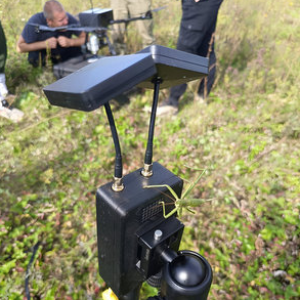
With the support of the Ministry of Science and Higher Education, as part of a pilot project to create carbon polygons in the regions of Russia for the development and testing of carbon balance control technologies, a network of carbon polygons has been created where the control of carbon dioxide emissions and absorption is practiced in real time, the state of natural systems, the quality of water resources and other parameters are assessed. Currently, there are 19 such polygons registered throughout Russia.
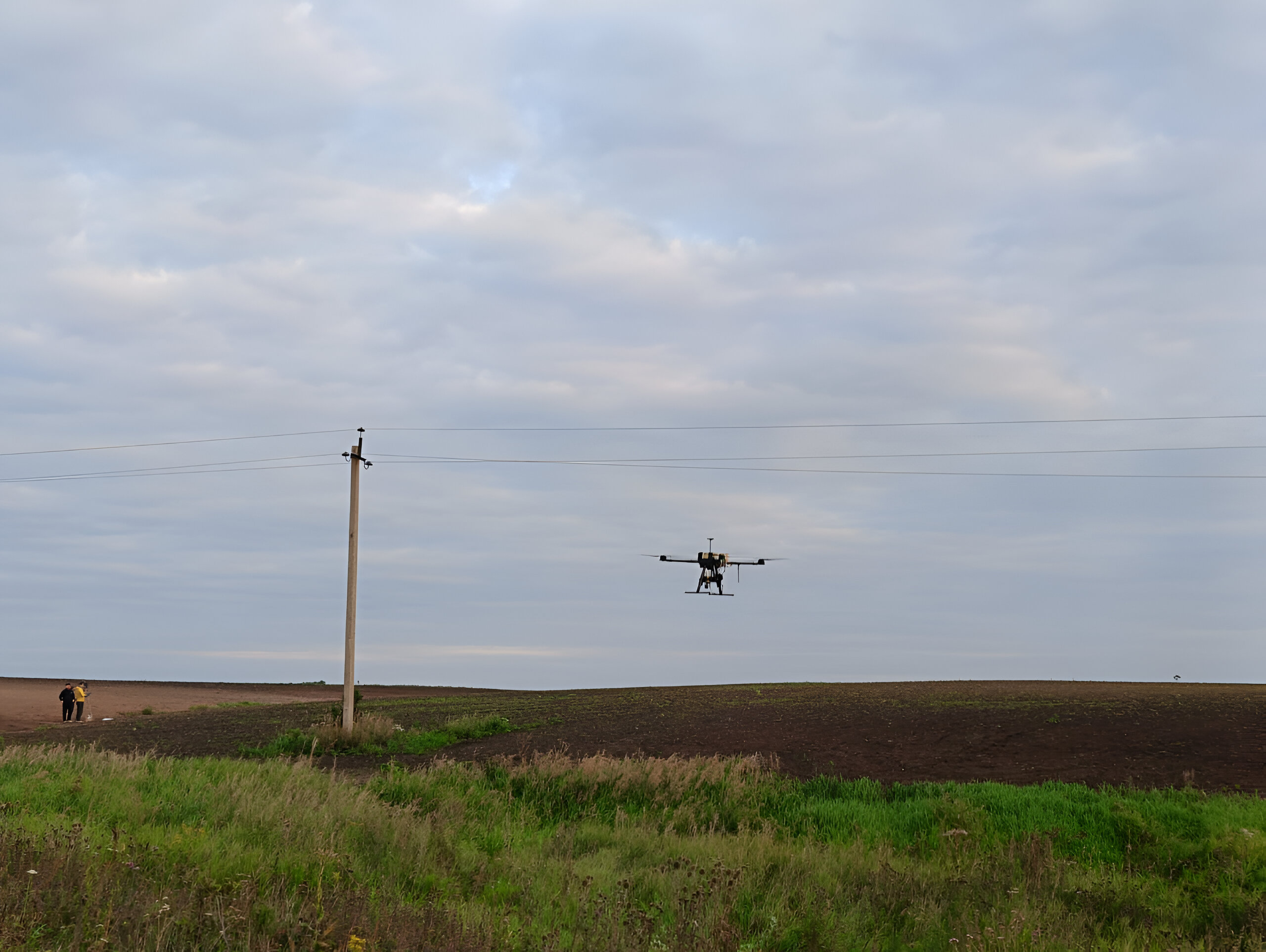
In November 2023, the Project from the Samara Region – the agricultural carbon polygon "Agro Engineering" – became one of the polygons. Comprehensive studies are carried out in the fields of the agricultural carbon polygon "Agro Engineering", including agrochemical analyses, organic carbon indicators, qualitative and quantitative determination of greenhouse gases, soil microbiota and their impact on crop yields and nutritional value of products. Interdisciplinary studies are also carried out at the junction of medical and agricultural microbiology using culturomic and metagenomic analysis, advanced practices and methods of remote monitoring and hyperspectral imaging are being introduced. In addition, the project consortium participants are developing their own unique equipment to support research at the carbon polygon and technological independence. The scientific team of the polygon operator (Samara University) has developed portable gas chromatographs for quantitative express analysis of greenhouse gases in the field, hyperspectral cameras and UAVs equipped with research equipment for remote monitoring. The project is interdisciplinary in nature and combines the efforts of not only academic schools of the Samara Region, but also those of Kazan, St. Petersburg, Moscow, Pushchino.
An important marker of the development of carbon polygons is the creation of a climate project on its basis.
Currently, within the framework of the agricultural carbon polygon "Agro Engineering", the first voluntary climate project in the field of agriculture is being implemented in the network of polygons. The project "Changing the stock of organic carbon in the soil and reducing greenhouse emissions using soil-protective resource-saving agriculture technologies" is being implemented on the arable lands of Orlovka – AIC LLC on the basis of a carbon polygon in the Samara Region (Pokhvistnevsky district, the village of Stary Amanak).
The project was successfully registered on September 2, 2024 in the register of carbon units of Kontur JSC. Earlier, on August 28, 2024, a positive conclusion on the validation of the project was issued by the accredited body for validation and verification of greenhouse gases "Union for the Protection of Environmental Rights of the Population of the Moscow Region" (Application No. 4510176516, Operator of the Carbon Units Registry No. 1001). On September 9, it was entered into the Registry under number 36-2024-00000069. This is the first registered climate project in the carbon polygon system.
The climate project was implemented in accordance with the requirements of GOST R ISO 14064-2-2021 "Requirements and guidance for quantification, monitoring and reporting of projects to reduce greenhouse gas emissions or increase their absorption at the project level". In addition, the project was implemented taking into account the Preliminary National Standard "Changes in Soil Organic Carbon Stocks on Arable Land" (PNST 901-2023), developed by the Institute of Global Climate and Ecology named after Yu.A. Izrael.
Within the framework of the climate effect, the baseline and project scenarios were presented. The baseline scenario assumes traditional plowing with the use of nitrogen fertilizers without mulching (leaving plant residues). The project scenario includes soil conservation agriculture technologies (direct seeding, plant residue management, crop rotation, use of biopreparations) with an equivalent level of nitrogen fertilizer use. The total climate effect calculated for the period from 01.01.2019 to 31.12.2023 based on the specified methodologies amounted to 40924 t CO2-eq.
In the future, it is planned to validate the project and issue carbon units on the carbon exchange. This could be the first precedent for the sale of "agricultural carbon units", which will allow for a wider dissemination of knowledge about climate projects in agriculture and promote the spread of soil-protective resource-saving agriculture practices in Russia.
Tags: Institute of Natural Sciences and Mathematics, Department of Chemistry, logbook, employee, agricultural carbon polygon
