

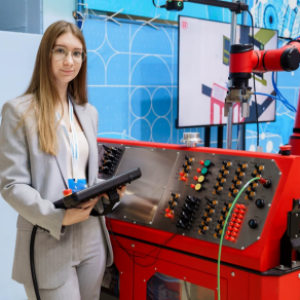
Russia aims to rank among the world’s top 25 nations in industrial robotics density by 2030—and Samara University is actively contributing to this national priority. The university has developed a comprehensive “digital factory” concept, established two cyber-physical factories and one digital factory, and launched specialized training programs in mechatronics and robotics.
At a December 2025 meeting on strategic planning and national projects, President Vladimir Putin directly linked economic competitiveness to automation: “Efficiency gains depend directly on the adoption of advanced technologies—industrial robots, automation systems, and digital solutions, including artificial intelligence.” Yet the challenge remains formidable. In 2025, Russia had just 40 industrial robots per 10,000 manufacturing workers, compared to over 1,000 in South Korea, the global leader.
“To reach the top 25, we must unite the efforts of science, education, and industry,” said Vladimir Bogatyrev, Rector of Samara University. “There is now acute demand for engineers skilled in robotics. Our University has launched applied research and talent development in this field, building a strong scientific foundation. For us, this is a strategic priority.”
From Student Club to Advanced Laboratories
The University has long nurtured student interest in robotics. In 2010, the Robotic Student Club was founded at the Department of Automatic Systems and Power Plants, bringing together enthusiasts in robotics, electronics, and programming. By 2016, student teams were winning awards at international events like RoboFest and WorldSkills Russia. They continue to compete annually in RoboFinist and have represented the University for three consecutive years at the nationwide “Robot Battle” competition.
A major leap forward came four years ago when Samara University joined the federal “Advanced Engineering Schools” program. This marked the beginning of a new era in its robotics initiatives.
“What makes our Advanced Aerospace Engineering School (AAES) unique is its focus from day one on developing and implementing digital technologies to robotize aerospace enterprises through cyber-physical production systems,” explained Ivan Tkachenko, Vice Rector and Director of AAES. “This vision shapes both our research and educational programs.”
When AAES launched in September 2022, one of the first facilities students entered was the Interactive Center for Robotics and Mechatronics.
Building the “Digital Factory”
Within months of AAES’s launch, three core research and educational units were established:
1. A Cyber-Physical Factory for Small Satellites;
2. A Cyber-Physical Factory for Small Gas Turbine Engines;
3. A Digital Factory for Regional Aviation and Unmanned Aerial Systems.
These facilities develop intelligent manufacturing cells—modular “building blocks” for fully robotized production lines.
“We envision the future of aerospace manufacturing as a ‘digital factory’—a three-tier integrated system unifying design, production, logistics, and enterprise management,” said Dmitry Antipov, Head of the Department of Aircraft Production and Quality Management.
Today, Samara University is cultivating a new, high-level competency: the ability to integrate robotic systems and digital technologies into a customized “digital factory” tailored to specific industrial clients. According to Rector Bogatyrev, these capabilities will be essential for creating fully unmanned production facilities.
Bridging Science and Industry
As Tkachenko noted, robotizing production requires re-engineering spacecraft designs to align with robotic assembly capabilities. This work is already underway at AAES in preparation for serial production of the “AIST-ST” radar Earth observation satellite.
The first hand-assembled prototype has been undergoing flight tests since December 28, 2025, and is now operational in orbit. Its serial version will be optimized for high-throughput robotic assembly, enabling rapid production of dozens—or even hundreds—of such satellites. This approach is already being adopted by the university’s industrial partner, Special Technology Centre (STC). A similar model applies to UAVs, with solutions developed at AAES now implemented by Future Transport, a leading drone manufacturer.
“Russian enterprises aren’t yet ready to adopt a full ‘digital factory’ solution—but they urgently need individual components,” Tkachenko said. “Our developments are attracting major players like ISS Reshetnev, Sputnix, Future Transport, and AeroHit.”
“At the Cyber-Physical Factory for Small Gas Turbine Engines, researchers have completed a digital twin of an intelligent manufacturing cell for compressor parts of the “Kolibri” micro-turbine engine—currently undergoing testing at the university’s Engineering Center. Strong partnerships have also been forged with Russian robotics integrators, including Tesvel, which supplied collaborative robots for both the Small Satellite Factory and the Laboratory of Plastic Deformation of Special Materials. We’re now expanding into a new frontier—anthropomorphic robotics,” added Vitaly Smelov, Director of the Institute of Engine and Power Plant Engineering.
In 2026, the University launched a Youth Laboratory for Anthropomorphic Robots, led by postgraduates Ilya Borodkin and Mikhail and Olga Zagoriny, winners of Russia’s first hackathon in anthropomorphic robot programming.
The lab’s key missions include:
· developing proprietary control software (“reflashing”);
· training robots in new technological operations;
· integrating robotic systems into partner enterprises;
· advancing research in computer vision, navigation, and intelligent control.
Launching a National Robotics Hub
Samara University currently offers four degree programs (Bachelor’s, Specialist, and Master’s levels) that train graduates as robotics engineers, production technologists, and IT specialists.
“Our graduates are team-oriented and equipped to design and manage robotized production systems,” said Antipov.
“We’ve fully staffed our research units with such talent, forming multidisciplinary teams—and we’re ready to deploy graduate-led teams for industrial partners on demand,” confirmed Tkachenko.
This combination of skilled talent and industrial demand is attracting robotics manufacturers to Samara. Tesvel plans to open a factory in 2026 at the Preobrazhenskaya Industrial Park—a move experts believe will position the region as a national growth hub in one of the economy’s most promising sectors.
In February 2026, the Center for Industrial Robotics Development opened at Tesvel with support from Russia’s Ministry of Industry and Trade. It will drive innovation, provide technological consulting, and train qualified personnel for Samara Oblast and beyond.
Additionally, Samara University, SMS-Avtomatizatsiya, and Tesvel have jointly proposed hosting the International Forum “Intelligent Robotic Systems and Complexes” (IRSC-2026) in Samara to foster collaboration among robotics developers, integrators, academia, and government.
“The forum will serve as an open platform for shaping global robotics trends, showcasing innovations, and accelerating scientific progress in intelligent systems,” said Rector Bogatyrev.
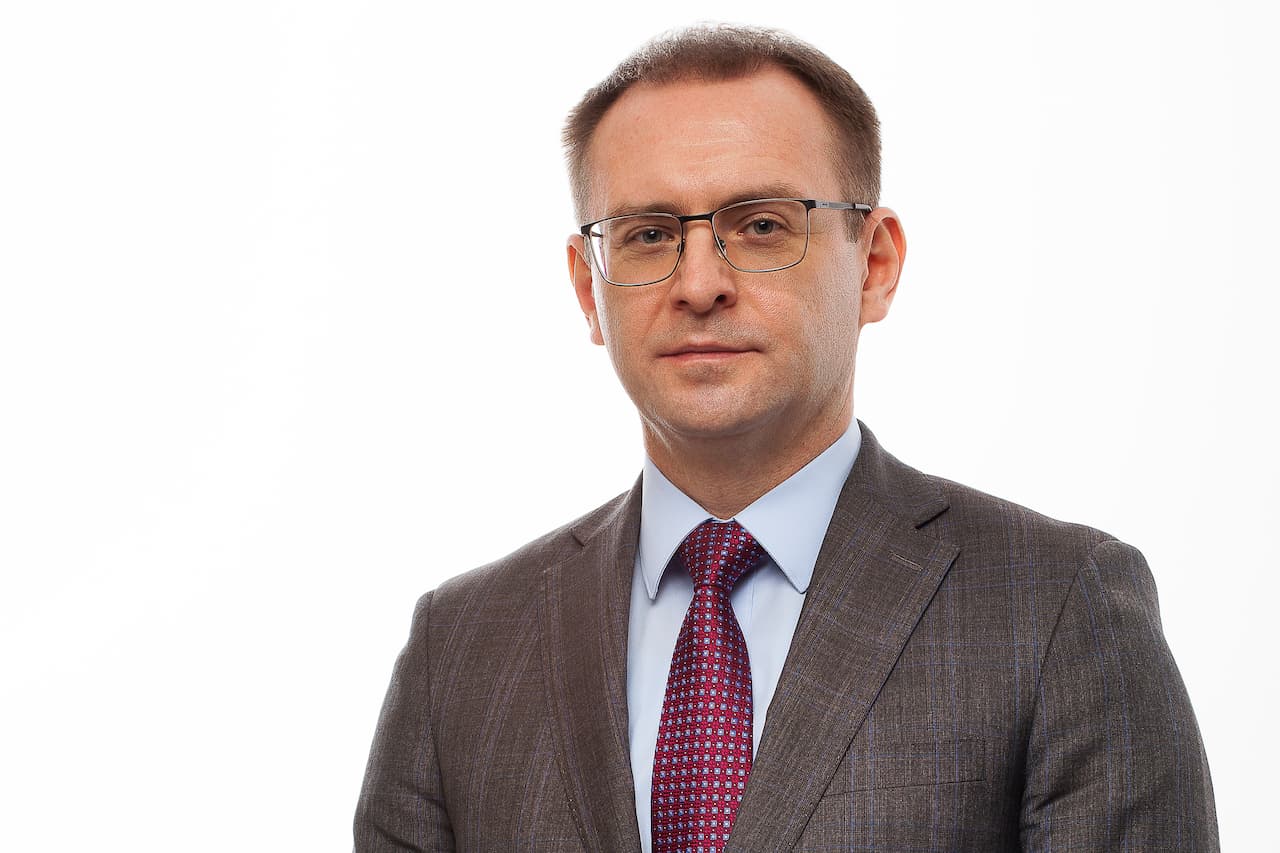
Vladimir Bogatyrev, Rector of Samara University:
“Samara has a unique opportunity to become Russia’s leading center for robotics development. The conditions are already in place. First, the region hosts highly automated enterprises—most notably AvtoVAZ, one of Russia’s most robotized plants. Aerospace and UAV manufacturers in Samara and Tolyatti also face urgent robotization needs to enable mass production of satellites, engines, and drones at competitive costs. Second, our University is already training robotics specialists—and with strong industry demand, this pipeline will expand rapidly.”
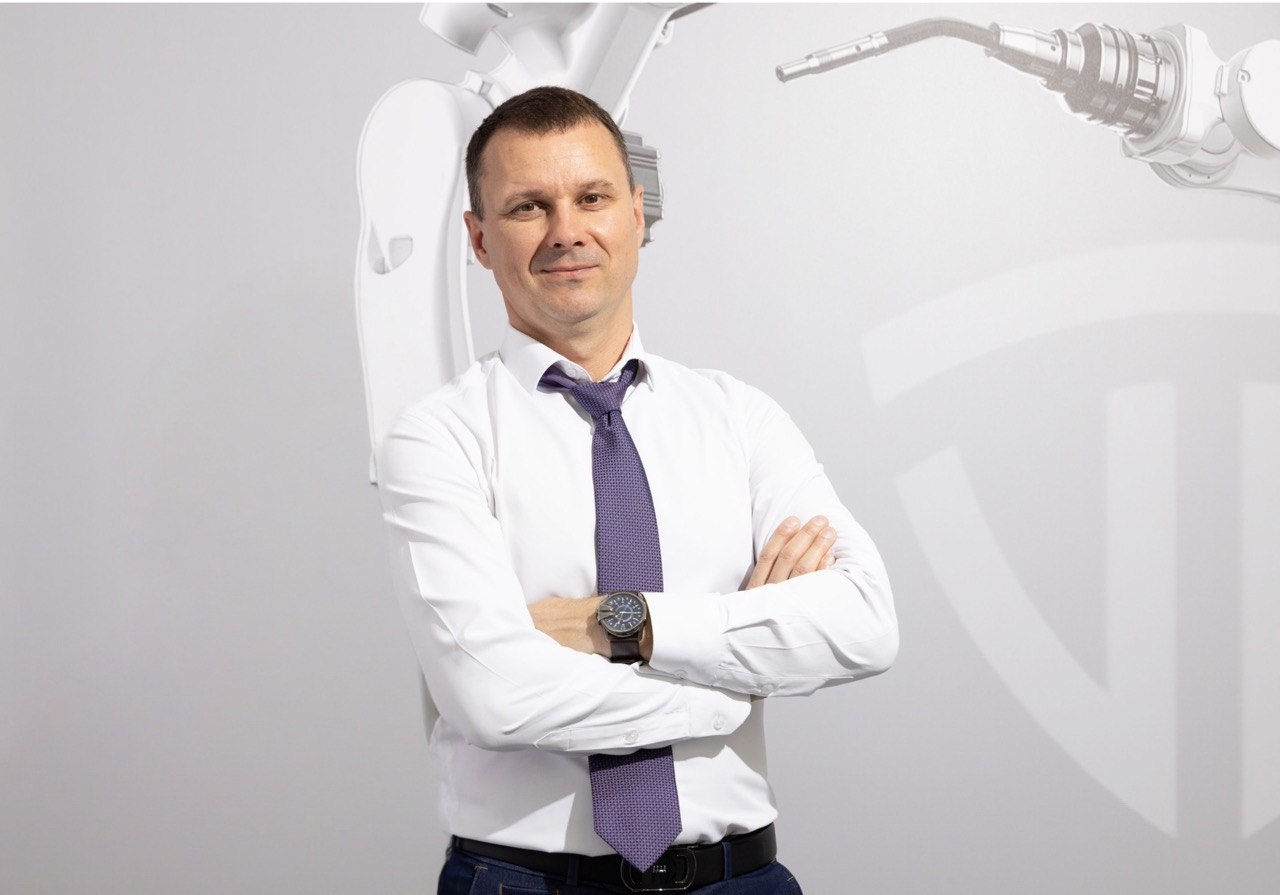
Sergey Morshansky, Director of Tesvel LLC:
“Through the national project ‘Means of Production and Automation,’ we collaborate closely with Samara University—offering targeted student training, faculty internships, and career guidance starting from the third year. Our Robotics Development Center operates as a ‘single window’: when an enterprise approaches us with a unique process, we assess its robotization potential, conduct audits, identify risks, and propose optimal solutions. We also advise on all available regional and federal support measures.”
Source: oboz.info
