

Scholars, faculty, and students from Samara University took part in a roundtable titled “Flysheets: The Social Networks of the 16th–17th Centuries,” the second event in the special project “At the Origins of Anti-Russian Propaganda,” launched by the International Media Group “Rossiya Segodnya.”
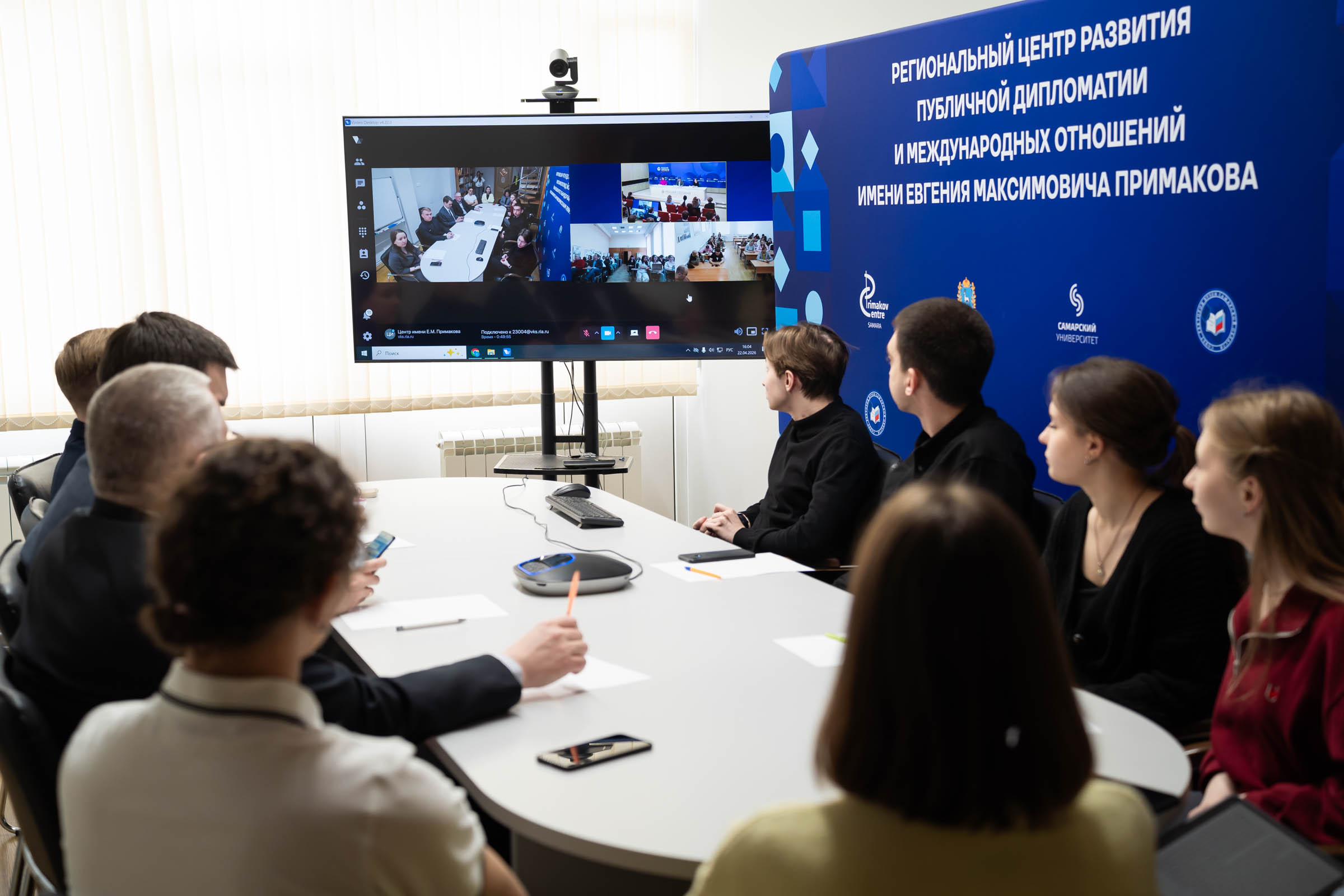


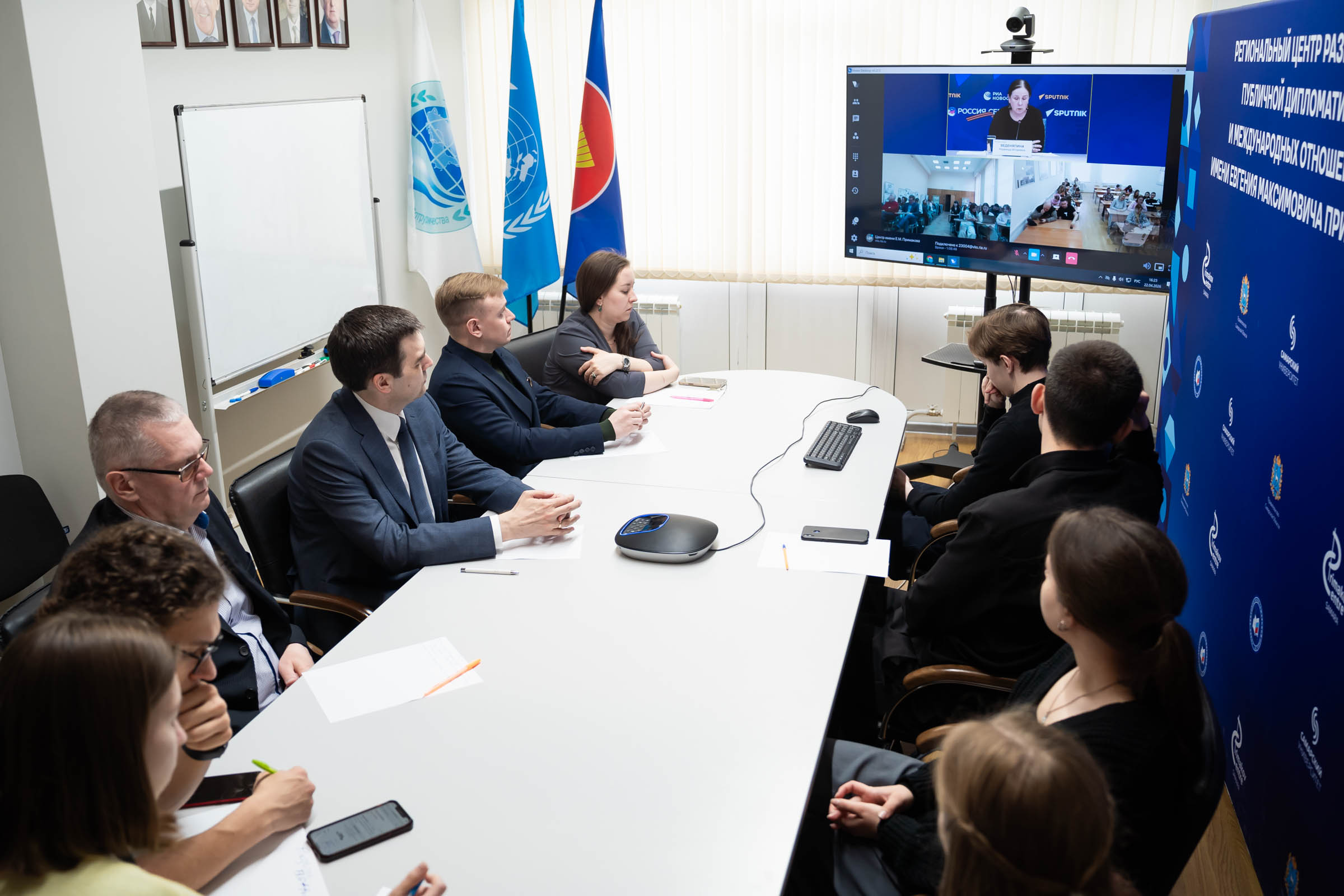
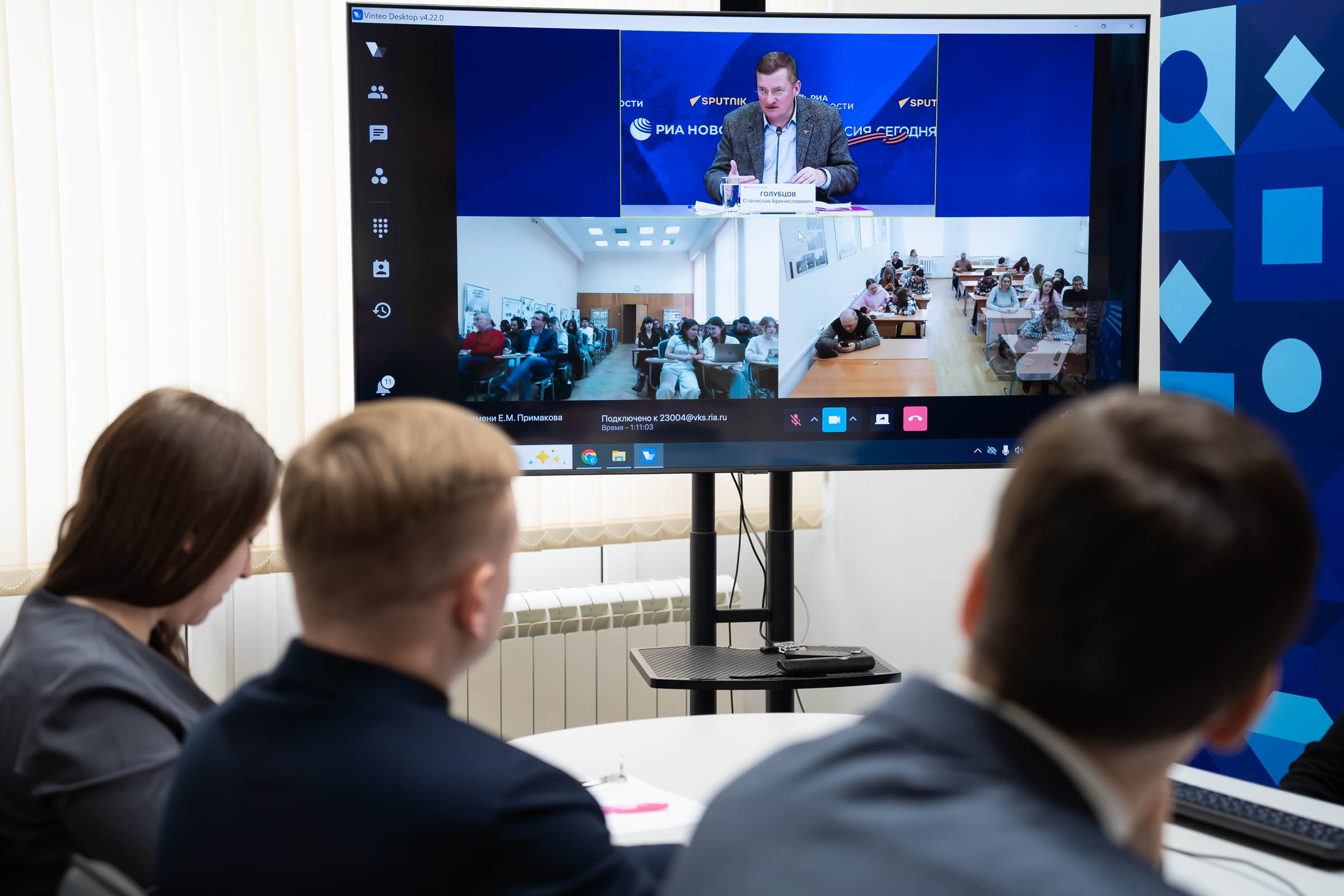
Held at the agency’s Moscow press center on Zubovsky Boulevard, the discussion featured Stanislav Golubtsov, Deputy Director General for Library Services at the Russian National Library (RNL), and Nadezhda Vedenyapina, Head of RNL’s Information and Bibliographic Department. The session was moderated by Natalya Tyurina, head of the “Social Navigator” project at Rossiya Segodnya.
Conducted via video link, the roundtable brought together historians from leading Russian universities—including Southern Federal University (Rostov-on-Don), Ryazan State University, Ulyanovsk State University, and Samara University—to explore how early printed media shaped public opinion across Europe.
Known as “flying sheets” (“letuchie listki”), these inexpensive, single-sheet or pocket-sized pamphlets were the first mass medium of early modern Europe. Often containing just one sensational story—political, military, religious, or scandalous—they spread news faster than any previous format and became wildly popular not only in Poland but throughout the continent.
“These flyers are often called the ‘social networks’ of the 16th and 17th centuries,” noted Natalya Tyurina, framing the discussion. “They were a unique phenomenon in the history of propaganda.”
According to Stanislav Golubtsov, flysheets were deliberately designed to capture public attention. Their style catered to what we might now call a “clip-based” mindset: short, vivid, image-driven content that was easy to absorb—and remember. Many texts were even written in rhyme, making them catchy enough to be sung aloud.
Printed in surprisingly large runs for the era, these pamphlets circulated rapidly across Europe. They were sold at fairs, posted on church doors and town halls, and read aloud in public spaces. Crucially, European perceptions of the Russian Tsardom during this period were largely shaped by Polish sources—especially after the Livonian War eliminated the buffer between Muscovy and Western Europe.
Nadezhda Vedenyapina explained that before 1561, Russia rarely appeared in flysheets. But once the Livonian Confederation collapsed, anti-Russian narratives surged. Over just 25 years of war, nearly 100 such pamphlets targeting Russia were published in Europe.
These texts vilified Russian rulers—particularly Tsar Vasily Shuysky, who was singled out in one notorious flyer—as embodiments of barbarism. As Golubtsov put it, they crafted a “collective enemy you could recognize by face,” essential for rallying public support against Moscow.
The ideological tropes embedded in these pamphlets remain disturbingly familiar today:
- Russians were depicted as uncivilized savages,
- Accused of “atrocities” and “barbaric cruelty,”
- Labeled “schismatics” (heretics) in religious discourse,
- And even denied their identity—Polish historian Maciej Miechowita claimed “true Russians” lived only under Lithuanian rule, while Muscovites were impostors.
“The dominant theme was military propaganda,” said Golubtsov. “Countless scenes showed thousands of clumsy, deceitful Muscovite soldiers defeated by a handful of noble Polish knights—reinforcing the image of the East as militarily inept and treacherous.”
One striking example: a Polish flyer about the capture of Smolensk, which framed the invasion as a moral imperative:
“The Muscovite prince brutally oppresses local people and tramples their rights. With heavy hearts, we must intervene—because civilization demands it… and God commands it.”
Another widely circulated piece, “The Bloody Wedding,” told a harrowing tale of how “Muscovite barbarians” murdered False Dmitry I—a “civilized European monarch”—and tried to kill his wife, Marina Mniszech. Published across continental Europe and quickly reprinted in London in 1607—less than a year after the real execution—it demonstrated astonishing speed for early 17th-century printing.
Experts drew clear parallels between flysheets and modern social media:
- Clickbait headlines,
- Striking visuals,
- Emotional captions (“monstrous,” “bloody,” “savage”),
- Claims of eyewitness accounts (often fabricated),
- And the urgent tone of “truth from the scene.”
Today, the Russian National Library holds one of the world’s richest collections of these historical artifacts. During the session, experts showcased facsimiles printed on paper recreated using 16th-century techniques in RNL’s own laboratories.
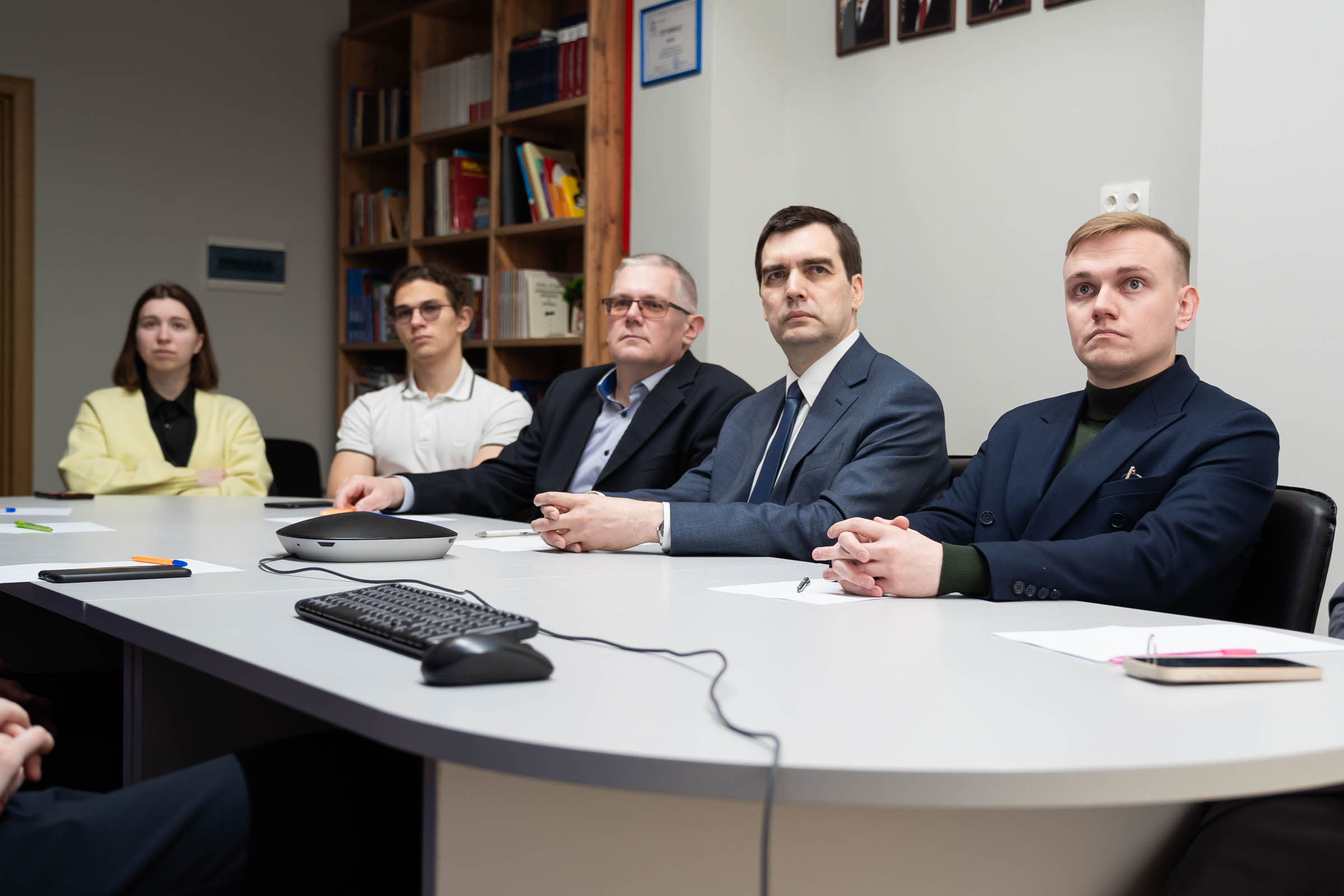
Participants from Samara University engaged deeply with the speakers.
- Violetta Kondrova, a second-year history student, asked how long the Polish anti-Russian myth persisted.
“It’s still alive today,” Vedenyapina replied.
- Mikhail Chirkov, Associate Professor of Russian History, questioned whether early Russophobia was driven more by national or religious motives.
“Neither,” came the answer. “It was framed as a civilizational mission: ‘We are cultured; they are barbarians.’”
- Sergey Nikolaev, Assistant Lecturer, inquired about publication details—place, printer, print runs.
Golubtsov explained that while print runs weren’t standardized, the city and printer were always listed—serving as branding for the publishing house.
In closing, Mikhail Leonov, Vice-Rector for Student Affairs and Youth Policy at Samara University, expressed gratitude:
“We used to see flysheets as tools of internal Polish mobilization. Today’s discussion dramatically expanded our understanding. This topic has truly captivated us—thank you for such a high-quality, insightful event.”
The next installment of the series is scheduled for May 22, focusing on Afanasy Nikitin’s journey to India and his seminal travelogue, “A Journey Beyond Three Seas.”
Photo: Olesya Orina
