

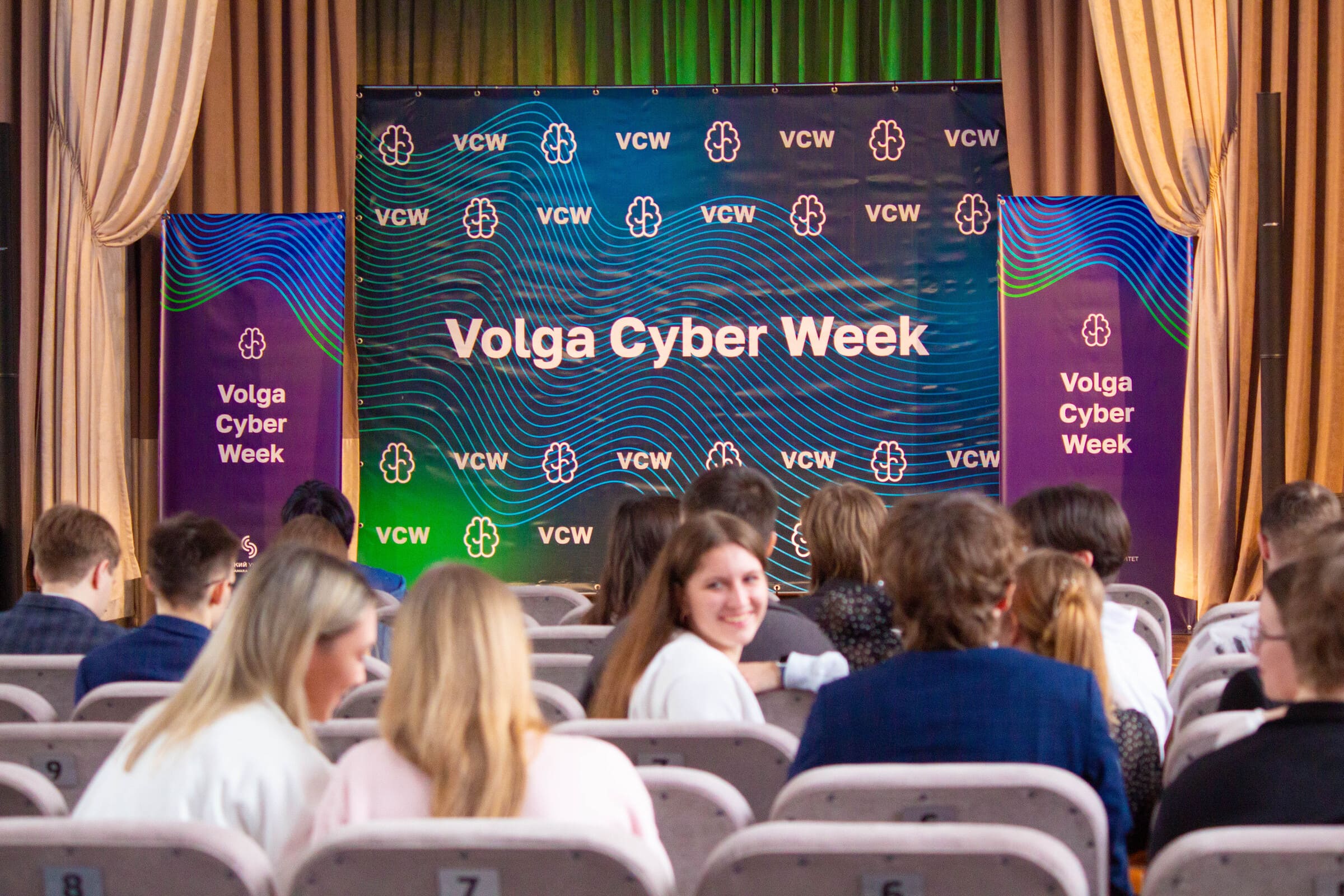
From May 12 to 14, 2026, Samara University served as the hub for the II All-Russian Youth Scientific and Practical Conference on Informatics and Cybernetics: Volga Cyber Week (VCW-2026). The event brought together students, postgraduates, and early-career researchers from across Russia, creating a vibrant platform for exchanging ideas on the most pressing scientific and technological frontiers of our time.
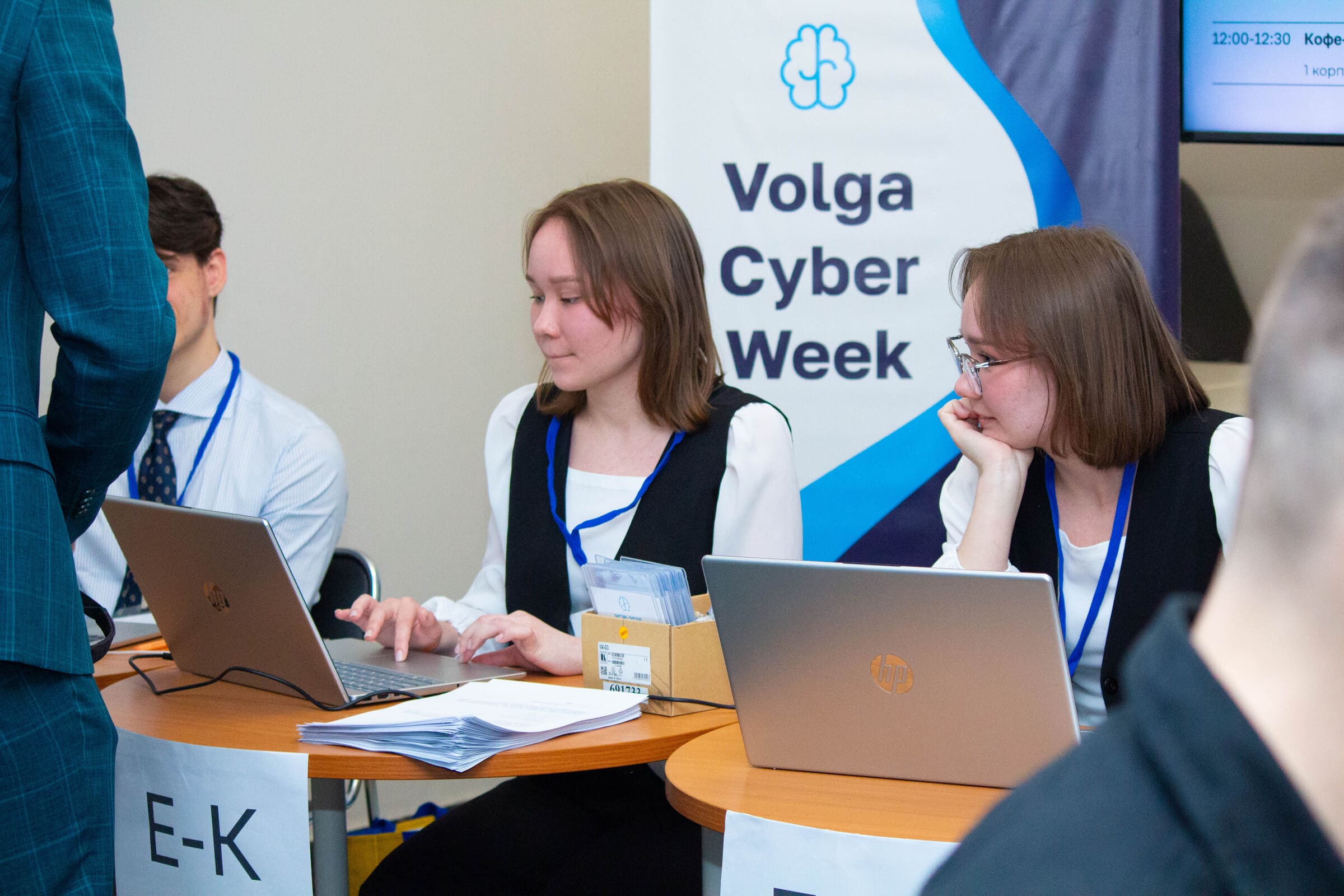
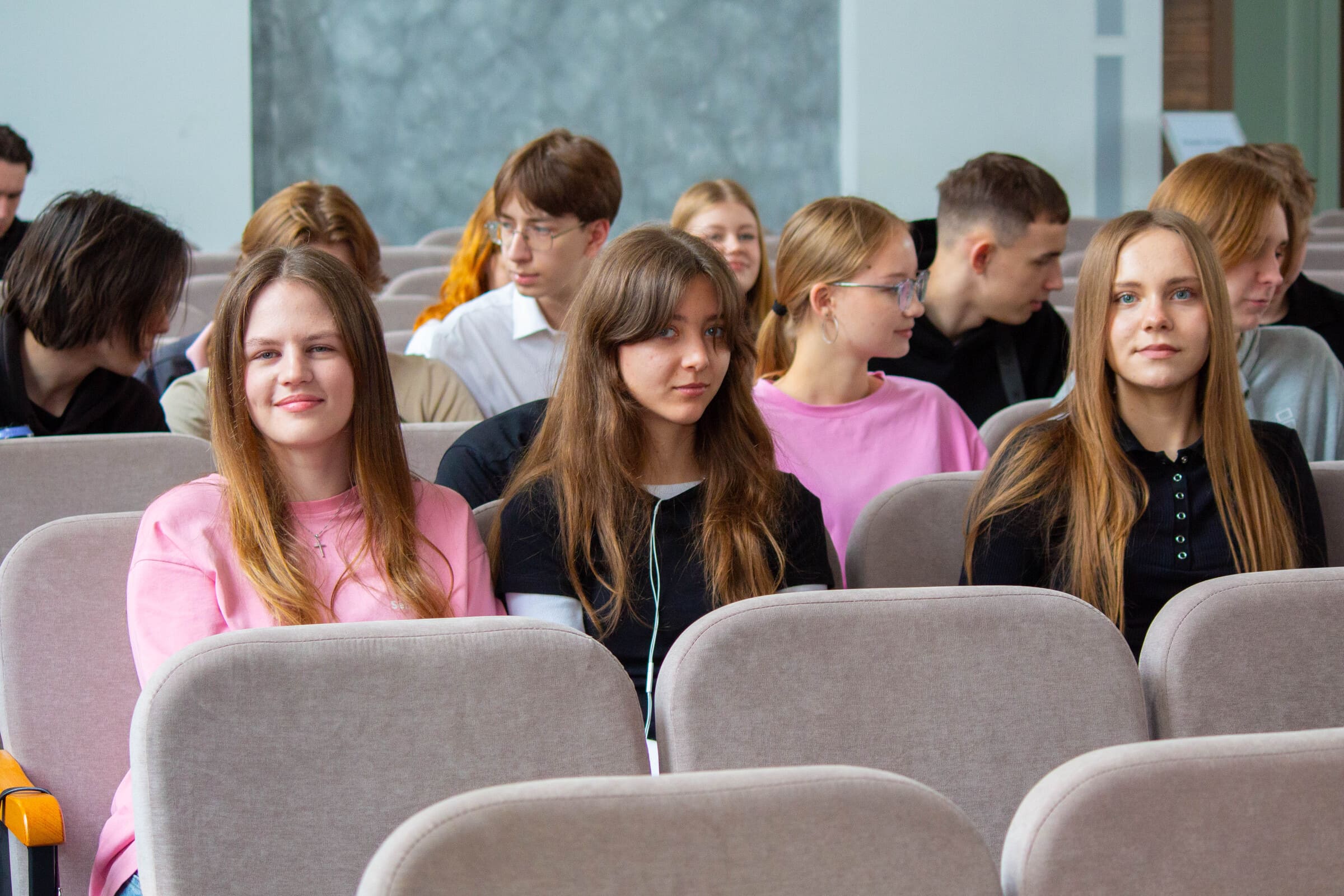
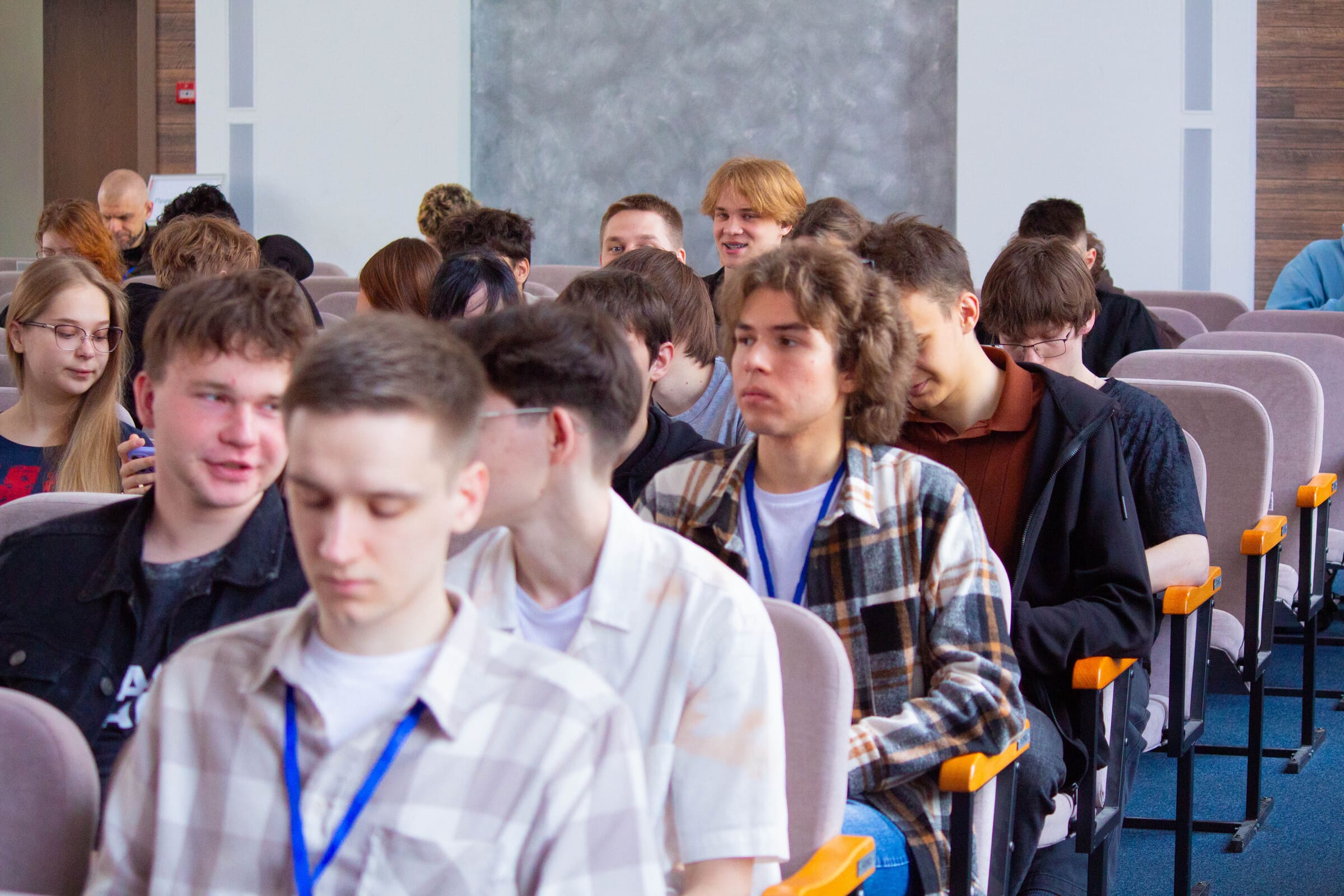
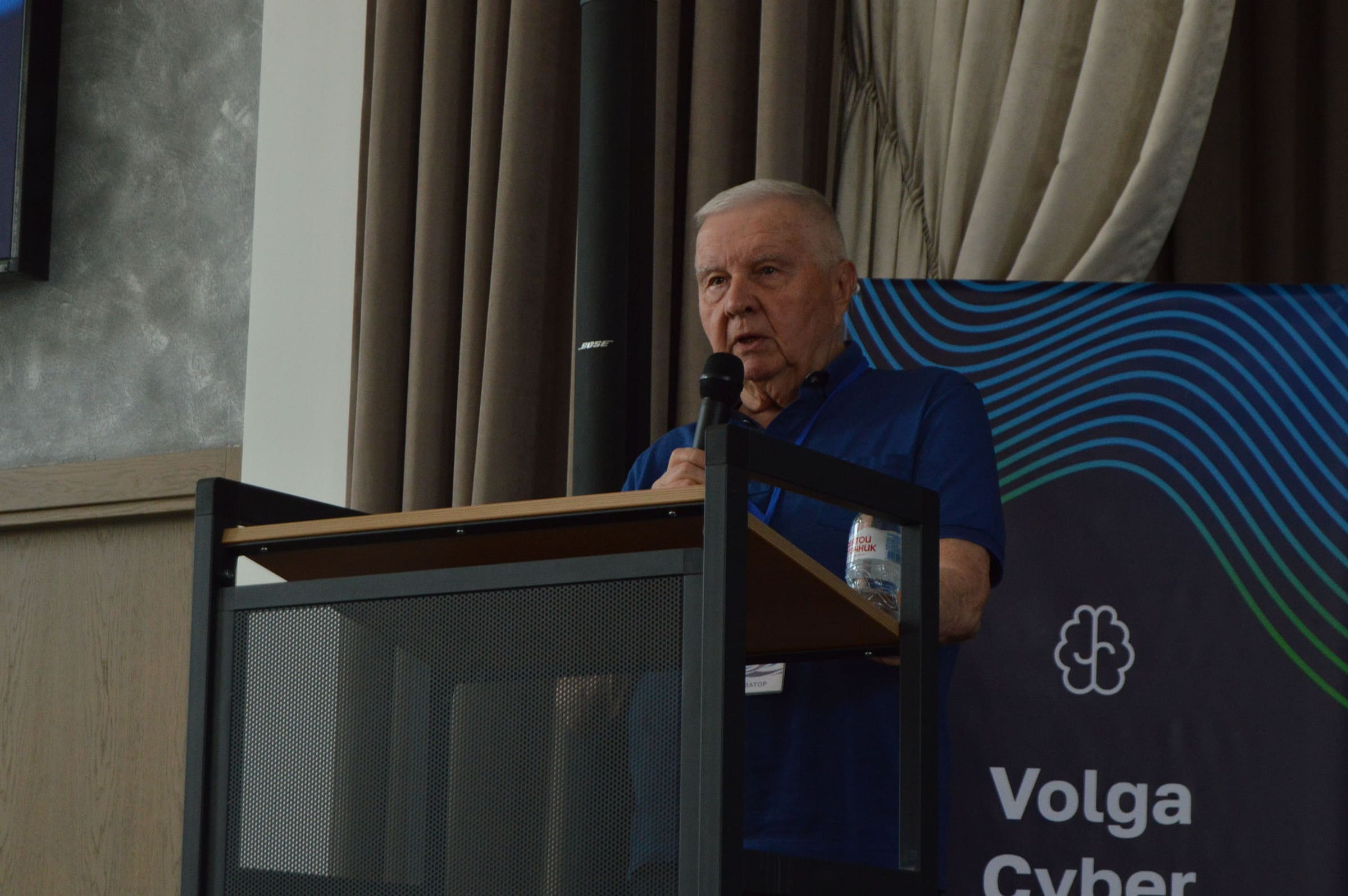
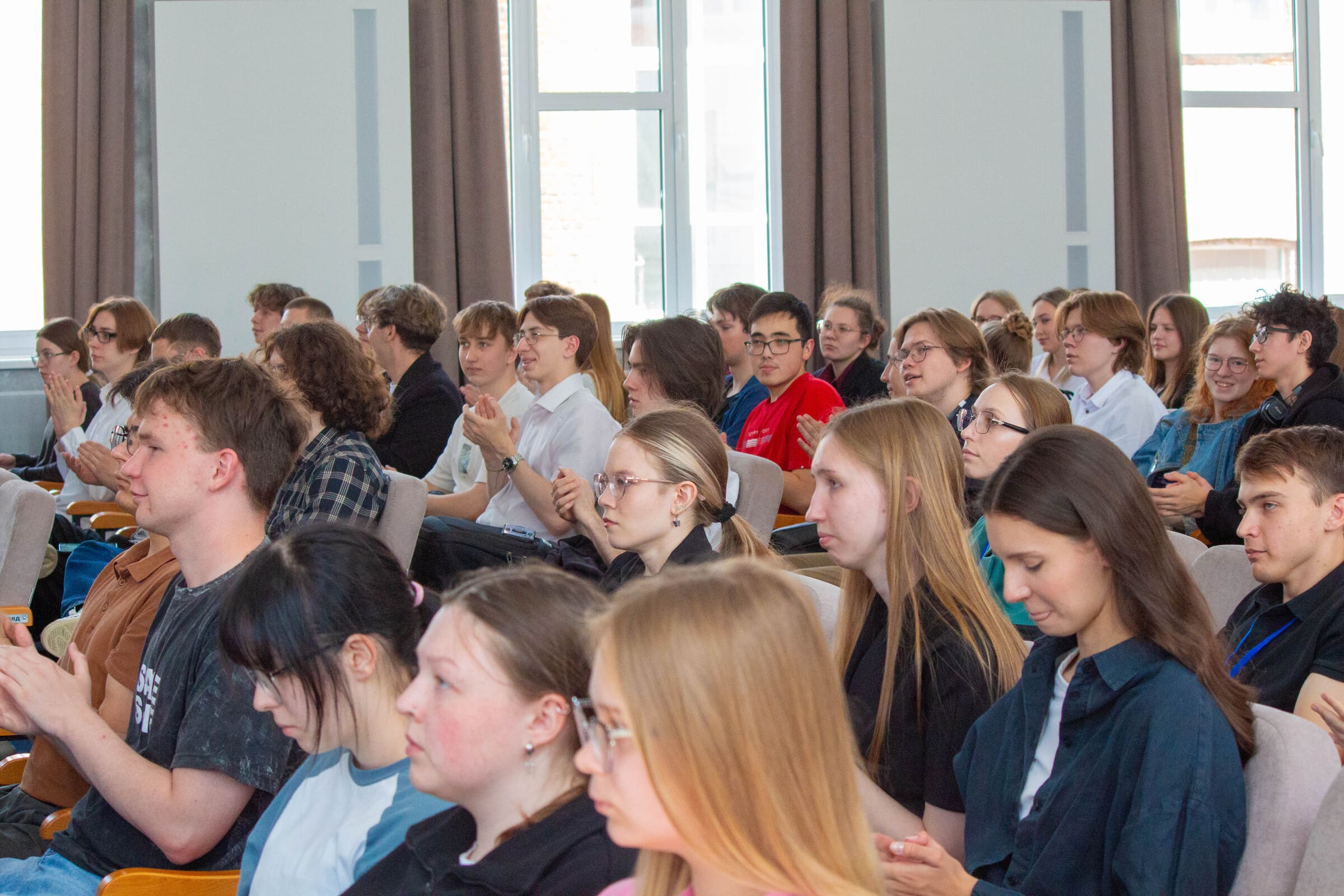
Held traditionally in the university's Main Building, the conference was organized by the Student Research Society of the Institute of IT and Cybernetics. What sets VCW apart is its grassroots spirit: this is an initiative by young researchers, for young researchers—making it not only a scientific showcase but also a vital step in professional development.
Scale and Scope
The program featured 2 plenary lectures and 116 sectional presentations, structured across seven scientific tracks covering a broad spectrum of modern research—from computer optics and photonics to artificial intelligence, data science, and information security. The most heavily attended sections were "Artificial Intelligence" and "Biotechnical Systems and Technologies," reflecting surging interest among emerging scholars in these transformative fields.
Participants hailed from more than 10 Russian cities, including Samara, Moscow, St. Petersburg, Saratov, Kazan, Ufa, Ulyanovsk, Stavropol, Krasnodar, Novosibirsk, Yekaterinburg, and Belgorod. The largest contingent—nearly 90 attendees—represented Samara University's Institute of IT and Cybernetics. For many students, the conference served as a critical rehearsal for defending their final theses, offering a chance to test their findings and receive expert feedback.
Opening Vision
The conference opened with a welcome address by Leonid Rodionov, Head of the Department for Research Support, who emphasized the importance of engaging youth in scientific inquiry and highlighted such events as catalysts for strengthening the university's research ecosystem.
Plenary Highlights: From Light to Logic
Day one featured compelling plenary talks by leading scientists:
- Roman Skidanov presented "Optical Computing: From the Van der Lugt Correlator to Diffractive Neural Networks," tracing the evolution of optical information processing and spotlighting the promise of photonic computation.
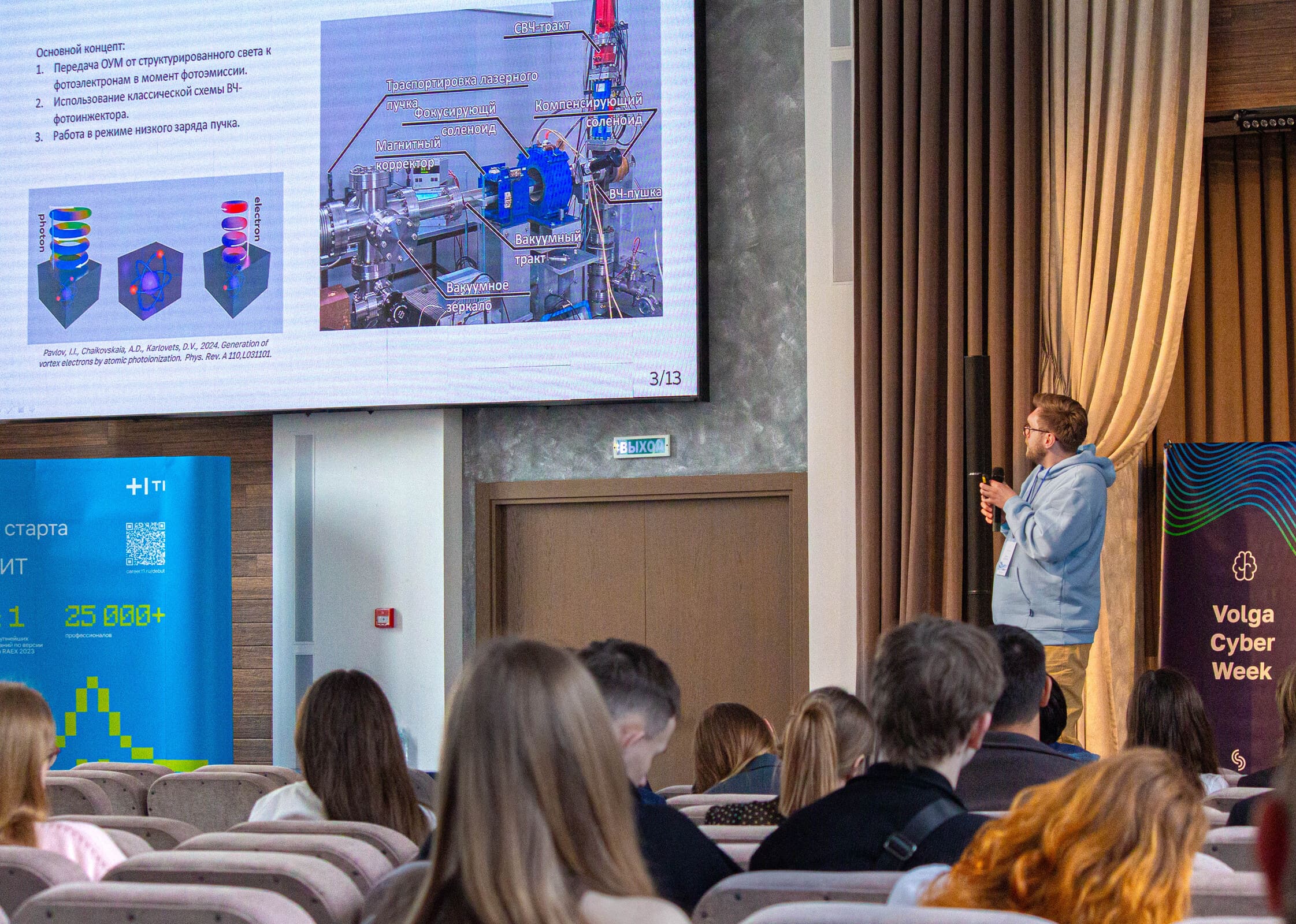
- Alexander Dyatlov (ITMO University, St. Petersburg) delivered "Source of Relativistic Vortex Electron Beams," a talk that resonated deeply with researchers working at the intersection of physics, electronics, and materials science.
On the final day, Viktor Soifer, President of Samara University, delivered an invited lecture on cutting-edge trends in analog photonic computing. He outlined strategic priorities for photonic technologies and underscored their pivotal role in the future of high-performance computing systems. In a symbolic gesture, Professor Soifer presented a signed copy of his book "Cyberphotonics" to student Vladislav Melekhov, recognizing his outstanding contributions to cyber-physical systems and photonics research.
A Conference by Youth, for Youth
Alexander Kupriyanov, Director of the Institute of IT and Cybernetics and Chair of the Program Committee, praised the high caliber of submissions and thanked participants for their active scholarly engagement.
Irina Matveyeva, Chair of the Organizing Committee, articulated the conference's unique mission:
"Volga Cyber Week is a conference organized by young scientists for young scientists. We strive to create an environment where students and postgraduates can not only present their work but also feel like integral members of the scientific community. Nurturing curiosity and supporting early-career researchers is essential to sustaining Russia's scientific future."
Industry Partnerships and Career Pathways
VCW-2026 was supported by industry partners T1 and IT-Service LLC. Representatives from T1 delivered a presentation on the "Sfera" digital platform, showcasing modern solutions for digital transformation and highlighting career opportunities for emerging IT specialists.
Awards and Recognition
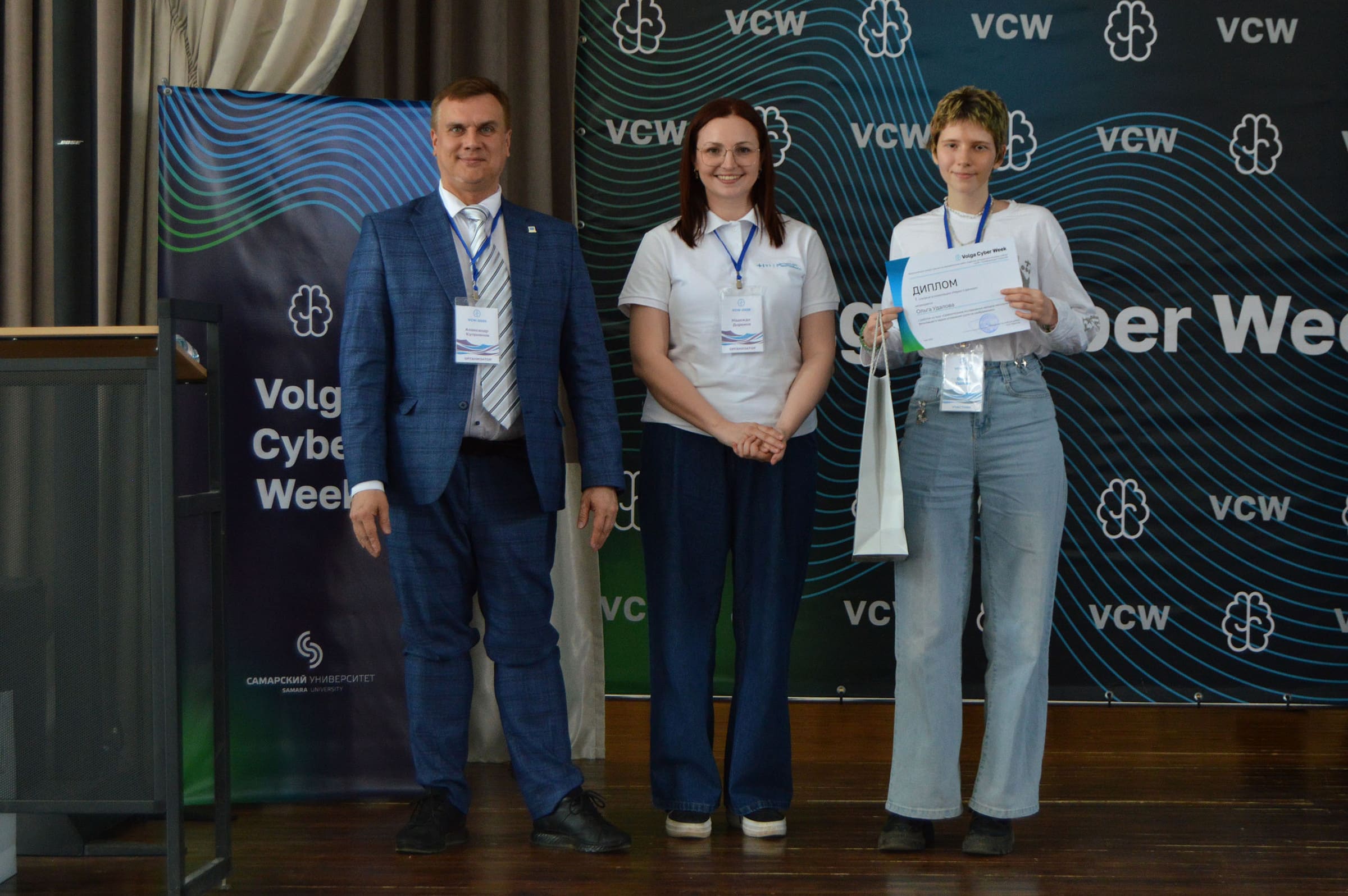
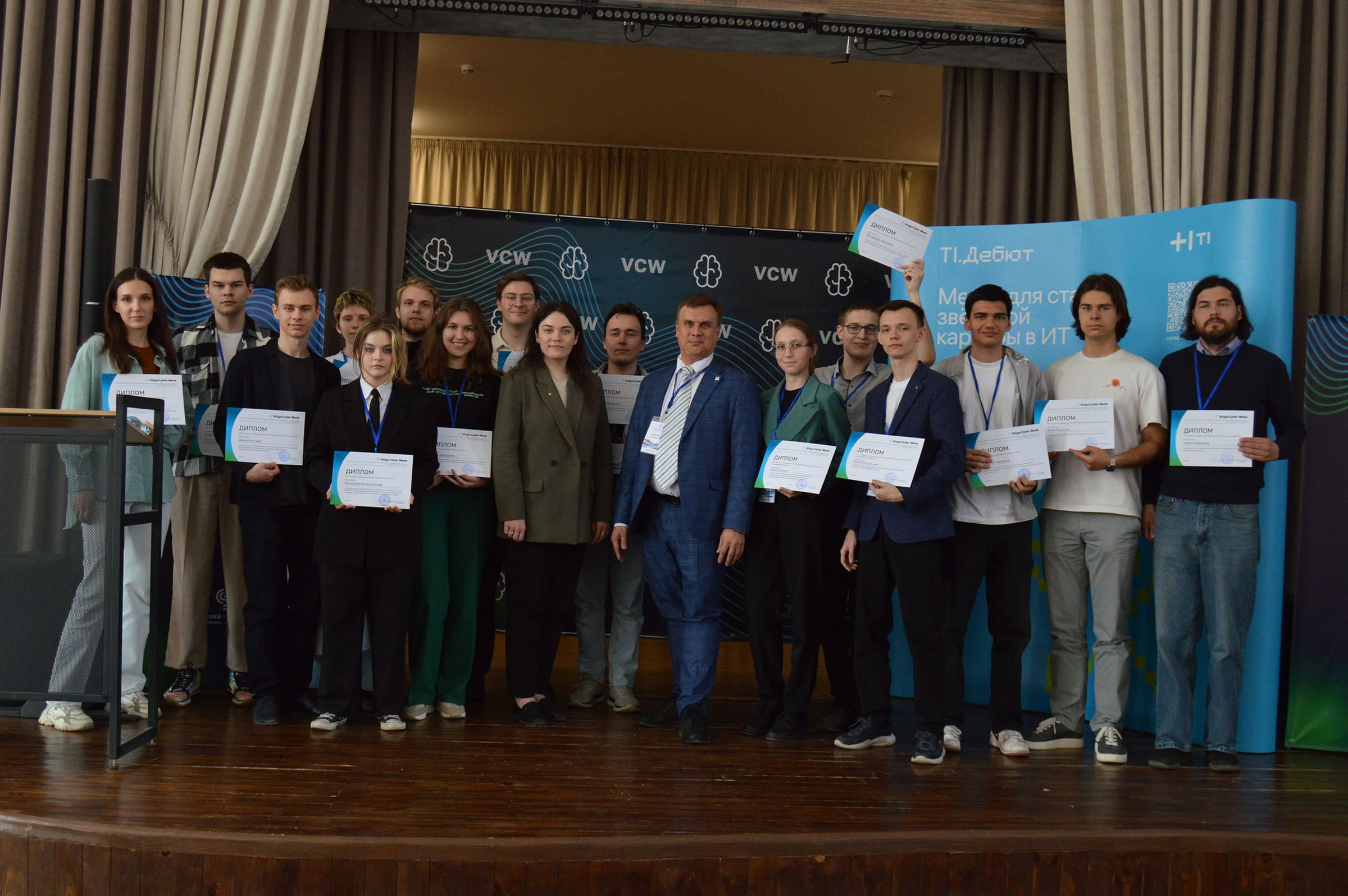
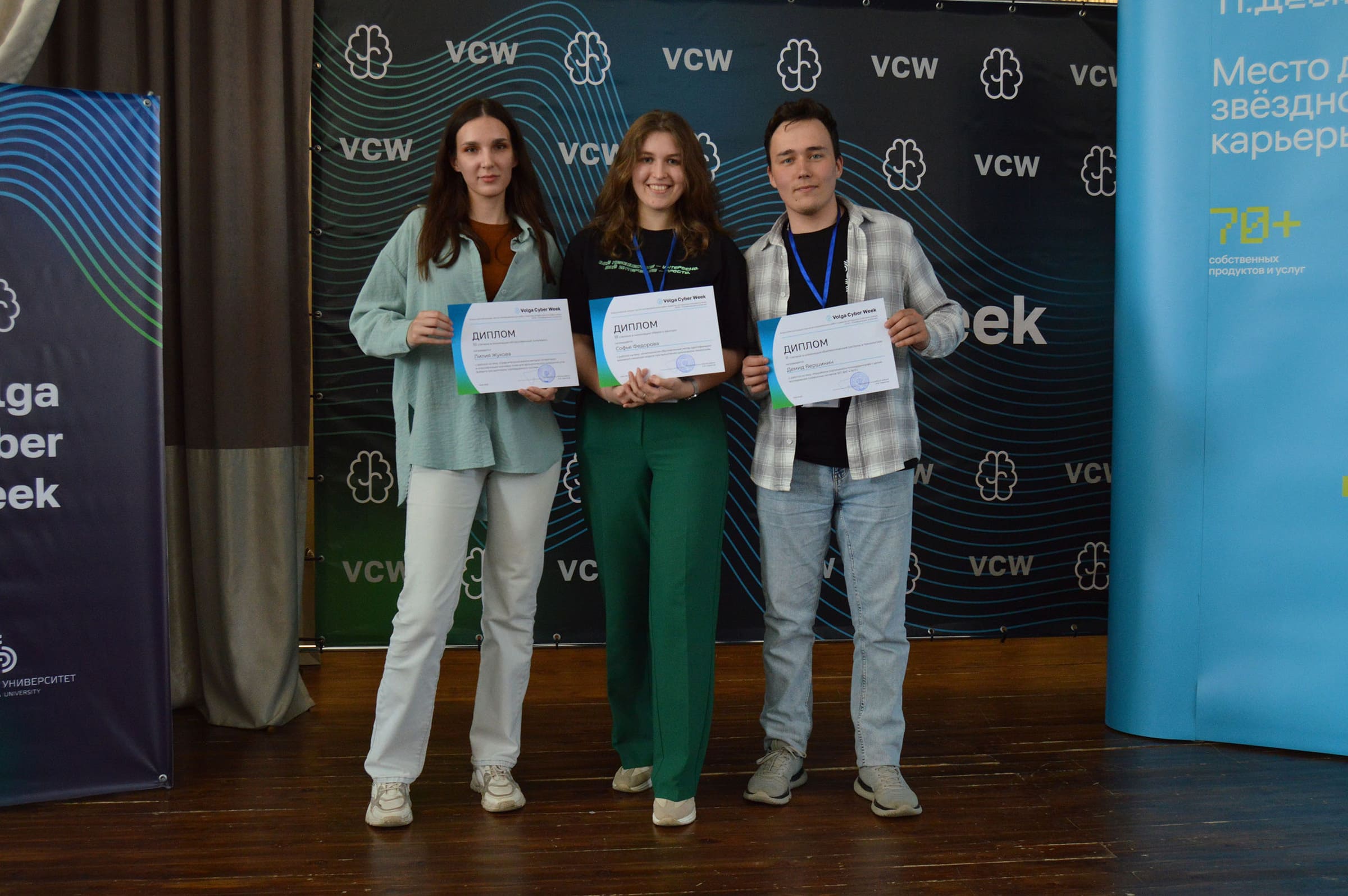
The conference concluded with an awards ceremony honoring outstanding contributions. Based on the Program Committee's evaluation, 34 winners and prize recipients were selected across multiple categories. Winners received commemorative gifts from conference partners. Nadezhda Dorkina, Head of Talent Acquisition at T1, participated in the award presentation.
Looking Ahead
Volga Cyber Week 2026 once again affirmed the exceptional readiness of Russia's young researchers and the enduring value of student-led scientific forums. More than just a conference, VCW has become a dynamic space for idea exchange, professional networking, and the cultivation of a new-generation scientific community—one poised to lead the technological revolutions of tomorrow.
