

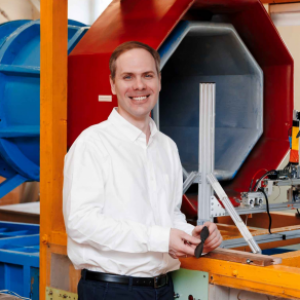
Researchers at Samara University have designed and tested a low-noise propeller for drones that produces twice as little noise in flight compared to mass-produced counterparts. Through precise structural optimization, the team not only reduced acoustic emissions but also increased thrust—a breakthrough enabled by a specially trained neural network.
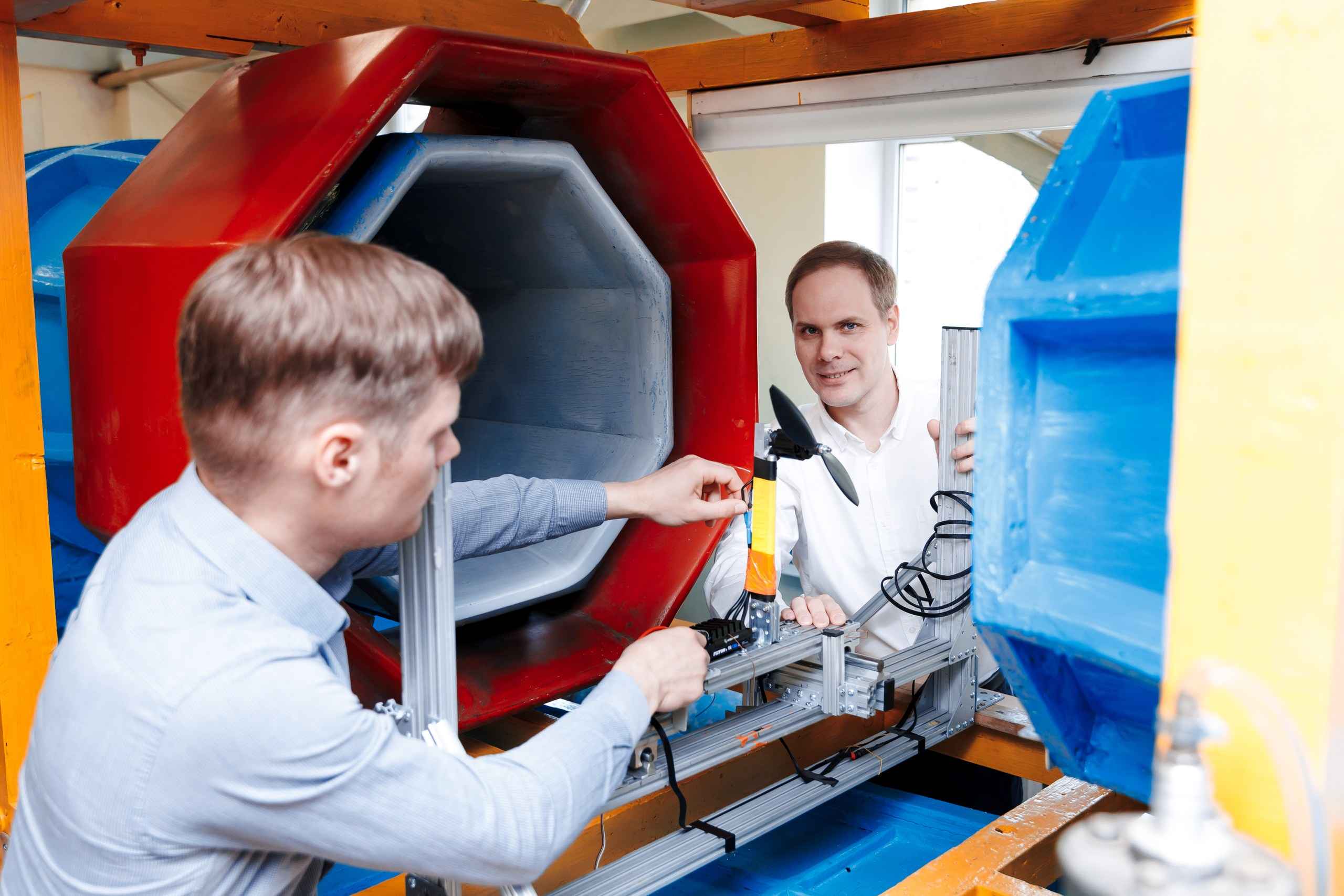
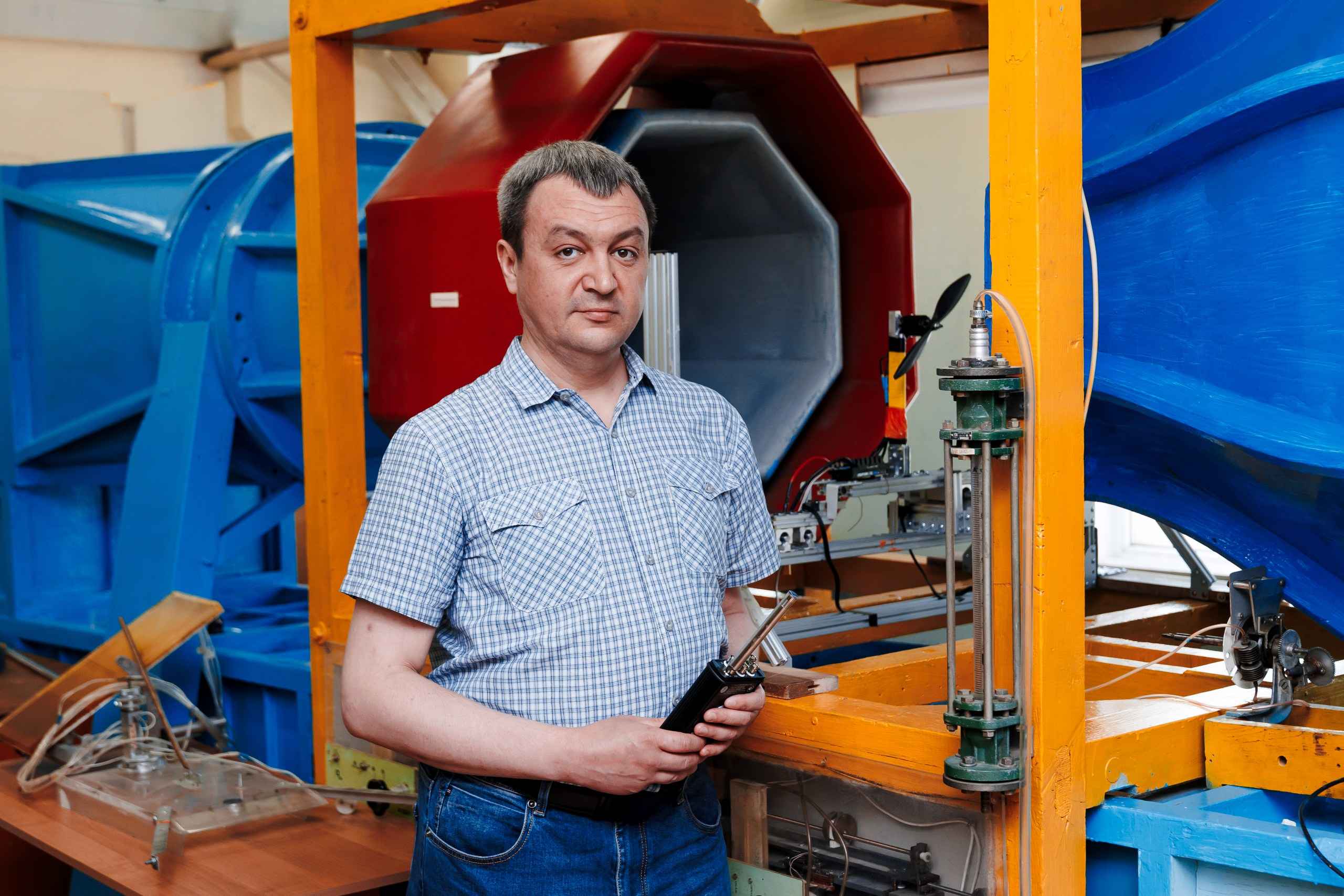
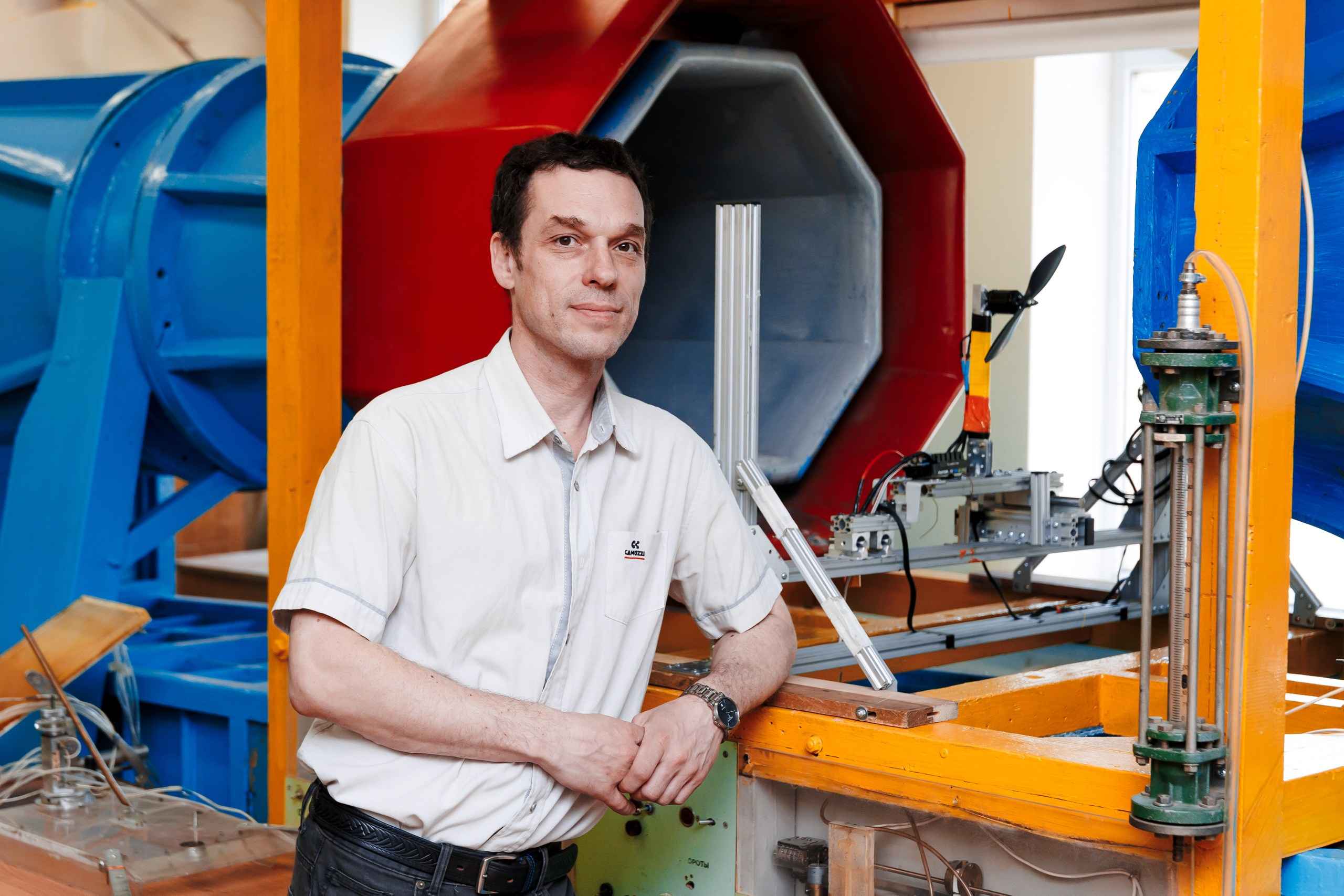
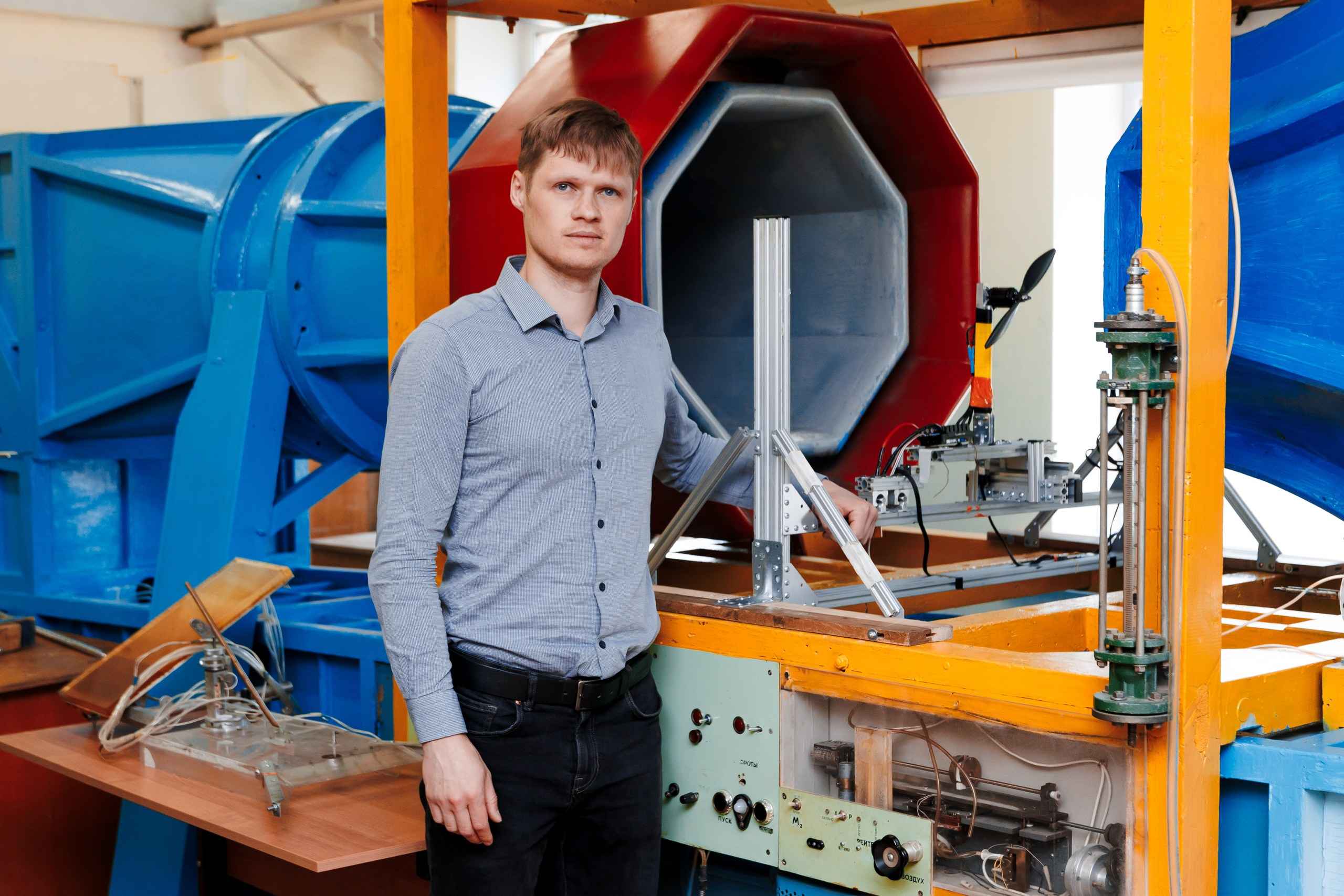
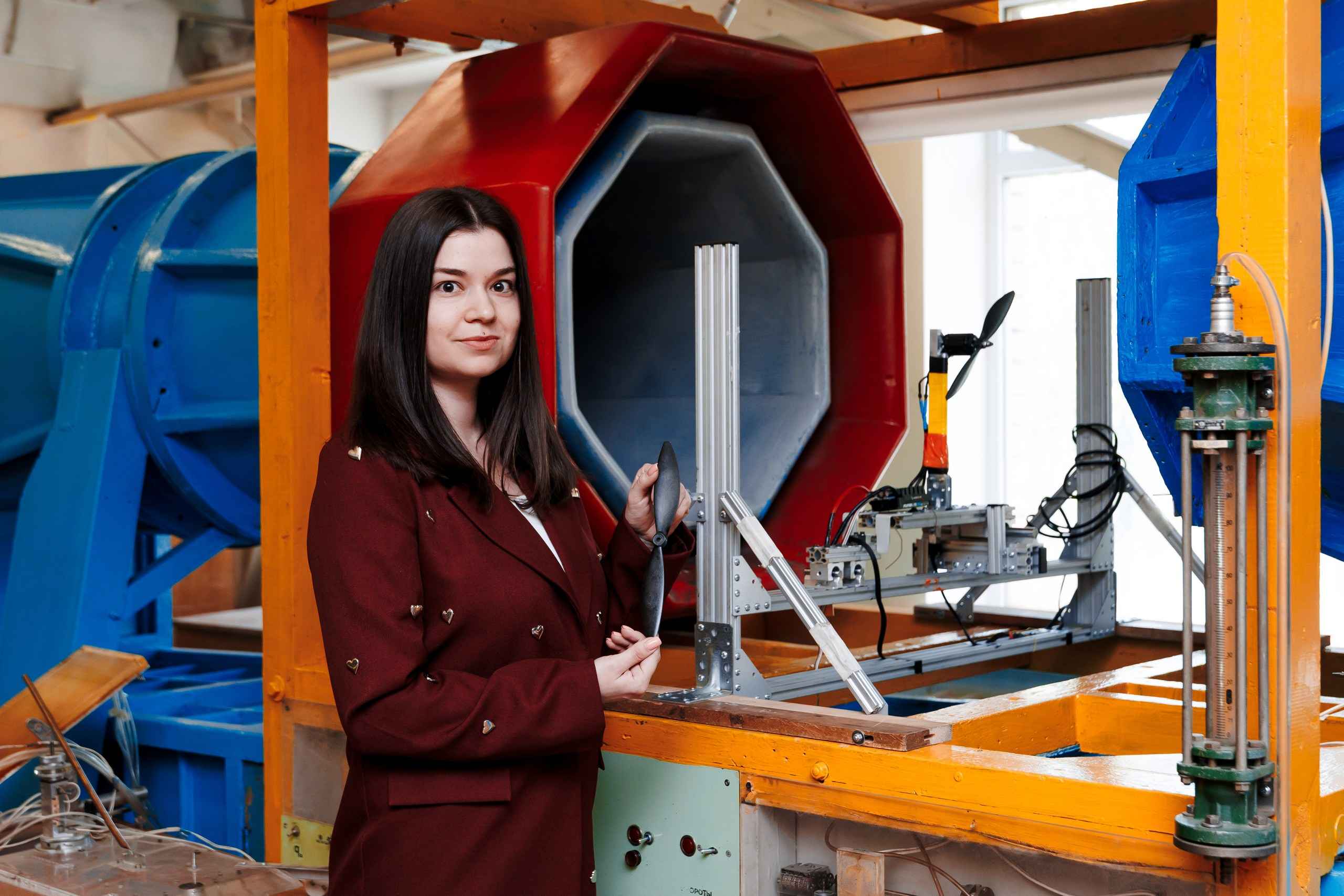
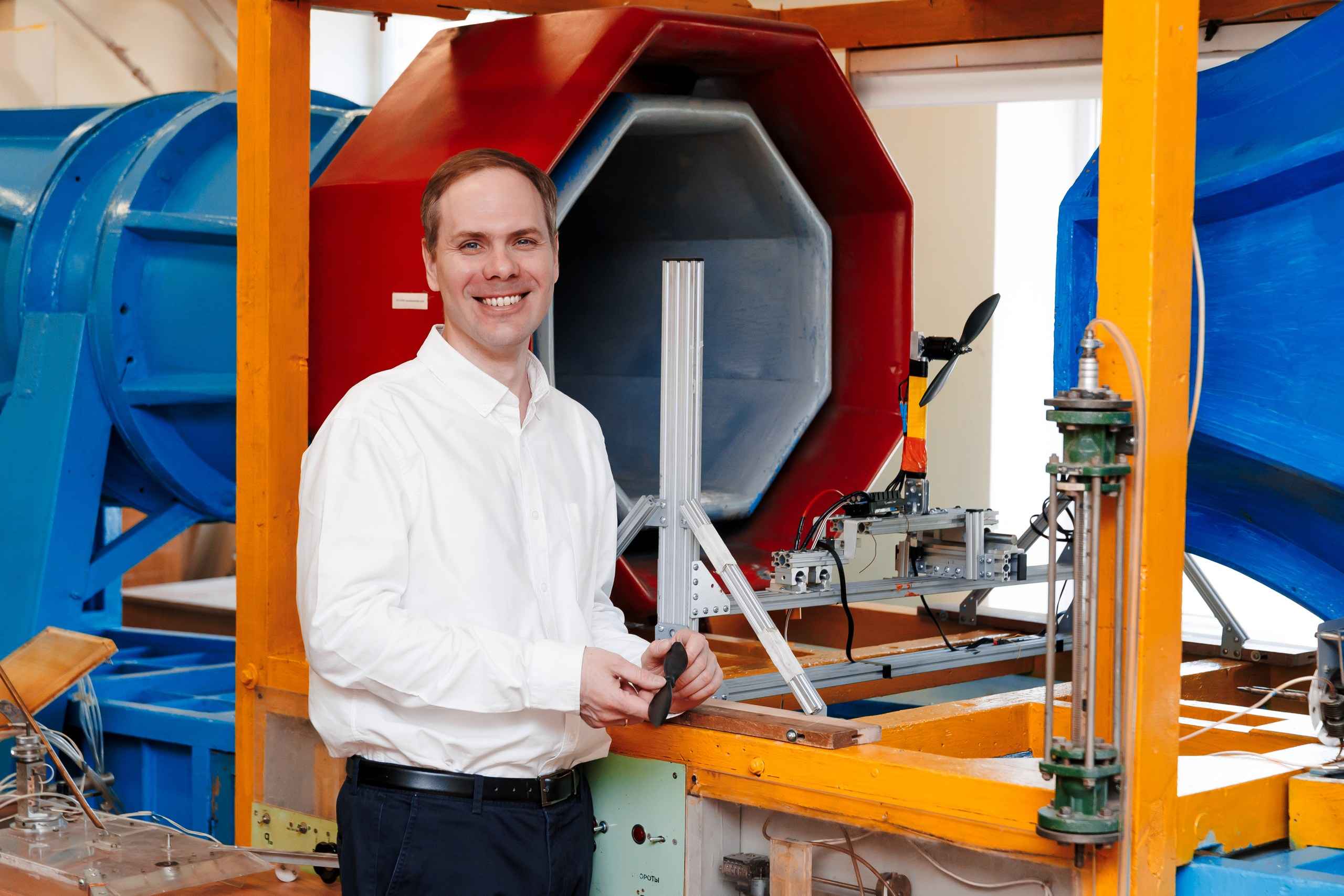
"Unmanned aerial vehicles are being deployed across an ever-widening range of human activities," explains Evgeny Kurkin, Associate Professor at the Department of Aircraft Design and Senior Researcher at the Center for "Intelligent Mobility of Multifunctional Unmanned Aerial Systems" at Samara University.
"But as demand for greater drone thrust grows, a critical challenge emerges: achieving the optimal balance between thrust, energy efficiency, and noise. Our research group has developed an innovative two-blade propeller for small UAVs, optimized for both energy performance and acoustic characteristics. We combined differential evolution algorithms with neural networks during the design process. Testing of the experimental prototype showed a 15.9% increase in thrust and a 6 dB reduction in noise—meaning the sound level dropped by nearly half compared to a standard two-blade propeller of similar size."
Why Quiet Drones Matter
As the scientist notes, aviation noise—a factor negatively impacting human health and quality of life—has been a concern since the last century, growing more urgent as air travel expanded. Despite various mitigation measures and noise restrictions, the issue remains acute for communities near airports.
While small drones cannot compare to aircraft in terms of noise output, the challenge will likely become increasingly relevant for UAVs as hundreds or even thousands of civilian drones begin operating in the airspace of major cities.
"Propeller noise isn't just an operational nuisance—it represents irreversible energy dissipation in the propulsion system, directly reducing overall efficiency," emphasizes Kurkin.
"Thus, reducing noise matters not only for minimizing environmental and health impacts, but also for improving aircraft energy efficiency—generating required thrust while consuming less power."
Beyond Traditional Approaches
Current strategies for reducing propeller noise primarily focus on modifying blade tip geometry. These alterations aim to break down large, high-energy tip vortices during rotation, transforming them into series of smaller, lower-energy structures. However, manufacturing such complex tip features significantly increases geometric complexity and production costs—while delivering only marginal gains in overall energy efficiency, typically just 1–3% compared to conventional designs.
Moreover, traditional design approaches tend to prioritize either energy efficiency or noise reduction, making it difficult to achieve a balanced compromise—especially in high-thrust regimes.
AI-Powered Innovation
Samara University researchers developed a universal methodology for propeller geometry design using a neural network trained on a database of airfoil aerodynamic characteristics. The blade shape is defined by 28 variables, with geometric parameters optimized via a differential evolution algorithm to minimize power consumption while maintaining a target thrust value.
The resulting propeller prototype underwent testing on an experimental rig in the university's laboratory. Scientists measured noise levels, thrust force, energy consumption, and other key parameters. The experimental model demonstrated significant superiority over standard propellers mass-produced for small drones.
"Experimental noise measurements confirm that the proposed propeller design—which achieves equivalent thrust at lower power consumption—also features reduced noise levels," Kurkin concludes.
"As noted, we observed noise reduction of up to 6 dB compared to the commercial baseline. Importantly, these comparisons were made at identical rotation speeds. When comparing propellers at equal thrust levels, the experimental propeller's rotation speed would be approximately 3% lower—opening additional potential for noise reduction."
For Reference:
This research was conducted at the Second-Wave Artificial Intelligence Research Center "Intelligent Mobility of Multifunctional UAS", established at Samara University. The scientific paper presenting these results has been accepted for publication at ACM SenSys (ACM Conference on Embedded Networked Sensor Systems)—one of the most prestigious international conferences in sensor systems and the Internet of Things—held May 11–14, 2026, in France.
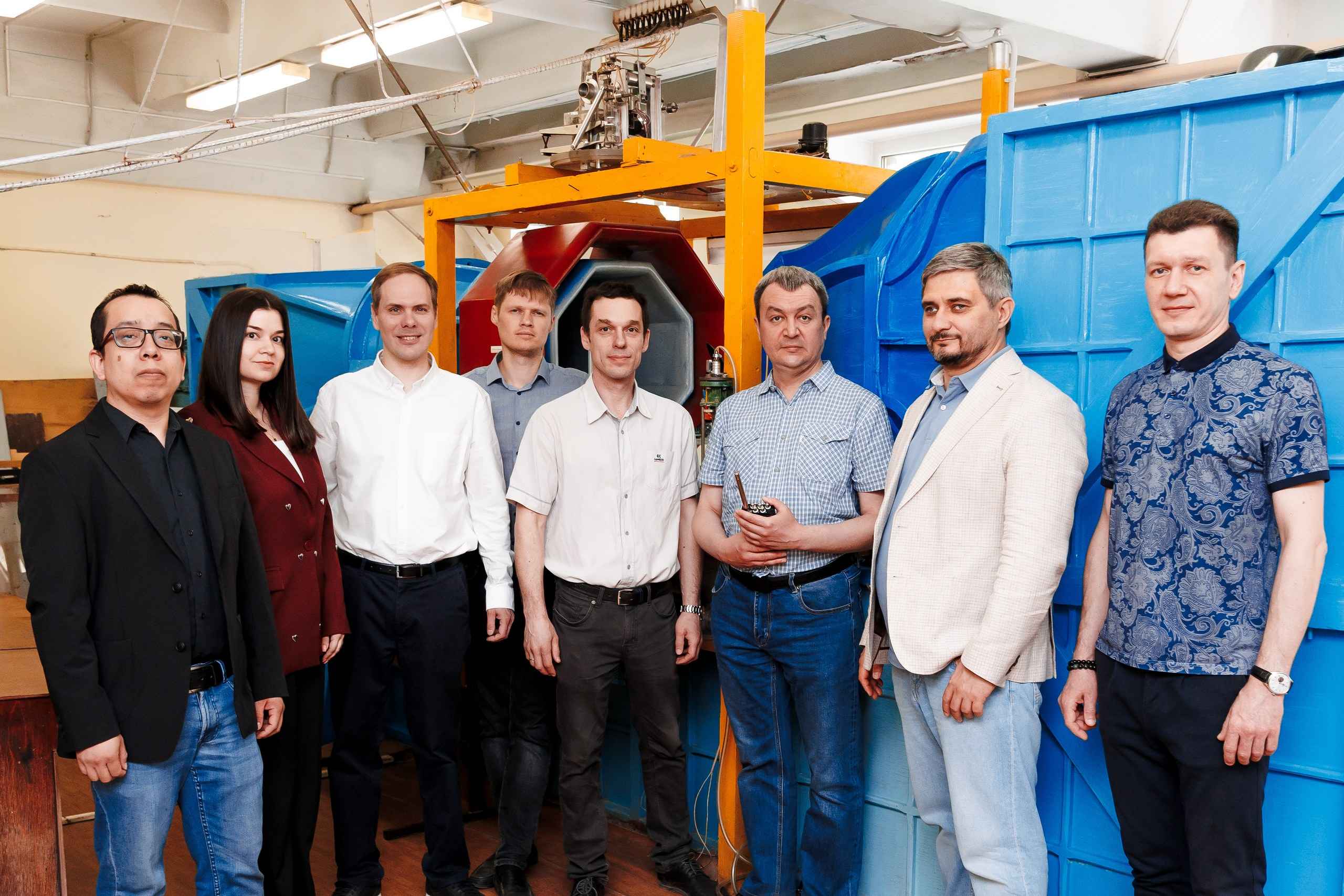
Co-authors of the paper include:
- Evgeny Kurkin and Oleg Lukyanov, Associate Professors, Department of Aircraft Design
- Alexander Igolkin, Professor, Department of Automatic Systems of Power Plants named after Academician Vladimir P. Shorin
- Vladislava Chertykovtseva, Assistant, Department of Aircraft Design
- Artur Safin, Associate Professor, Department of Automatic Systems of Power Plants named after Academician Vladimir P. Shorin
- José Gabriel Quijada Píoquinto, Assistant, Department of Cyberphotonics
- Artem Nikonorov, Professor, Department of Cyberphotonics; Director of the Center for "Intelligent Mobility of Multifunctional Unmanned Aerial Systems"
Photo by Viktoria Staroselskaya
