

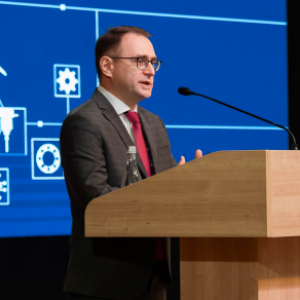
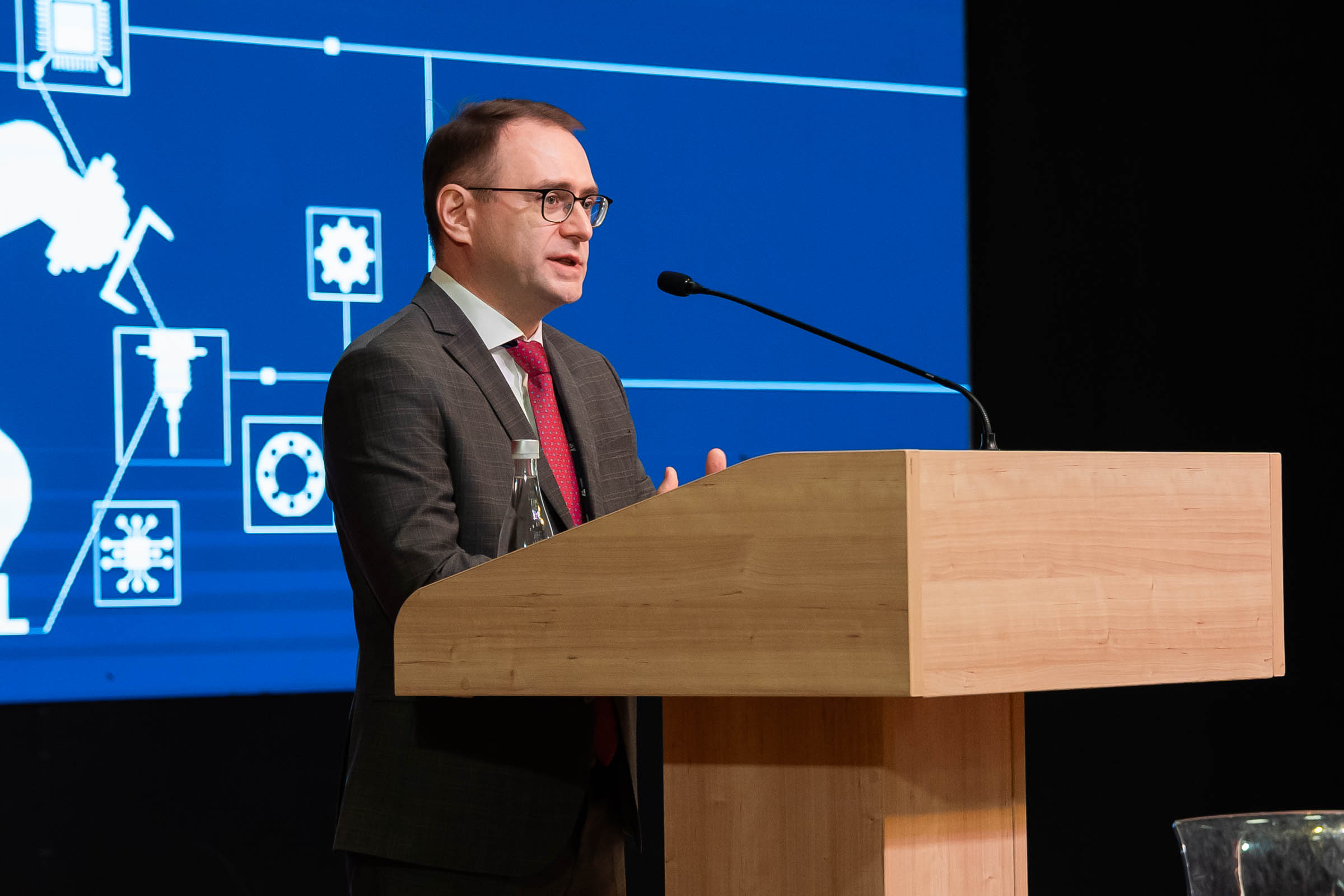
Samara Oblast has emerged as the epicenter of Russia's technological discourse: the region hosted the "Intelligent Robotic Systems and Complexes – 2026" (IRSC-2026) forum, dedicated to advancing robotics for domestic industry. Co-organized by Samara National Research University, the "SMS-Automation" Group of Companies, and "Tesvel", a leading developer and manufacturer of robotic complexes, the event brought together approximately 300 participants.
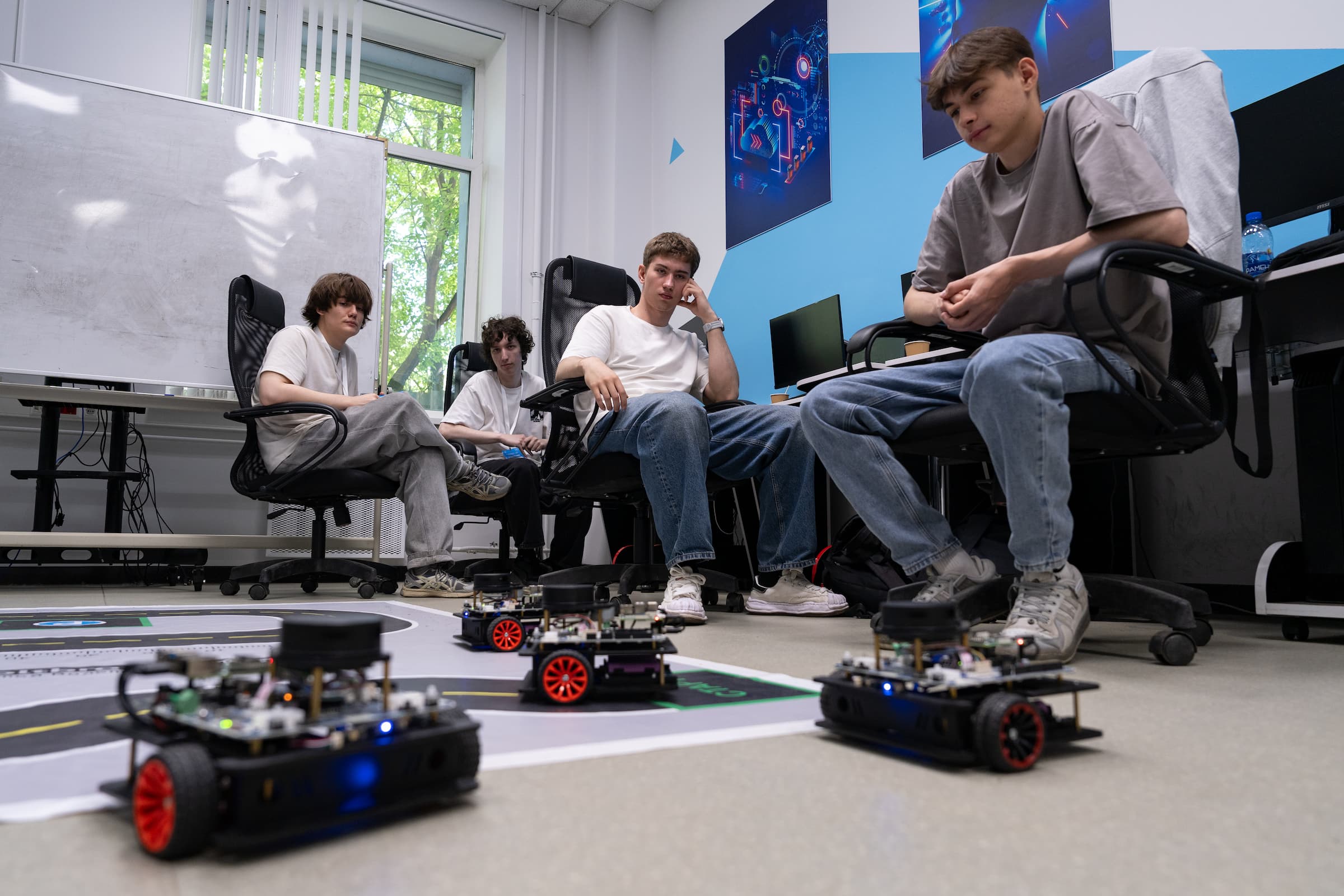
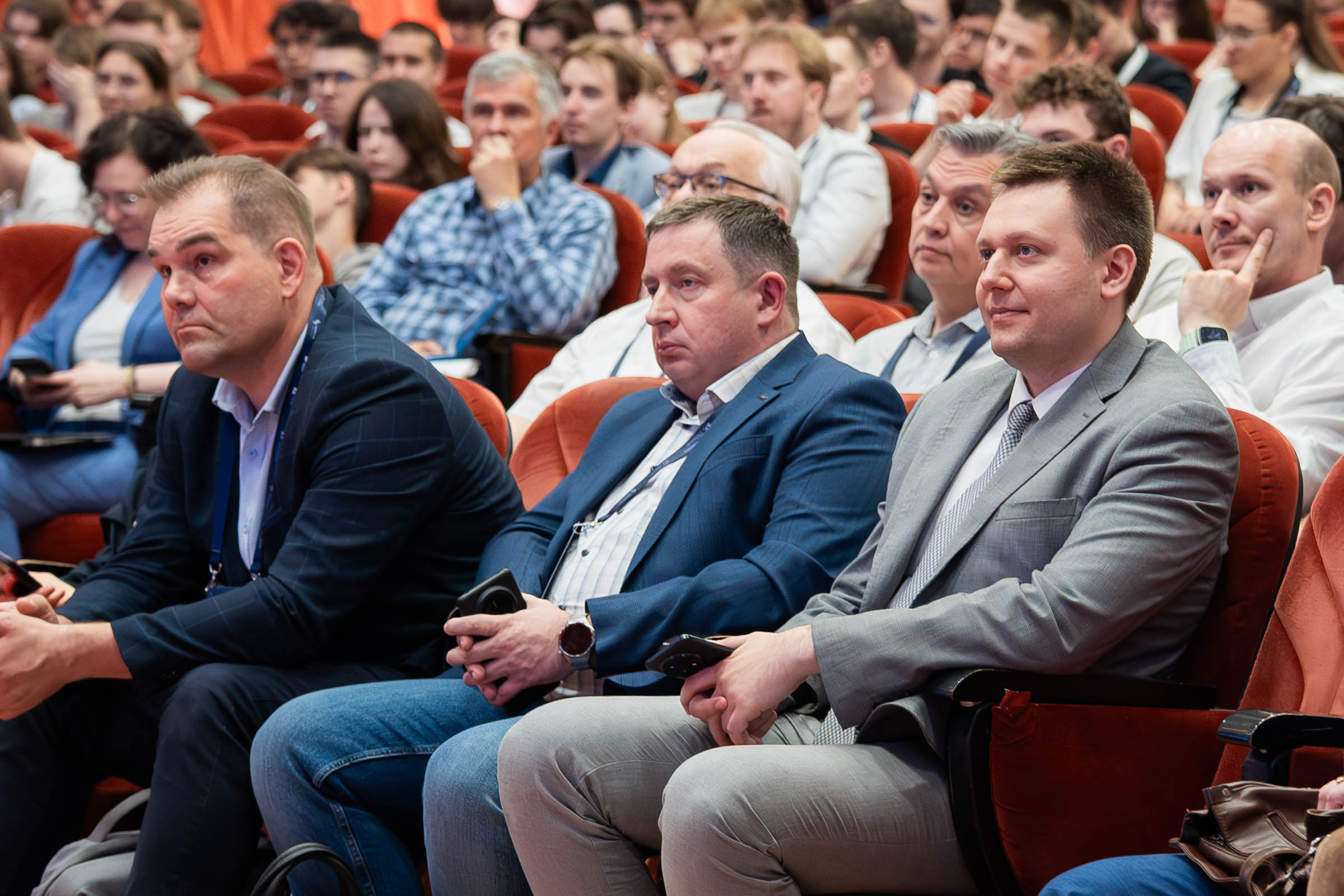
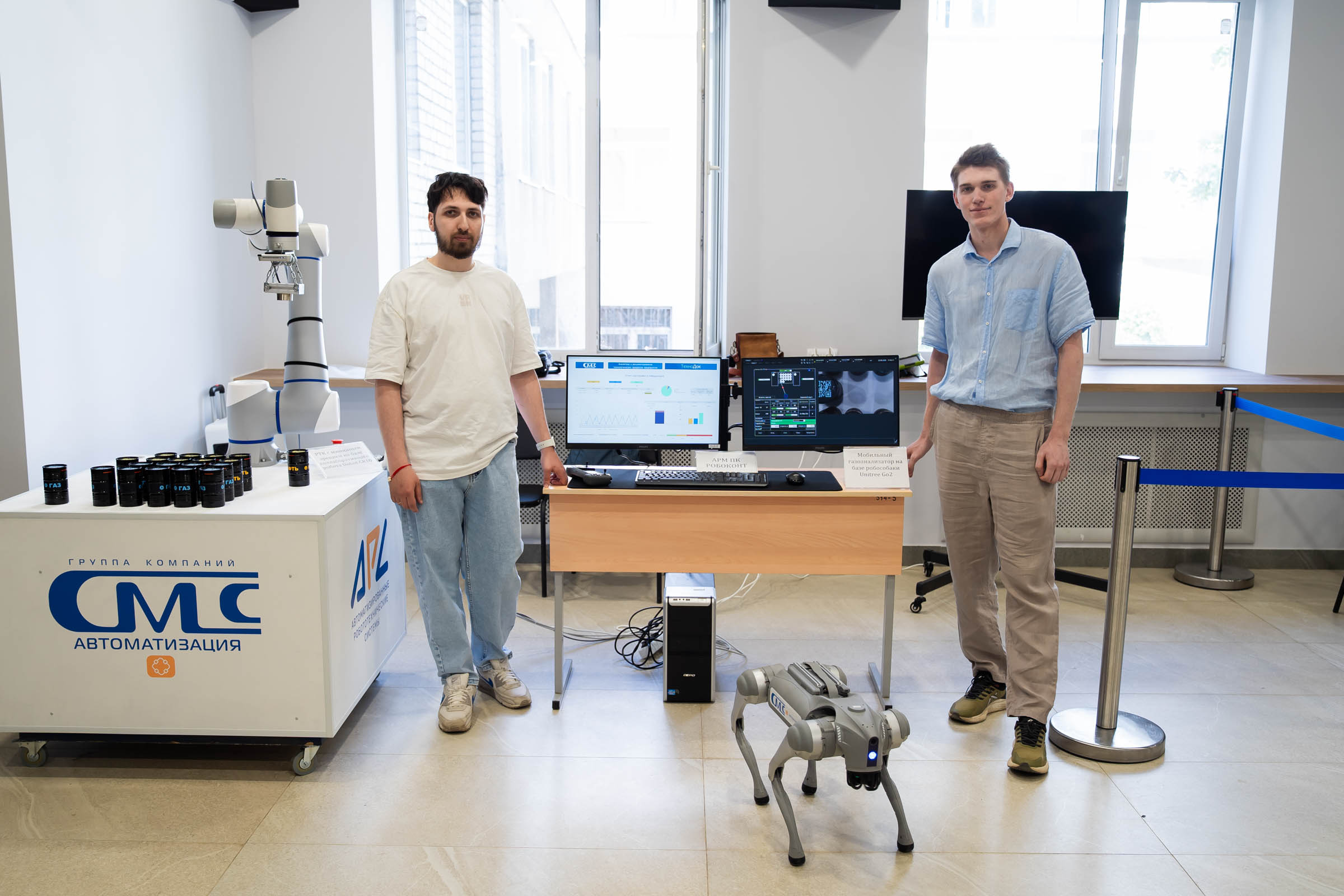
The forum opened at the Zhiguli Valley Technopark in Tolyatti before continuing at Samara University. Attendees included robotics developers and manufacturers, system integration companies, leading universities, and industrial enterprises—both those with existing robotics experience and those planning their first automation initiatives.
Day One: Shaping National Policy
The first day featured a joint session of the Russian Presidential Council Commission on "Industry" and the II All-Russian Congress of Regional Industrial Development Funds, chaired by Vyacheslav Fedorishchev, Governor of Samara Oblast and Head of the State Council Commission on Industry. Forum organizers and select participants were invited to present their perspectives directly to leadership from профильные (relevant) ministries and agencies.
Discussions centered on state support mechanisms to accelerate robotics adoption in industry—including financial instruments, organizational measures, and integration infrastructure development. Participants also explored funding models for commercializing scientific and technological innovations in industrial robotics.
"We must create genuinely powerful financial incentives so that enterprises respond and recognize these opportunities," emphasized Vyacheslav Fedorishchev.
"The products we promote must be competitive in both quality and price. The philosophy behind implementing robotic complexes must be so compelling that it becomes a natural priority for every manufacturer."
Anton Alikhanov, Minister of Industry and Trade of the Russian Federation, announced that his ministry plans to provide additional support for robotics development and help scale domestic innovations into serial production.
"Through the unified regional subsidy program, the Ministry of Industry and Trade annually recapitalizes regional industrial development funds," Alikhanov stated.
"Additionally, co-financing opportunities with the federal fund are available. We believe these resources should be leveraged to support the modernization of small and medium-sized enterprises through the introduction of industrial robots."
University Leadership Proposes Concrete Solutions
At the State Council session, Vladimir Bogatyrev, Rector of Samara University, presented two specific proposals to accelerate the transfer of university robotics innovations into real-world production:
"To successfully navigate the stages where many developments currently stall, we need to do two things. First, establish a network of robotics implementation centers based at leading universities and their industrial partners. Second, create so-called 'regulatory sandboxes'—zones with experimental legal frameworks for pilot testing of new robotic solutions."
Panel Discussion: Building Global Supply Chains
Following the State Council session, the forum hosted a panel discussion titled "Creating Global Supply Chains for Robotic Components and Industrial Solutions." Participants exchanged valuable insights on several critical issues: technological development of Russian industry, industrial deployment of robotic solutions, collaboration between customers and system integrators, and building resilient supply chains for components and turnkey systems.
Sergey Morshansky, Director of Tesvel, emphasized the need for a unified software platform enabling seamless cooperation among integrators, end-users, equipment suppliers, and service providers. He also highlighted the pivotal role of system integrators in today's market landscape.
"The market is becoming more complex, with a certain globalization trend as state corporations like Rostec, Rosatom, and Rostelecom—and digital giants like Yandex and Sber—enter the field," Morshansky noted.
"For a traditional integrator with genuine robotics expertise and a 5-, 10-, or 20-year track record, operating in these conditions is extremely challenging. Yet integrators are precisely the critical link in achieving the goal of 'deploying 100,000 robots by 2030.'"
Andrey Sidorov, CEO of the SMS-Automation Group, explained why fragmented automation initiatives fail and introduced "Robocont", a platform he described as the "Digital Heart of Production." He also announced the launch of "Automated and Robotic Systems Plant" LLC, designed to produce up to 600 automation cabinets and robotic complexes annually.
Samara University: A Hub of Robotics Expertise
For the next two days, IRSC-2026 continued at Samara University.
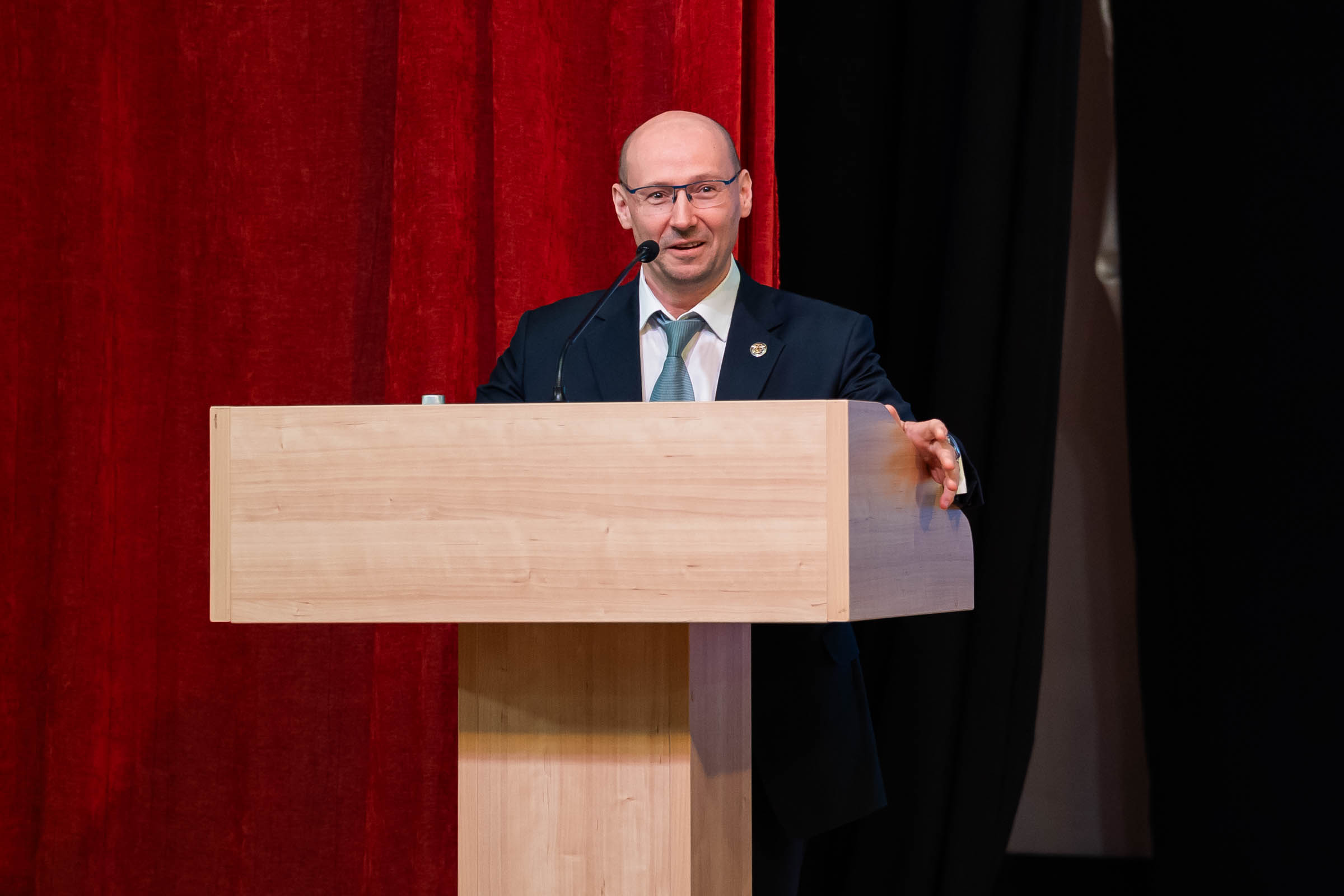
"Choosing our university as the forum venue is no coincidence," stressed Rector Vladimir Bogatyrev.
"Samara University possesses strong competencies in artificial intelligence, development of unmanned systems of various types, and production robotic cells. Our partners—system integrators and industrial companies—are actively seeking our graduates, who already know how to work with modern software and robotics."
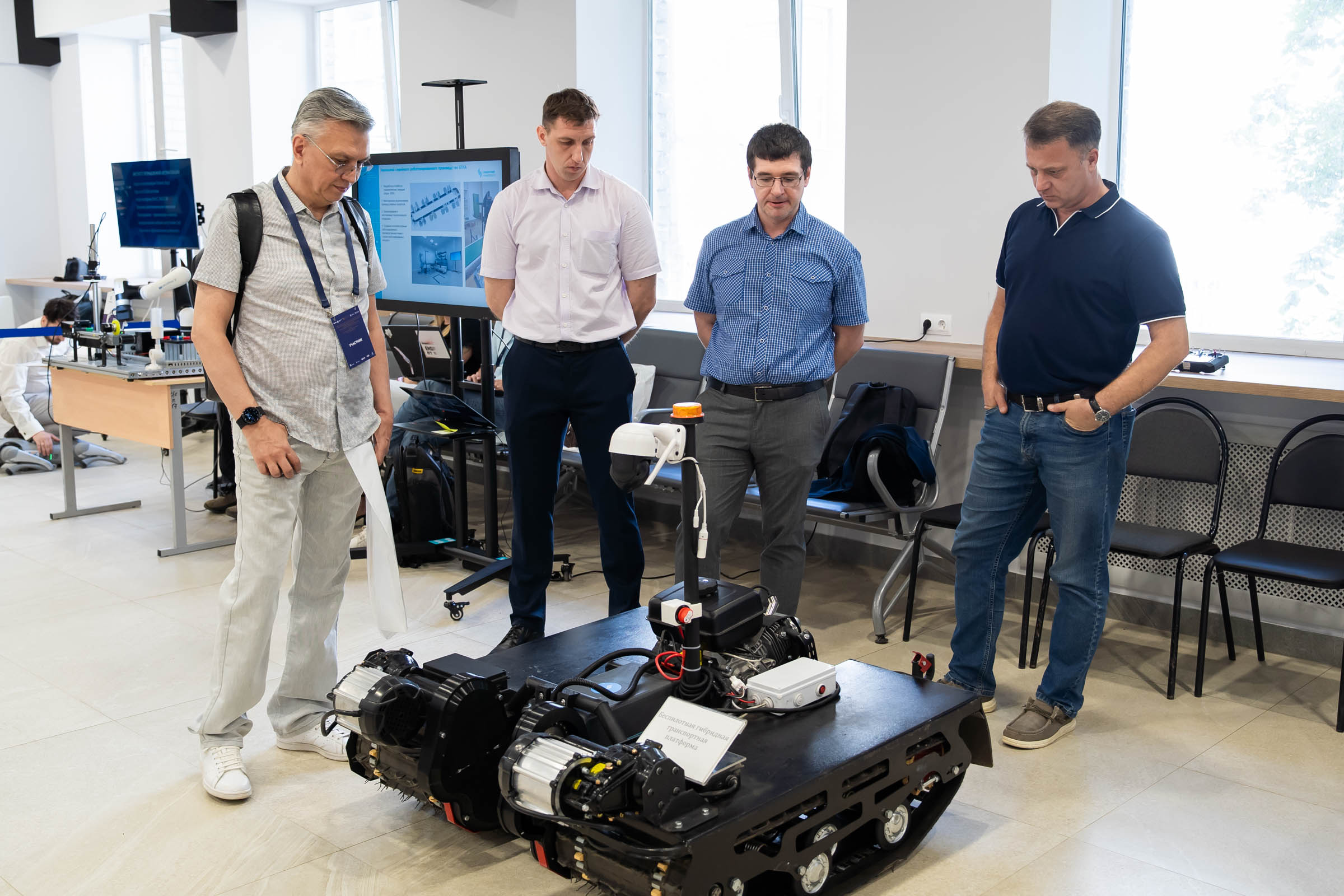
Attendees had the opportunity to explore cutting-edge developments from Samara University and its partners through a specialized exhibition showcasing systems operating across diverse environments:
- An aeromobile complex for atmospheric environmental monitoring and hyperspectral analysis (airborne);
- An underwater glider (aquatic/subaquatic);
- A hybrid unmanned tracked transport platform (ground-based).
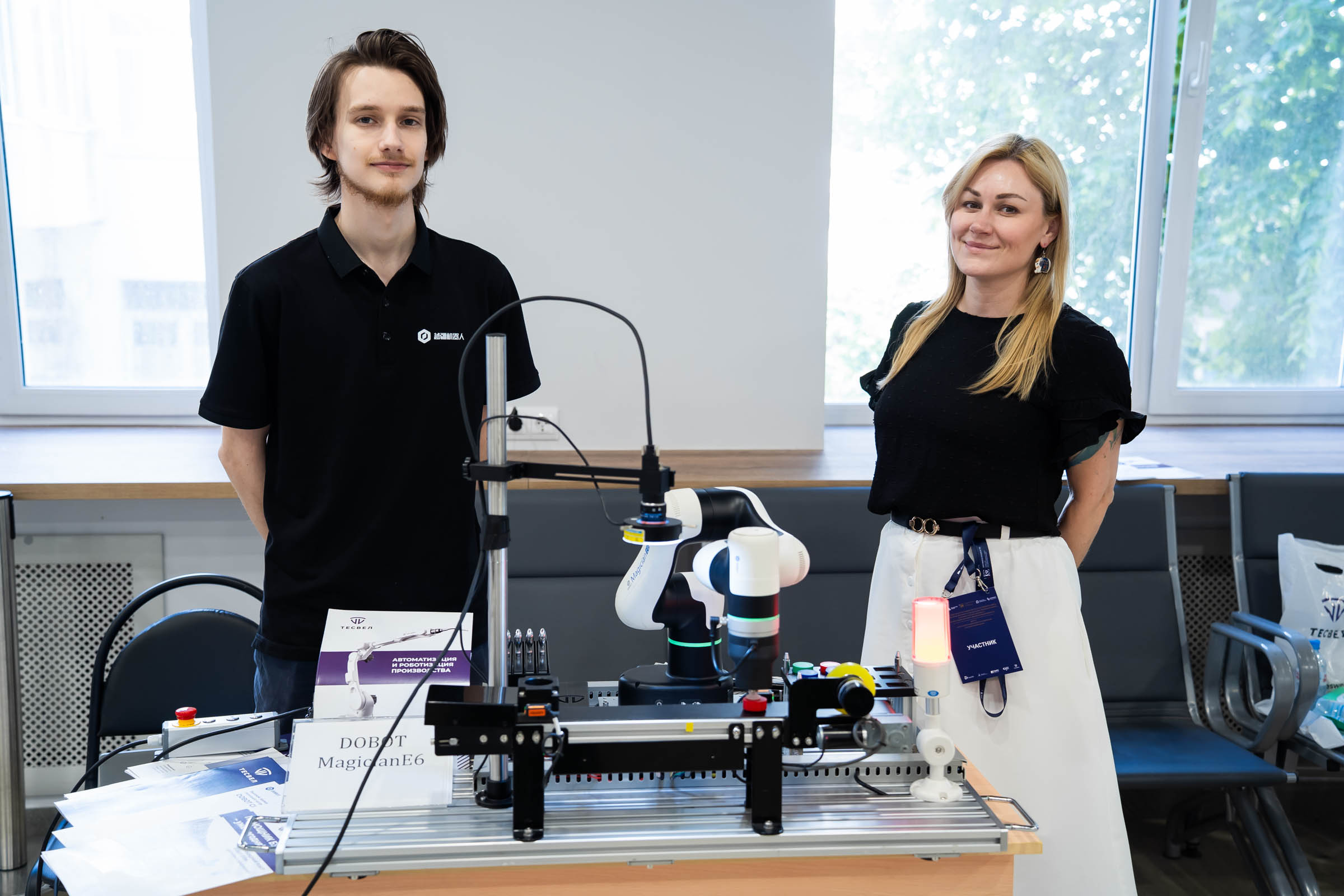
Developments from SMS-Automation Group and Tesvel were also on display. Highlights included a tour of Tesvel's production facility at Samara's Preobrazhenka Industrial Park and a visit to PJSC ODK-Kuznetsov, part of the United Engine Corporation (Rostec).
Deep Dives and Future Horizons
At the university's plenary session, topics from day one were examined in greater depth. Vitaly Zakharchenko of SMS-Automation provided a detailed overview of the Robocont platform and its joint implementation with Tesvel at AVTOVAZ.
Following the plenary, four thematic discussion clubs launched concurrently:
- Additive Robotic Complexes
- Space Robotics and Robotic Manufacturing
- Climate and Marine Robotics
- "The Battlefield Is the Field": How Robots Boost Crop Yields
Throughout the three-day forum, Samara University also hosted the youth foresight hackathon "Creating the Robot – 2030", supported by Sber and industrial partners.
A Concrete Step Forward: Signing a Strategic Agreement
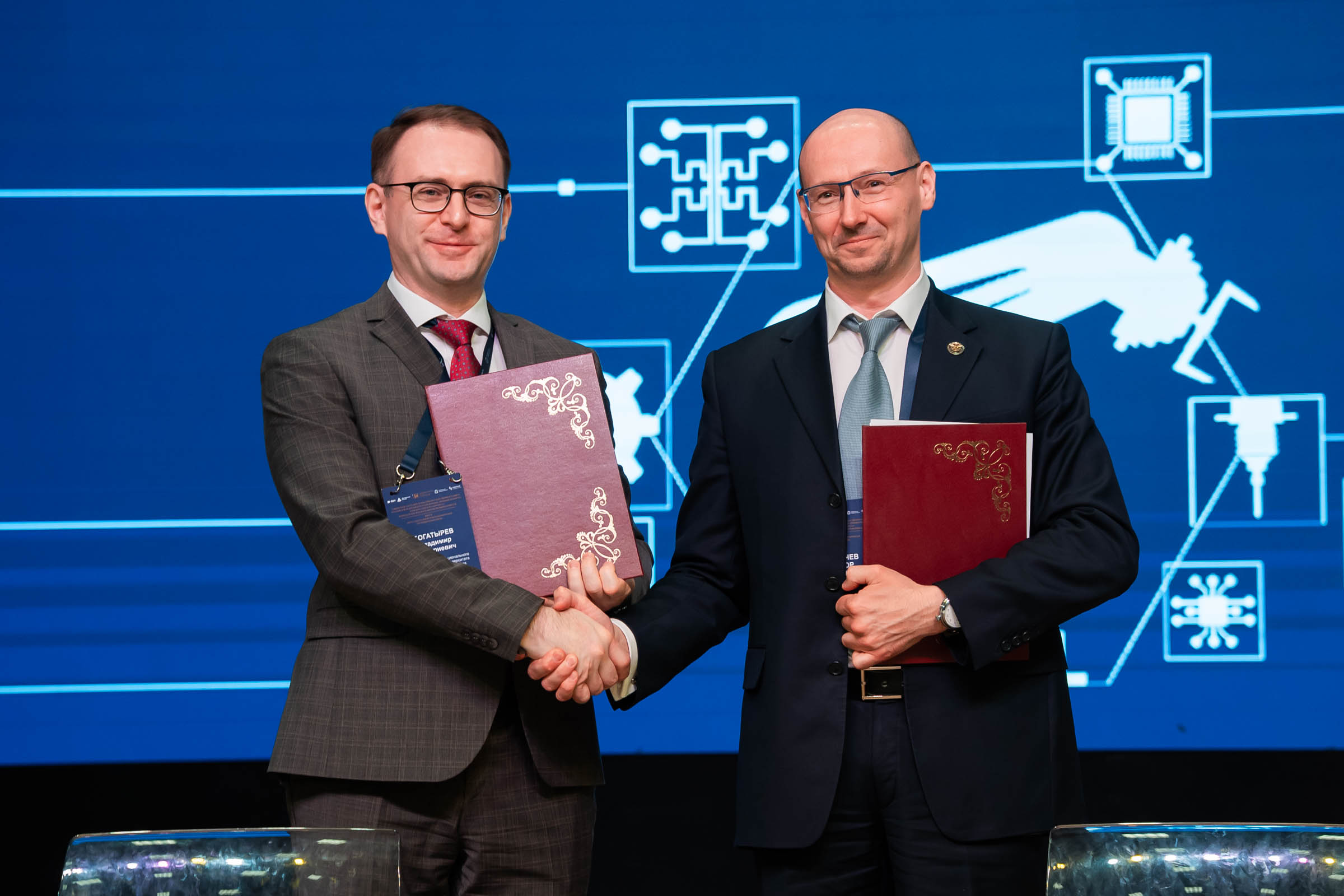
IRSC-2026 was more than discussions and intellectual competitions—it delivered tangible outcomes. On the forum's sidelines, an agreement was signed on Samara University's accession to the Consortium for Robotics and Intelligent Control Systems.
The document was endorsed by Rector Vladimir Bogatyrev and Viktor Tolmachev, Deputy Chairman of the Board and Director of the Robotics Consortium.
"The Consortium's primary mission is ensuring Russia's technological sovereignty by developing the domestic robotics market and talent pipeline," commented Viktor Tolmachev.
"Samara Oblast is a key region for us, offering unique competencies. It is a national leader in manufacturing diverse robotics—from UAVs to industrial systems—and boasts an exceptional scientific base. Universities are now becoming central hubs of expertise where development, testing, piloting, and industry collaboration converge. Since the Consortium includes virtually all major component manufacturers and developers, our task is to unite efforts for the joint advancement of the region and the country."
With IRSC-2026, Samara University has reaffirmed its position at the forefront of Russia's robotics revolution—where academic innovation meets industrial ambition, and where today's ideas shape tomorrow's automated reality.
