

For three days, Samara University hosted the major International Engine Building Forum "Advanced Engines and Power Plants – 2026." Government officials, industry leaders, representatives from major state corporations, and the academic community joined forces to tackle an ambitious goal: mapping out the future of engine building and power engineering through 2035.
An Ambitious Task for the Industry
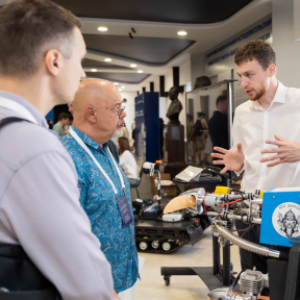
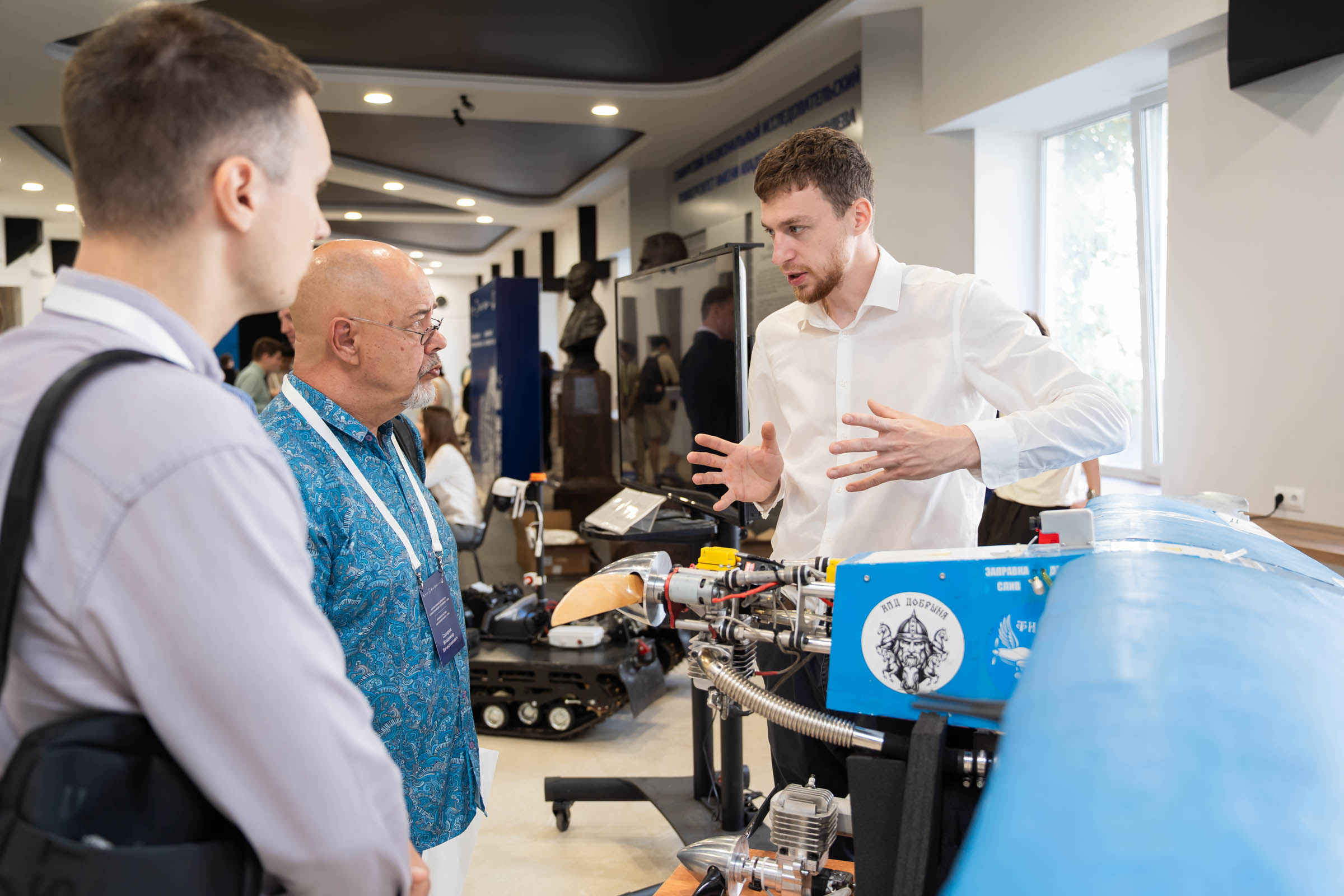
At the forum's exhibition area, participants explored cutting-edge developments from the University’s Institute of Engine and Power Plant Engineering. The showcase featured engines for diverse applications—ranging from hybrid and hydrogen power plants to small gas turbine engines—alongside digital twins, VR design technologies, AI-driven solutions, predictive analytics, and, of course, novel materials and additive manufacturing products.
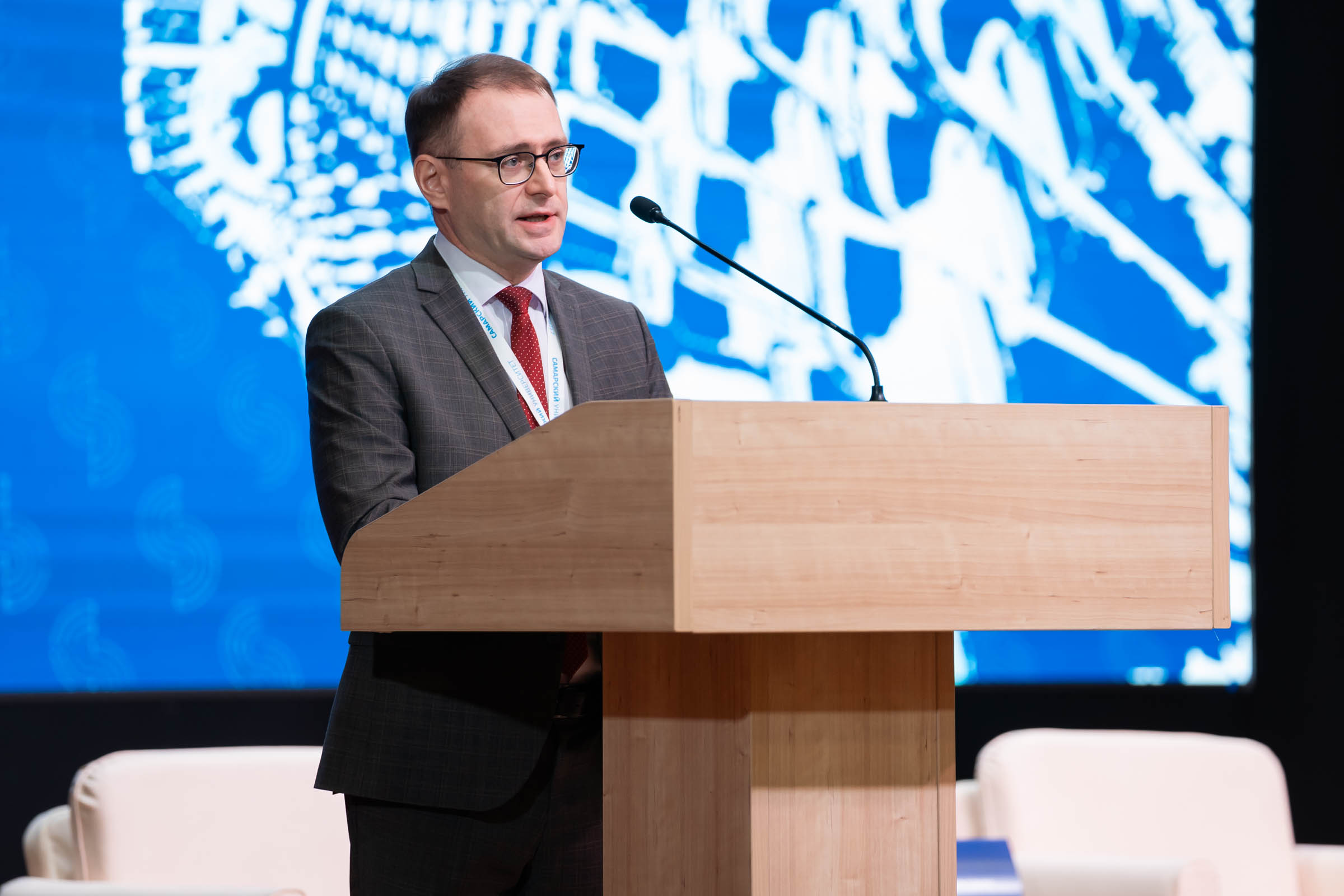
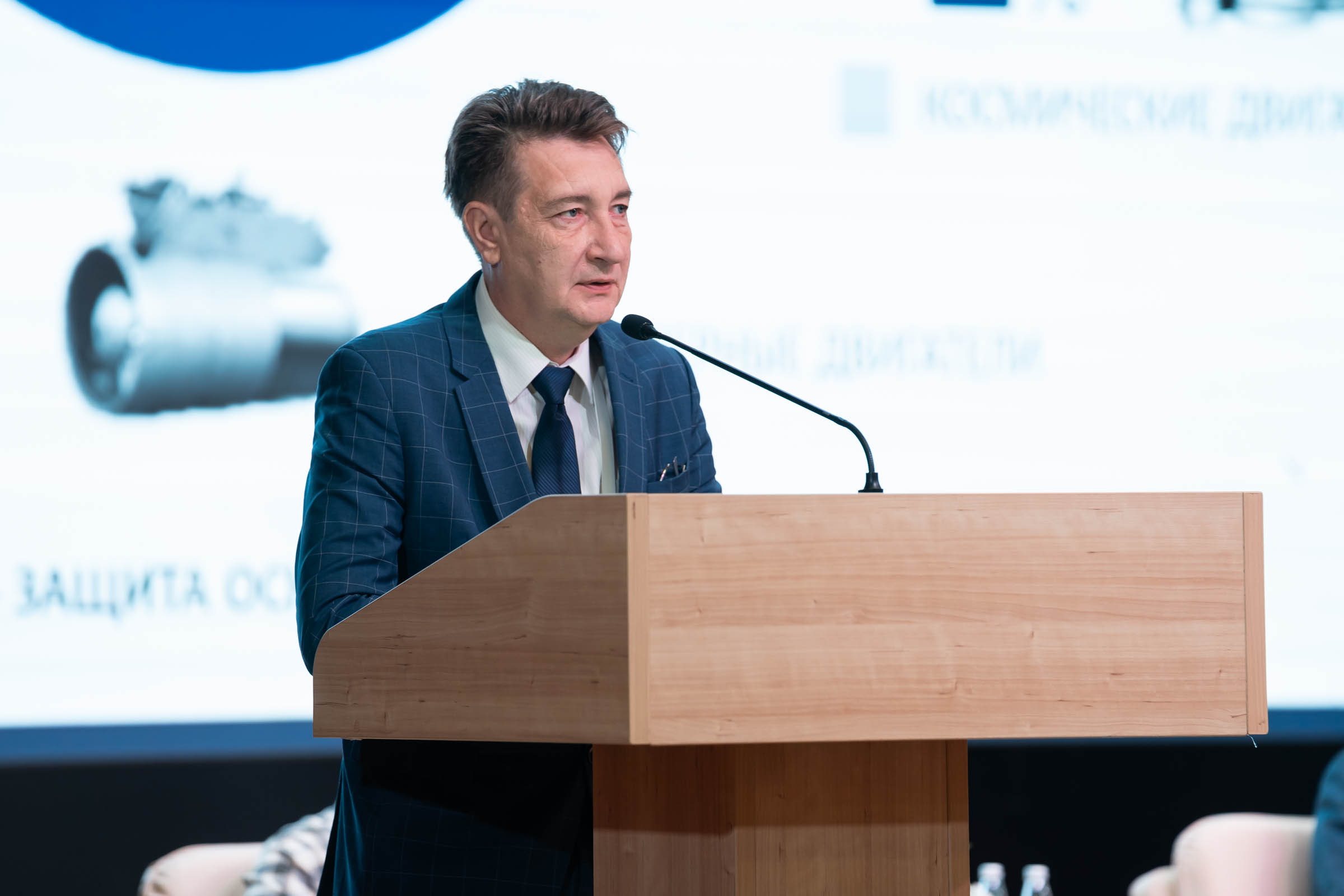
During the plenary session, Rector Vladimir Bogatyrev addressed the attendees. He highlighted the active participation of government and business leaders, as well as experts from Rostec State Corporation, United Engine Corporation (UEC), UEC-Kuznetsov, Gazprom, and other major companies. Over three days, from June 16 to 18, these industry heavyweights collaborated to define the strategic trajectory of engine building and power engineering up to 2035.
"The pressing challenges of creating advanced engines and power plants, the application of new materials, digital and additive technologies, and intelligent manufacturing systems are directly linked to technological sovereignty, industrial competitiveness, and the development of our domestic engineering school," Rector Bogatyrev emphasized.
He also specially noted that this year, the forum welcomed partners from the Association of Technical Universities of Russia and China (ATURC), hailing from Nanjing, Harbin, and Beijing.
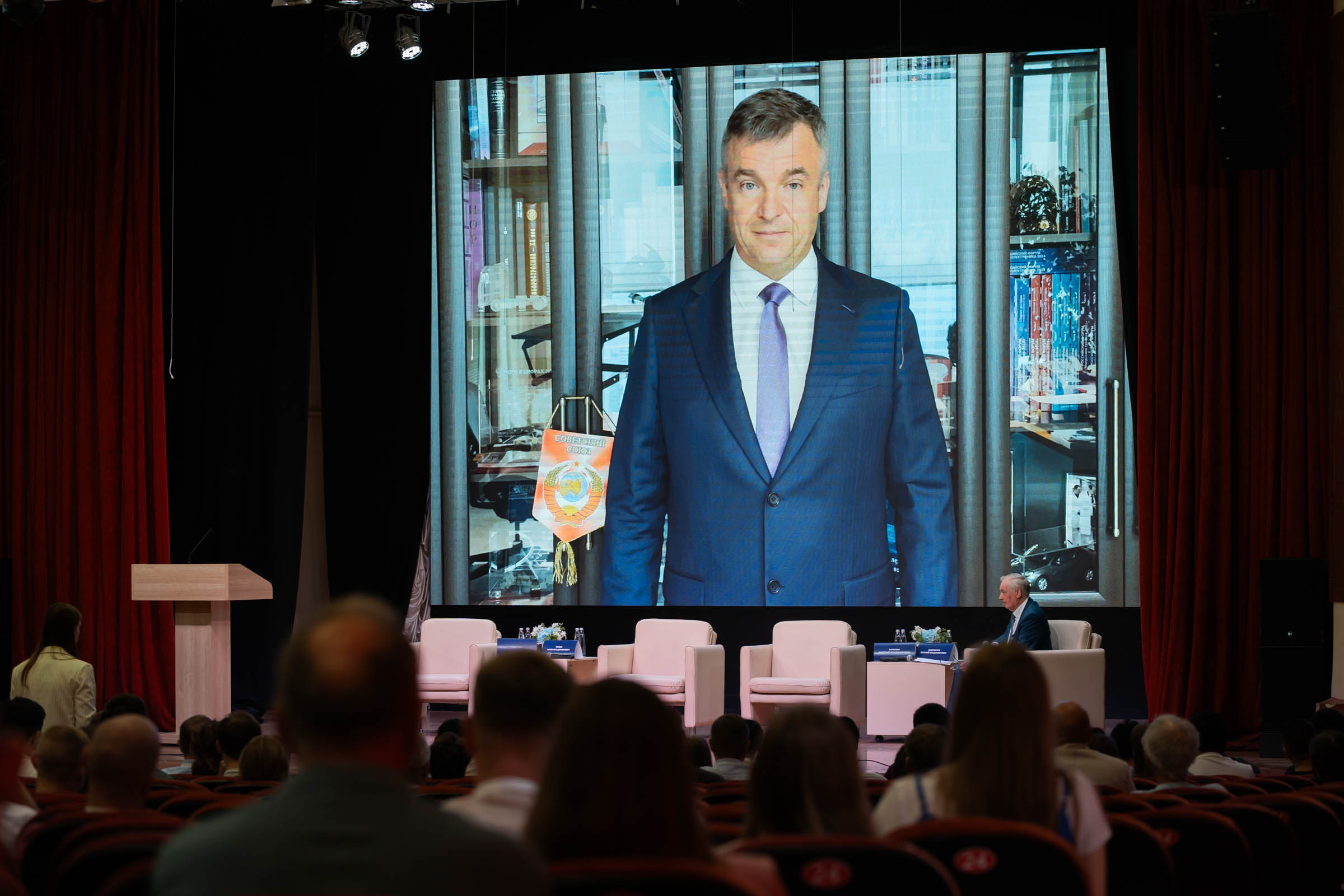
Vasily Shpak, Deputy Minister of Industry and Trade of the Russian Federation, addressed the participants via video link. He described the forum as a landmark event for the entire industry, where Russia's technological sovereignty is being forged and the positions of domestic engine building are being strengthened:
"The forum takes on special significance as it coincides with the 115th anniversary of the birth of the outstanding designer Nikolai Dmitrievich Kuznetsov, whose legacy continues to inspire new generations of engineers."
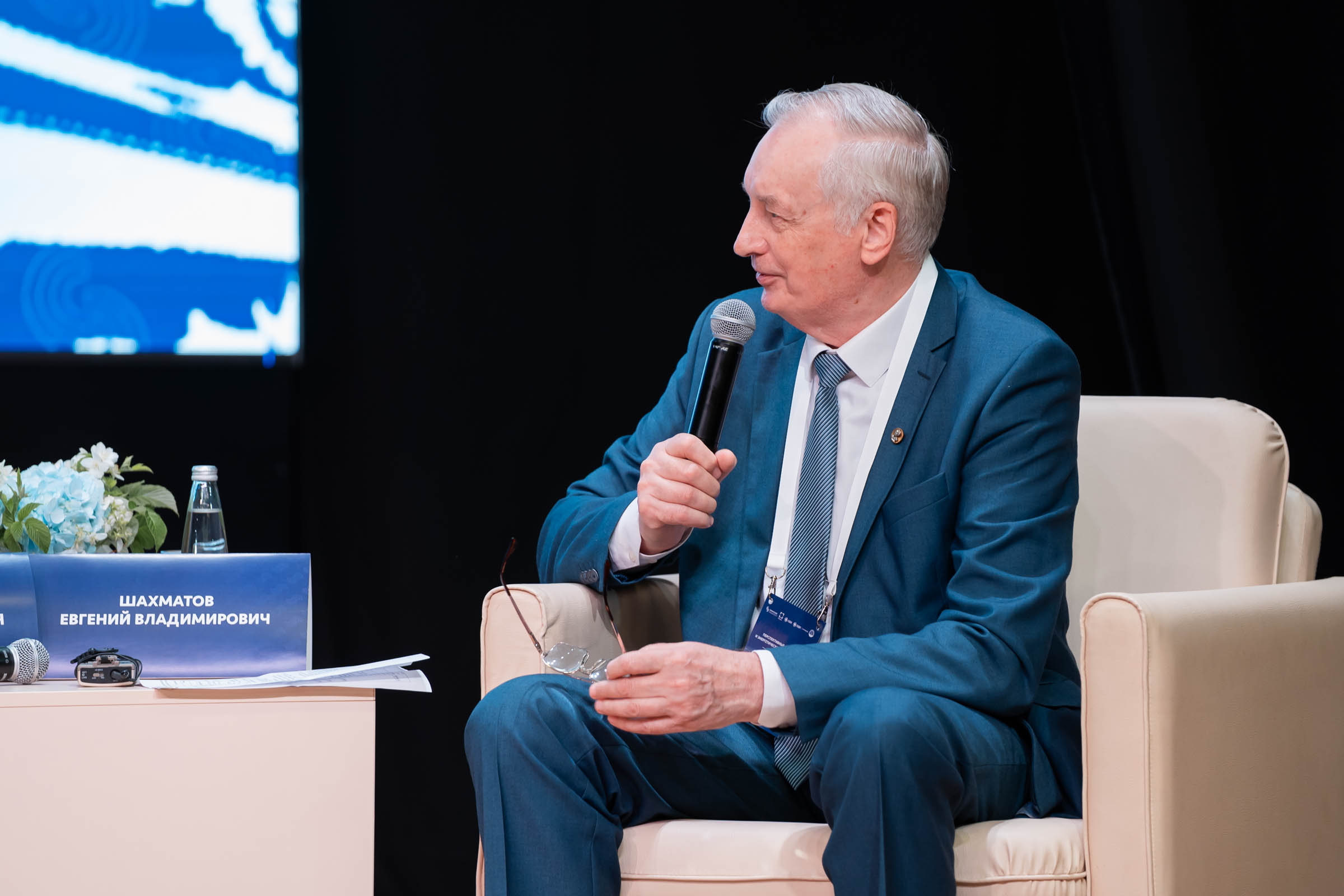
Sergey Tishin, Acting Deputy Minister of Industry and Trade of the Samara Region, told the audience that for the Samara Region, engine building is not just a symbol, but a vector of development and a pathway for students' career guidance. He wished the younger generation success in engine building and the broader field of domestic mechanical engineering.
Cutting-Edge Developments
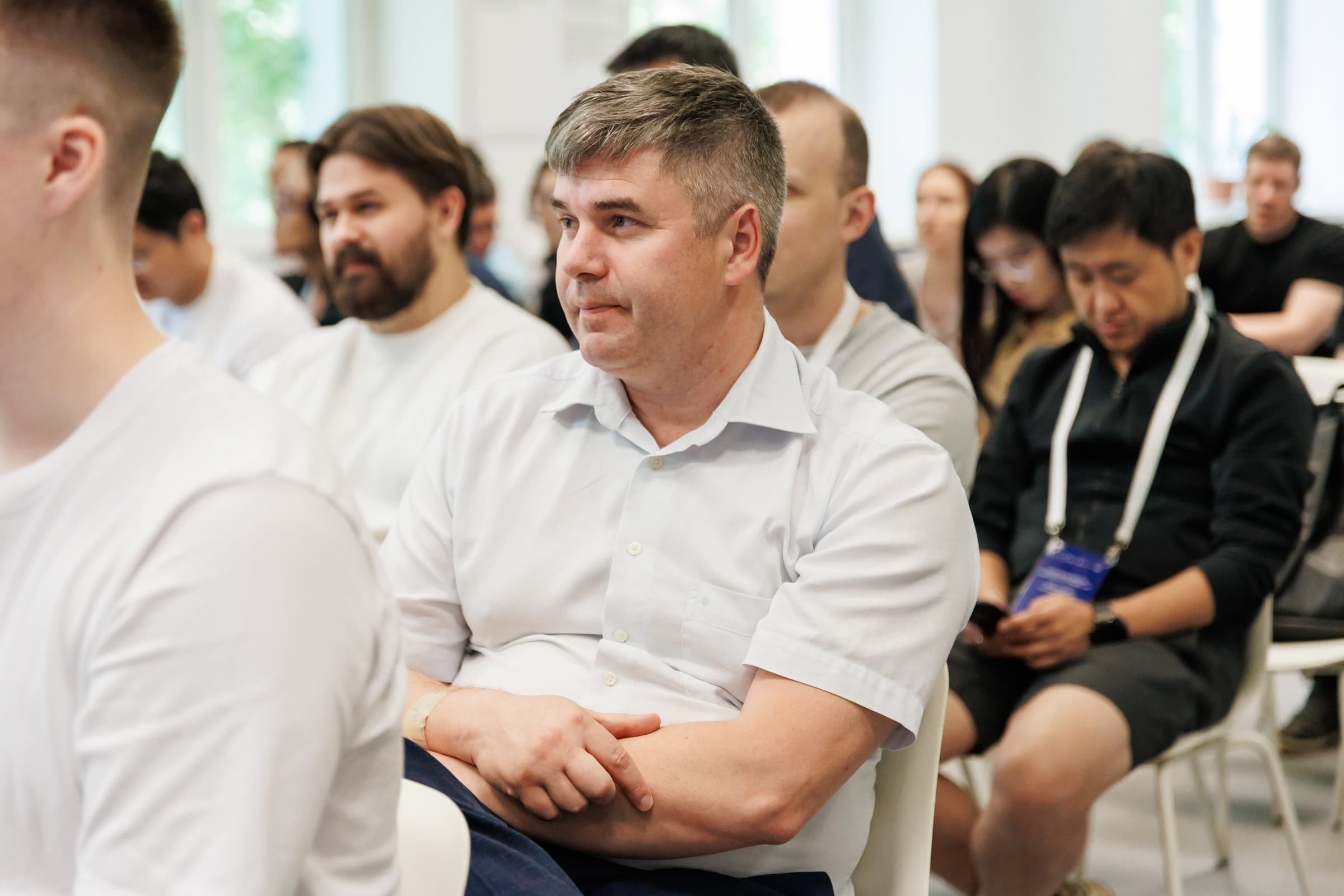
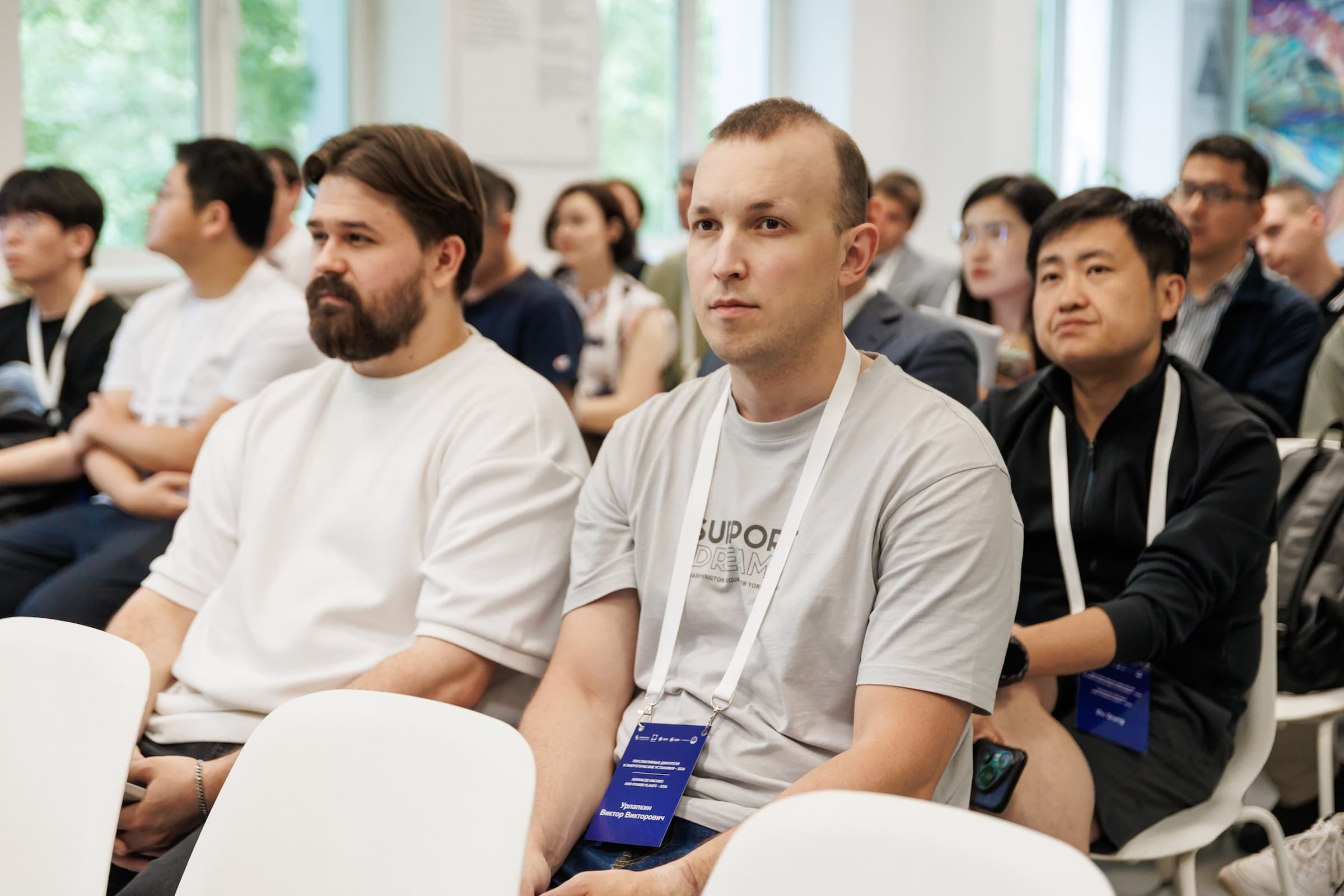
On the first day, the focus shifted squarely to the future of engine building and power engineering through 2035. Leading Russian and international experts joined the discussion, with an audience comprising university students, young scientists, and faculty members. The core topics revolved around technological leadership, sustainable development, and digital sovereignty.
Dmitry Karelin, Deputy Chief Designer for R&D at UEC-Kuznetsov, shared insights into the company's current projects, specifically the development of next-generation gas turbine engines. Over the next decade, UEC-Kuznetsov plans to create three technology demonstrator engines. These will be used to test 18 critical, cross-cutting technologies with a high degree of unification across all UEC gas turbine engines.
"The aviation of the future relies on fundamentally new technologies, including engines that will outperform modern power plants in performance. Currently, our flagship is the PD-35 technology demonstrator. A high-pressure-ratio gas generator, composite fan blades, an advanced combustion chamber, an accessory gearbox with enhanced power generation, and AI algorithms will ensure the engine's globally competitive characteristics," Karelin explained.
He also highlighted fuel efficiency as a key factor in aircraft engine competitiveness, noting a 35% reduction in specific fuel consumption over the last 50 years thanks to new technologies. Furthermore, to meet global environmental standards, a promising trend is the development of dual-fuel aircraft engines capable of running on both liquefied natural gas (LNG) and kerosene.
Pavel Chupin, Chief Designer of UEC-Kuznetsov PJSC, discussed joint research with Samara University on eco-friendly fuels, including promising hydrogen fuel. He also detailed the Samara enterprise's current developments for various industries: engines for strategic aviation, liquid-propellant rocket engines for Roscosmos, and industrial gas turbine units for Gazprom, NOVATEK, and other energy sector enterprises.
Olga Ospennikova, Executive Director of the Association for the Development of Additive Technologies, shared updates on modern advancements in the field, highlighting the potential of the newly established Shared Additive Technologies Center at the university.
Anna Tsyganova, CEO of the Scientific and Production Center "Lasers and TM Equipment," focused on key trends in integrating technologies into engine building and power engineering.
Additionally, thematic presentations that captivated the audience were delivered by Feng Xin, a leading scientist from Nanjing University of Aeronautics and Astronautics, and Du Qian from the Beijing Institute of Engineering Thermophysics.
Focus on Youth
As Rector Vladimir Bogatyrev noted, the international forum traditionally brings together not only seasoned professionals but also those just taking their first steps in engine building. Special design marathons, hackathons, and other youth-oriented formats were organized to involve students and postgraduates in solving real industry challenges, thereby fostering project-based thinking.
"Ultimately, these formats allow us to train a new generation of engineers capable of creating technologies for the aviation and power engineering sectors, and for the high-tech industry of the future in general," the Rector is confident.
Key tools during the forum included the foresight hackathon "Energy of the Future: Innovations for Sustainable Development" and a youth design marathon, where students and young scientists from various universities across the country worked on designing a turbine for a small gas turbine engine.
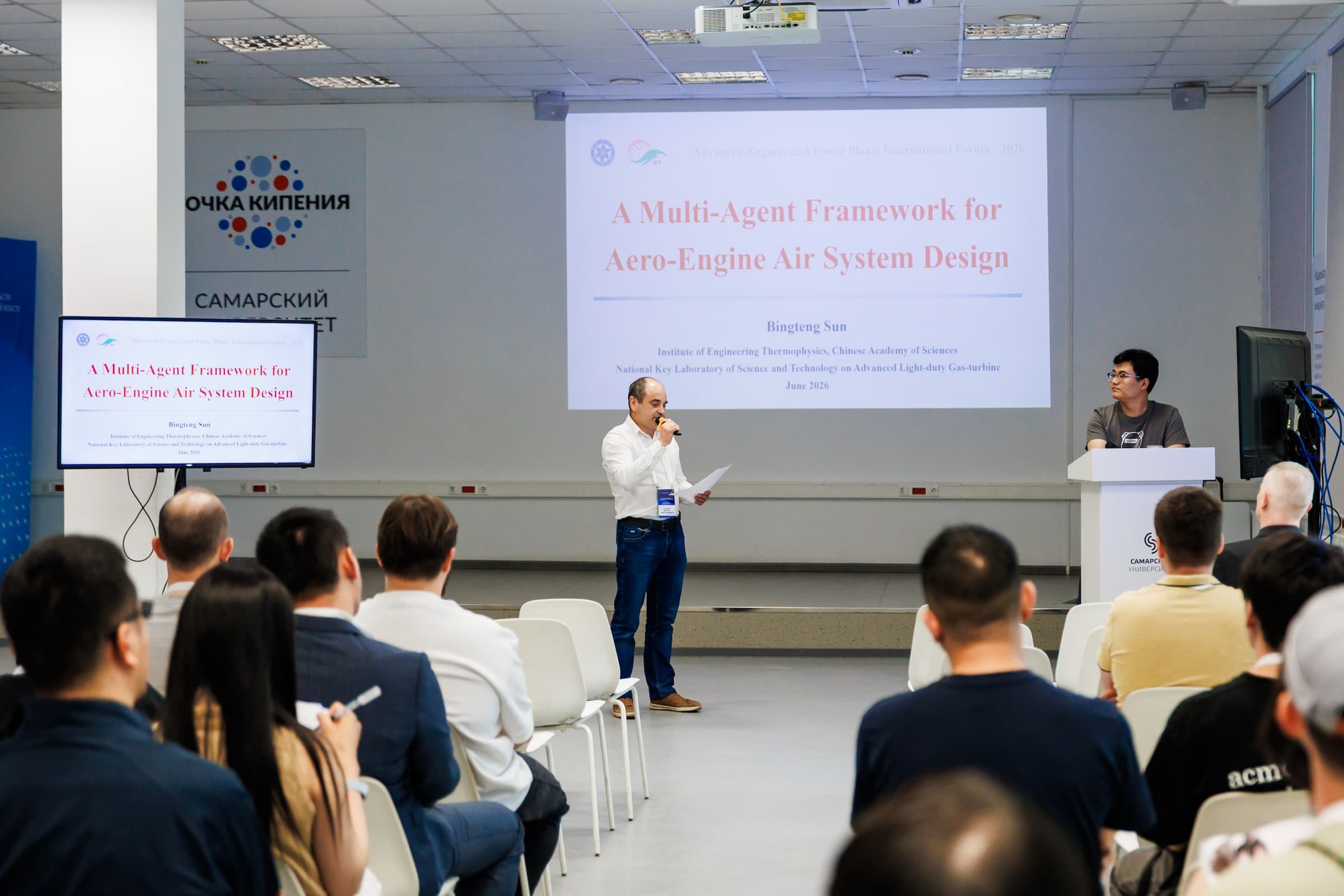
Furthermore, young representatives from the Association of Technical Universities of Russia and China actively participated in scientific and educational seminars. During lectures and practical sessions, the audience heard English-language presentations by students, researchers, and faculty from Russian and foreign universities in Nanjing, Harbin, and Beijing, covering promising research areas in engines and power plants, artificial intelligence, additive technologies, and cryogenics.
