

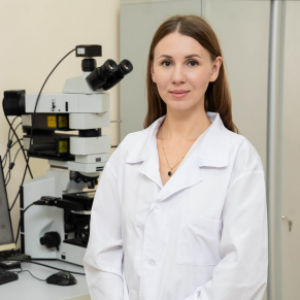
Scientists at Samara University are developing an "Electronic General Practitioner" (often referred to in Russian medicine as an "electronic therapist")—a comprehensive software system capable of detecting a wide spectrum of non-infectious diseases from a single drop of blood in just a few minutes. Furthermore, the system will be able to predict the likelihood of disease development long before any symptoms are felt.
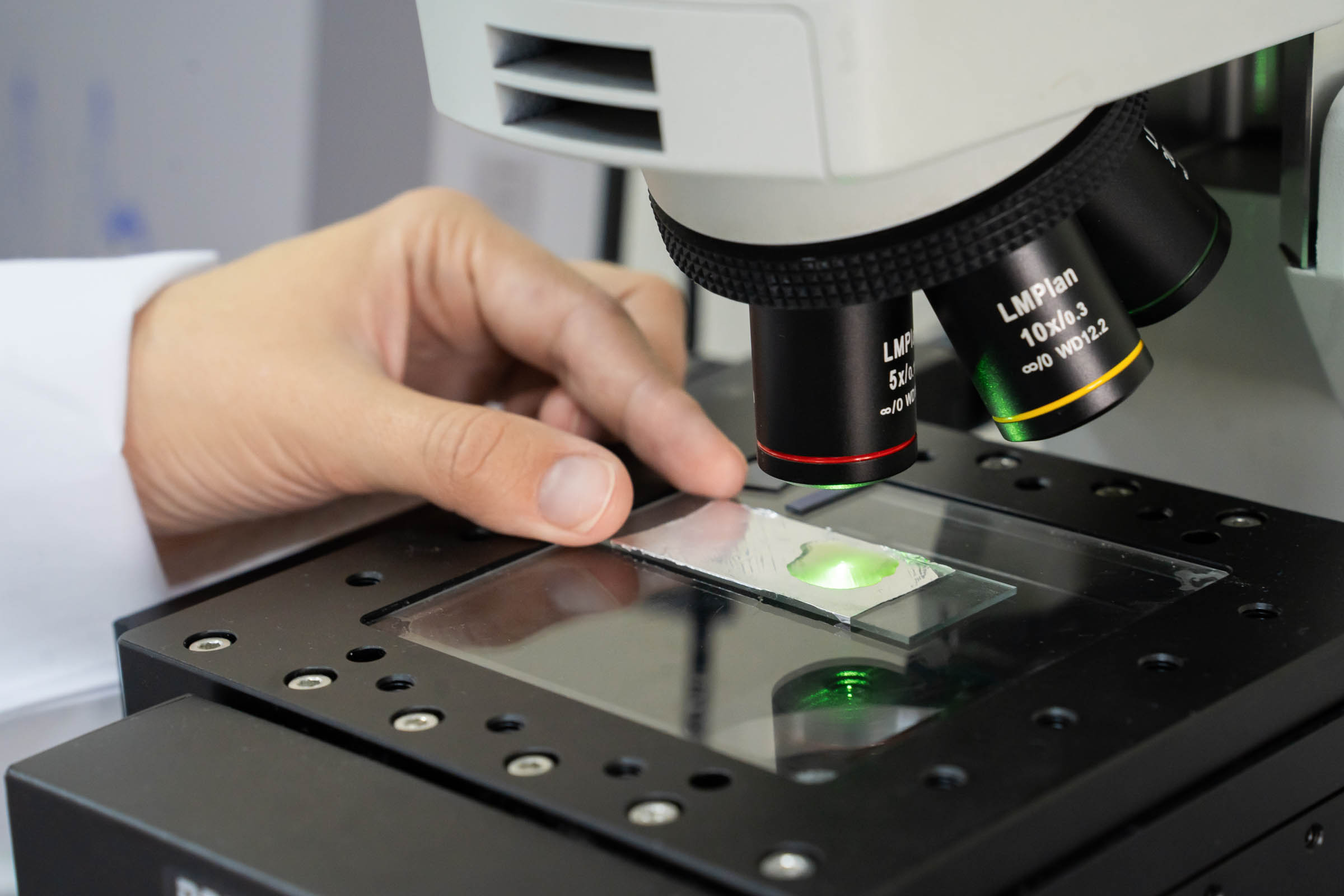
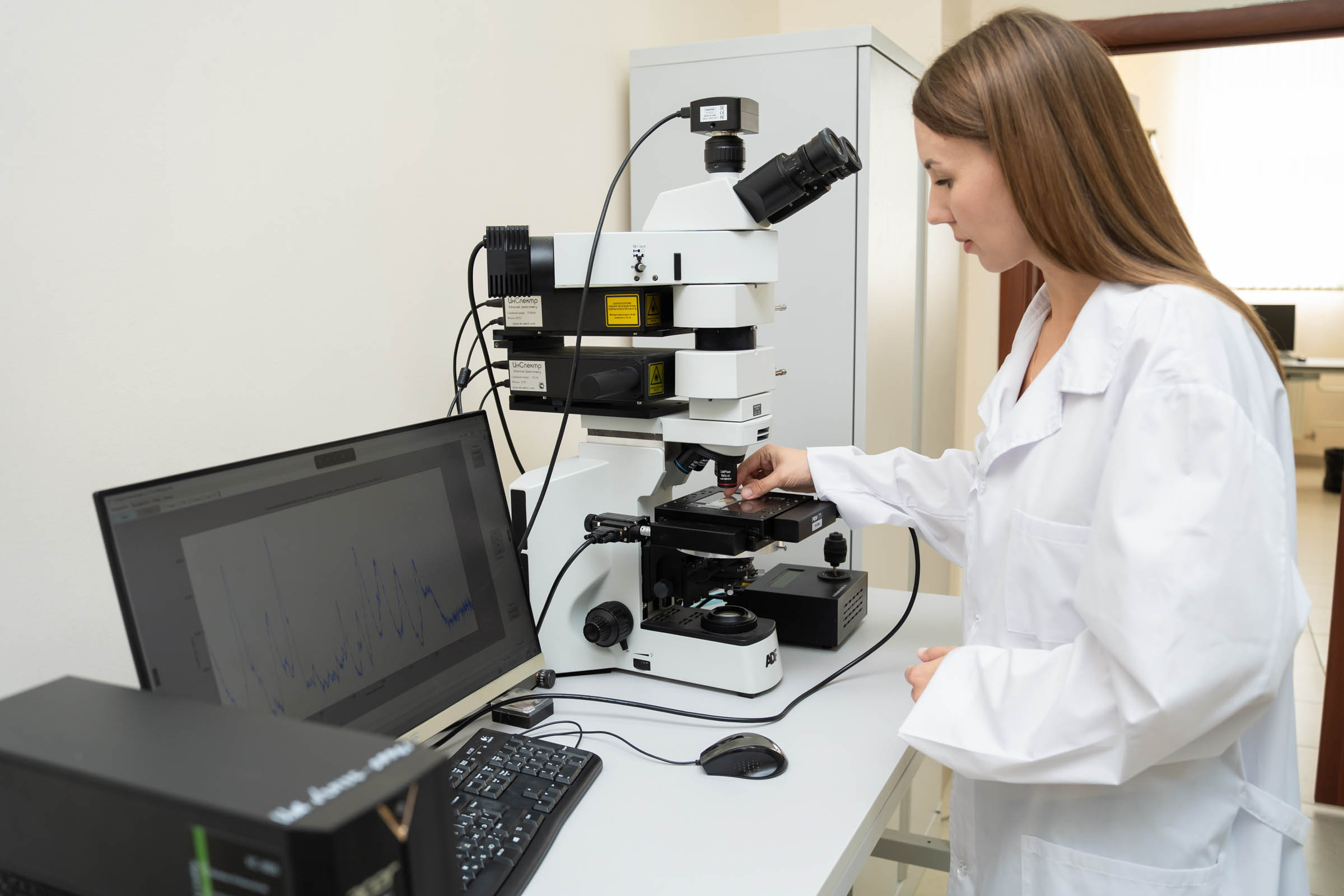
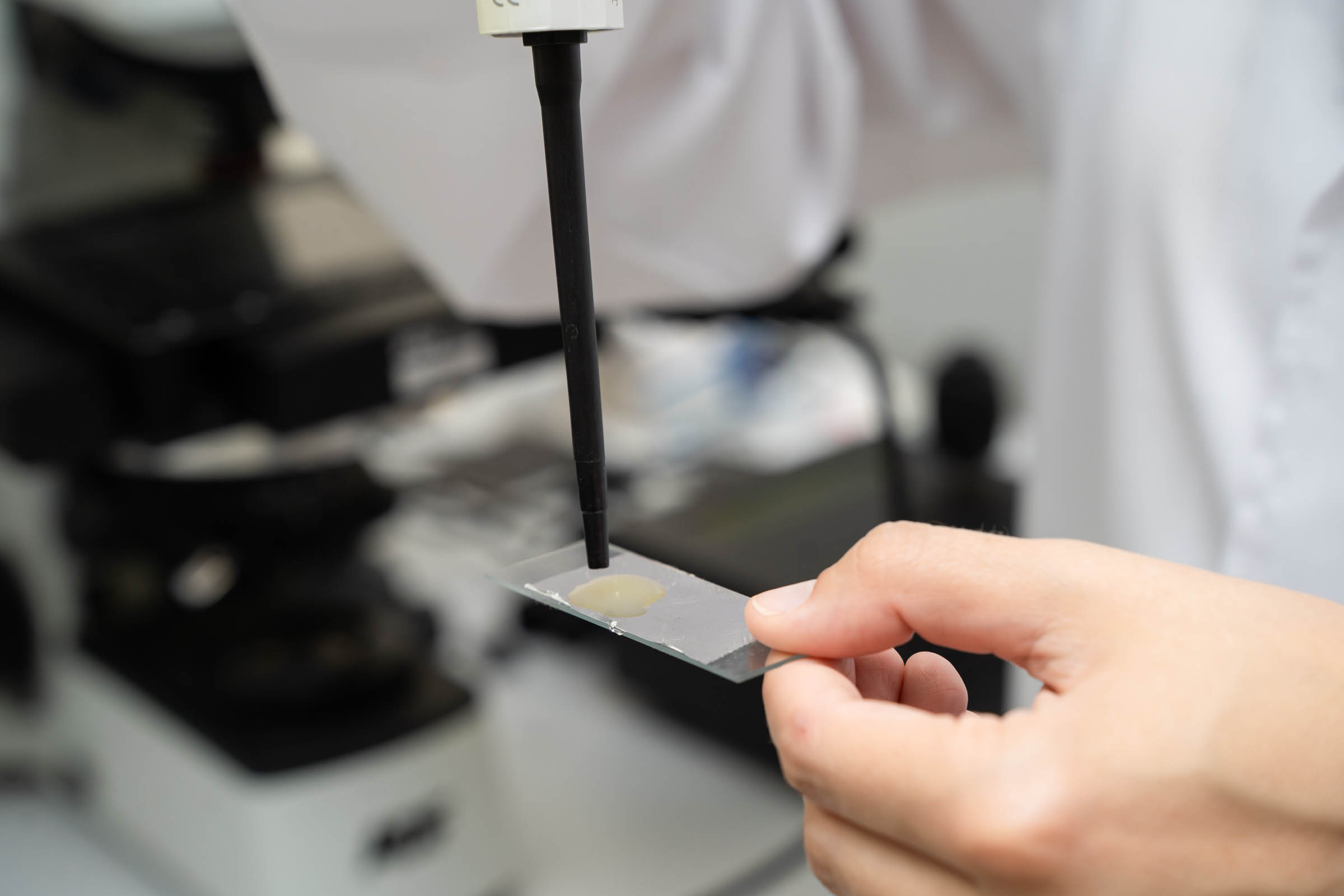
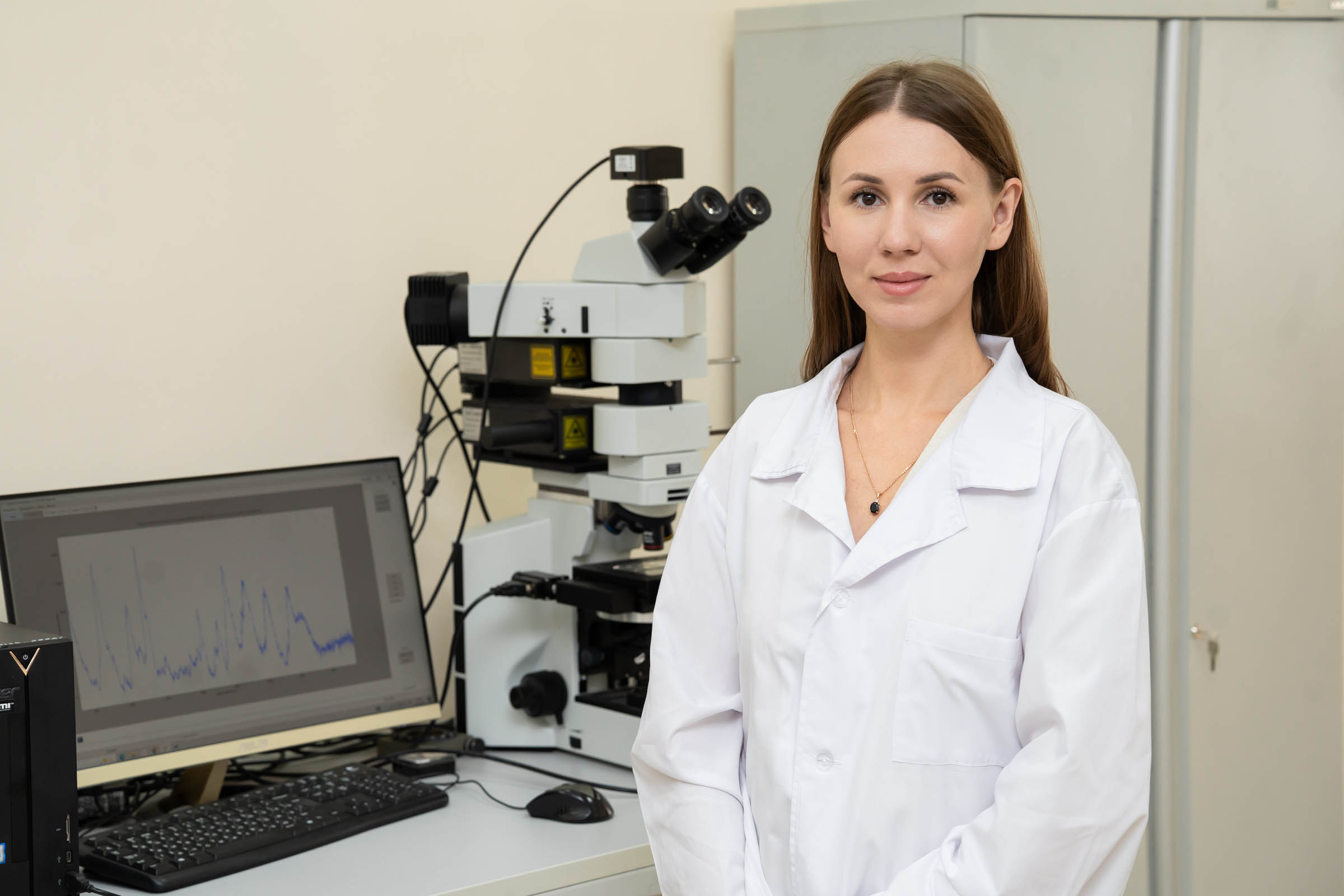
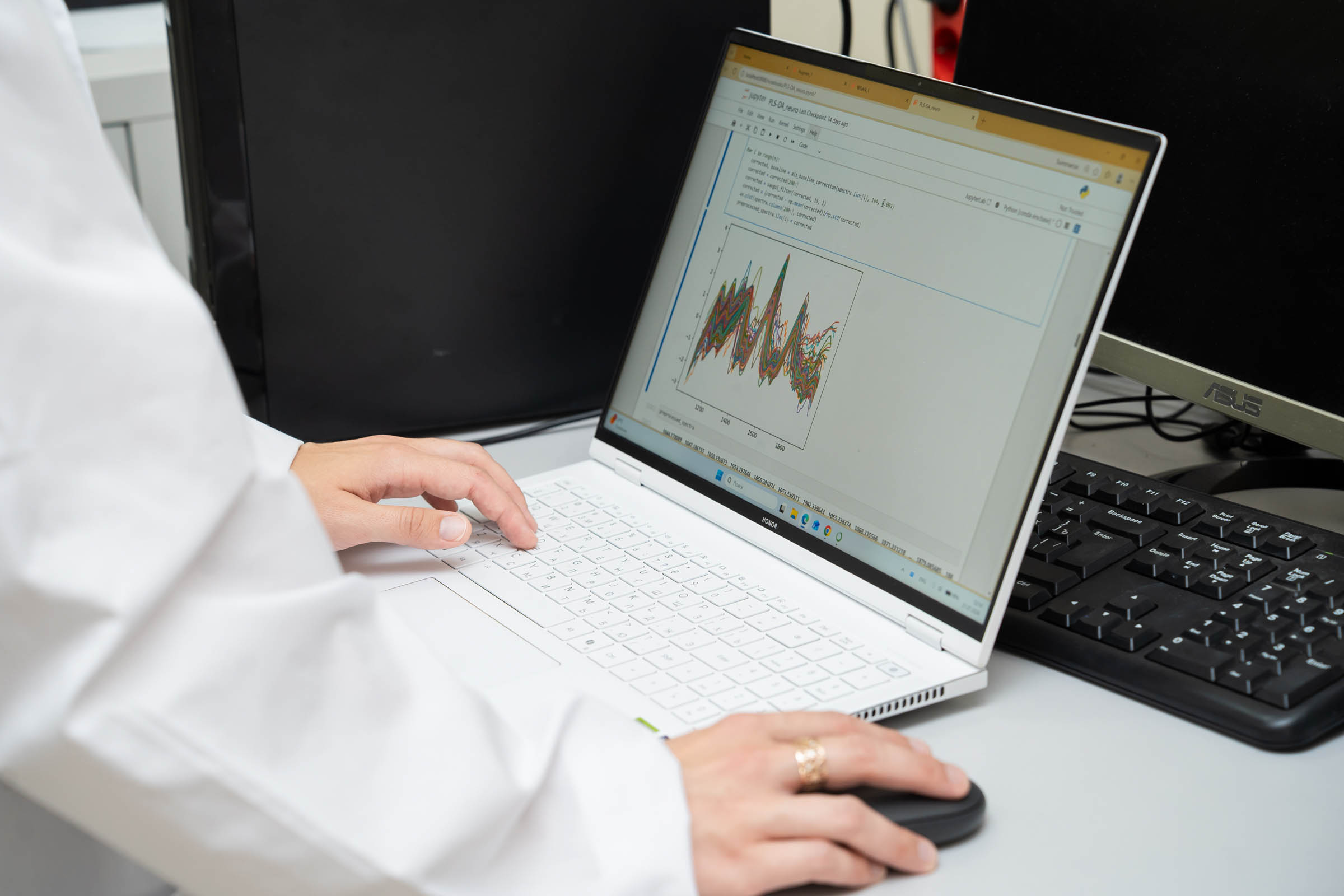
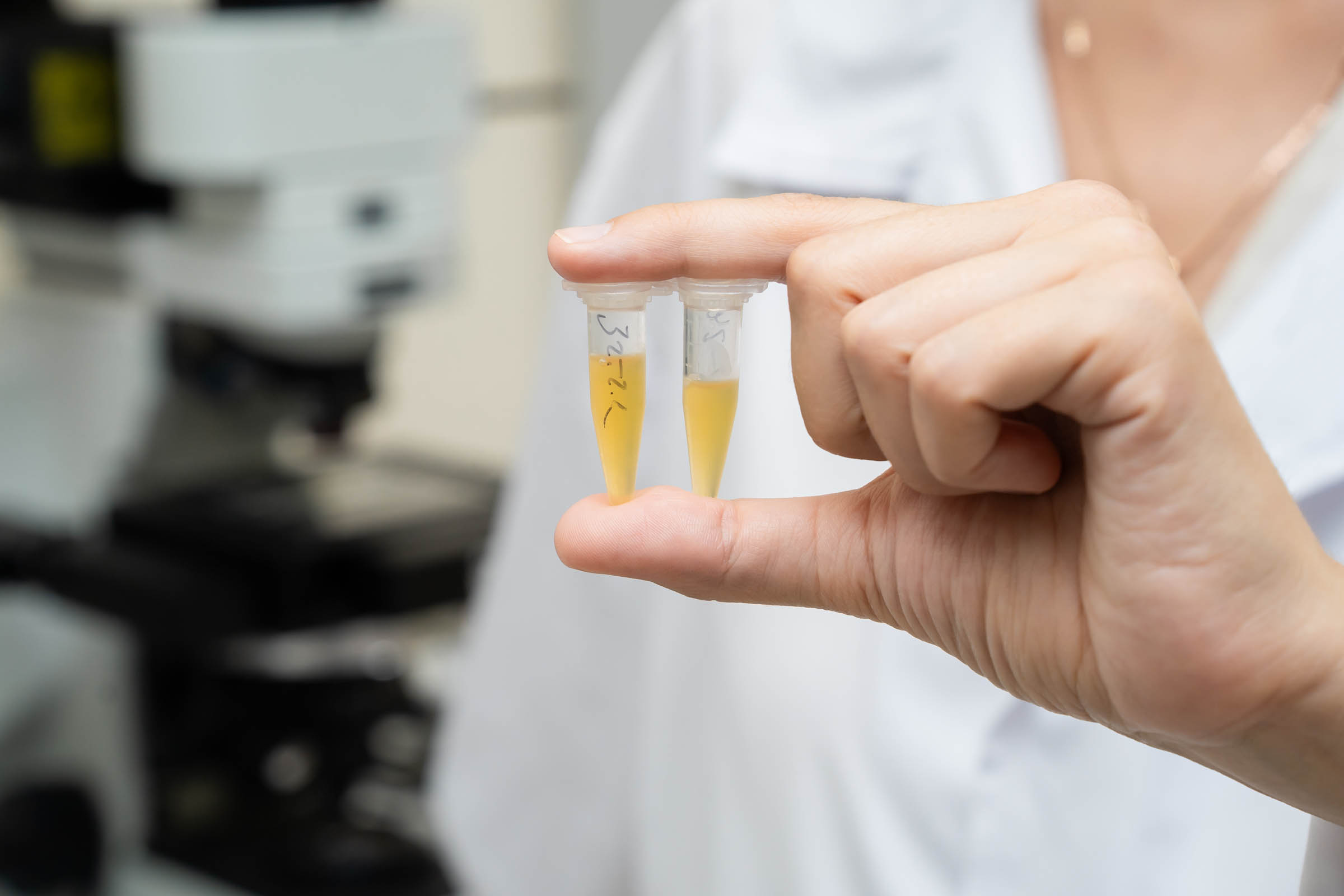
To identify these hidden signs of illness, the system will utilize specially trained neural networks combined with Raman spectroscopy. This advanced method involves illuminating a sample (such as a drop of blood) with a laser and analyzing the scattered light to detect spectral "fingerprints" of specific substances that indicate the presence of a disease.
The project has been awarded a prestigious grant from the Russian Science Foundation (RSF), having won the "Initiative Research by Young Scientists" competition under the RSF Presidential Research Programs.
"In recent years, Raman spectroscopy has been widely used to analyze the chemical composition of biological samples, as it provides highly accurate and detailed information about molecular structure," explains Yulia Khristoforova, Associate Professor at the Department of Laser and Biotechnical Systems at Samara University and the lead author of the project.
"However, medical analysis systems based on this method are typically single-profile and highly specialized: they are 'tuned' to detect biomarkers for one specific disease or a narrow group of conditions. For example, one system might detect kidney diseases, another cardiovascular issues, and another dental or skin conditions. It is akin to visiting a narrow specialist in a clinic: a cardiologist, a nephrologist, or a dermatologist. By going straight to a specialist with specific symptoms, a patient might miss a concurrent disease that has not yet manifested and is invisible on standard tests. Moreover, different diseases can present with identical symptoms in their early stages.”
"We propose a different approach. Instead of just looking for specific spectral markers, our system analyzes the entire spectrum and its multitude of parameters. It is like a comprehensive blood test with dozens of indicators: you bring the results to a general practitioner, and the doctor determines which diseases might be hiding behind specific deviations. The system we are creating acts as an 'electronic general practitioner.' It is designed to recognize general patterns and distinguish not just one disease, but various patient conditions, including those in their earliest stages. This will not only improve diagnostic accuracy but also allow us to look slightly into the future, providing a prognosis for potential disease development."
The analysis of multi-parameter spectra and the creation of spectral "portraits" of diseases will be handled by neural networks. These networks are being trained on a massive database and equipped with specialized algorithms currently under development by the university's scientists. A large-scale database of blood serum spectra has already been created and continues to expand, thanks to the collaboration of colleagues from Samara State Medical University and physicians from the Seredavin Regional Clinical Hospital, the Pirogov City Clinical Hospital, and the Samara Regional Clinical Oncology Dispensary.
"This database currently contains the blood serum spectra of over 1,500 individuals, including both healthy volunteers and patients with various diseases, including those with generalized symptoms in the early stages," emphasized Yulia Khristoforova. "This allows us to train our models not on simplified tasks, but on data that closely mirrors real-world clinical practice. The greatest diagnostic challenge lies not in progressive disease, but in its early stages, where spectral changes are incredibly subtle and easily lost in traditional analysis. This is precisely why our project employs various neural network and algorithmic approaches capable of detecting weak but stable differences between groups of spectral data, thereby identifying different diseases with similar clinical manifestations."
The range of diseases the system will be able to detect and predict includes various oncological and respiratory conditions (such as chronic obstructive pulmonary disease and bronchial asthma), cardiovascular diseases (including various classes of chronic heart failure and ischemic heart disease), autoimmune disorders (such as systemic lupus erythematosus and rheumatoid arthritis), and others.
"Active development of the system is currently underway, and the scientific and methodological foundations are in place. However, we can only speak of final results after completing the full cycle of development, training, testing, and model validation," noted Yulia Khristoforova.
"The end product is planned to be a software module or complex that can be installed on a computer to upload spectra, perform preliminary processing, classify the data, and evaluate the results. Importantly, this module will be able to operate autonomously, without a constant internet connection, which is a crucial requirement for standard medical practice. We plan to complete the development of the system by 2028."
For Reference:
Raman spectroscopy is a spectroscopic technique based on the inelastic (Raman) scattering of monochromatic light, typically from a laser. In the spectrum of the scattered light, new spectral lines appear that are absent in the spectrum of the primary (exciting) light. The number and position of these new lines are determined by the molecular structure of the substance being studied, allowing for its precise identification.
Photo: Olesya Orina
