

A key hallmark of modern university education is its deep integration with innovations in school-level learning—particularly through academic Olympiads. The All-Russian School Olympiad (Vserossiyskaya Olimpiada Shkol’nikov, or VsOSh) stands as Russia’s largest intellectual competition, designed to identify and nurture students’ creative talents, foster interest in research, promote scientific knowledge, and select outstanding participants for national teams competing in international subject Olympiads. Each year, more than 6.5 million gifted schoolchildren take part. Winning or placing at the final stage is a prestigious achievement that grants recipients the right to enroll in Russian state universities without entrance exams in their Olympiad subject.
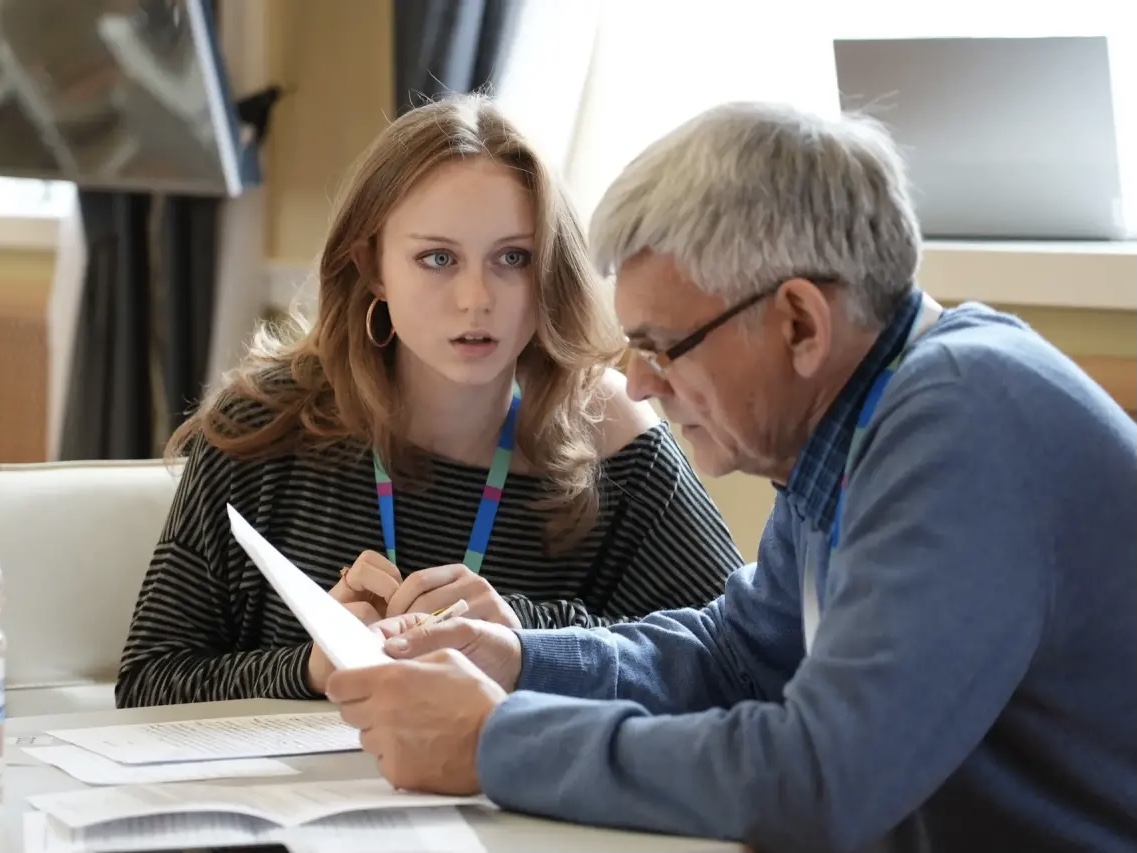
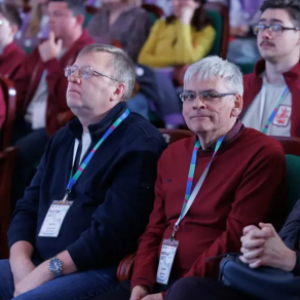
For many years, the Department of German Philology at Samara University has partnered closely with the organizing committee of the All-Russian Olympiad in German and has been responsible for hosting its regional qualifying stage. Professor Sergey Dubinin and Senior Lecturer Vasily Nikitin, Director of the German Language Center at Samara University, serve on the Olympiad’s judging panel—overseen by Moscow State Linguistic University—and are members of the Central Subject-Matter Methodological Commission for German under the Russian Ministry of Education.
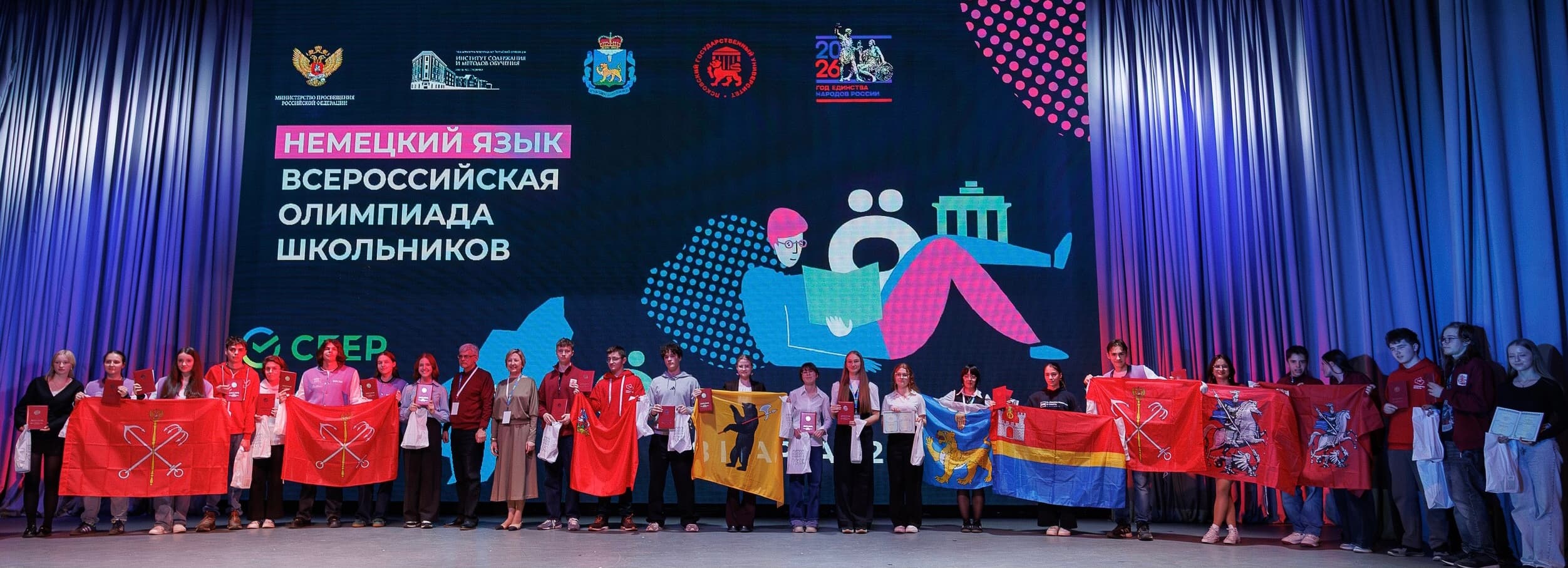
From March 28 to April 2, 2026, the final round of the Olympiad in German was held at Pskov State University, bringing together approximately 250 finalists from 71 regions across Russia. Among them was a student from Gymnasium No. 1 in Samara. At the closing ceremony, 19 students were awarded diplomas as winners, and 96 received prizes as runners-up—an exceptionally high number, underscoring the rising quality of language education nationwide.
The Olympiad in Pskov once again highlighted students’ sustained enthusiasm and creative engagement with advanced foreign language study—particularly German—as well as their deep interest in translation challenges, cultural studies, and the literature of German-speaking countries.
Equally memorable for participants was their immersion in the rich traditions and ancient heritage of the welcoming Pskov region, along with their introduction to the host institution—Pskov State University—which played a vital role in creating an inspiring academic and cultural atmosphere for the event.
Department of German Philology
