


Researchers from Samara University and Samara State Medical University have launched an unprecedented scientific project to investigate the genetic and physiological risks foreign students face when adapting to life and studies in Russia. The study focuses on how ethnic-specific genetic traits may either protect against—or predispose individuals to—cardiovascular, digestive, and metabolic disorders under new environmental conditions such as climate, diet, stress, and social dynamics.
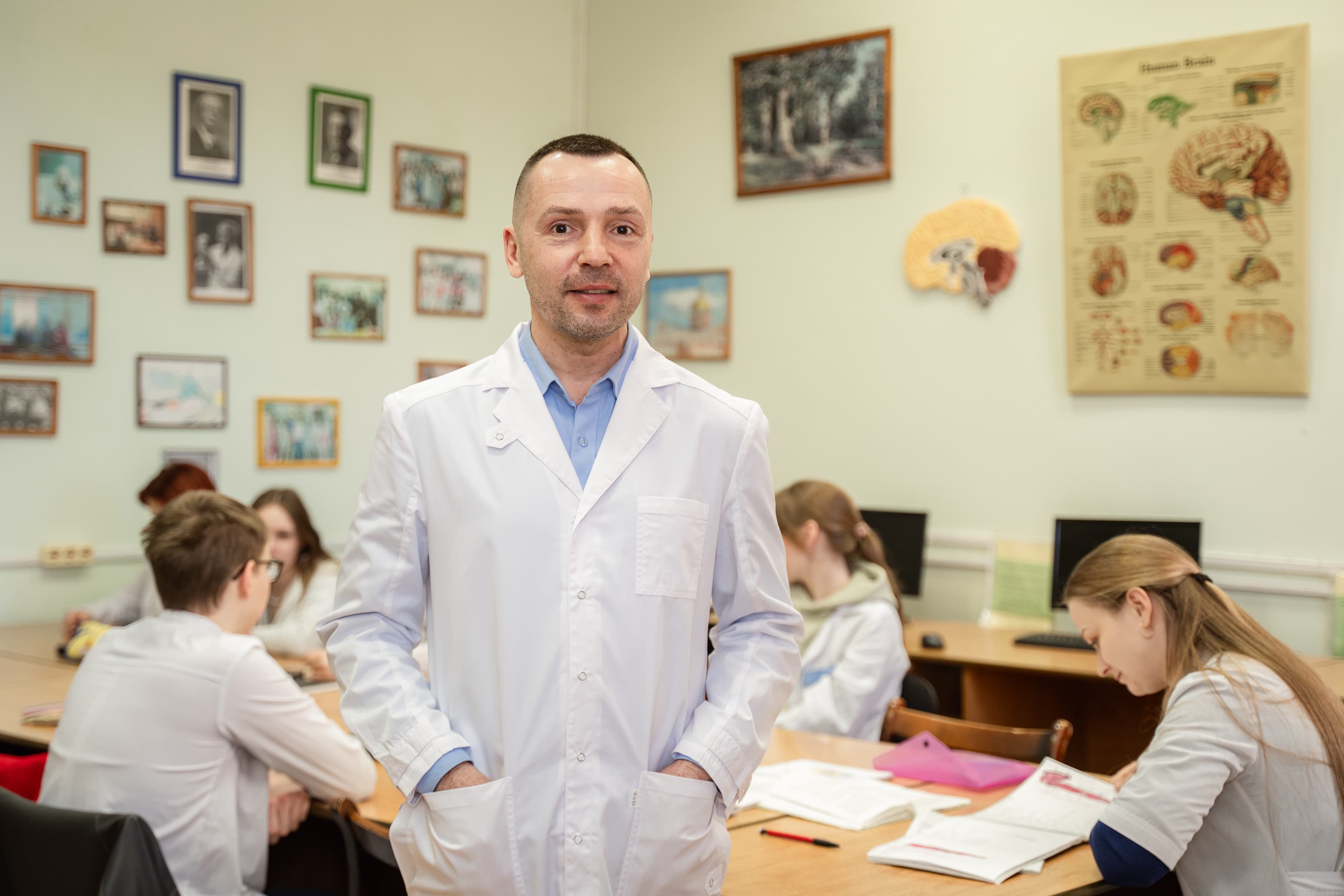
This comprehensive research marks a first in Russia: no prior study has integrated genetics, physiology, nutrition, and behavioral science to examine adaptation through such a holistic lens.
“Our project explores ethnic differences in cardiometabolic risks and eating behavior disorders among international students in Samara,” explains Vladimir Belyakov, Associate Professor at the Department of Human and Animal Physiology, Samara University.
“We’ve formed a pilot group of around 30 Indian students. Each has undergone full physiological screening, and we’ve already gathered preliminary data. But we’re not just noting that hypertension appears more frequently among them—we’re digging deeper. We want to understand how their genetic background interacts with new environmental stressors—like colder weather, unfamiliar food, academic pressure—and how this interaction affects heart regulation, blood pressure, and even brain centers controlling appetite.”
A Truly Integrated Approach
What sets this project apart is its systems-level methodology. While similar studies elsewhere often remain siloed—geneticists analyzing DNA, cardiologists tracking heart function, dietitians assessing meals—this team treats the human body as a unified, responsive system.
“We connect the dots,” says Belyakov. “For example, we examine how a variant in the FTO ‘appetite gene’ might influence food choices, and how those choices, in turn, affect carotid artery elasticity—visible via ultrasound. Our goal is to see how an Indian genetic profile modulates cardiovascular responses to Russian living conditions. That’s the core of our ‘research kitchen.’”
Environmental Stressors and Behavioral Shifts
Key adaptation challenges for Indian students include:
- Colder climate compared to India,
- Dietary changes: Russian cuisine tends to be richer in fats but less spicy,
- Social and linguistic isolation, leading to stress and loneliness.
To capture these nuances, researchers combined clinical diagnostics with detailed questionnaires on dietary habits before and after arrival—tracking cravings (often for spices and vegetables), new food experiences, and emotional eating patterns.
“We’re studying both physiological and genotypic forms of adaptation,” notes Eyzons Tchang, Senior Lab Assistant at Samara State Medical University’s International Institute and a graduate of Samara University’s Biology Faculty (originally from the Democratic Republic of Congo).
“The cardiovascular system is the main ‘executor’ of adaptation. When adaptive mechanisms are overstressed, latent genetic risks—silent in familiar environments—can emerge.”
Early Findings: Warning Signs and Patterns
Though full analysis is ongoing, early trends are revealing:
- Many Indian students show signs of emotional overeating (“stress-eating”) and irregular meal patterns, including skipped meals followed by compensatory bingeing—classic markers of disordered eating.
- These behaviors correlate with reduced cardiovascular adaptability, calculated via heart rate variability, blood pressure response to stress tests, and physical load tolerance.
- Some participants already exhibit preclinical atherosclerosis: reduced elasticity in carotid arteries—though not yet at stroke-risk levels.
- Bioimpedance analysis in these cases shows suboptimal muscle-to-fat ratios, reinforcing links between emotional eating, body composition, and vascular health.
“This is a crucial piece of our puzzle,” Belyakov emphasizes. “We’re using correlation analysis to test how strong these links really are. Next, we’ll compare newly arrived Indian students with those who’ve lived in Samara for 2–3 years—separating acute adaptation stress from long-term physiological shifts.”
From Research to Real-World Impact
Beyond academic value, the project has clear practical applications:
- Development of personalized nutrition and lifestyle guidelines tailored to students’ genetic profiles—not generic advice like “eat less salt,” but precise recommendations based on individual “genetic strengths and vulnerabilities.”
- Improved cross-cultural medical care: doctors will better understand how ethnicity influences disease presentation and treatment response.
- Early preventive programs for cardiovascular and eating disorders targeting specific ethnic groups—starting in young adulthood.
“Samara universities are like mini-UNs,” Belyakov adds. “Next, we plan to include students from Central Asia, Southeast Asia (Vietnam, China), the Middle East, and Africa—each with distinct genetic and dietary backgrounds. Crucially, we’ll also recruit a control group of Russian students. Without it, the picture remains incomplete.”
All participants join voluntarily under informed consent—a non-negotiable ethical cornerstone of the study.
About the FTO Gene
Central to the research is the FTO gene (Fat mass and obesity-associated), one of the most studied “appetite genes.” Certain FTO variants are linked to:
- Blunted satiety signals (“I don’t feel full”),
- Preference for high-calorie foods,
- Positive energy balance (calories in > calories out).
“FTO isn’t destiny—but it’s a molecular clue,” Belyakov concludes. “It helps explain why, in identical environments, some people maintain health effortlessly, while others need extra awareness and support to keep their cardiovascular systems resilient.”
With no fixed end date, this evolving project promises to reshape how Russia welcomes, supports, and safeguards the health of its growing international student community.
