


This week, the Media Center of Samara University hosted a pivotal event: the official launch of the ambitious project "Development and Implementation of a Comprehensive Multidisciplinary Scientific and Educational Initiative for Training Advanced Engineering Personnel for the Space Industry, Based on Project-Based Learning Through the Creation of a CubeSat-Class Nanosatellite 'SamSat-Korolyovets,' Advancing Next-Generation Radio Navigation, Communication, and Earth Remote Sensing Technologies."

Developed by the team at the Inter-University Department of Space Research, the project secured first place in a national competition announced by the Russian Ministry of Science and Higher Education under the federal initiative "Talent for Space."
The initiative pursues two core objectives:
- Implementing the "learning through research" concept to train elite engineers and scientists for the aerospace sector;
- Maintaining Russia's leadership in space exploration through the development and application of cutting-edge technologies.
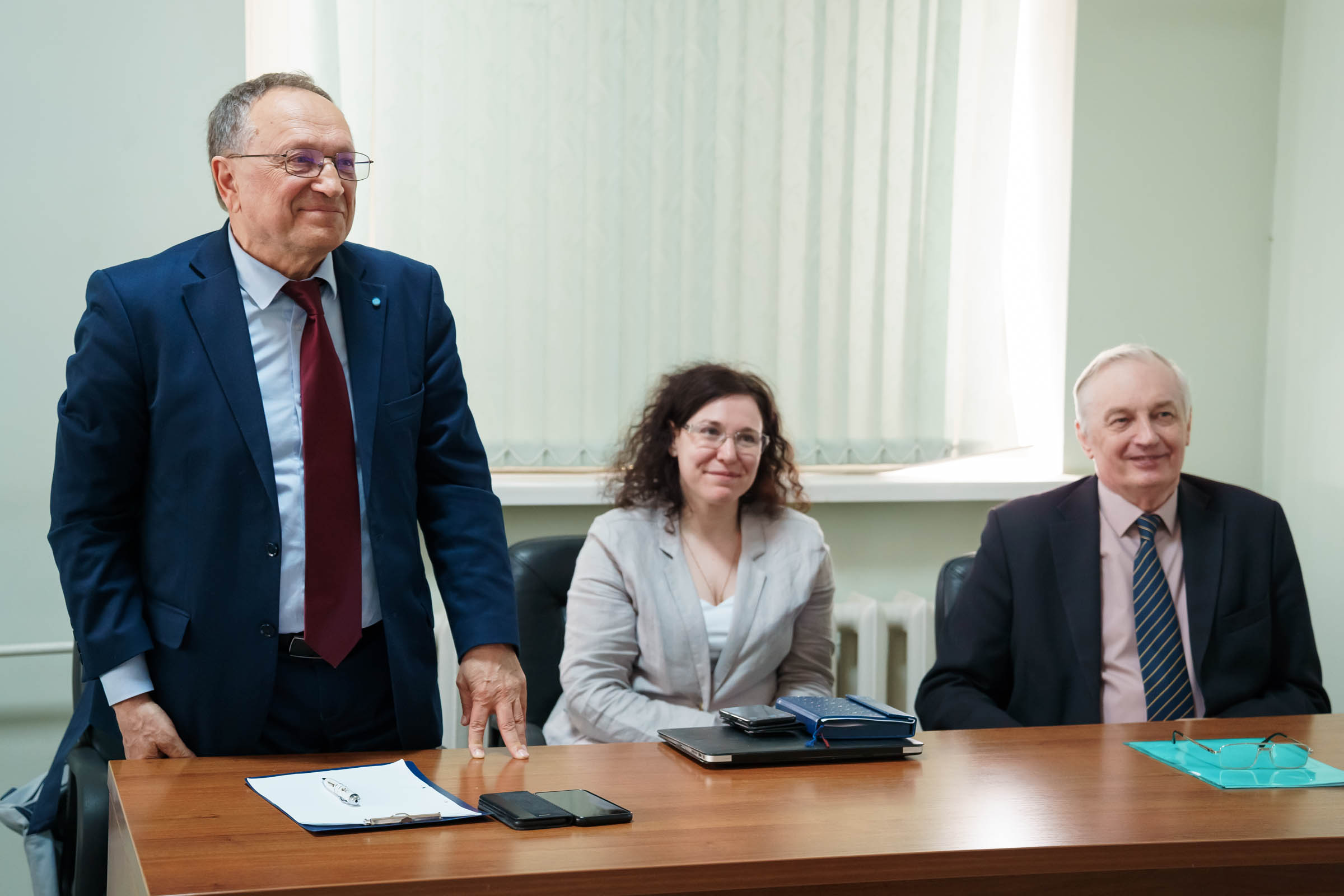
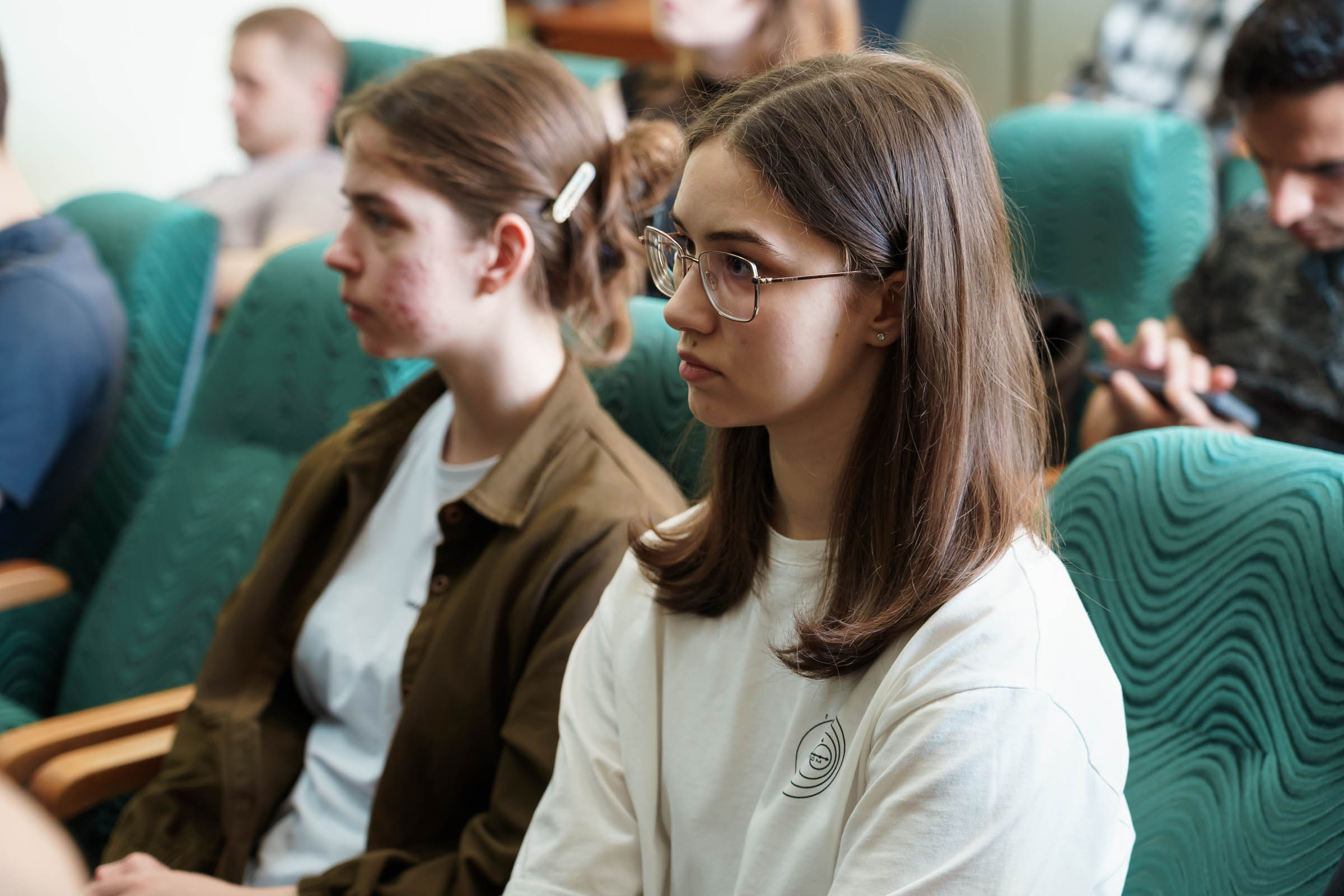
Participants of the strategic session—including Anna Rozenzweig, First Vice-Rector for Research; Igor Belokonov, Project Lead and Professor; Evgeny Shakhmatov, Academician of the Russian Academy of Sciences and Scientific Supervisor of the University; faculty from the Inter-University Department of Space Research; and the student team tasked with executing the project—engaged in detailed discussions on the spacecraft development roadmap.
Alexander Leonov, Head of Projects at the Ministry's Project Office for "Talent for Space," delivered opening remarks, wishing the team success in achieving all stated milestones.
Industry partners and expert consultants who will support the project also addressed the audience. Among them:
- Evgeny Kosmodemyansky, Chief Designer for Space Systems at "Special Technological Center" LLC;
- Yury Zaiko, Chief Designer at "Orbital Systems" LLC;
- Professors Anton Doroshin and Vladimir Kurenkov of Samara University, and other distinguished specialists.
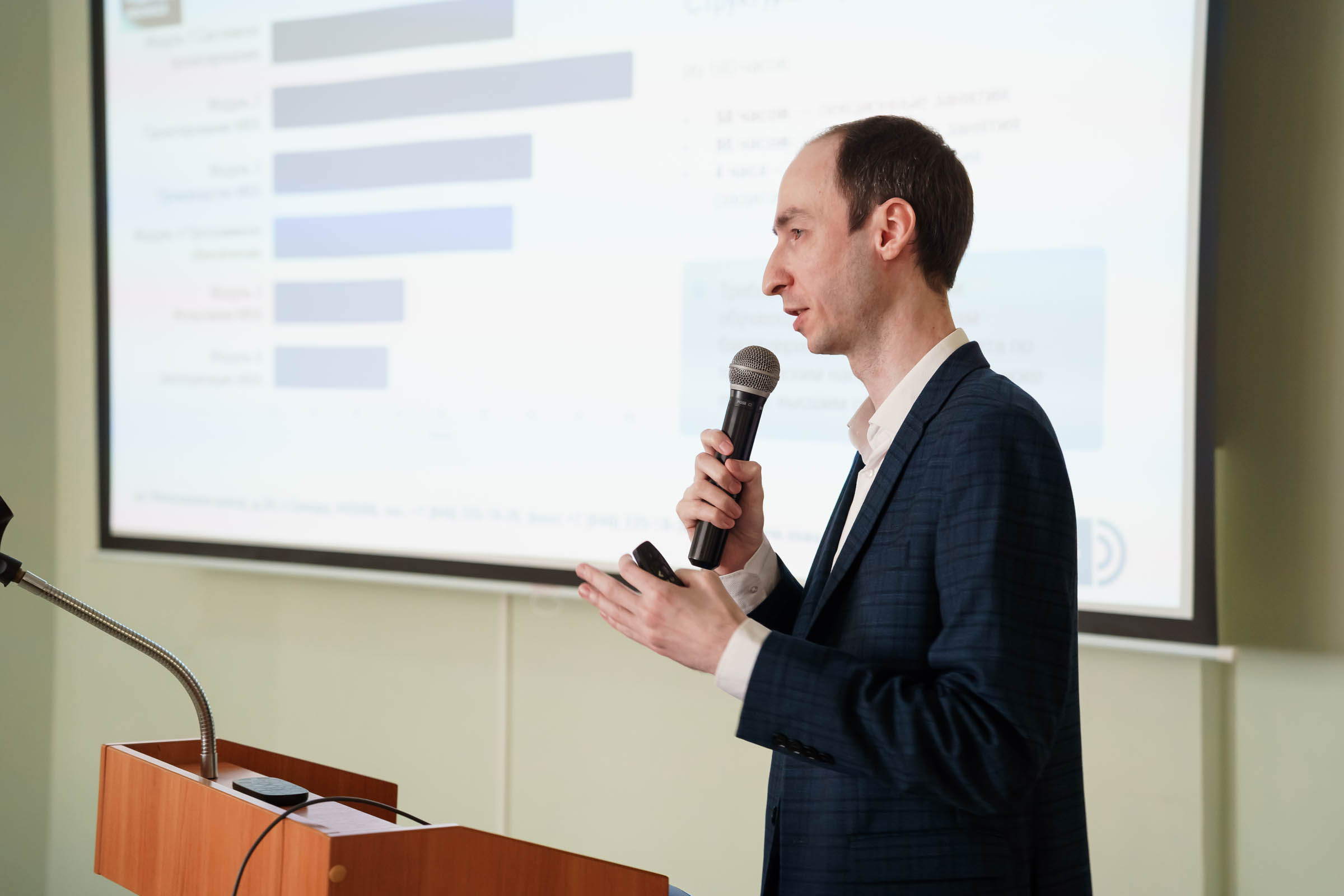
Denis Avaryaskin, Associate Professor, presented the project's educational track: a supplementary professional program titled "Development of Small-Scale Spacecraft Through the Creation of the SamSat-Korolyovets Nanosatellite," in which approximately 40 students will participate.
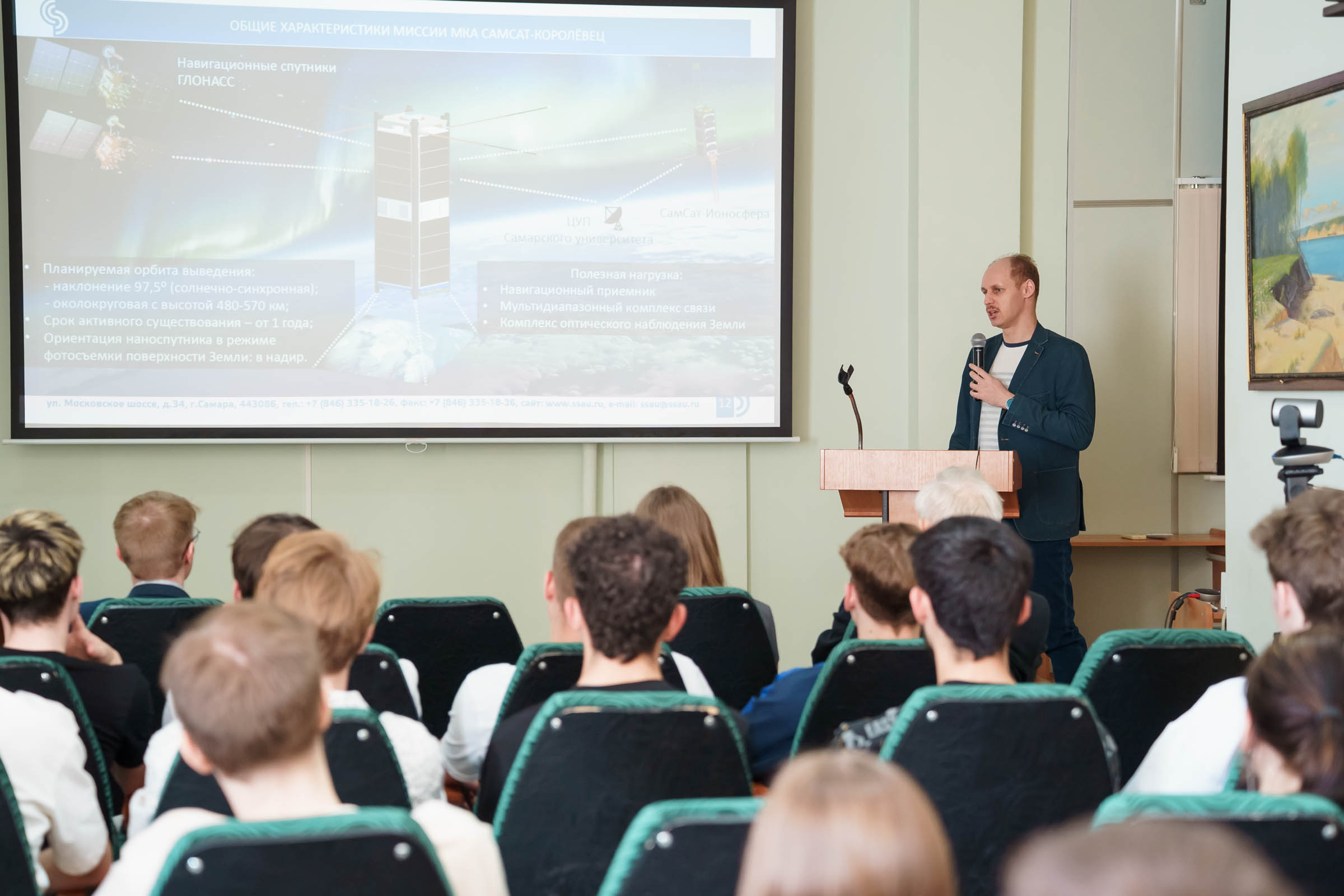
Key engineering components were outlined in presentations by center leads:
- Stepan Shafran, Head of the Nanosatellite Technologies Center: "Project Architecture of the SamSat-Korolyovets MKA and Planned Innovations";
- Mikhail Shcherbakov, Head of the Nanosatellite Testing and Prototyping Center: "Modernization of Production and Testing Infrastructure Within the SamSat-Korolyovets Scientific-Educational Project";
- Leonid Sinitsyn, Head of the Flight Control Center: "Upgrading the Mission Control Complex within the SamSat-Korolyovets Framework."
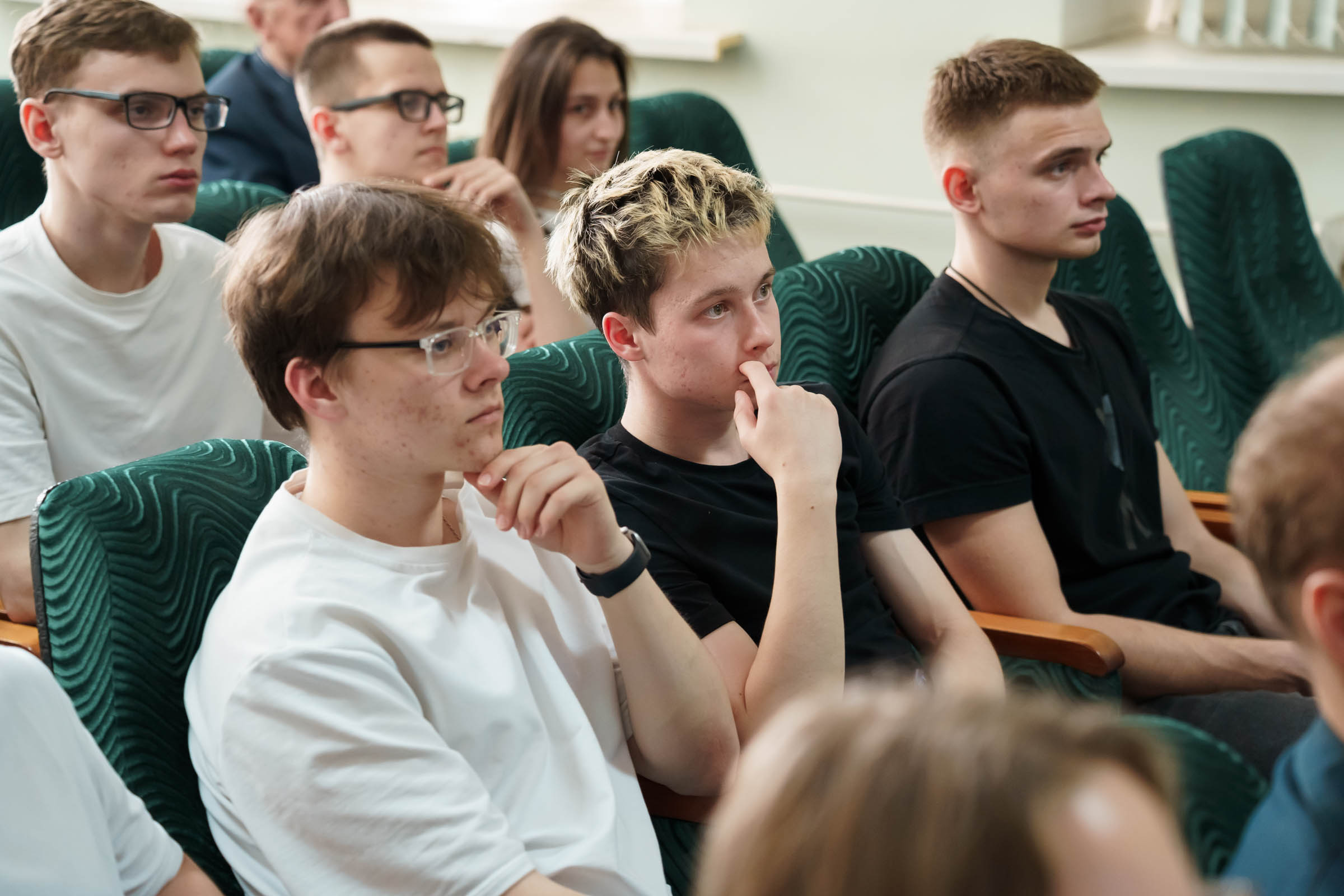
The session concluded with an inspiring address by Polina Yakovleva, a first-year master's student and Lead Designer of the SamSat-Korolyovets project, who spoke directly to her fellow students. Finally, Project Lead Igor Belokonov presented the official roadmap, outlining key milestones and deliverables for the ambitious journey ahead.
With "SamSat-Korolyovets," Samara University reaffirms its commitment to nurturing the next generation of space innovators—turning classroom theory into orbital reality.
